Slowing of the major Atlantic Ocean current could intensify storms along the California coast and reduce snowfall in Greenland. A new study highlights how changes in the ocean can impact extreme weather events and water resources across different continents.
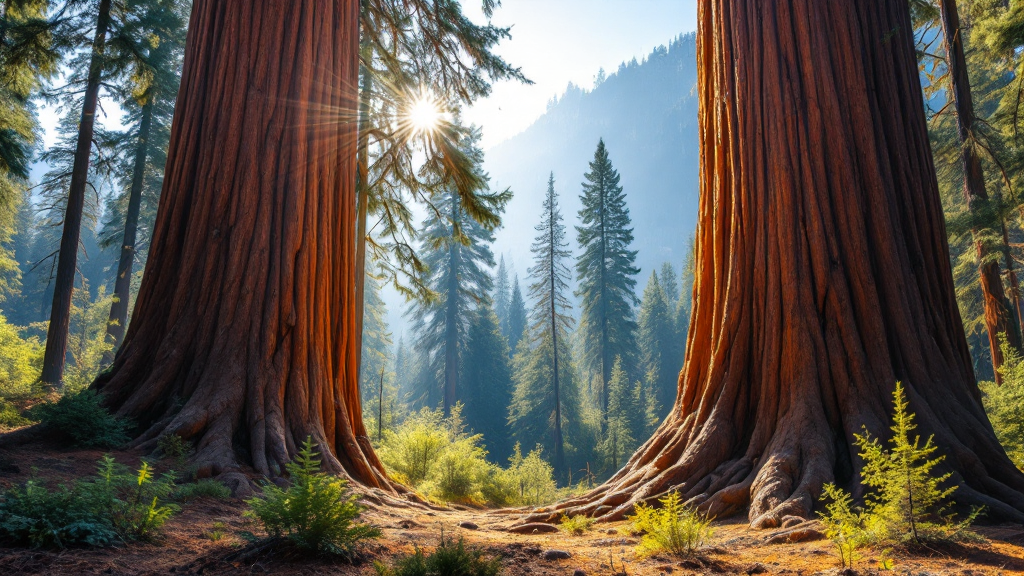
A new study has shown that controlled burns significantly increase the survival rate of giant sequoias during extreme wildfires. This approach is recognized as a key tool for their preservation.
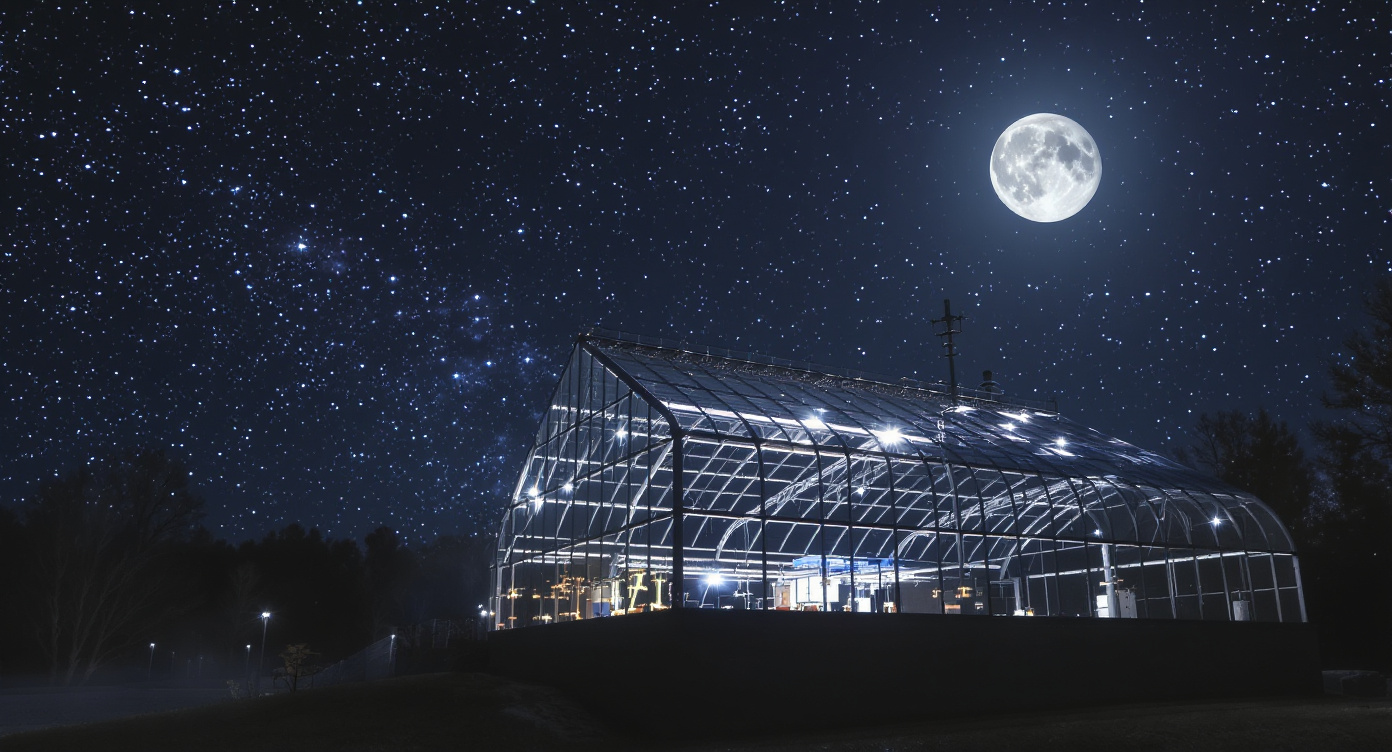
Engineers at the University of California have developed a device capable of generating energy at night by harnessing the temperature difference between the ground and outer space. This technology could provide ventilation for greenhouses and buildings without the need for fuel.
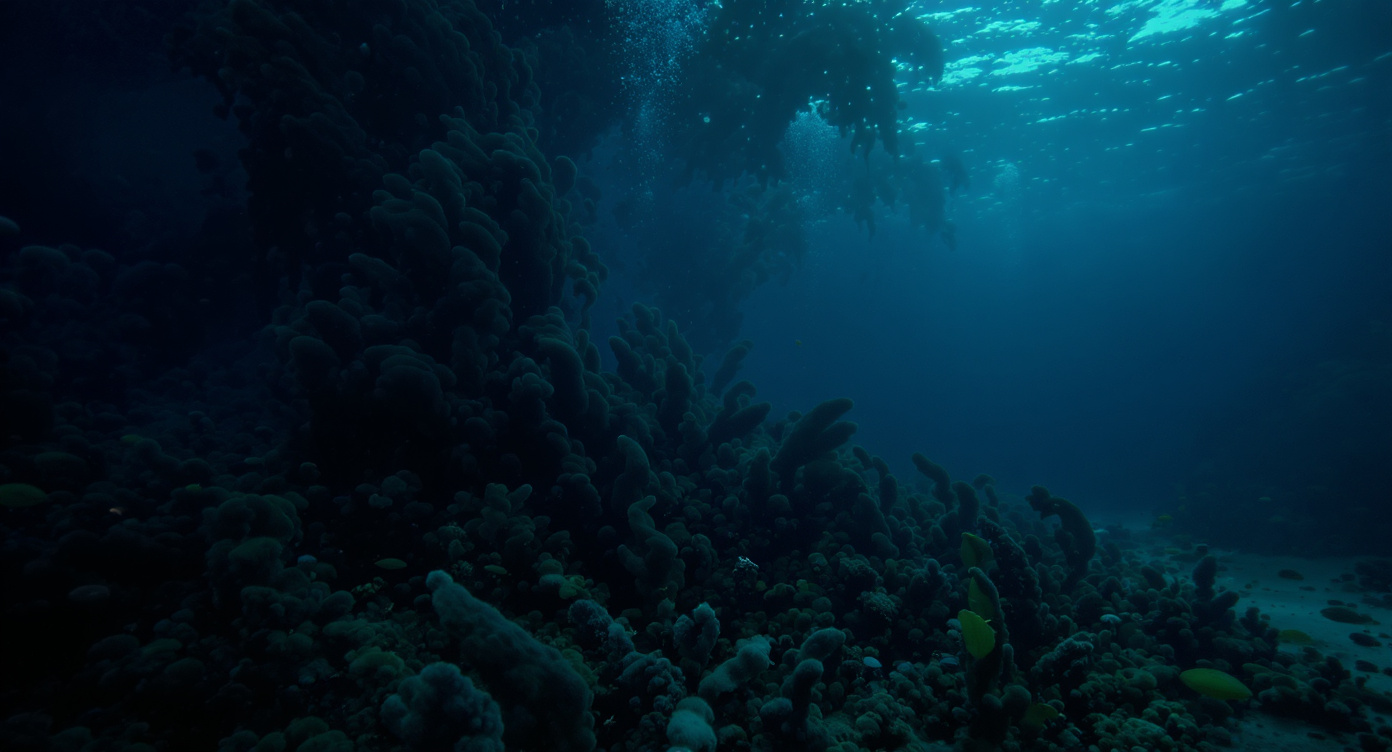
Scientists have developed the first system for detecting and comparing short-term but intense periods of underwater darkness—so-called "marine dark waves"—which can seriously disrupt marine ecosystems. This new method will help track such events worldwide and assess their impact on algae, seagrasses, and corals.
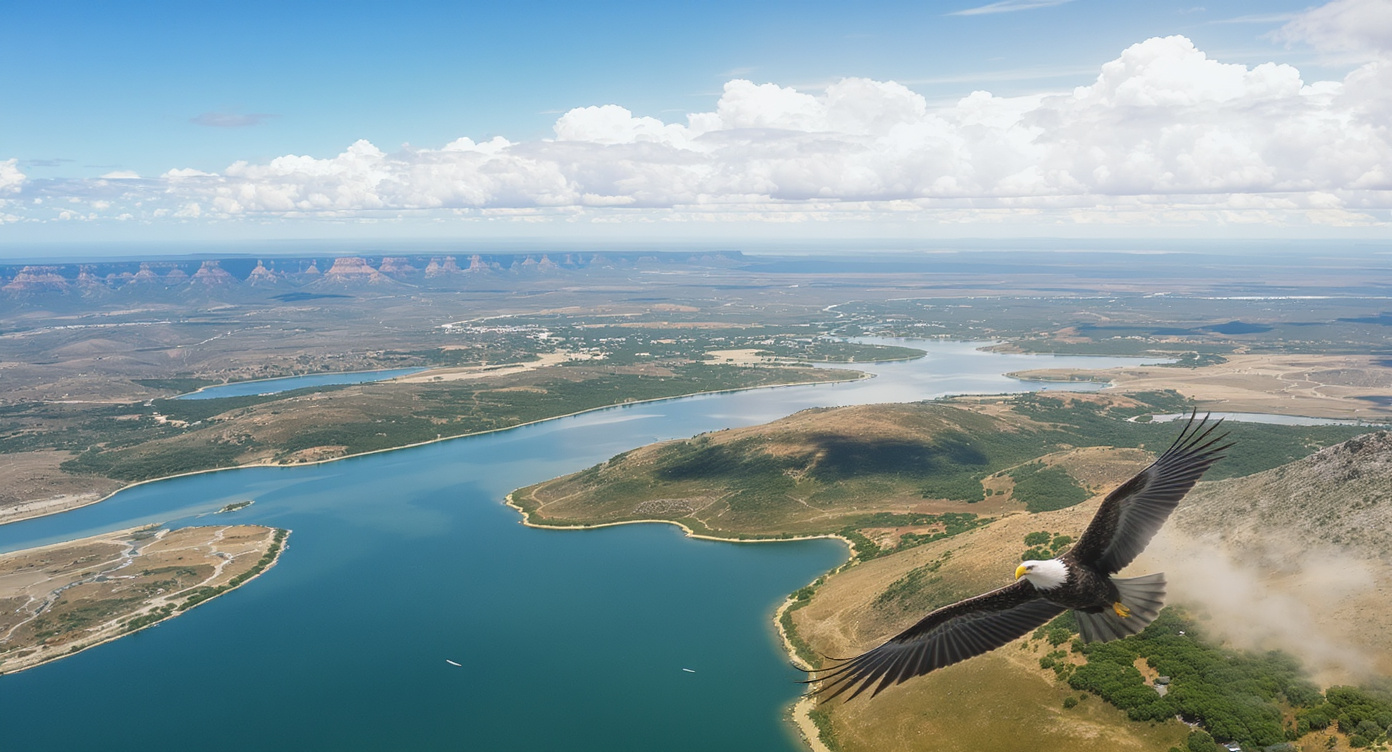
A new study has found that young bald eagles from Arizona migrate north rather than south, and sometimes settle in other regions. These unusual migration routes highlight the importance of studying bird movements for their effective conservation.

 Natura