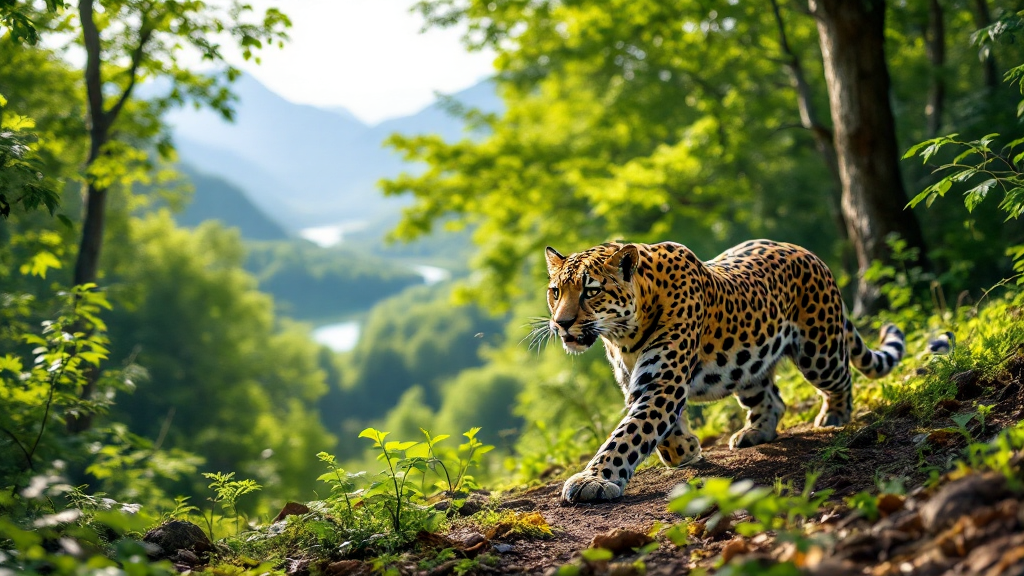
Over the past ten years, the population of Amur leopards in Russia has nearly tripled thanks to enhanced protection efforts. To further restore their numbers, plans are underway to expand their habitat and strengthen international cooperation.
An adult jaguar has traveled more than 2,000 kilometers across the southern Amazon, setting a new record for its species and surprising scientists with its unusual route. This discovery changes our understanding of what big cats are capable of and highlights the importance of natural corridors for their survival.
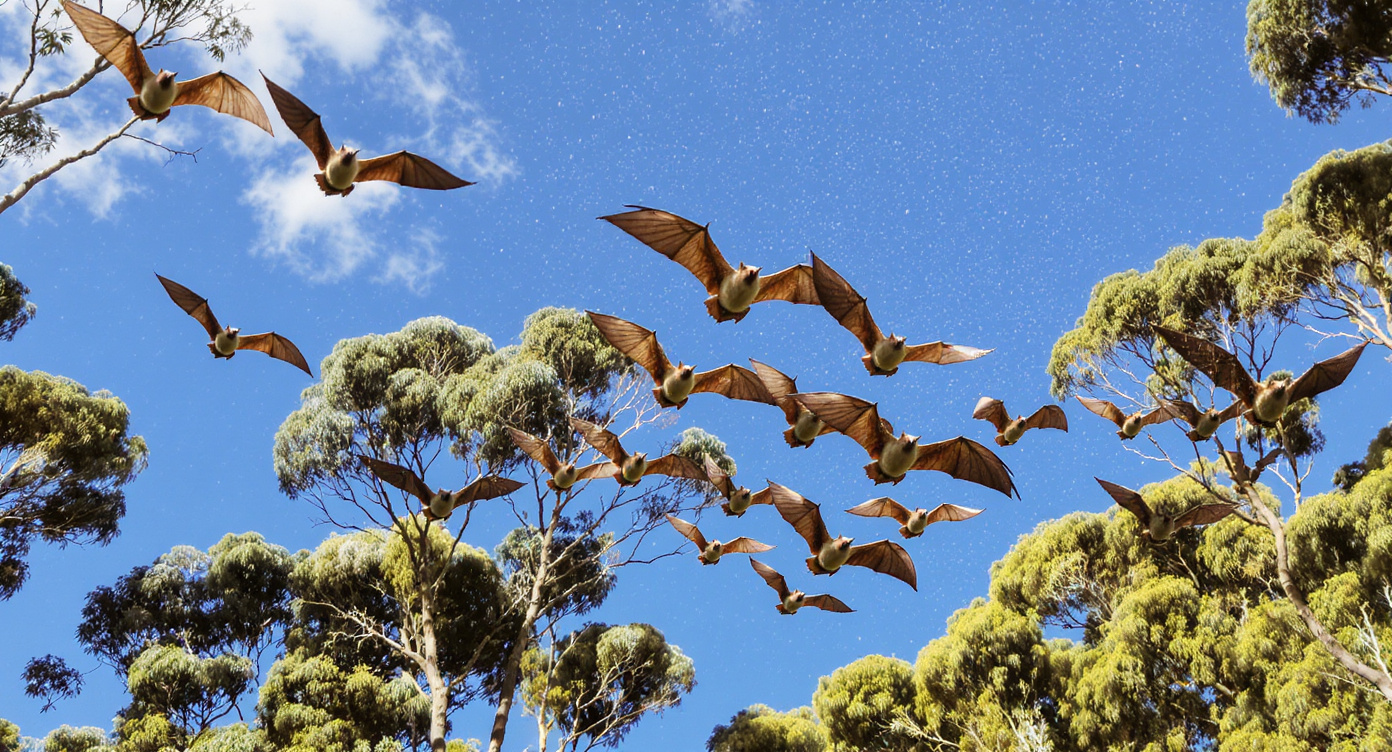
Australian flying foxes, once considered pests, help generate millions of new trees each year and contribute hundreds of millions of dollars to the country's economy. Research highlights their crucial role in forest restoration and the importance of protecting these animals.
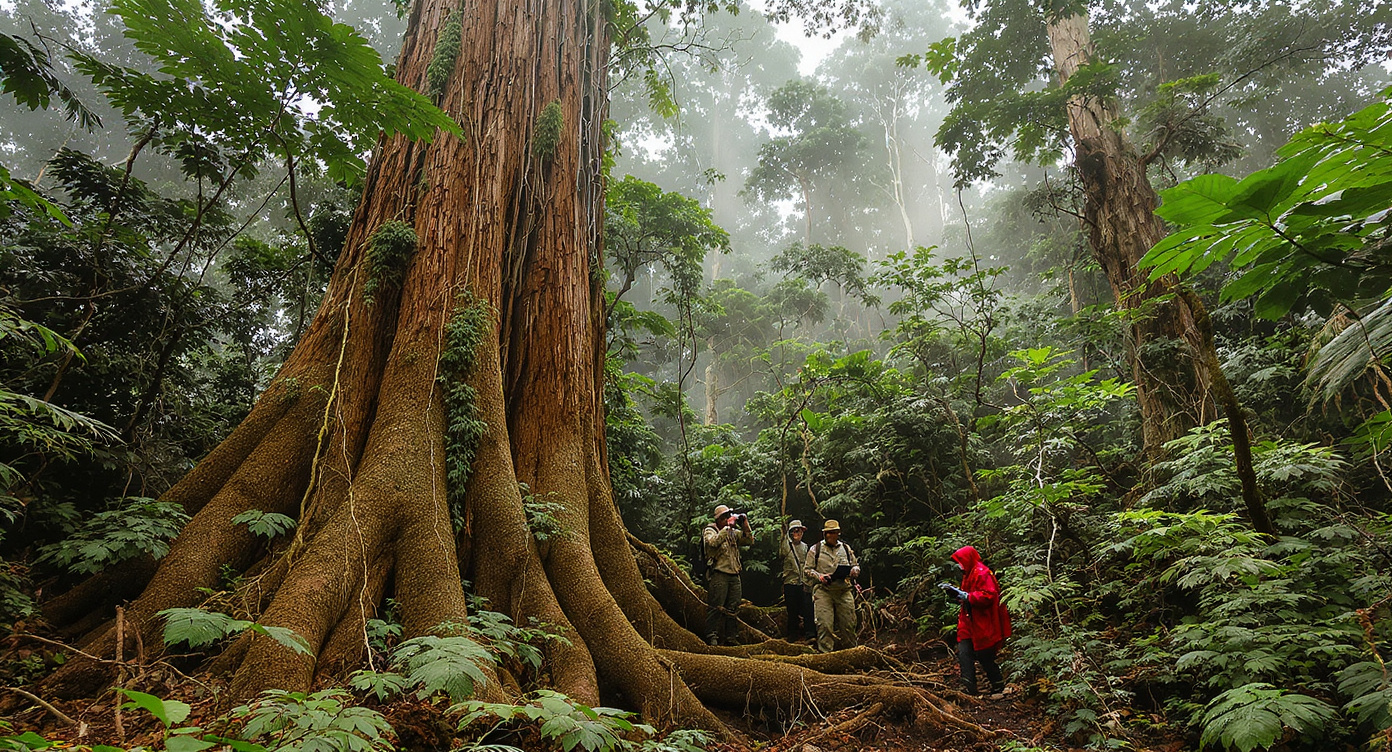
A new study has shown that climate change affects tree diversity in the tropical forests of the Amazon and Andes in different ways: in some regions, species are disappearing, while in others, new ones are emerging. Scientists emphasize the importance of a regional approach to forest conservation and highlight the Northern Andes as a potential refuge for vulnerable species.
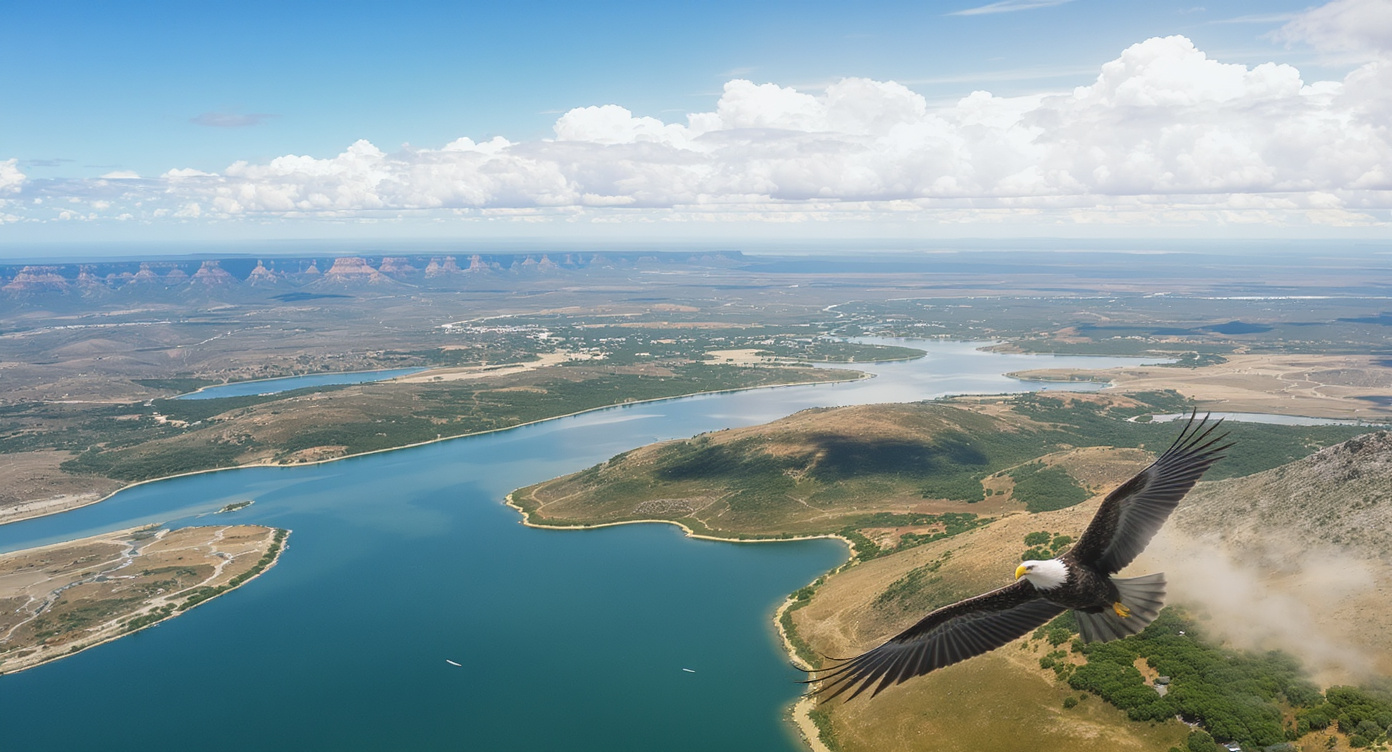
A new study has found that young bald eagles from Arizona migrate north rather than south, and sometimes settle in other regions. These unusual migration routes highlight the importance of studying bird movements for their effective conservation.
Studies have shown that oceanic manta rays dive into deep waters not for hunting, but to recalibrate their “maps” of the ocean and navigate in open waters. These findings help us understand how migratory species cross vast distances and highlight the importance of preserving little-studied deep-sea ecosystems.

 Natura