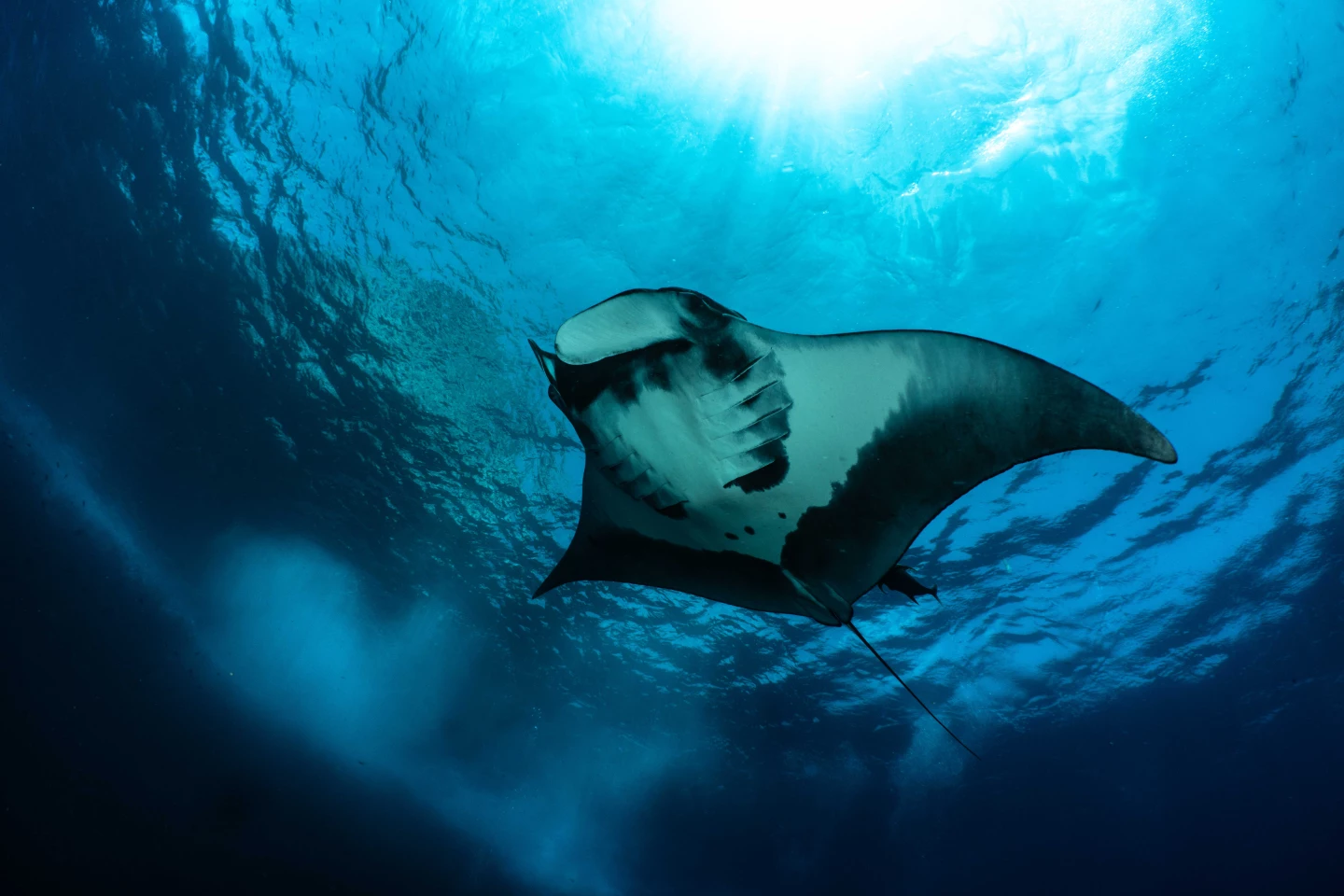
Oceanic manta rays use the depths for navigation
Studies have shown that oceanic manta rays dive into deep waters not for hunting, but to recalibrate their “maps” of the ocean and navigate in open waters. These findings help us understand how migratory species cross vast distances and highlight the importance of preserving little-studied deep-sea ecosystems.
Natura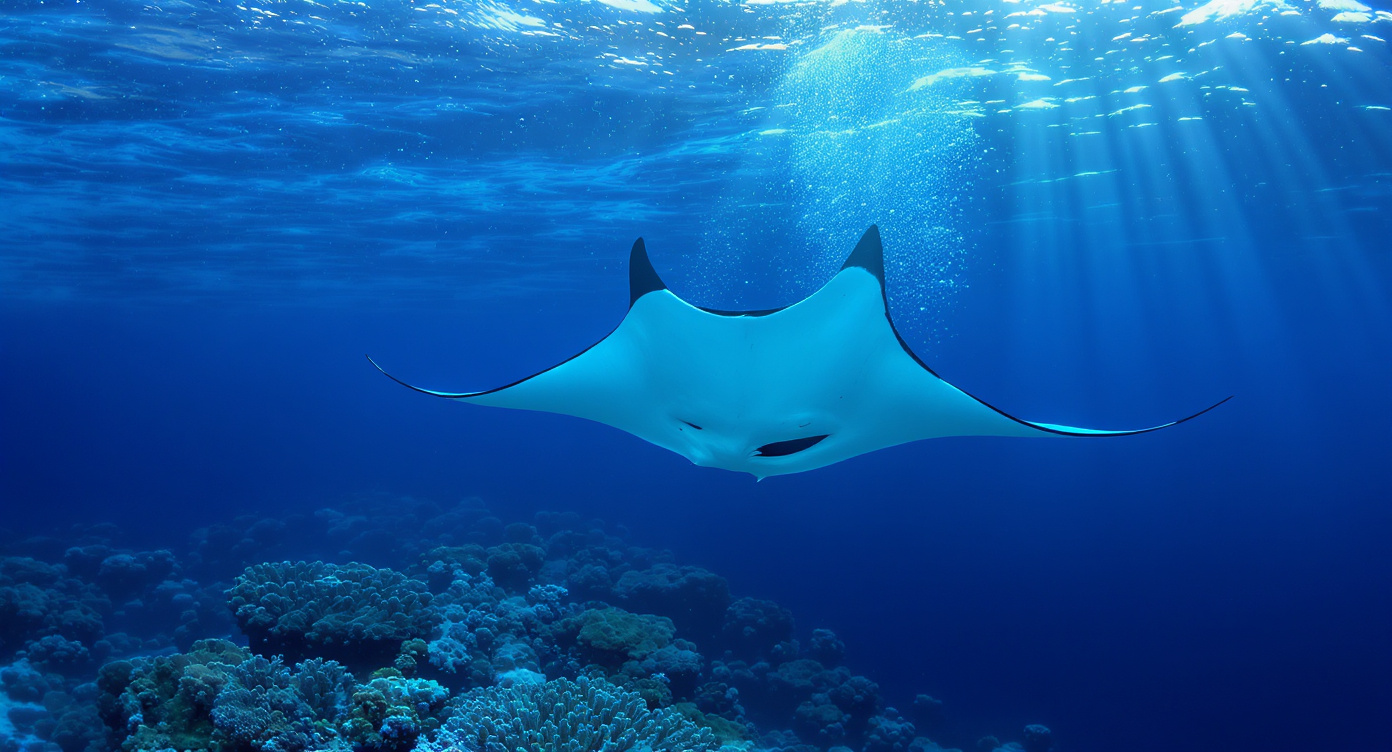
Oceanic manta rays regularly undertake deep dives to depths exceeding 1,200 meters, but these extreme descents are not related to foraging and do not occur in all deep waters. Research suggests that mantas use such dives to calibrate a kind of “map” of the ocean, especially after leaving the continental shelf.
New Discoveries About Manta Behavior
An international team of scientists from Peru, Indonesia, and New Zealand has gathered new data on the largest species of rays—the oceanic manta ray (Mobula birostris), whose “wingspan” averages 4–4.5 meters. Unlike most fish, mantas lack a swim bladder and lungs, which allows them to withstand significant depths. Nevertheless, even the researchers were surprised by the results of their observations.
Dr. Kelvin Bill noted: “We have shown that far from shore, oceanic mantas are capable of diving to depths greater than 1,200 meters, which is much deeper than previously thought. These dives, after which mantas begin to move actively horizontally, may play an important role in gathering environmental information and navigating the open ocean.”
How the Study Was Conducted
During the study, 24 mantas were tagged in three regions: Raja Ampat (Indonesia), the Tumbes coast (Peru), and Whangaroa in the northeast of New Zealand’s North Island. Over the observation period, 2,705 days of data were collected. Eight tags provided detailed information at 15-second intervals, while the remaining 16 transmitted summary data via satellite.
Over 79 days, mantas made extreme dives, reaching a maximum depth of 1,250 meters. Almost all deep descents (over 500 meters) were recorded off the coast of New Zealand. Notably, each animal made its first deep dive within a day of leaving the continental shelf. The dives occurred in a stepwise manner, without lingering at maximum depth, which rules out hunting or escaping predators as the reason. Afterward, mantas could travel up to 200 km in just a few days.
Navigating with Natural Signals
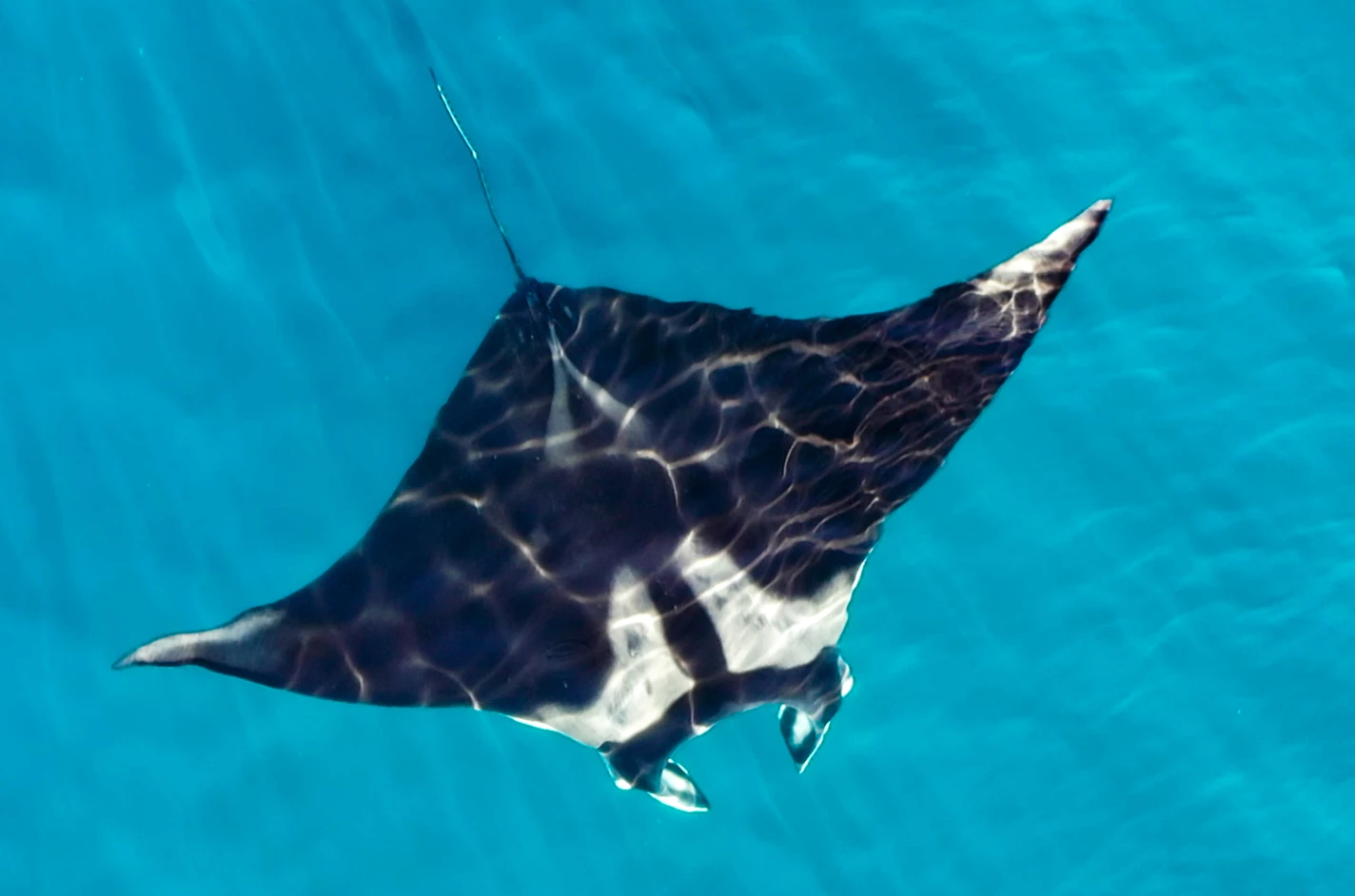
Researchers believe that mantas orient themselves using natural cues—changes in the magnetic field, oxygen concentration, temperature, and light—to choose the optimal route for further movement. Essentially, they compare their position with an “ocean map,” forming a mental representation of the space for navigation in open waters.
Dr. Mark Erdmann explained: “Deep dives by New Zealand mantas occur when they leave the shelf and begin migrating north. These descents are likely necessary for more accurate orientation along magnetic lines on the ocean floor. After deep dives, mantas spend time near the surface, probably recovering from the cold, and then move purposefully—up to 200 km per day over several days.”
Why Do Mantas Dive So Deep?
Deep-sea conditions are more stable and predictable than at the surface, which makes navigation easier. Most extreme dives were recorded off the coast of New Zealand, where shallow waters quickly give way to the deep ocean. Scientists believe that the unique underwater landscape forces the animals to adjust their navigational map.
Understanding the nature and function of deep dives helps explain how animals cross vast, seemingly featureless oceans and connect ecosystems separated by thousands of kilometers.
Importance for Species Conservation
Although the study covered a small sample—24 individuals and specific behavioral intervals—the new data lay the groundwork for further research that may confirm the purpose of these extreme dives.
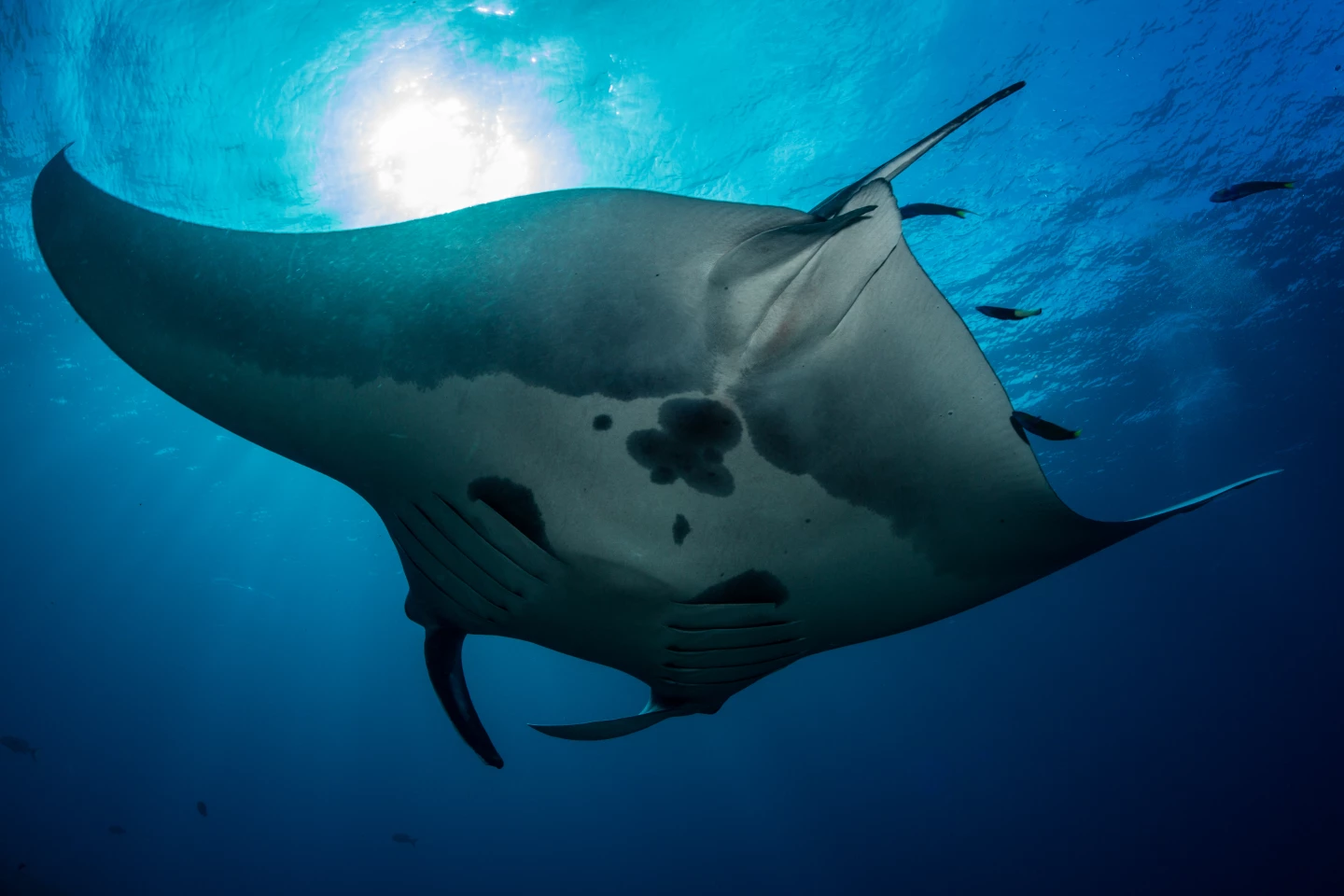
The results highlight how much migratory species depend on their environment when moving between different habitats. Oceanic mantas, which are threatened with extinction, rely on parts of the ocean that scientists know the least about.
“Our research underscores how migratory species depend on both coastal and open marine ecosystems, and the need for international cooperation to protect them. It also reminds us that the deep ocean, which regulates Earth’s climate and supports global fisheries, remains poorly studied but is extremely important,” concluded Dr. Bill.