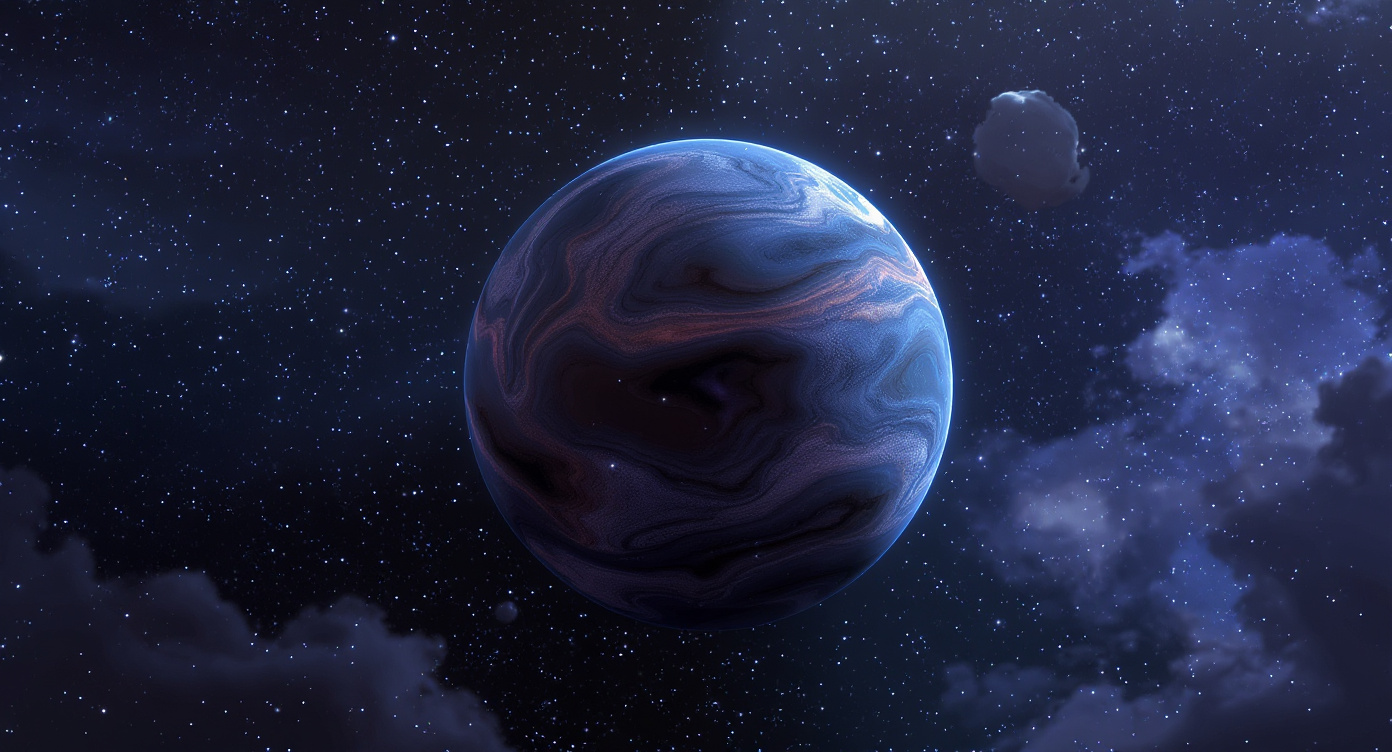
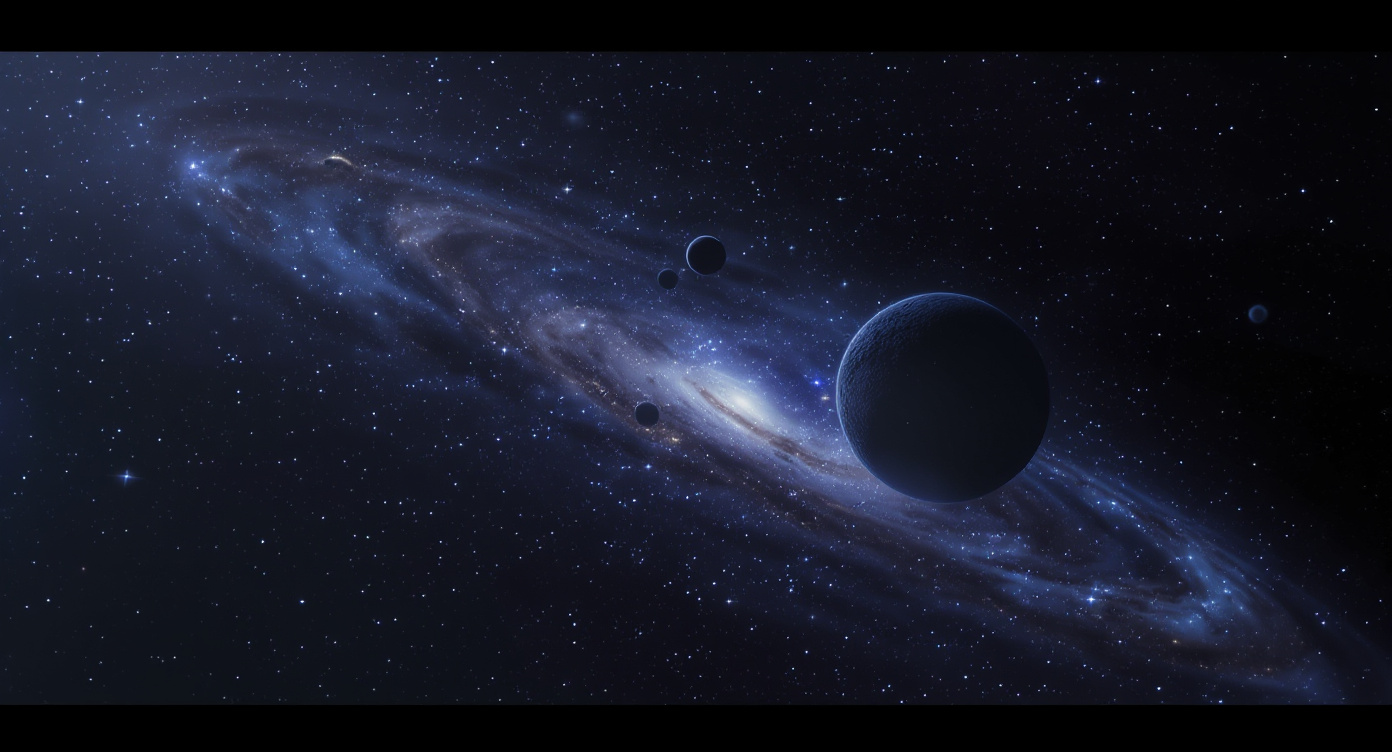
Astronomers have, for the first time, detected radio signals coming directly from the exoplanet β Pictoris b. These signals are of natural origin and are associated with auroras, allowing scientists to estimate the planet's powerful magnetic field.
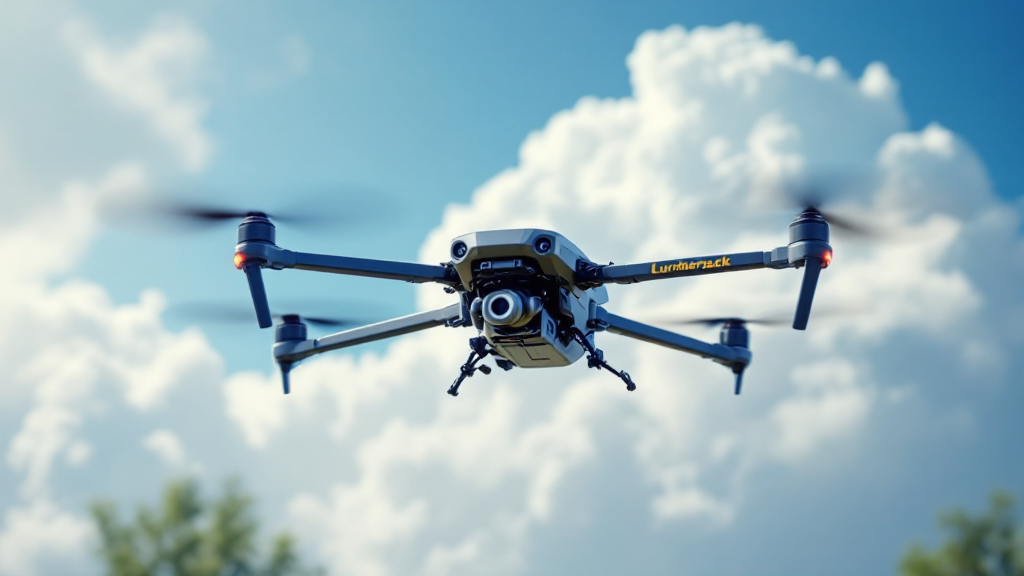
Northrop Grumman has successfully tested a new quantum navigation system for the Lumberjack drone that operates without satellite signals. The system uses highly accurate measurements of Earth's magnetic field, which increases the reliability and autonomy of drones even in the absence of GPS.
For the first time, a three-dimensional map of the upper layers of Uranus's atmosphere has been created, revealing how the planet's unusual magnetic field shapes its auroras and influences its cooling. This discovery provides new insights into the evolution of exoplanets and the structure of ice giants.
Astronomers have, for the first time, observed the formation of a magnetar during a supernova explosion, confirming that unusually bright supernovae receive additional energy from these objects. This discovery will help deepen our understanding of the processes that occur when massive stars die.
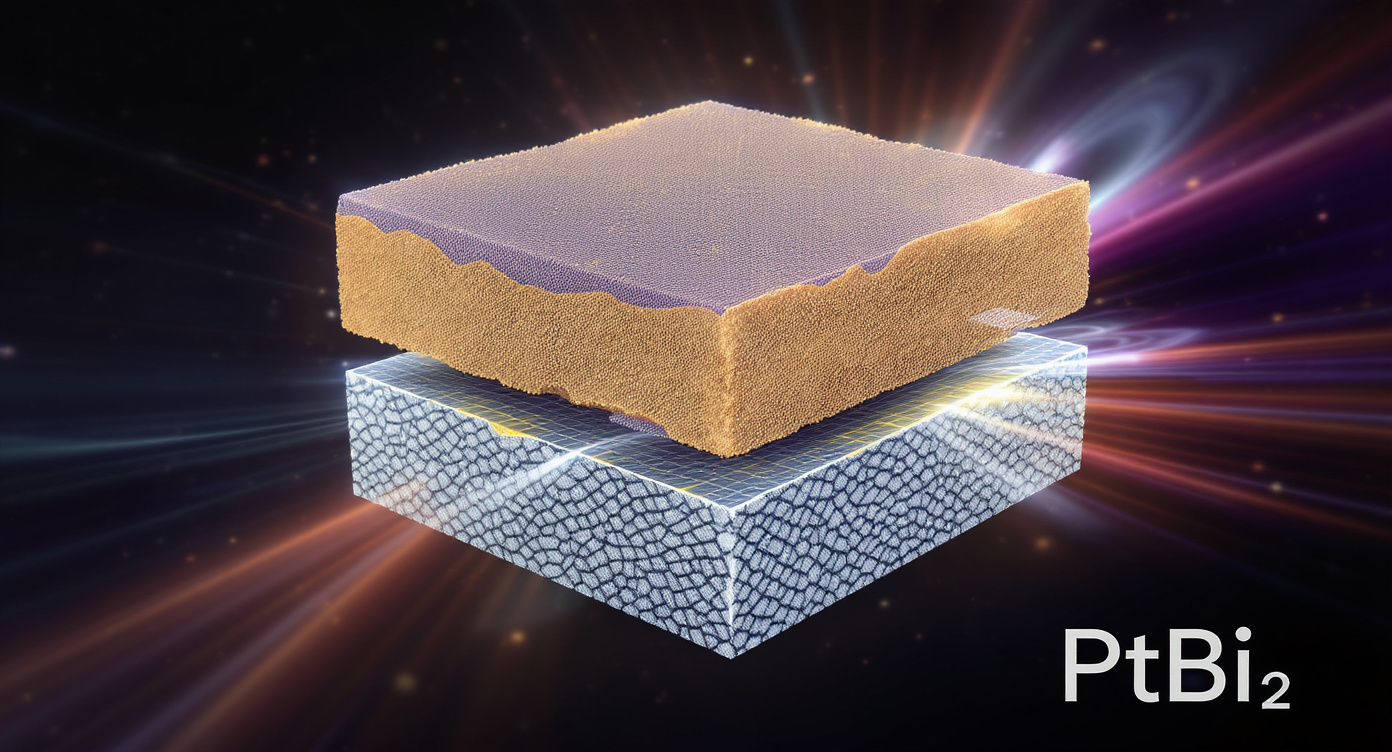
The material PtBi₂ exhibits unique superconductivity only on its surfaces and forms Majorana particles, which are promising for creating stable qubits in quantum computers. Researchers are exploring ways to control these properties for future quantum technologies.
The Europa Clipper interplanetary station may pass through the tail of the interstellar comet 3I/ATLAS in the fall of 2025. If the probe detects particles from the comet, it would mark the first confirmed contact with an object from another star system.
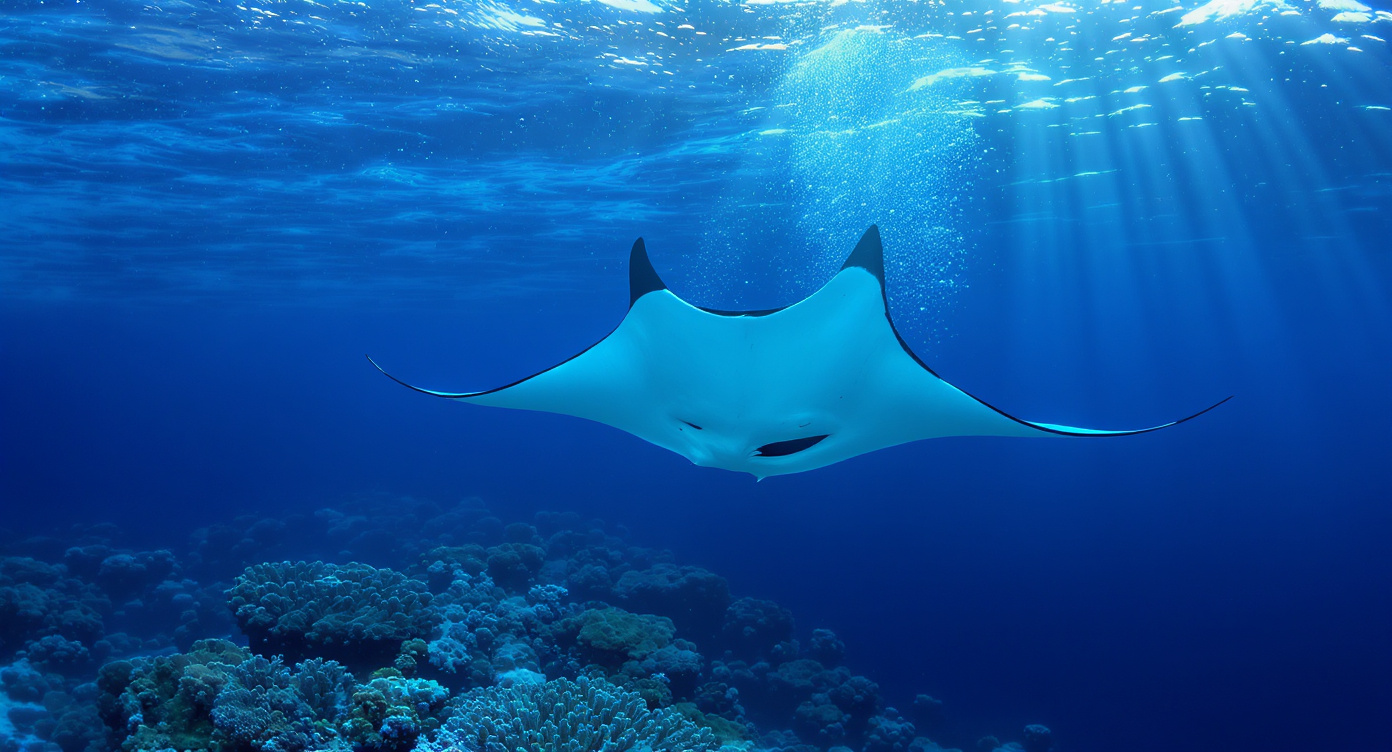
Studies have shown that oceanic manta rays dive into deep waters not for hunting, but to recalibrate their “maps” of the ocean and navigate in open waters. These findings help us understand how migratory species cross vast distances and highlight the importance of preserving little-studied deep-sea ecosystems.
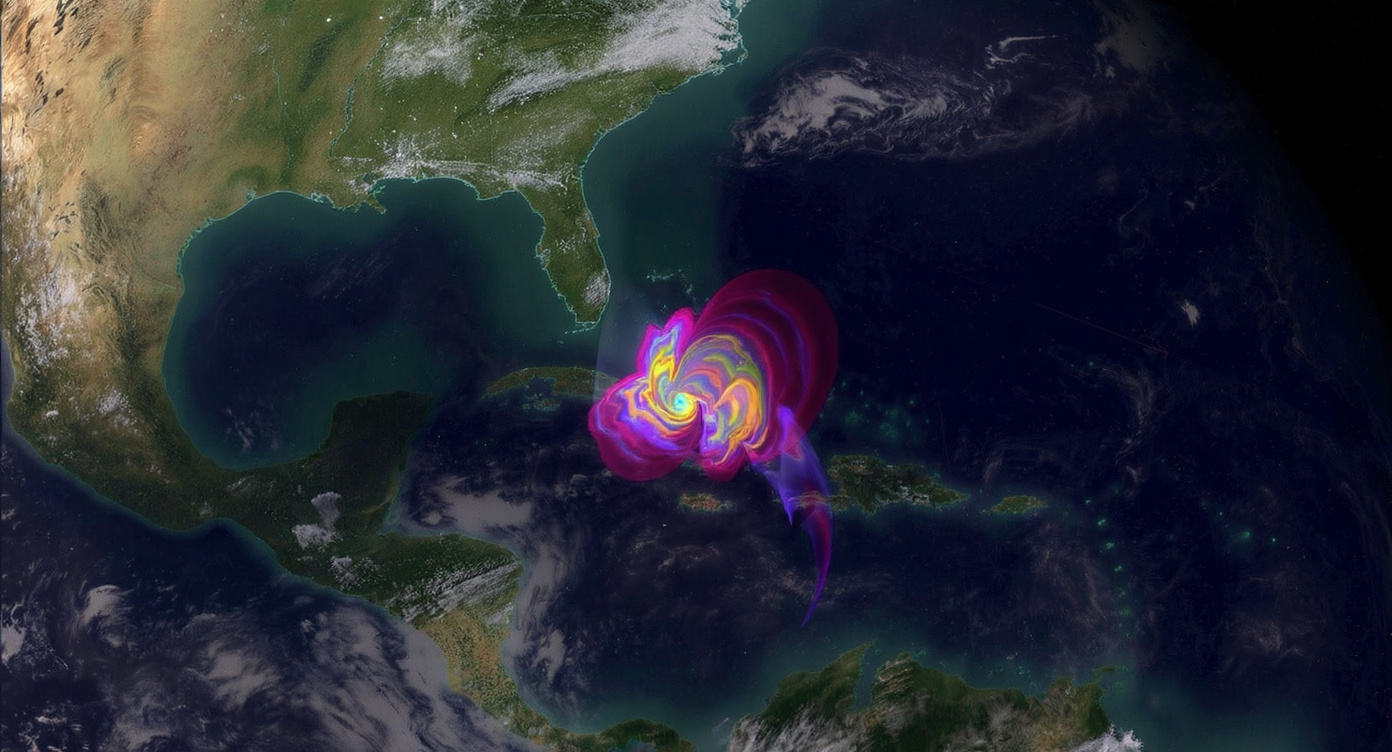
The South Atlantic Anomaly in Earth's magnetic field continues to expand and become more complex, increasing risks for satellites and requiring constant monitoring to better understand the processes occurring deep within the planet.

 Cursus