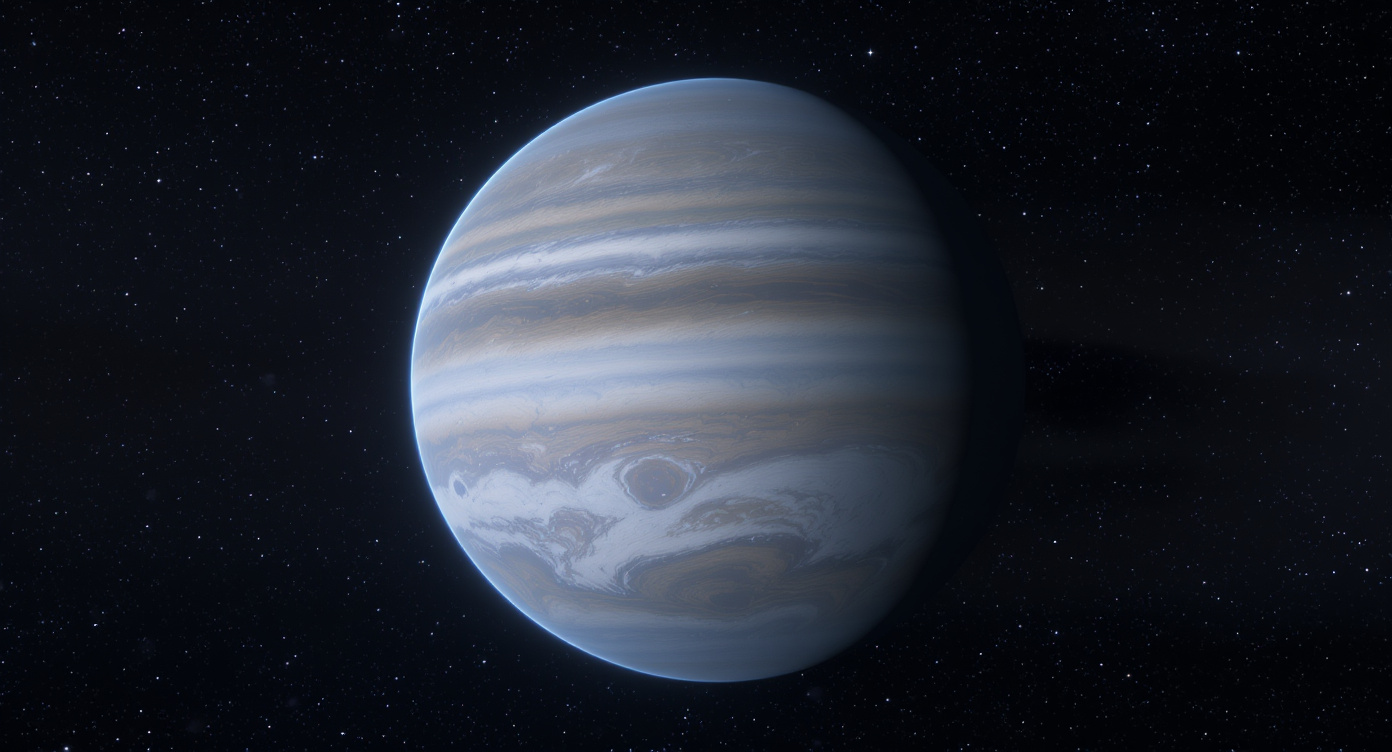
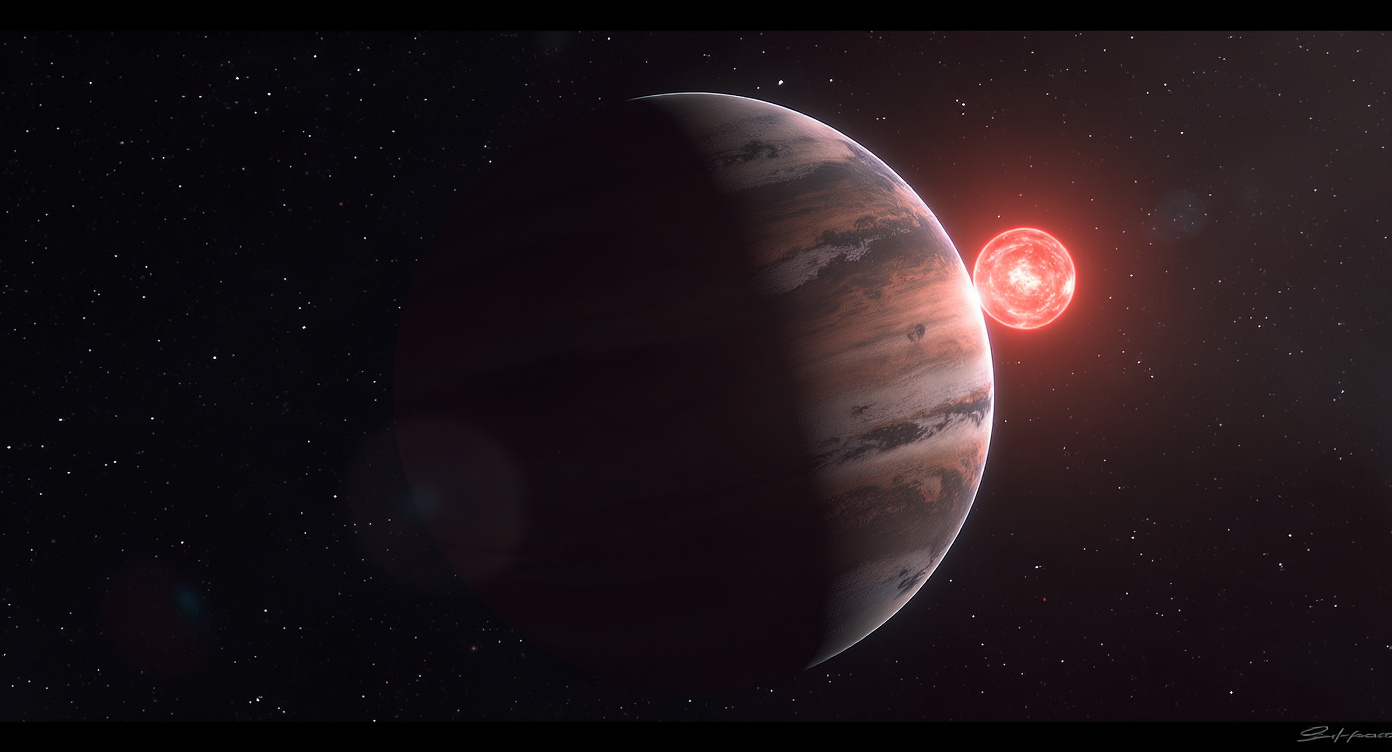
Astronomers have, for the first time, detected radio signals coming directly from the exoplanet β Pictoris b. These signals are of natural origin and are associated with auroras, allowing scientists to estimate the planet's powerful magnetic field.
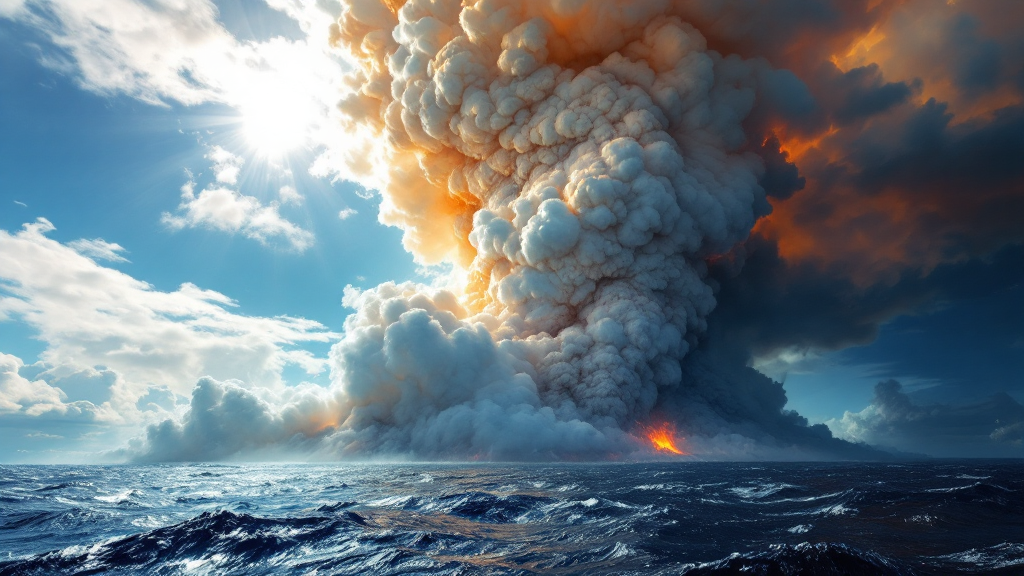
The eruption of the Hunga Tonga-Hunga Ha'apai volcano in 2022 allowed scientists to observe, for the first time, the accelerated breakdown of methane in the atmosphere caused by the interaction of volcanic ash, seawater, and sunlight. This discovery could contribute to the development of new methods for reducing methane levels and slowing global warming, though further research is needed to assess potential consequences.
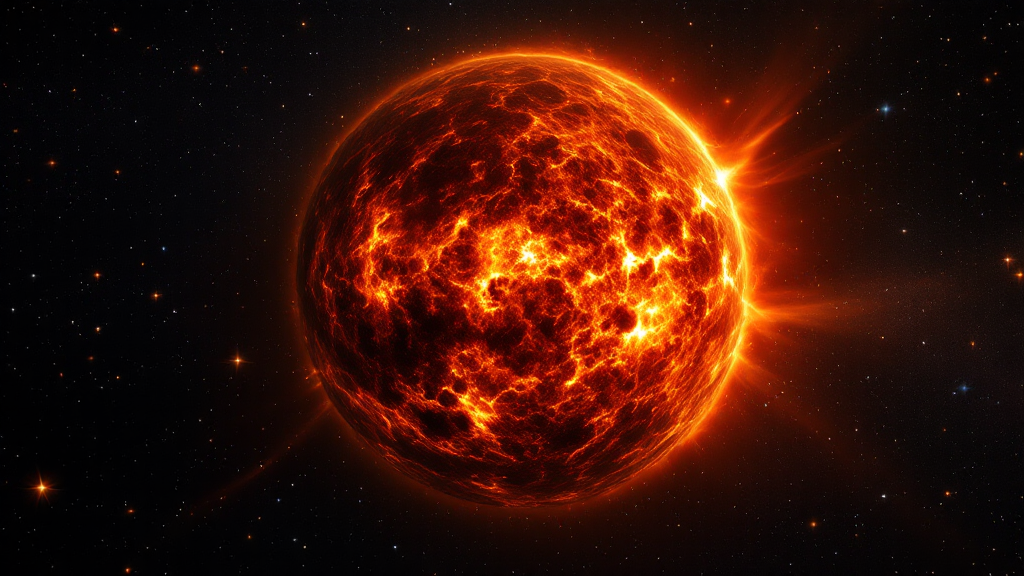
Recent observations of Betelgeuse using the ALMA radio telescope have revealed an unusually lumpy surface and hot regions associated with plasma movement. These features may indicate the final stages of the star's evolution, suggesting that it could explode as a supernova in the future.
Астрономы впервые обнаружили атмосферу у экзопланеты, похожей на Землю и находящейся в обитаемой зоне. Планета LHS 1140 b может быть пригодна для жизни, но её состав и наличие океанов пока остаются неясными.
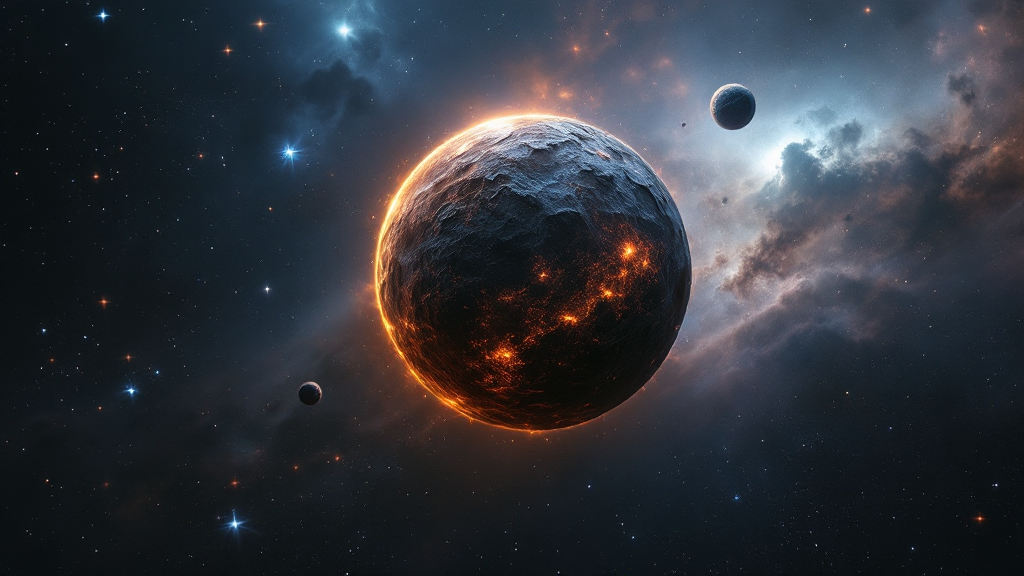
Astronomers using the James Webb Telescope have discovered the exoplanet L 98-59 d, which has a dense atmosphere and a magma ocean, located 35 light-years from Earth. This discovery expands the possibilities for finding new worlds in the universe.
Astronomers have discovered a new super-Earth class exoplanet, TOI-1080 b, orbiting a red dwarf star 83 light-years from Earth. The planet is larger and more massive than Earth, but it lies outside the habitable zone of its star.
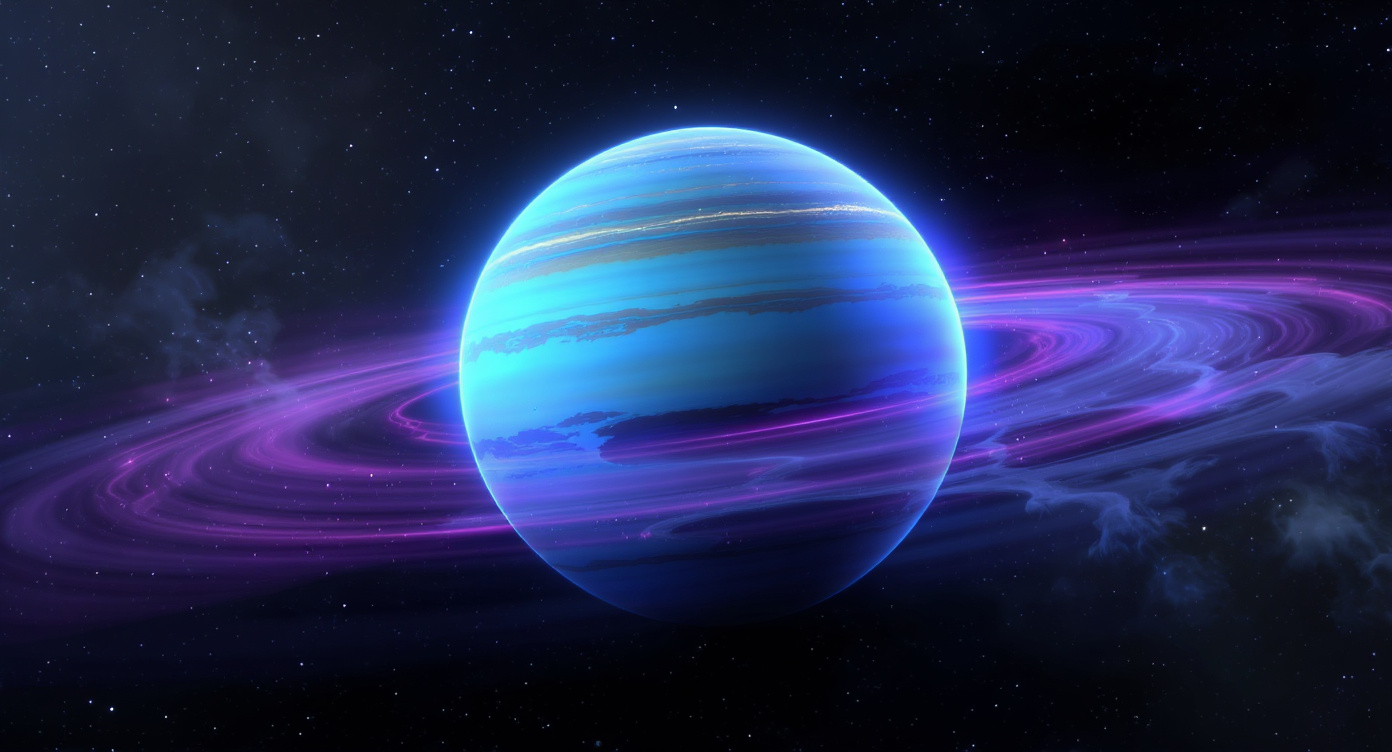
For the first time, a three-dimensional map of the upper layers of Uranus's atmosphere has been created, revealing how the planet's unusual magnetic field shapes its auroras and influences its cooling. This discovery provides new insights into the evolution of exoplanets and the structure of ice giants.
Astronomers have discovered the exoplanet TOI-5734 b, located 106 light-years from Earth and notable for its rare characteristics. It may lose its atmosphere and transform into a rocky super-Earth, which is significant for studying the evolution of planetary systems.
The James Webb Space Telescope has, for the first time, created a three-dimensional map of the auroras on Uranus, allowing scientists to study the planet's atmosphere and magnetosphere in unprecedented detail. The new data confirm previous observations and open up new possibilities for further research on ice giants.
Scientists have combined several climate models with isotope support to more accurately track the movement of water across the planet and better predict the impact of global warming on the water cycle.
At the beginning of the 2020s, methane concentrations in the atmosphere increased at record rates due to a decline in the natural breakdown of the gas and a rise in emissions from wetlands, bodies of water, and agriculture. The study highlights the importance of considering climatic factors when managing methane emissions.
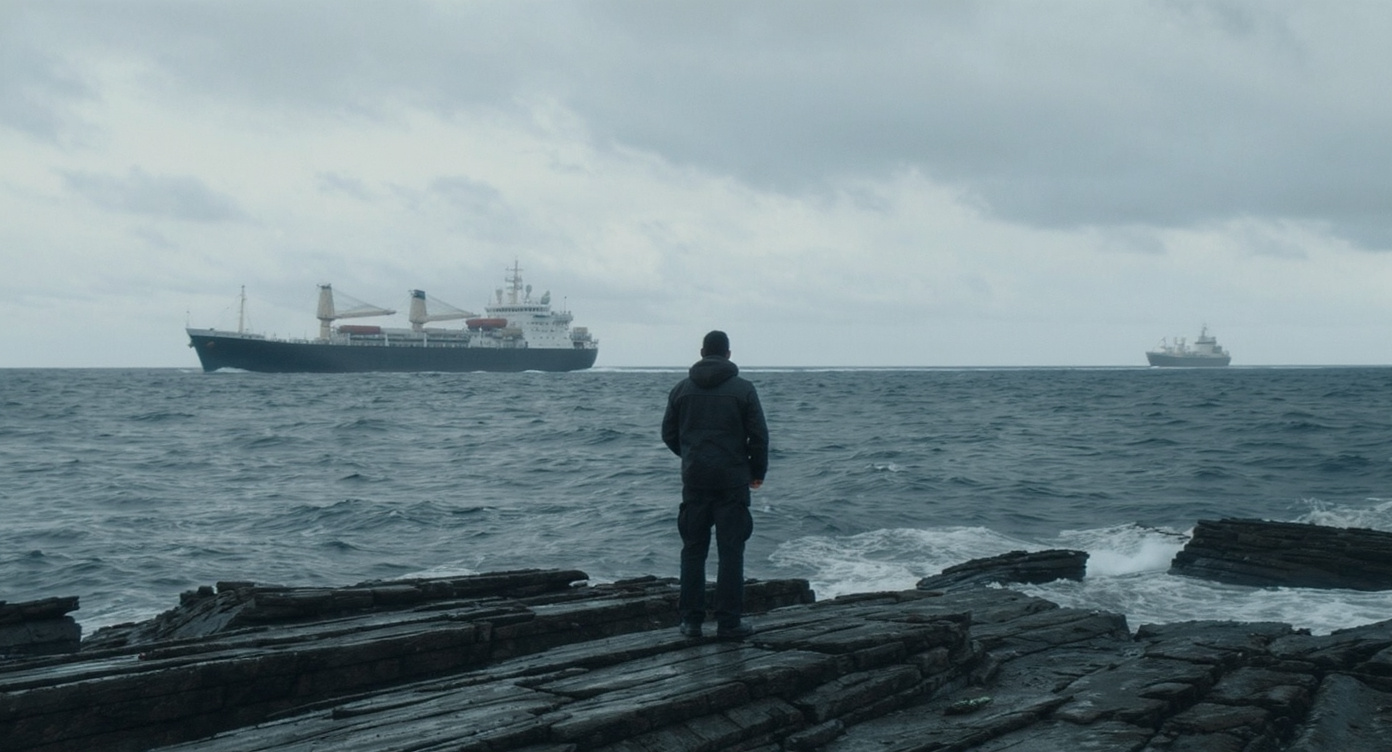
A new study has shown that switching shipping to cleaner fuels has reduced the impact of emissions on cloud formation by about 67%. This data will help refine climate models and environmental regulations.
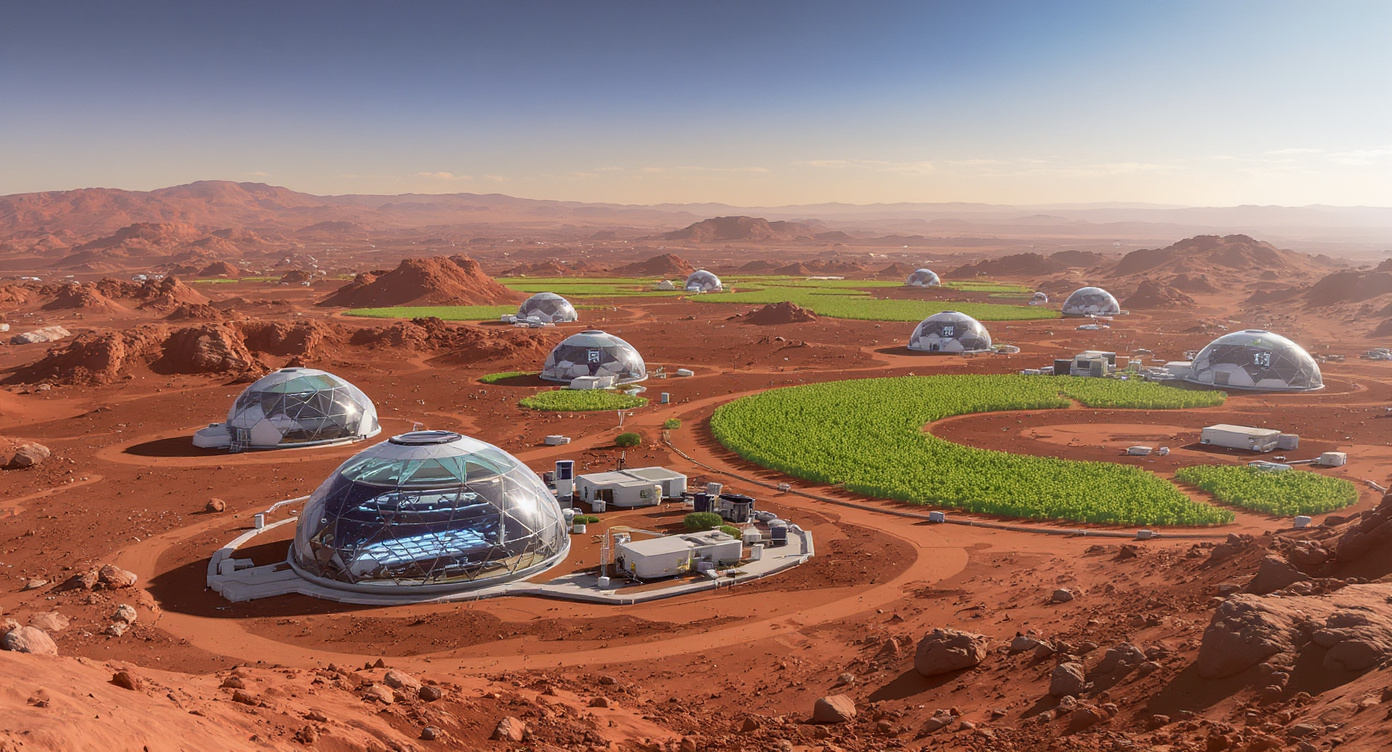
Scientists have developed a step-by-step plan to create an oxygen-rich, breathable atmosphere on Mars by utilizing local resources and photosynthesis. Implementing this plan on a planetary scale could take thousands of years.
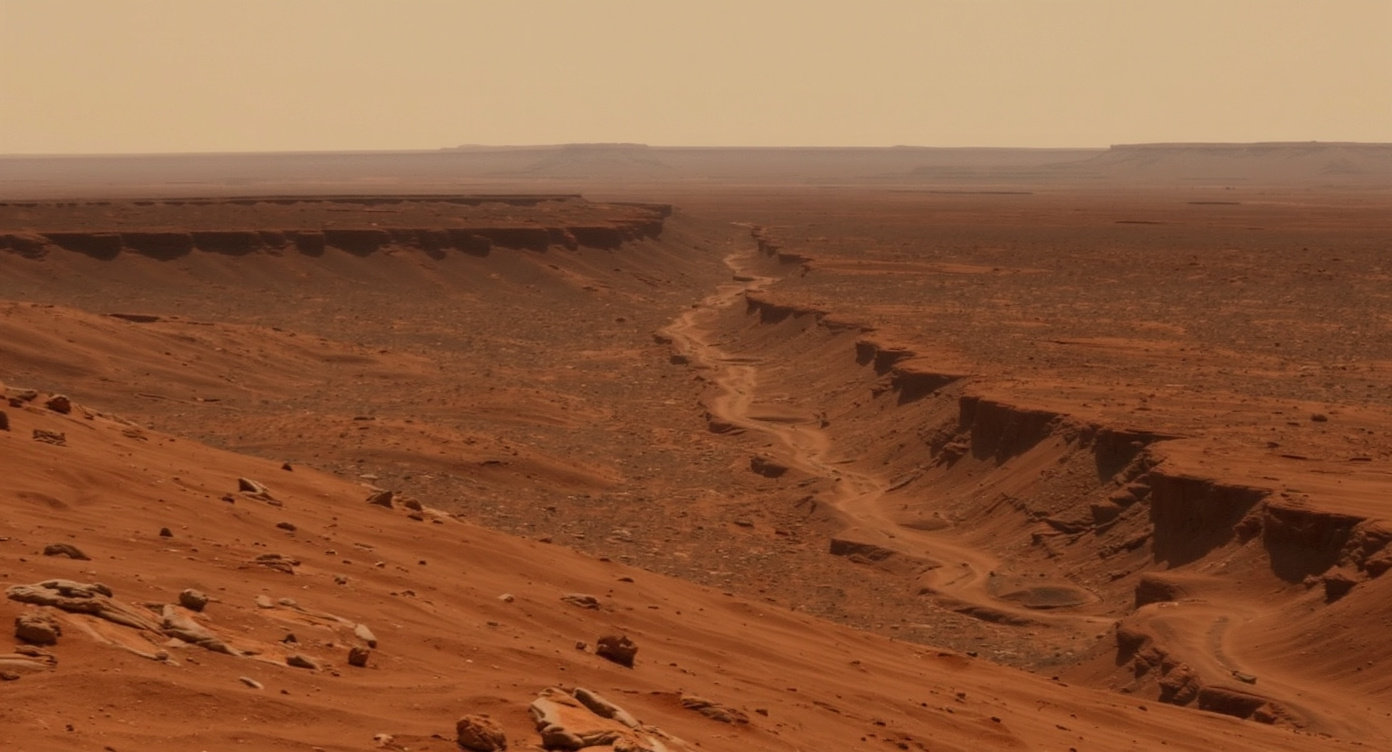
Gullies have been discovered on Mars that resemble those found on Earth, but scientists are skeptical that they were formed by water. A new study suggests that these features may have been created by landslides of dry sand and dust.
Chemical traces have been detected in Venus's atmosphere, indicating frequent and intense lightning hidden beneath its thick clouds. Scientists are discussing the possible origins of these phenomena and their role in the planet's chemistry.

 Cursus