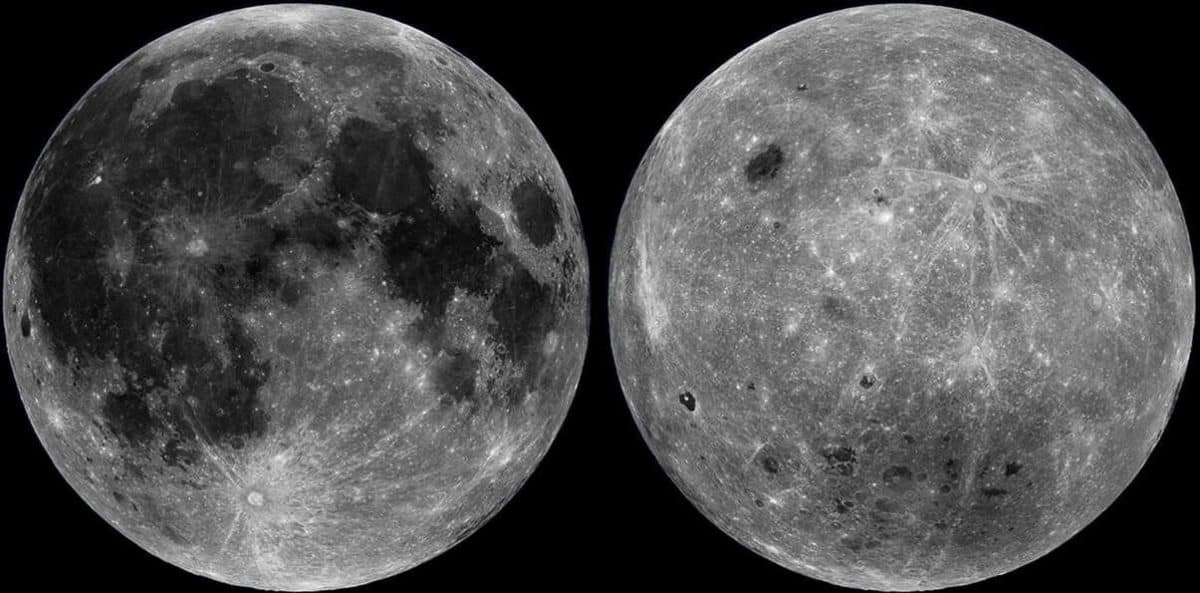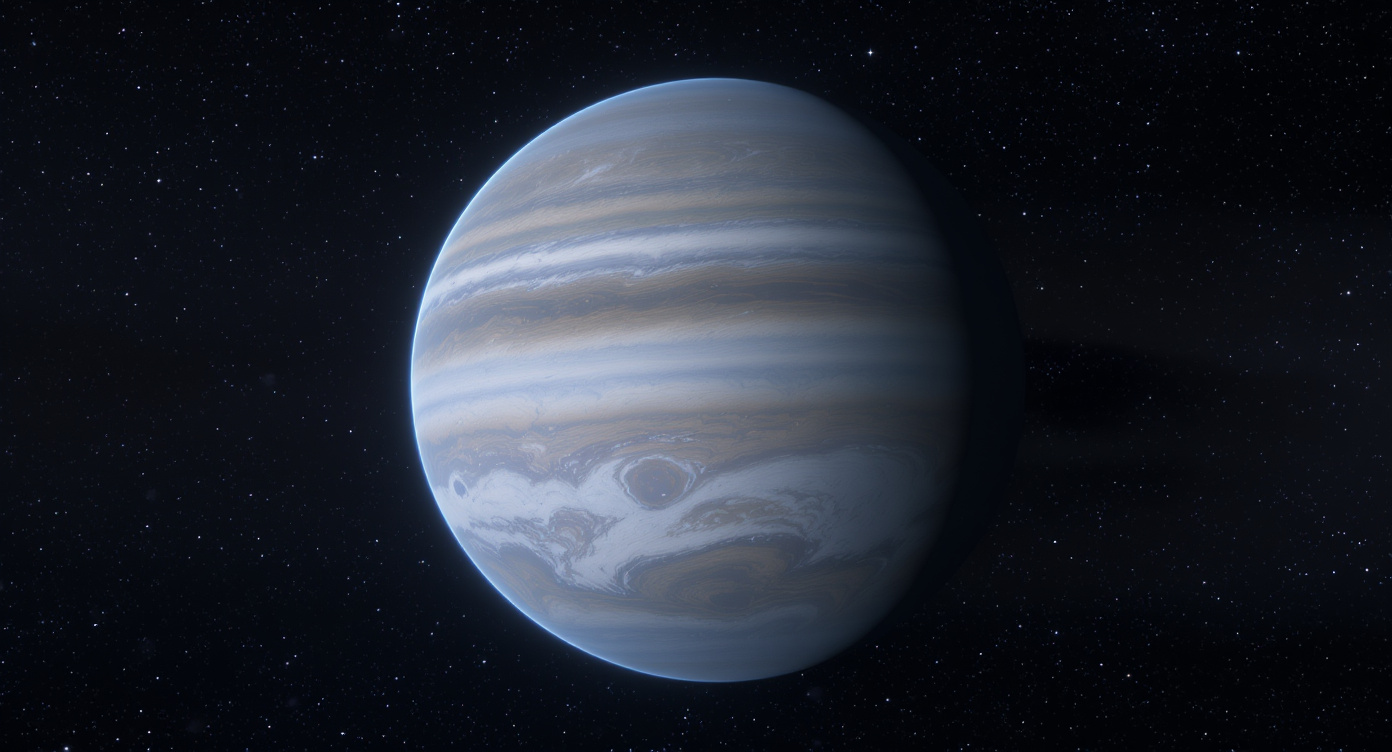
Cover generated by AI
 Cursus
The James Webb Telescope has discovered a unique exoplanet.
Astronomers using the James Webb Telescope have discovered the exoplanet L 98-59 d, which has a dense atmosphere and a magma ocean, located 35 light-years from Earth. This discovery expands the possibilities for finding new worlds in the universe.
0 —