

The James Webb Telescope has discovered a unique exoplanet.
Astronomers using the James Webb Telescope have discovered the exoplanet L 98-59 d, which has a dense atmosphere and a magma ocean, located 35 light-years from Earth. This discovery expands the possibilities for finding new worlds in the universe.
Cursus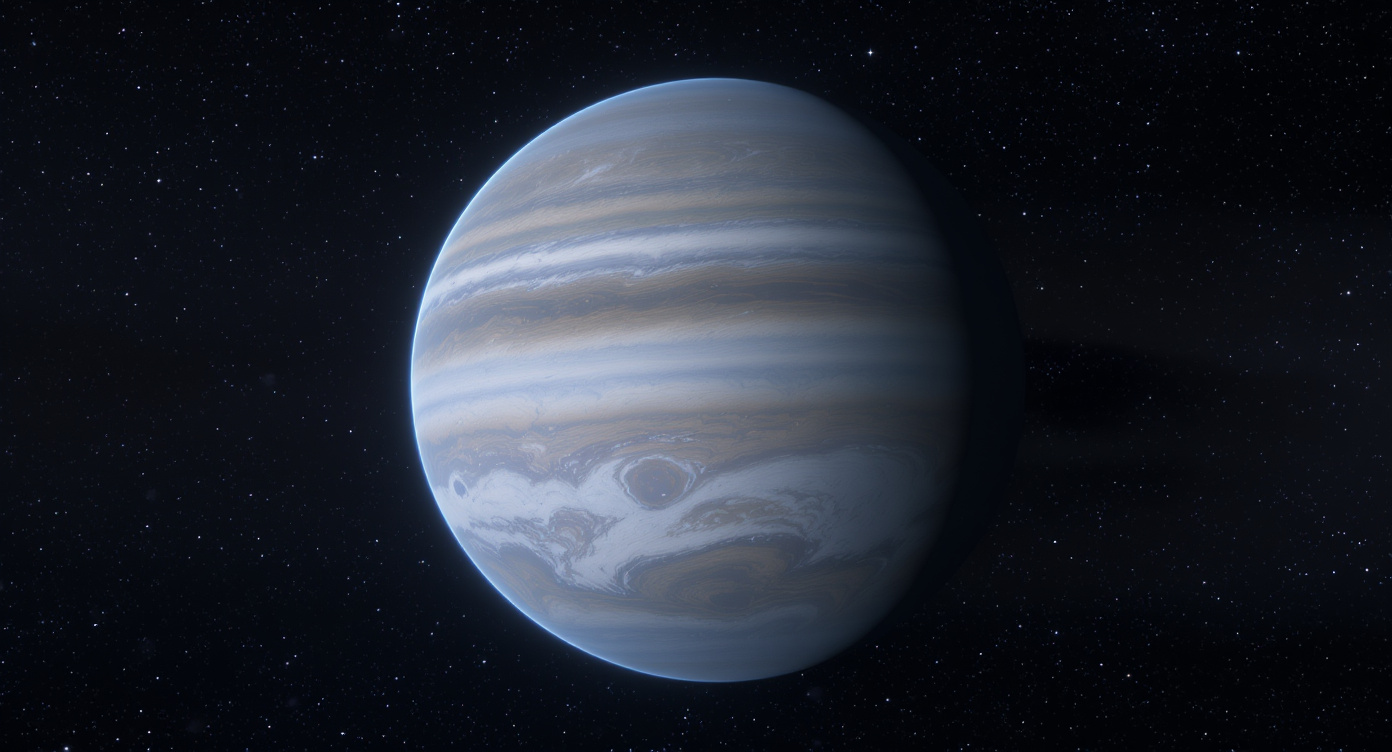
Thanks to the use of the James Webb Space Telescope, astronomers have discovered a new exoplanet located about 35 light-years from Earth. This discovery expands the possibilities for finding new worlds in the universe, especially with the help of modern telescopes.
Exploring the universe in search of exoplanets allows astronomers to make significant discoveries. Previously, using the TESS satellite, a rocky super-Earth was identified in another star system.
Recently, a study highlighted the unique exoplanet L 98-59 d. It is part of a star system that contains four other exoplanets, all situated approximately 35 light-years from Earth. The radius of L 98-59 d is about 1.6 times that of Earth, but its density is lower. According to research, this exoplanet has a dense atmosphere and a small rocky core.
To study the planet's density features, scientists used the James Webb Space Telescope. As a result, it was determined that L 98-59 d possesses a very thick atmosphere covering a vast ocean of magma. Studies show that the atmosphere plays a key role in forming this ocean.
Although much remains to be learned about this planet, scientists believe that similar worlds may exist in other galaxies as well. With various instruments, it will be possible to detect them. In particular, the upcoming launch of the PLATO space telescope will enable the discovery of new rocky exoplanets throughout the universe, helping researchers study them in greater detail.