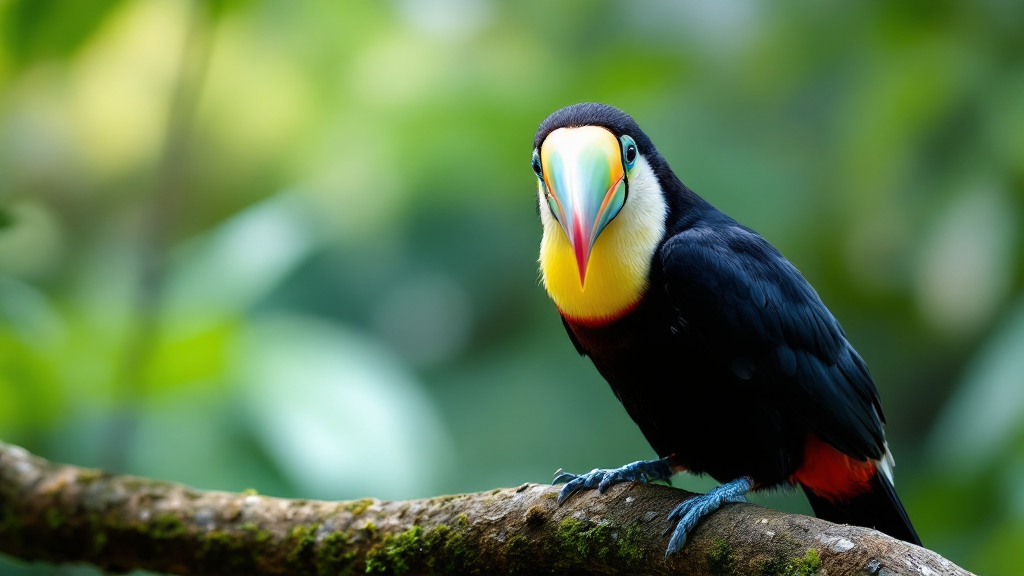
A new study has found that in most songbird species, males tend to live longer than females, especially among migratory species. Researchers link these differences to physical exertion and social dominance.
A new study has shown that the Atlantic Meridional Circulation has been weakening for nearly two decades, which could significantly impact the climate, precipitation, and sea levels in adjacent regions. Long-term observations are helping scientists better predict potential climate changes in the future.
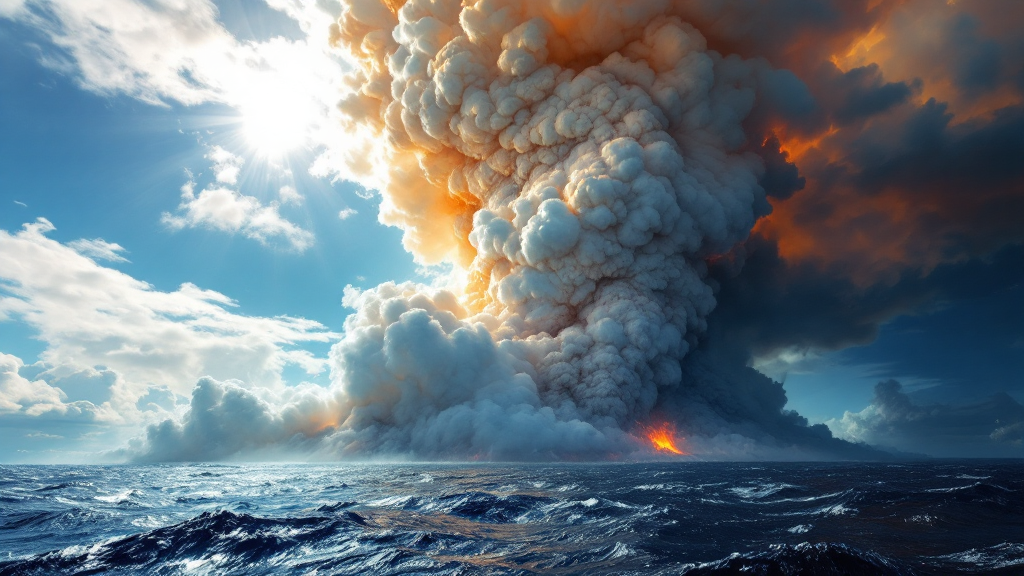
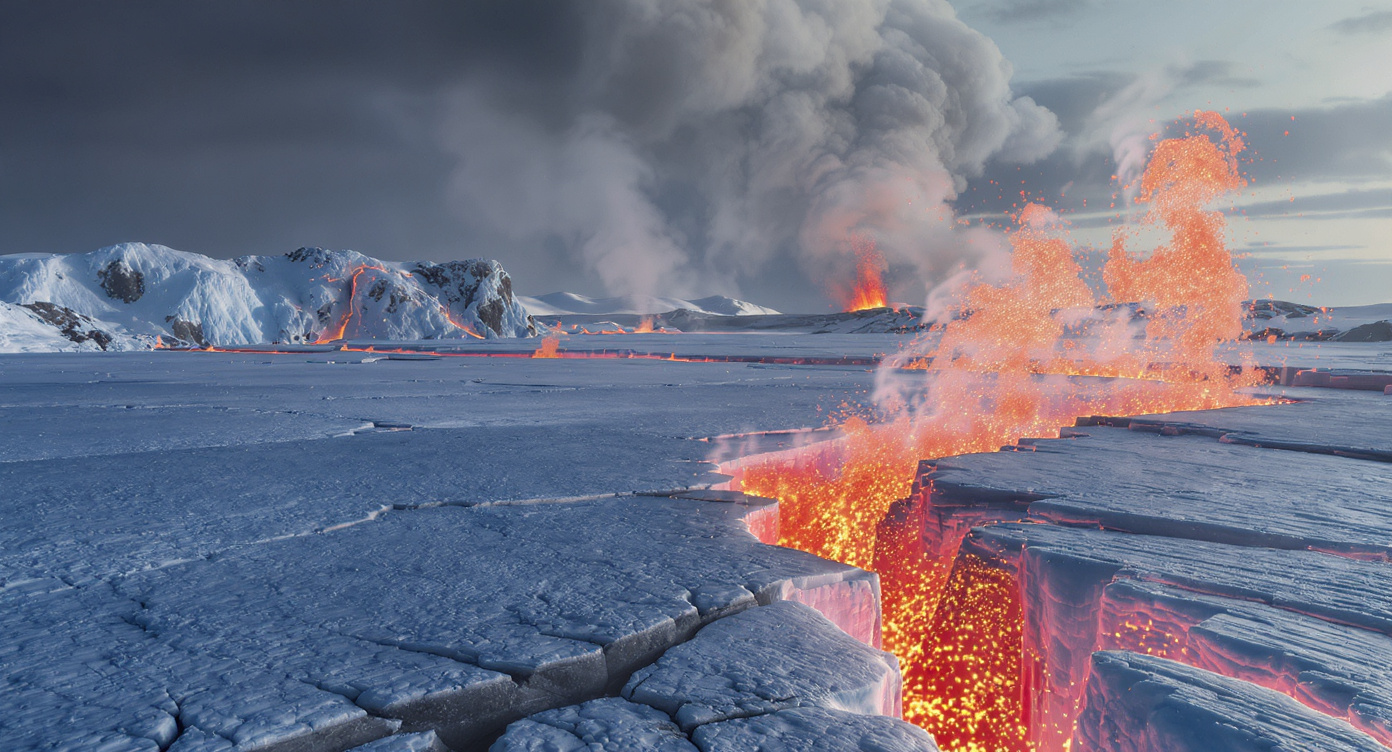
The eruption of the Hunga Tonga-Hunga Ha'apai volcano in 2022 allowed scientists to observe, for the first time, the accelerated breakdown of methane in the atmosphere caused by the interaction of volcanic ash, seawater, and sunlight. This discovery could contribute to the development of new methods for reducing methane levels and slowing global warming, though further research is needed to assess potential consequences.
A new study has shown that recent climate changes caused by human activity are weakening the climatic connection between the Indian and Pacific Oceans. This could affect the accuracy of climate forecasts and alter weather patterns in the tropics.
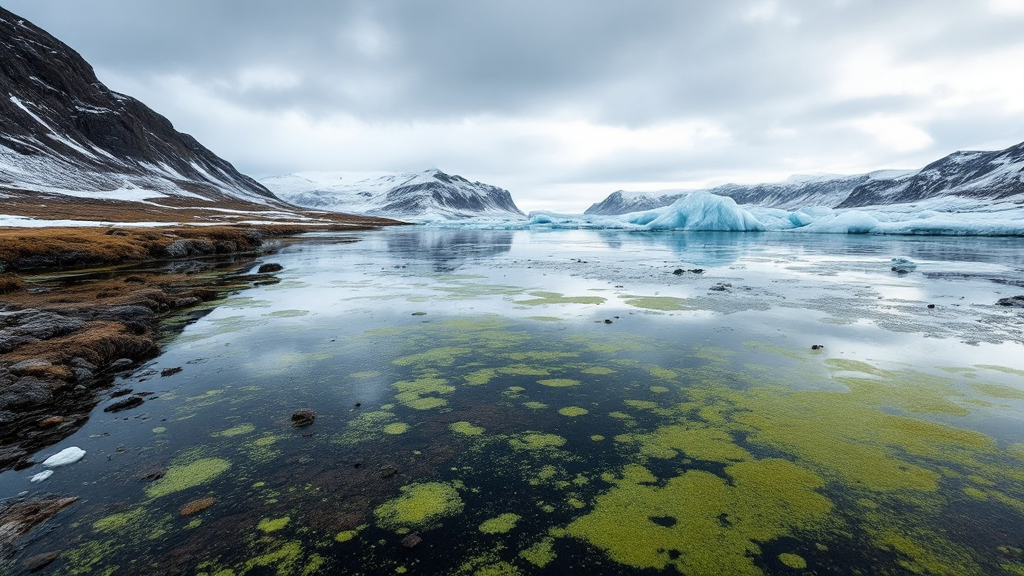
The Arctic permafrost holds vast reserves of organic carbon, which can be released into the ocean as it thaws and influence the climate. Recent studies show that only a portion of this carbon turns into greenhouse gases, while most of it remains on the ocean floor. This finding is crucial for predicting future climate changes.
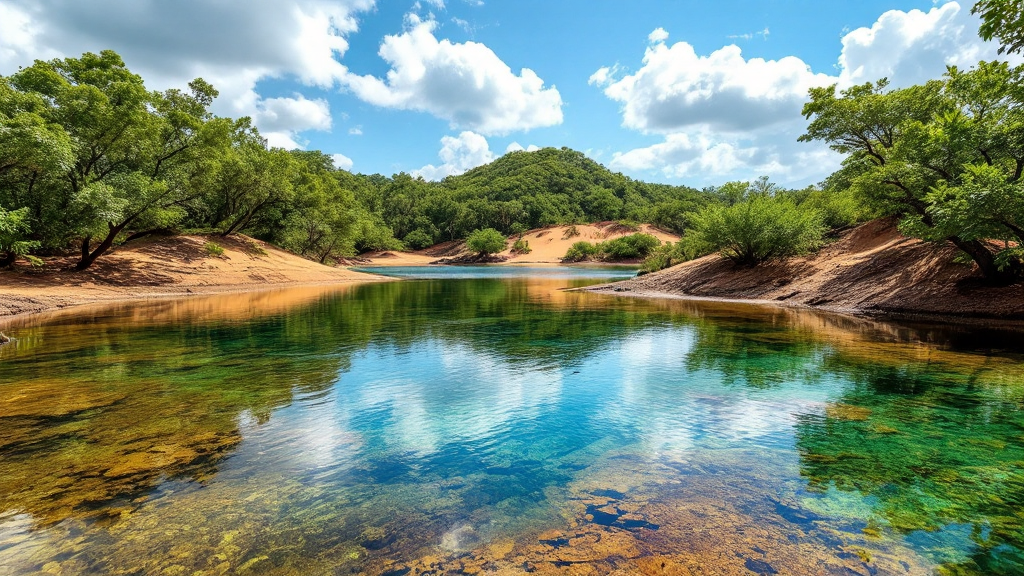
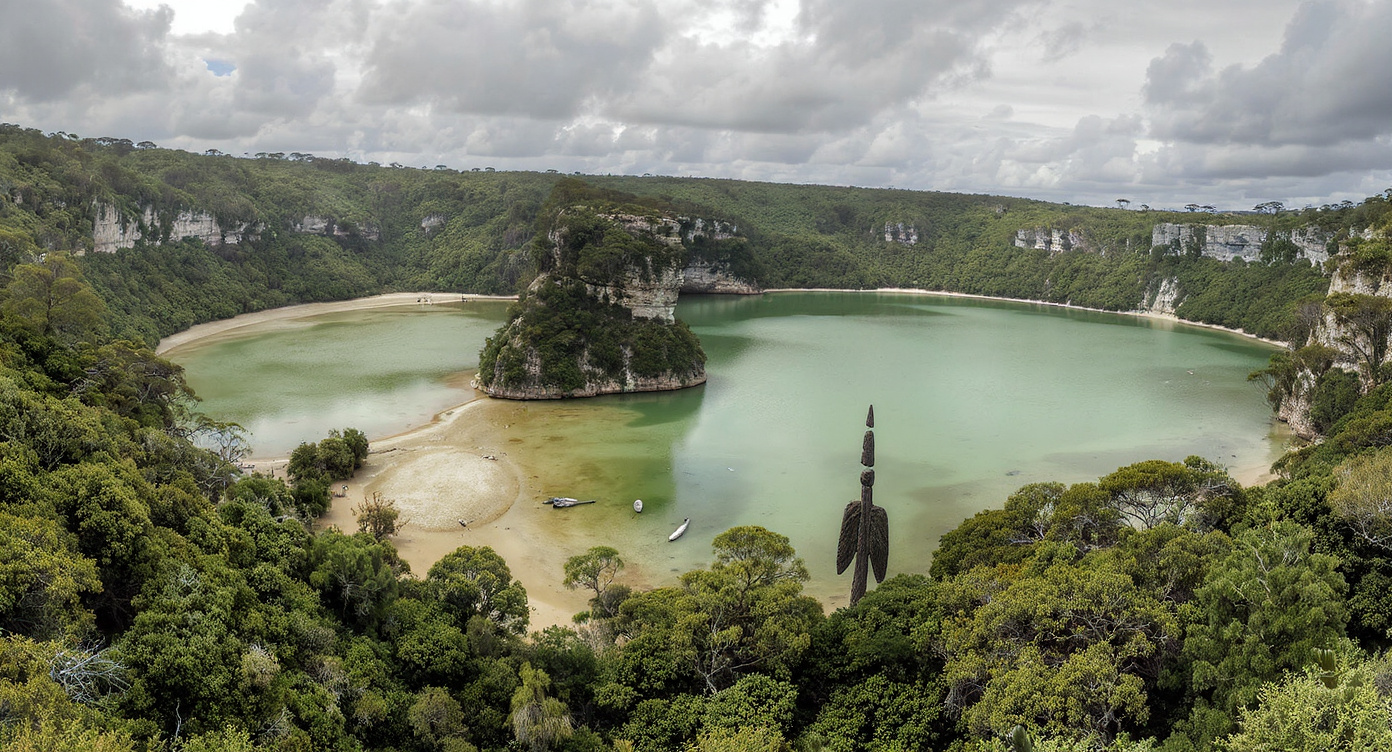
A new study has shown that even the largest lakes on K’gari Island could disappear under certain climate conditions. The fate of these bodies of water depends not only on the amount of rainfall, but also on wind direction and how rain is distributed, making their future uncertain as the climate continues to change.
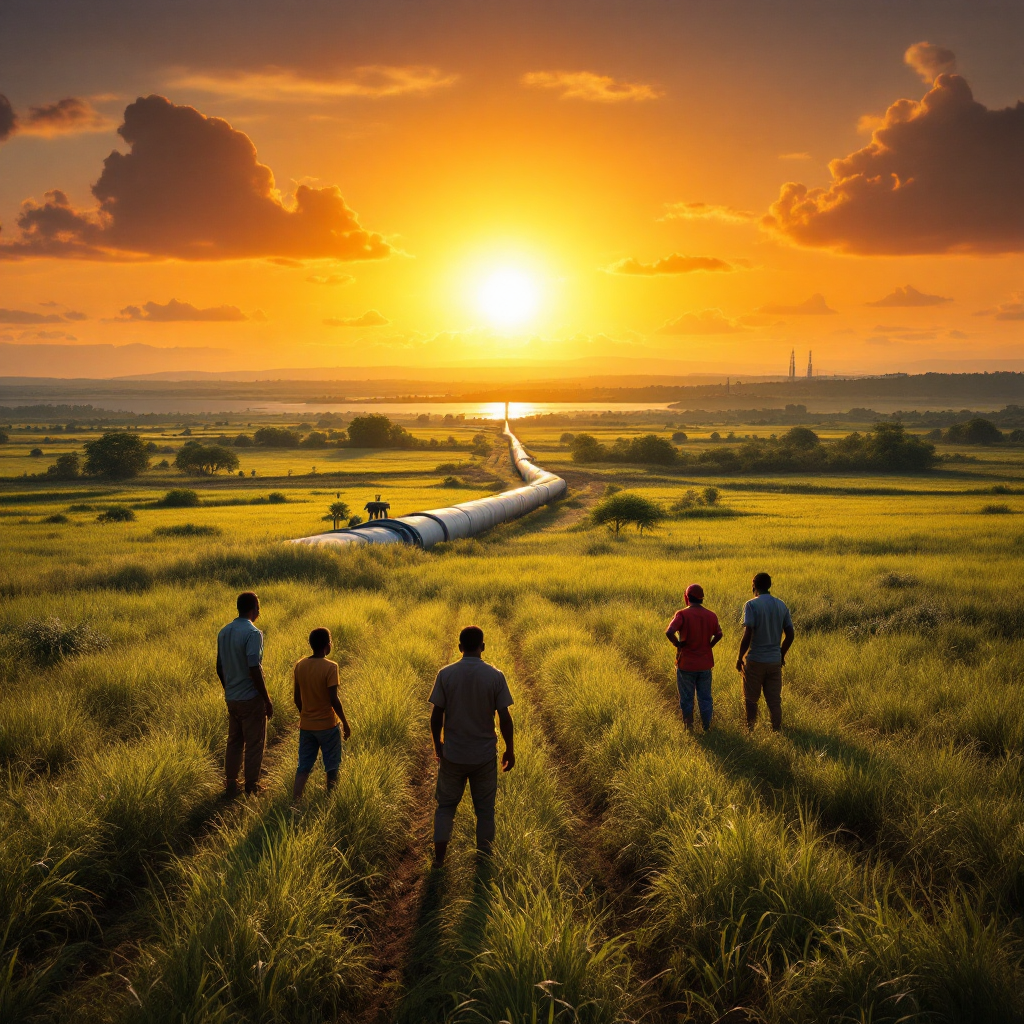
Four farmers from Uganda have filed a lawsuit in London against EACOP Ltd, demanding that Ugandan environmental laws be applied to the foreign company. They claim that the construction of the oil pipeline violates their rights and could lead to a deterioration in living conditions and the environment.
A new study shows that the abrupt cooling during the Younger Dryas period, previously linked to a meteorite impact, was most likely caused by a powerful volcanic eruption in the Northern Hemisphere. These conclusions are based on the analysis of Greenland ice cores and the chemical composition of elements found within them.
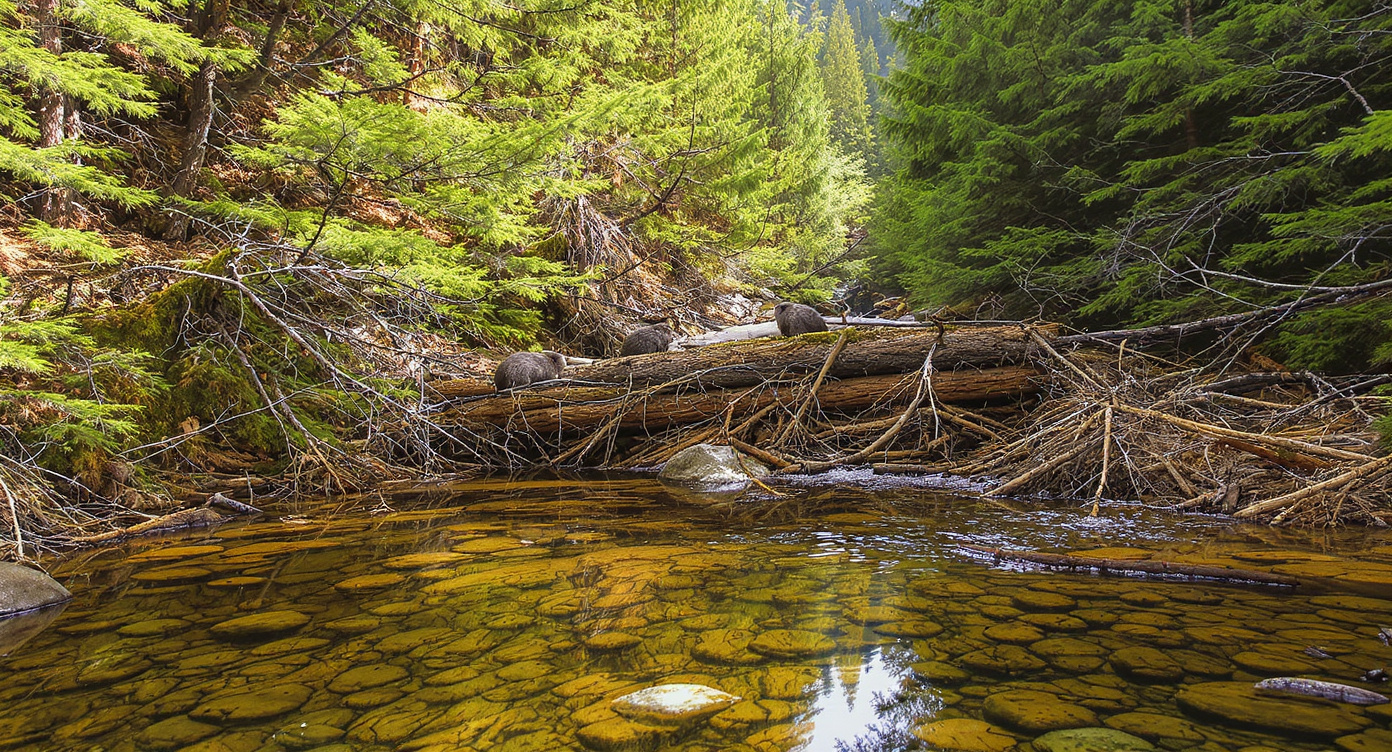
A study has shown that beaver dams enable bodies of water to store nearly 200 times more carbon than ordinary streams, thereby reducing carbon emissions into the atmosphere and oceans. Beavers alter the biogeochemistry of rivers, transforming them into highly effective carbon reservoirs.
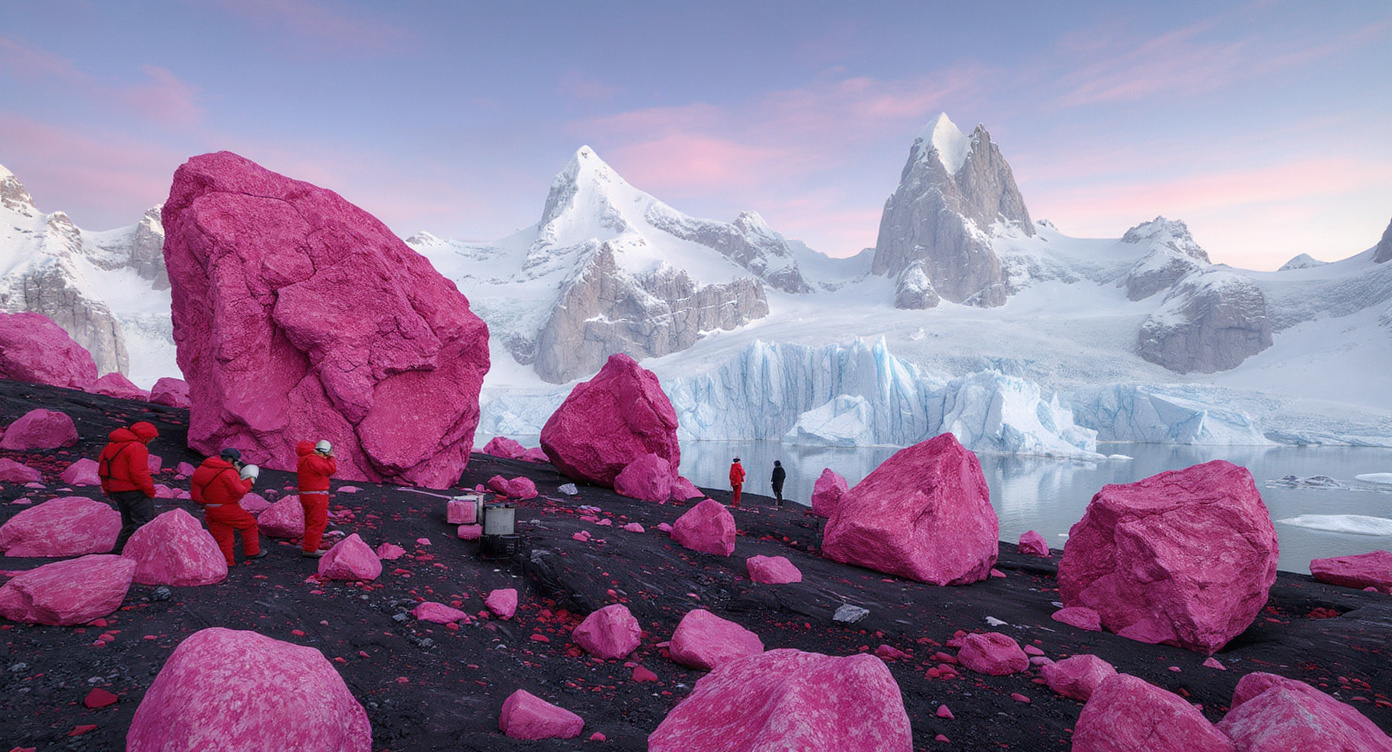
Unusual granite boulders discovered atop mountains in West Antarctica have helped scientists uncover the structure of rocks hidden beneath the ice and trace the movement history of the Pine Island Glacier. This information improves predictions about changes to the ice sheet and sea level in the context of future climate change.
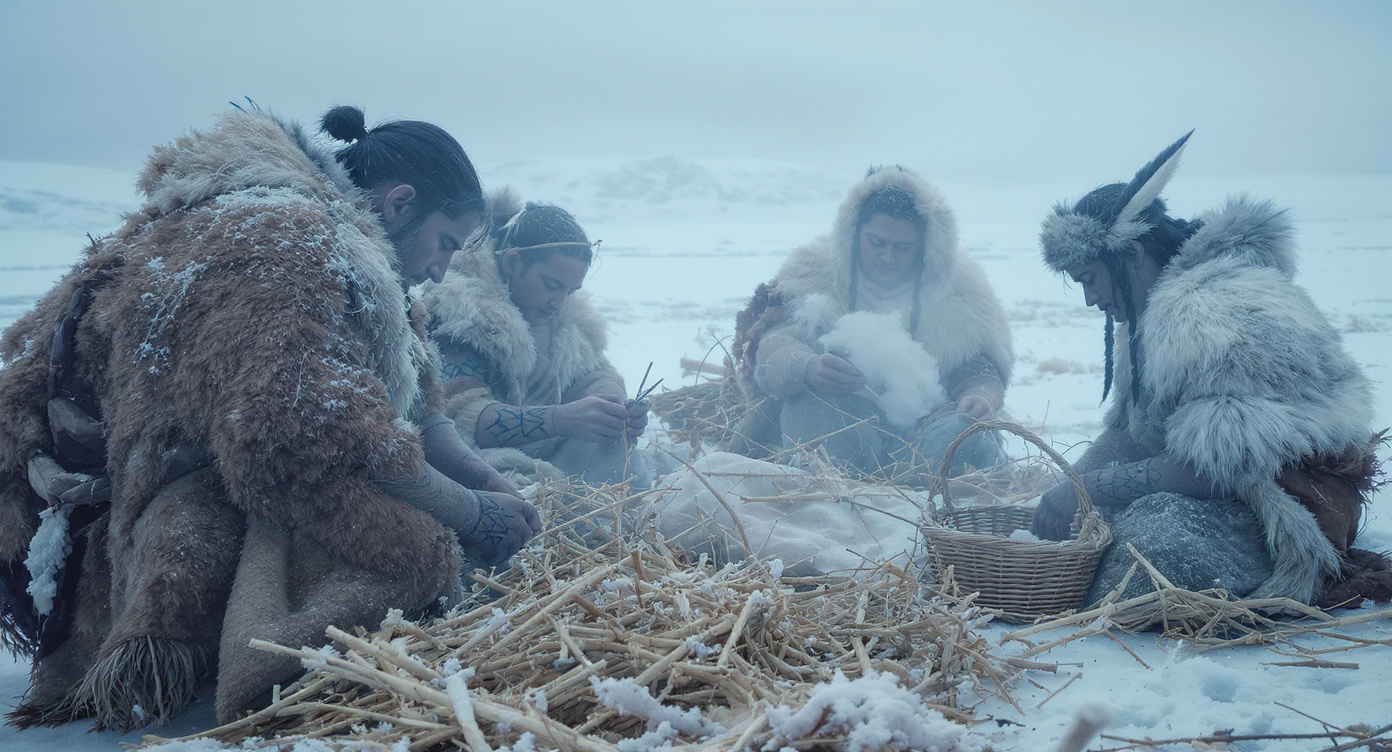
A new study reveals that needles and awls used by ancient peoples served not only for sewing clothes, but also played roles in rituals, medicine, tattooing, and weaving. Only about a third of cases were actually related to protection from the cold.
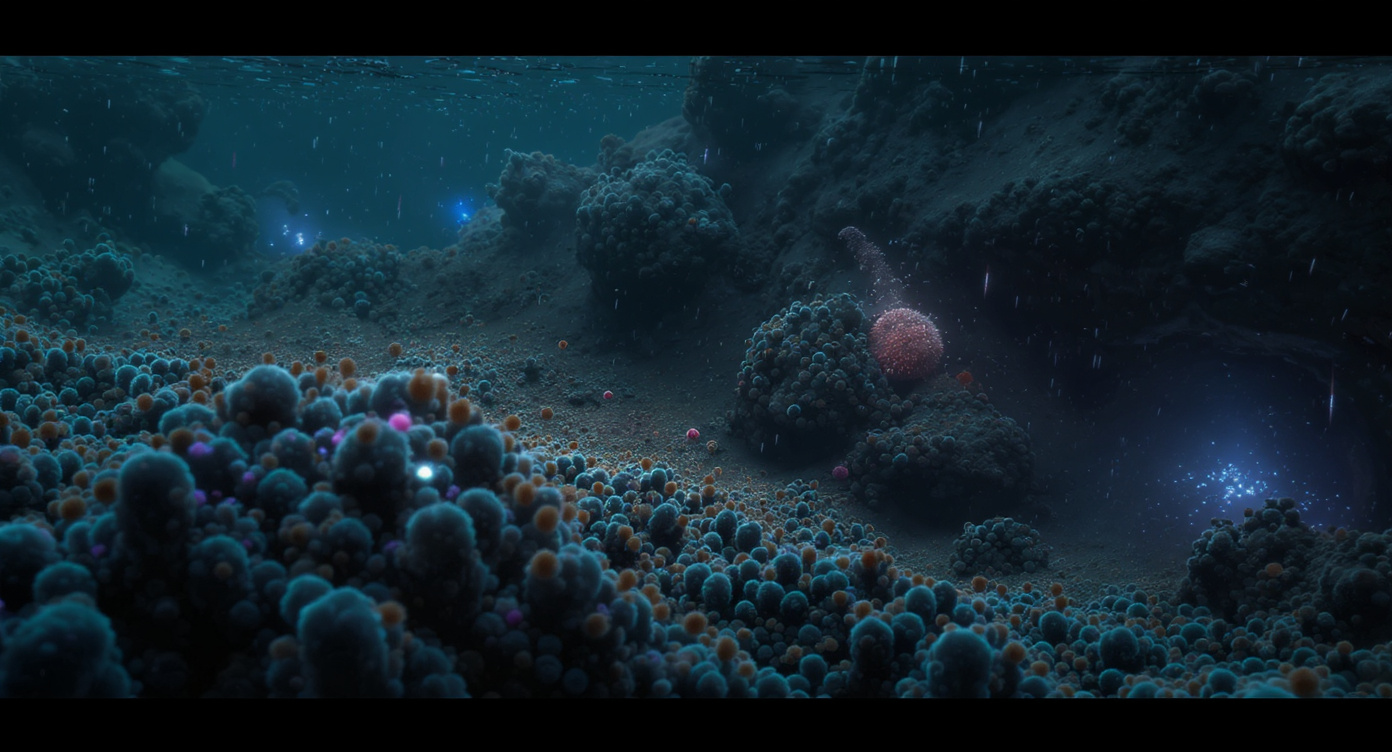
Studies show that Nitrosopumilus maritimus microbes are able to adapt to ocean warming and iron deficiency, while maintaining their crucial role in the nitrogen cycle. This adaptability may influence the biochemistry and resilience of marine ecosystems in the face of climate change.
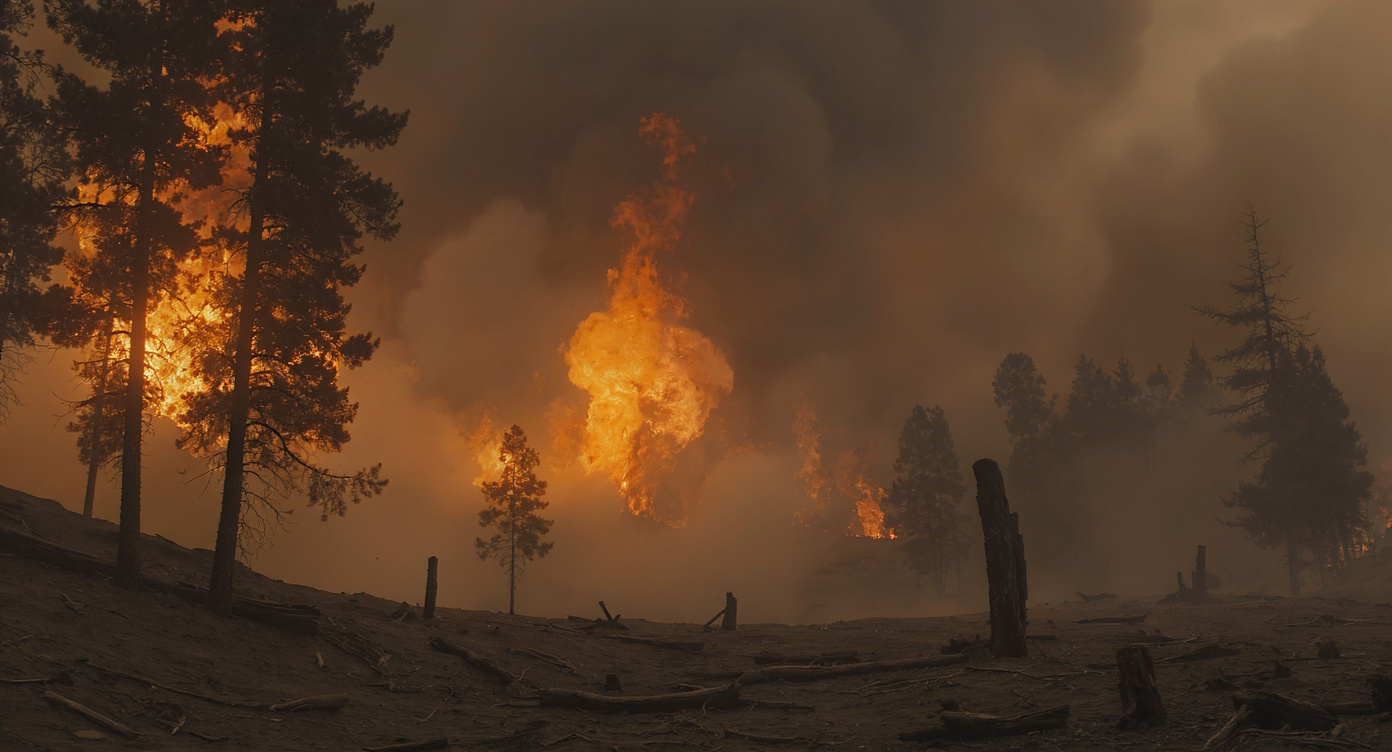
A new study has shown that wildfires in boreal forests release much more carbon into the atmosphere than previously thought, especially due to the underground burning of peatlands. This finding calls for a reassessment of climate models and risk management strategies.
A new study has revealed that some of the deep lakes on K’gari Island dried up around 7,500 years ago, despite the humid climate of that era. This discovery raises questions about the resilience of these unique freshwater bodies to future climate changes.
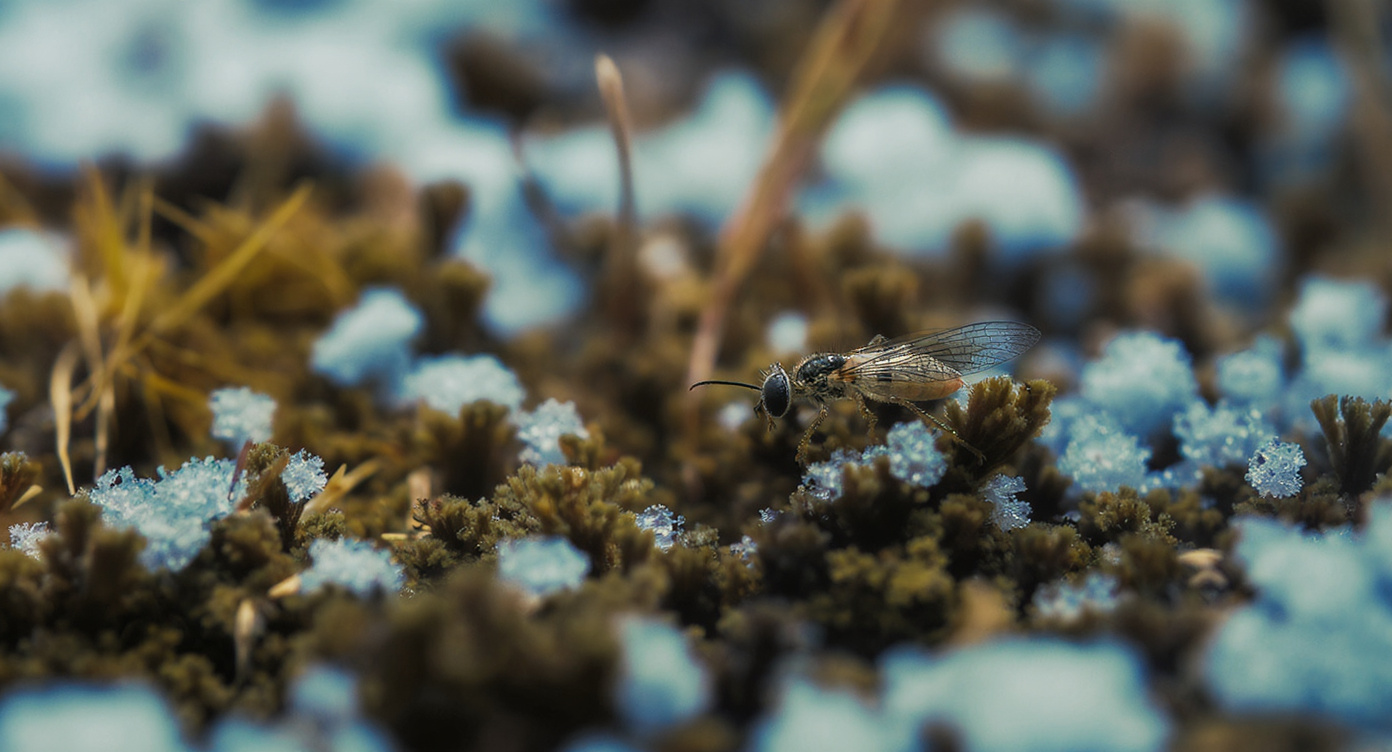
Новое исследование показало, что даже единственный коренной вид насекомых Антарктиды уже сталкивается с микропластиком. Учёные обнаружили пластиковые частицы внутри личинок Belgica antarctica, что свидетельствует о проникновении загрязнения даже в самые изолированные экосистемы планеты.

 Cursus