

The K’gari lakes have proven to be vulnerable to climate change.
A new study has revealed that some of the deep lakes on K’gari Island dried up around 7,500 years ago, despite the humid climate of that era. This discovery raises questions about the resilience of these unique freshwater bodies to future climate changes.
Natura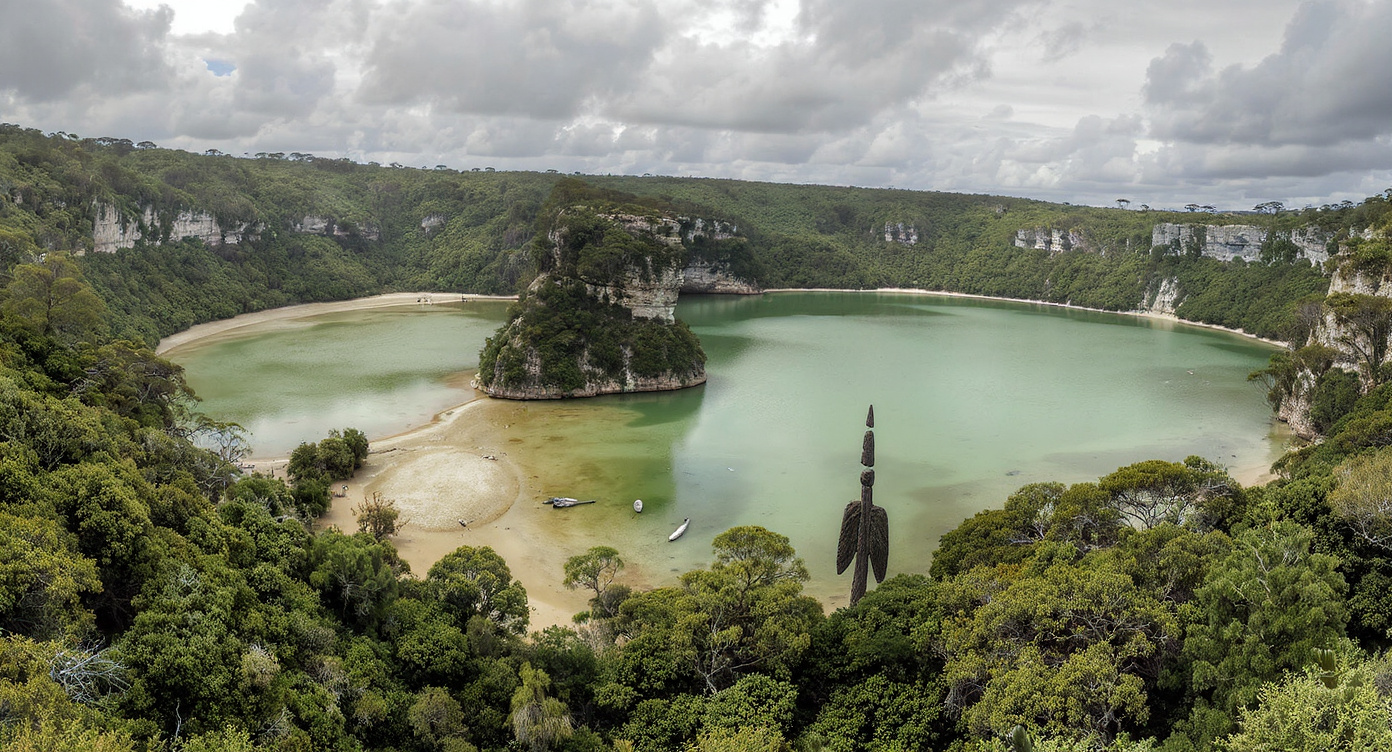
Ancient deposits indicate that some of the deepest lakes on K’gari Island dried up around 7,500 years ago, despite the humid climate of that era. This discovery raises new questions about how these world-famous freshwater bodies might respond to future climate changes.
K’gari is the largest sand island on the planet, renowned for its crystal-clear freshwater lakes. A recent study by the University of Adelaide has shown that these unique lakes may be more vulnerable to environmental changes than previously thought.
Paleoenvironmental Data
Analysis of ancient sediment layers from K’gari’s lakes, located off the southeast coast of Queensland, revealed evidence of a significant drying period about 7,500 years ago, during the mid-Holocene. This episode occurred during a time of increased rainfall and long after the end of the last ice age. While such dry periods are not uncommon in Australia, this case stands out because it happened during a relatively wet phase compared to today.
Many Australian lakes dried up during the Millennium Drought due to a lack of rainfall, but according to research, K’gari’s lakes—which have existed for 35,000 to 55,000 years—experienced drying specifically during a period of abundant rain.
Causes of Drying
Researchers suggest that changes in wind systems may have played a key role. Regional wind patterns likely influenced how rainfall was distributed, resulting in uneven precipitation. For example, at that time, southeasterly trade winds helped direct rain from the south to fill the Minjerribah lakes, but not those on K’gari. These findings raise important questions about how K’gari’s lakes might respond to future climate shifts, especially as drier conditions with more intense rainfall are expected.
Research Methods
The team identified the ancient drying event by detecting a significant gap in the sediment layers of some of the island’s oldest lakes. Layers of pollen preserved in the mud reveal what plants grew nearby, while increased sand content points to heightened erosion. The complete absence of sediment layers indicates more abrupt changes. The study found that sediments were missing in some K’gari lakes between 7,500 and 5,500 years ago, suggesting the lakes disappeared during this period.
Cultural Significance
For the Butchulla people, the traditional custodians of these lands, the lakes are known as the Eyes of K’gari and hold deep cultural importance. These water bodies are considered not only natural features but also part of spiritual heritage that must be protected for future generations.
Conclusions
The discovery of an ancient drying episode in K’gari’s lakes highlights the need for further research to understand their resilience to climate change. As the climate continues to shift, it remains uncertain how vulnerable these unique lakes may be to the risk of disappearing in the future.