A new study has shown that the Atlantic Meridional Circulation has been weakening for nearly two decades, which could significantly impact the climate, precipitation, and sea levels in adjacent regions. Long-term observations are helping scientists better predict potential climate changes in the future.
A new study has shown that warming in the United States is uneven: different regions are experiencing changes in extreme temperatures, not just in average values. This calls for tailored approaches to adaptation and climate policy.
Studies of the niobium-rhenium (NbRe) alloy have revealed signs of rare triplet superconductivity, which enables the transmission of both electrical and spin signals without energy loss. This discovery could bring us closer to creating energy-efficient quantum computers that operate at higher temperatures.
A new study has shown that the main factor behind the slipperiness of ice is the heating of its surface caused by friction, which leads to the formation of a thin layer of water. This finding brings together previous theories and explains how friction depends on speed.
A new study has shown that raising groundwater levels in Arctic peatlands significantly reduces CO2 emissions without increasing methane or nitrous oxide emissions. Effective emissions management requires a comprehensive approach that takes into account local conditions and agricultural practices.
The James Webb Space Telescope has, for the first time, created a three-dimensional map of the auroras on Uranus, allowing scientists to study the planet's atmosphere and magnetosphere in unprecedented detail. The new data confirm previous observations and open up new possibilities for further research on ice giants.
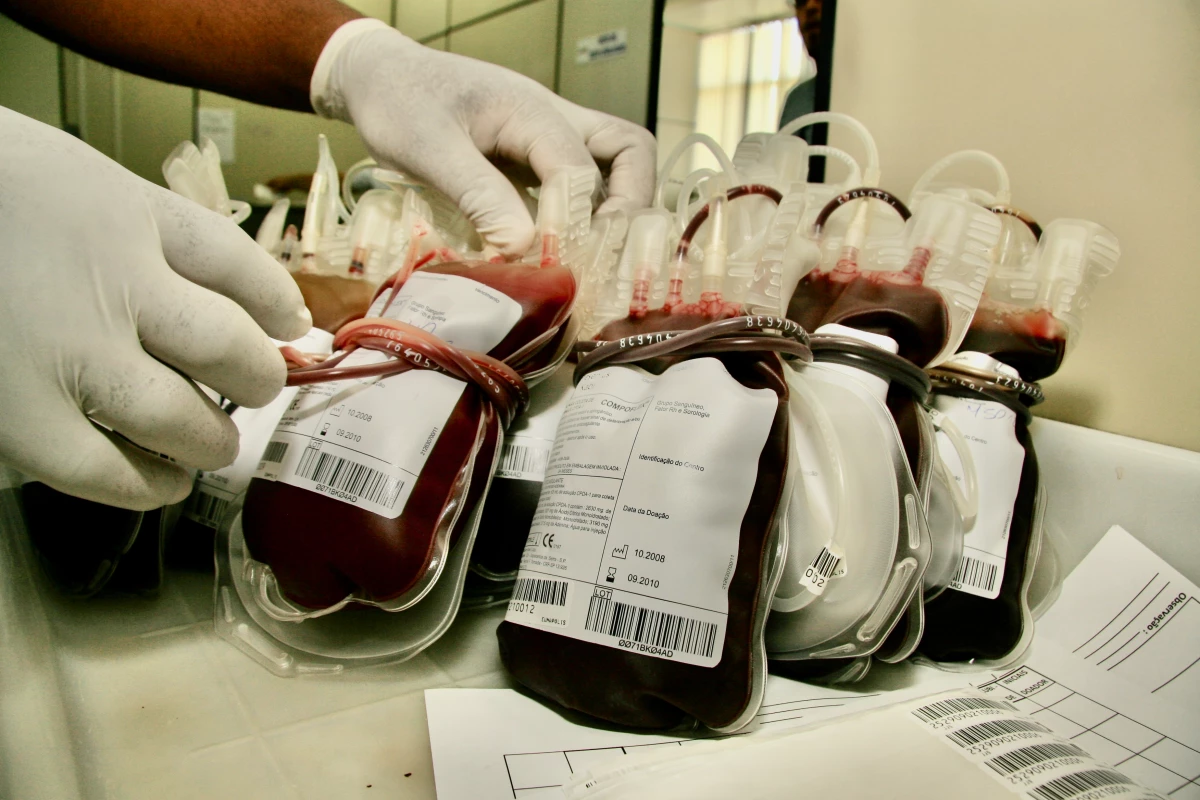
American researchers have developed a compact device that allows for quick and accurate assessment of donor blood quality before transfusion. This technology helps identify individual differences and predict the effectiveness of treatment.
In 2025, the world’s oceans reached record levels of heat accumulation, intensifying extreme weather events and impacting the global climate system. The study highlights the urgent need to reduce emissions and take collective action to preserve a stable and favorable climate.
Every year, around five million people die due to abnormal temperatures, but such deaths are often not linked to the weather. A new study has shown that air conditioning in nursing homes significantly reduces mortality among the elderly during heatwaves.
A new study has shown that avian influenza viruses are capable of reproducing even at high temperatures, which reduces the effectiveness of fever as a protective mechanism in humans. This explains the severe course of the disease and highlights the importance of epidemiological surveillance for new strains.
A new study has found that heat waves in U.S. rivers are intensifying four times faster than in the atmosphere and last nearly twice as long, posing a serious threat to aquatic ecosystems and water quality.


 Natura