

A chip for rapid donor blood quality testing
American researchers have developed a compact device that allows for quick and accurate assessment of donor blood quality before transfusion. This technology helps identify individual differences and predict the effectiveness of treatment.
Salus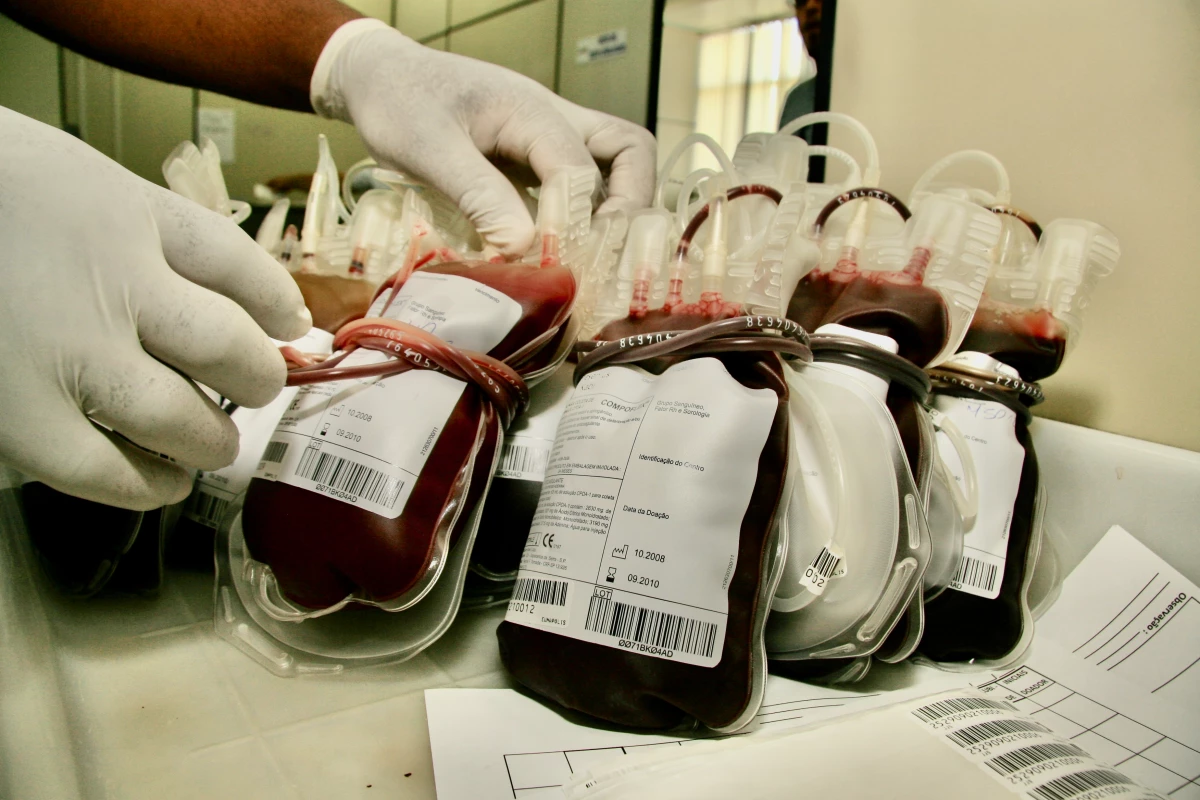
Every year, millions of people donate blood, helping to save countless lives. After donation, plasma and leukocytes are separated from the red blood cells—these red blood cells are most often used for transfusions. In most countries, red blood cells are stored in refrigerators as a liquid solution for up to 42 days.
How Donor Blood Ages
Over time, red blood cells undergo structural changes: their membranes become less stable, and harmful metabolic byproducts accumulate. As a result, the red blood cell solution gradually loses its suitability for transfusion, and after six weeks, it can no longer be used.
However, even under identical storage conditions and for the same duration, not all donor blood ages at the same rate. The quality of red blood cells and the speed at which they deteriorate can vary significantly depending on the donor’s metabolism, lifestyle, weight, sex, and age. These differences often go unnoticed in hospitals and blood centers because there are no quick and accessible methods to assess blood quality right before transfusion.
A New Device for Assessing Blood Quality
Researchers from the University of Colorado Boulder and the University of Colorado Anschutz have developed a compact, affordable, and easy-to-use device that can address this problem.
“Our goal is to create a coin-sized chip that can be connected to a mobile phone,” explains Xiaoyun Ding, an associate professor of mechanical engineering at Boulder. “It will use the phone’s camera and a special app to deliver results in just two minutes.”
How the Chip Works
The chip generates acoustic waves that act only on the top layer, where the electrodes are located. A tiny drop of blood is placed on the chip’s surface. When an electric current passes through the chip, the acoustic waves cause the red blood cells to vibrate and heat up until they break apart. This serves as a kind of mini stress test for the blood cells: the faster they break down, the lower the blood quality.
Experimental Results
During experiments, blood samples from several healthy donors were tested weekly over a 42-day period. The results showed that as blood aged, the red blood cells of some donors broke down at lower temperatures and earlier than those of others, leading to a noticeable decline in quality even before the official expiration date.
Creating vibrations on such a small chip proved to be a challenge, so the researchers also tested whether heat alone could perform this function. They carefully controlled the temperature during testing to ensure results could be accurately compared between donors and over time. However, without acoustic vibrations, it was impossible to detect individual differences in red blood cells.
Potential Applications of the Technology
This technology demonstrates that both storage time and biological differences between donors affect the quality of red blood cells. By identifying lower-quality blood samples, hospitals can use them first, ensuring more effective patient care. The device also allows for predictions about how well transfused blood will perform its functions.
Although widespread adoption of this method in medical institutions will take time, researchers hope that in the future, a similar approach can be used to measure various factors affecting blood cells or protein levels in the blood.
An article about this research was published in the latest issue of the journal Lab on a Chip.