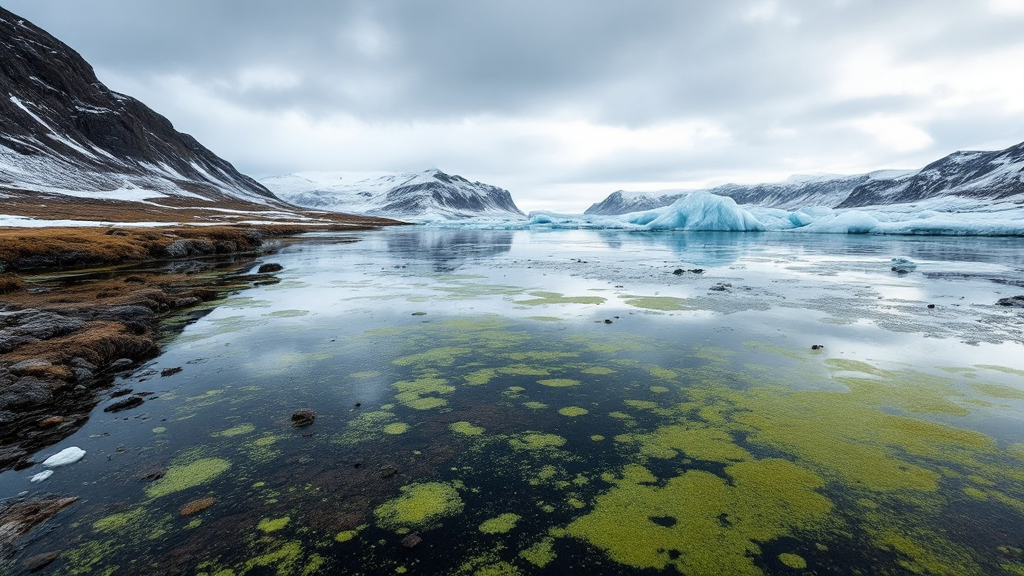
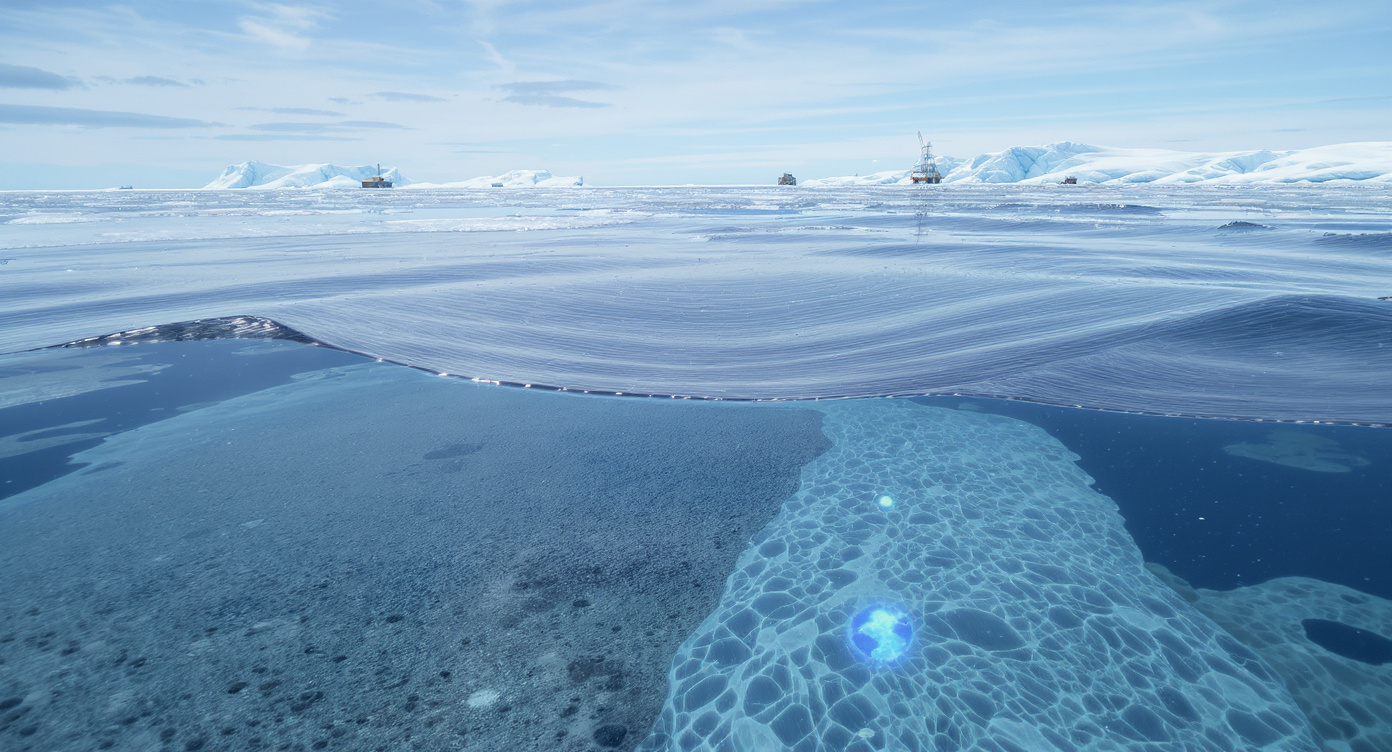
A large iceberg with an area of 76 km² has broken off from the Petermann Glacier in Greenland—the largest since 2012. Scientists continue to monitor the glacier and the possibility of new calving events using Sentinel-1 satellites.
The Arctic permafrost holds vast reserves of organic carbon, which can be released into the ocean as it thaws and influence the climate. Recent studies show that only a portion of this carbon turns into greenhouse gases, while most of it remains on the ocean floor. This finding is crucial for predicting future climate changes.
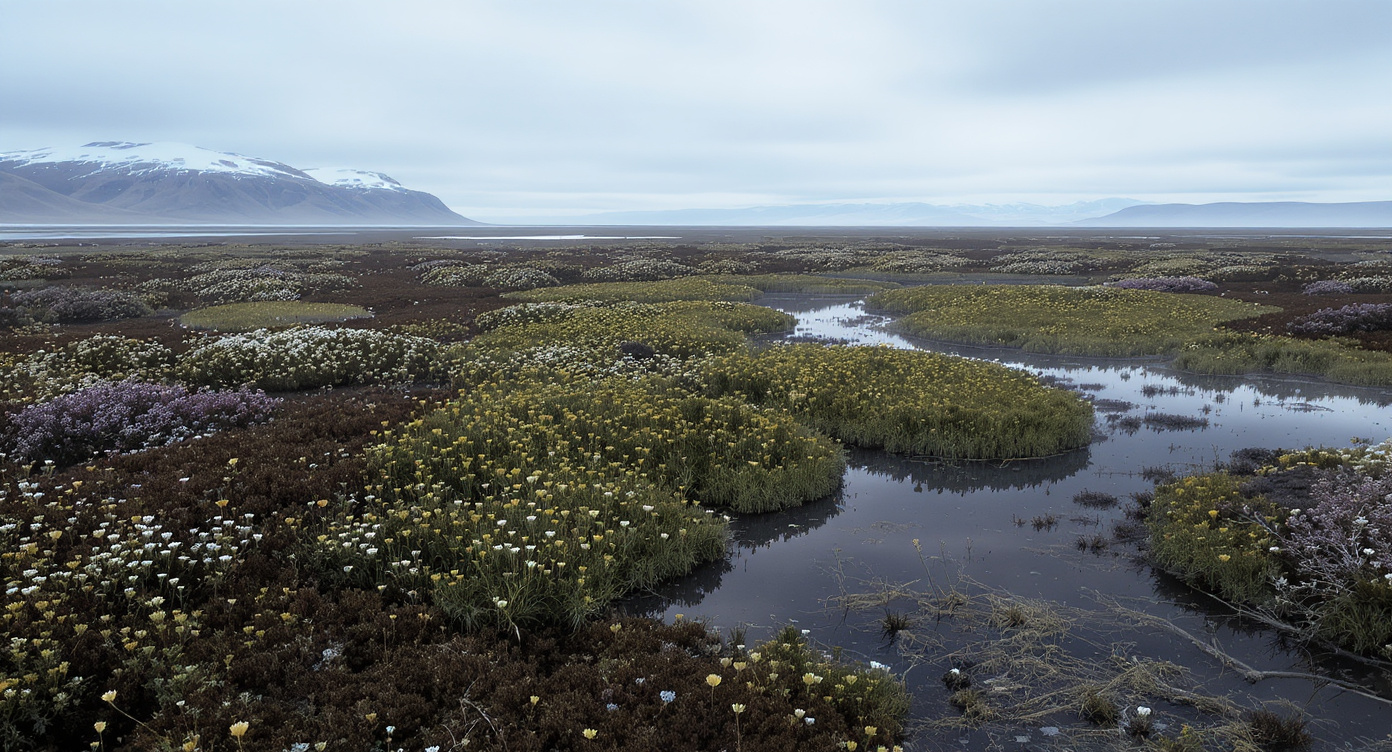
A new study has shown that raising groundwater levels in Arctic peatlands significantly reduces CO2 emissions without increasing methane or nitrous oxide emissions. Effective emissions management requires a comprehensive approach that takes into account local conditions and agricultural practices.
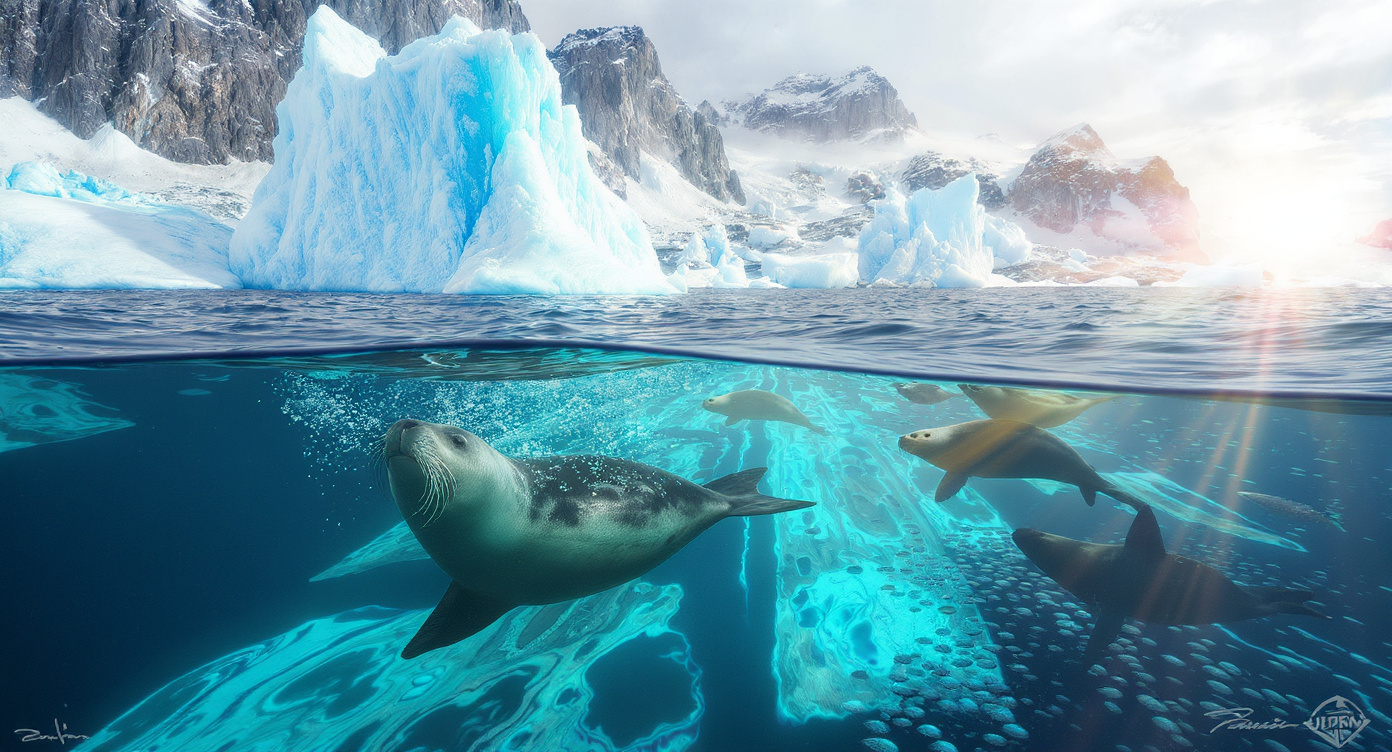
The rapid melting of Greenland's glaciers is causing the loss of rich feeding grounds for ringed seals, forcing them to switch to less nutritious food and search for new habitats. This change affects their physical condition and chances of survival.
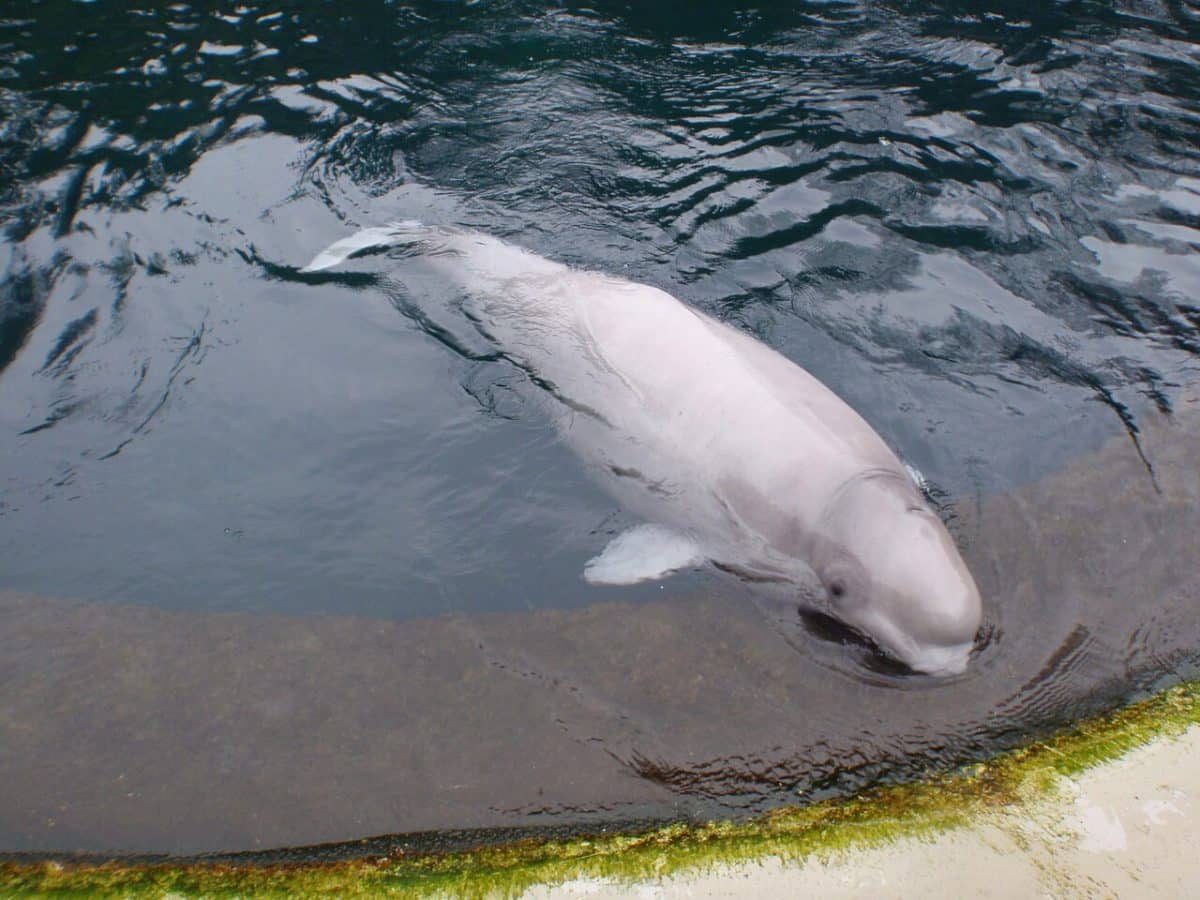
American scientists have discovered that partner switching among beluga whales helps small populations maintain genetic diversity and reduces the risks of inbreeding, thereby supporting the long-term survival of the species.
Scientists have reconstructed the history of Arctic sea ice over the past 30,000 years by analyzing cosmic dust found in marine sediments. This data helps to understand how the reduction of sea ice affects the region's ecosystems and food chains.

 Natura