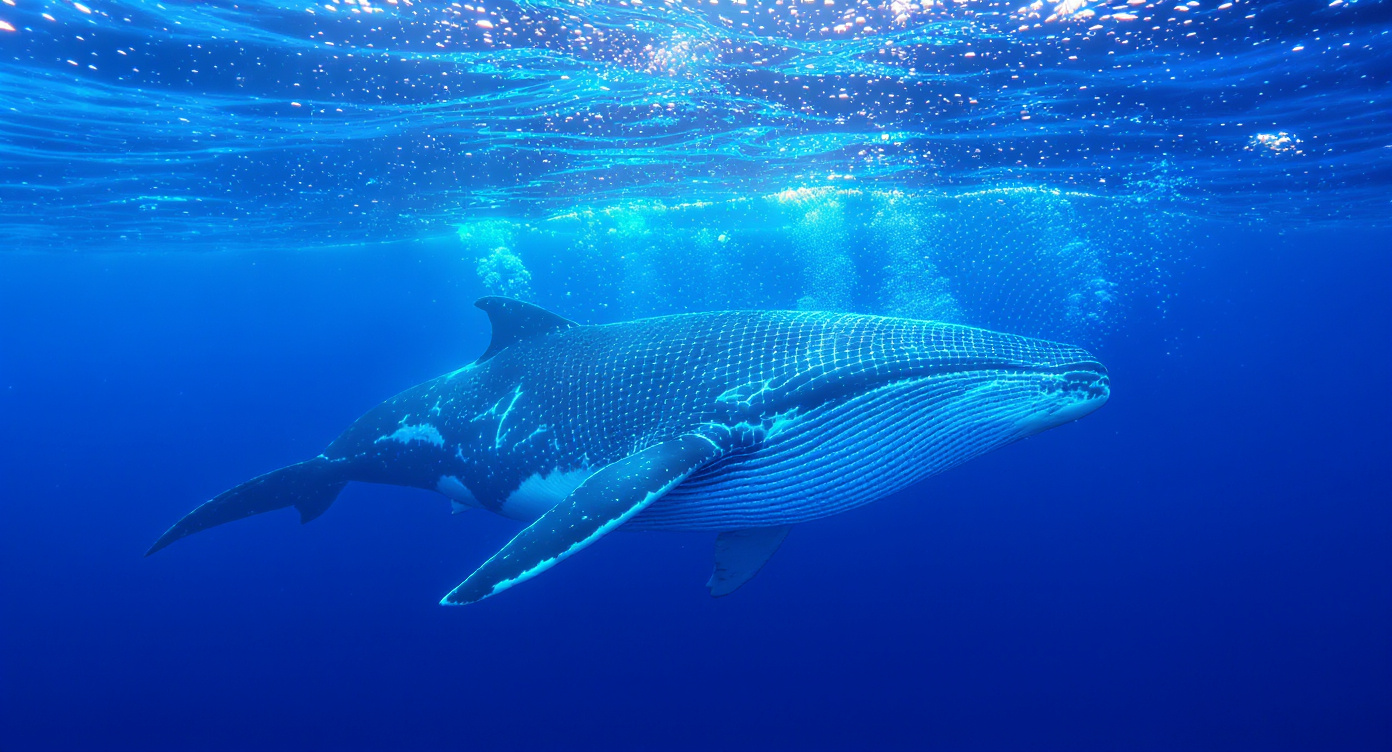
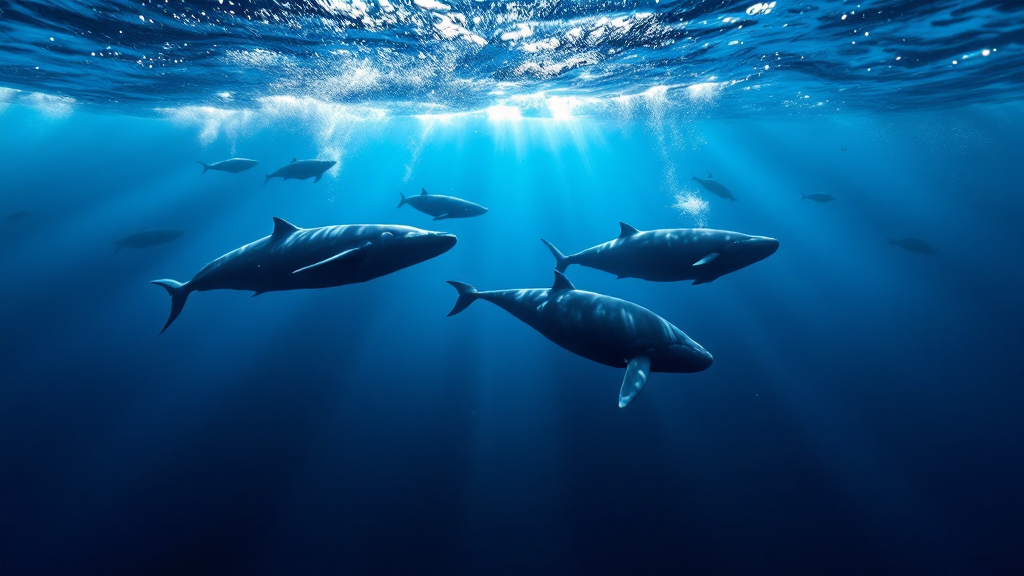
Scientists have discovered three previously unknown genotypes of Helicobacter bacteria in pygmy sperm whales, which may be linked to diseases of their gastrointestinal tract. This finding raises important questions about the impact of bacterial infections on the health of marine mammals and the overall state of ocean ecosystems.
A new study has revealed that sperm whales use a complex system of sounds that exhibit phonological patterns similar to human speech. This suggests a highly developed form of communication and notable similarities with human linguistic structures.
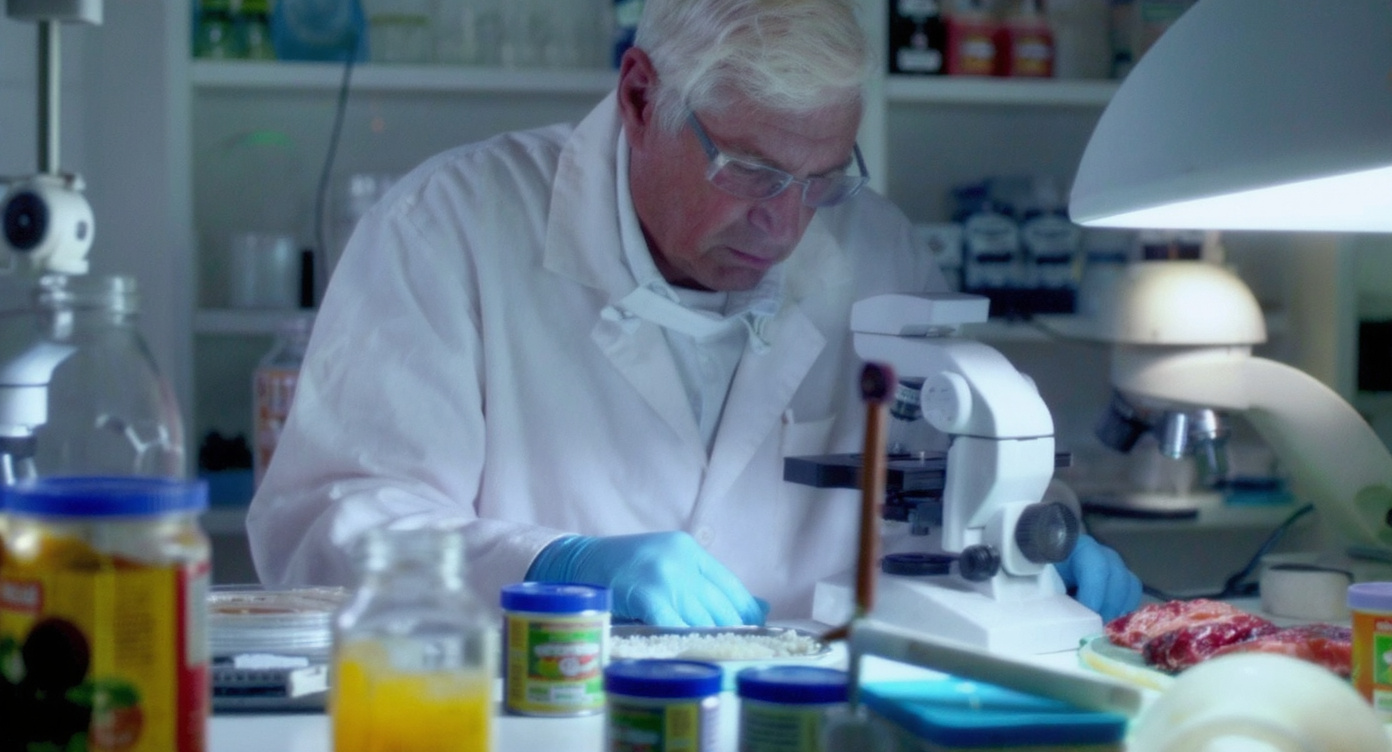
Scientists studied old canned salmon to track changes in parasites in the fish over 42 years and assess the health of Alaska's marine ecosystems. This approach helps to understand long-term trends in the ocean and the impact of environmental factors on food chains.
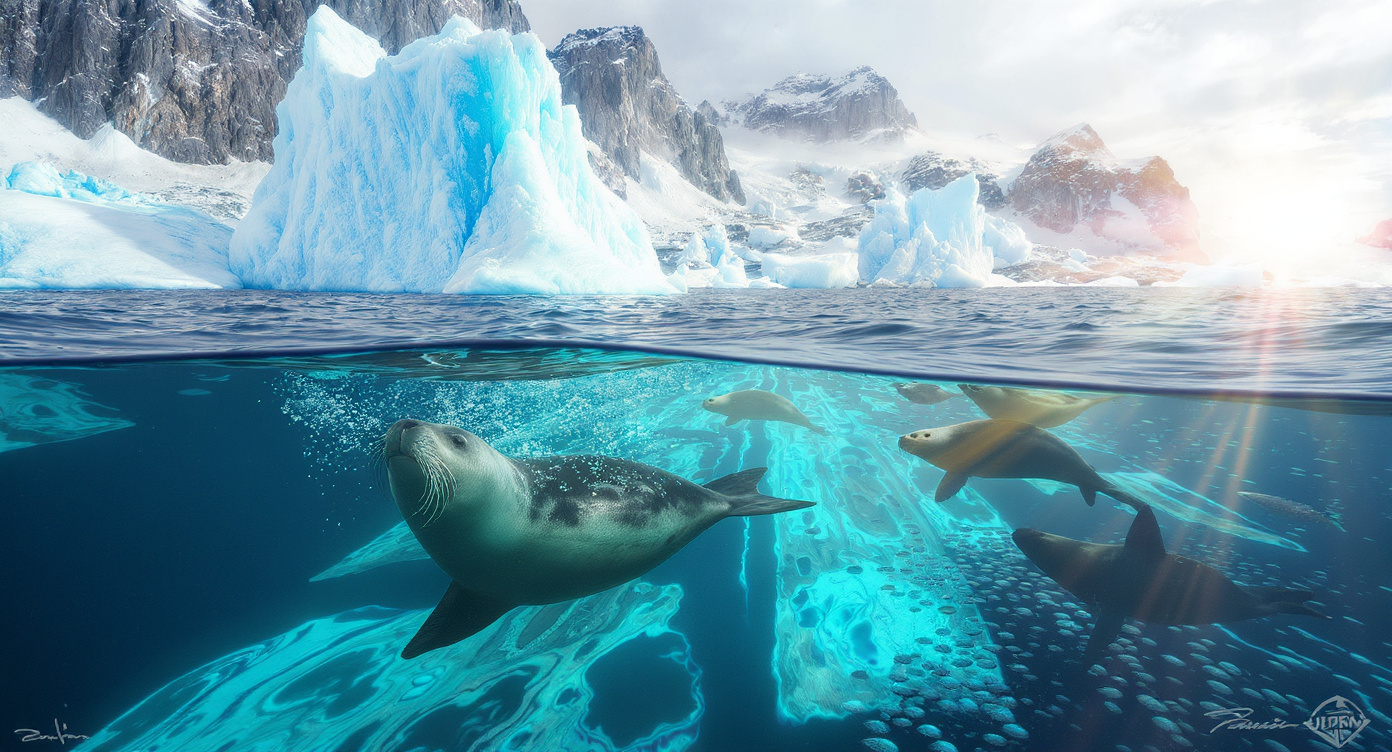
The rapid melting of Greenland's glaciers is causing the loss of rich feeding grounds for ringed seals, forcing them to switch to less nutritious food and search for new habitats. This change affects their physical condition and chances of survival.
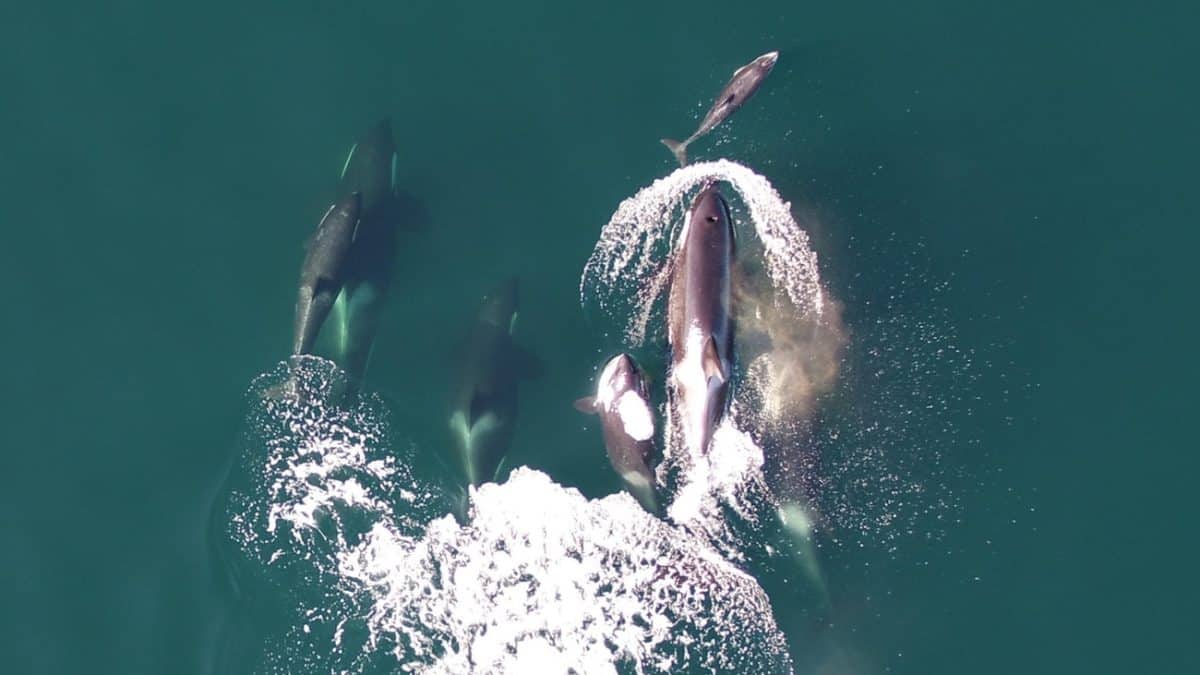
For the first time, scientists have observed orcas and dolphins hunting together for Pacific salmon off the coast of Canada. Using advanced technology, researchers discovered that these species not only coordinate their actions underwater but also share their catch, challenging previous assumptions about their interactions.

 Cursus