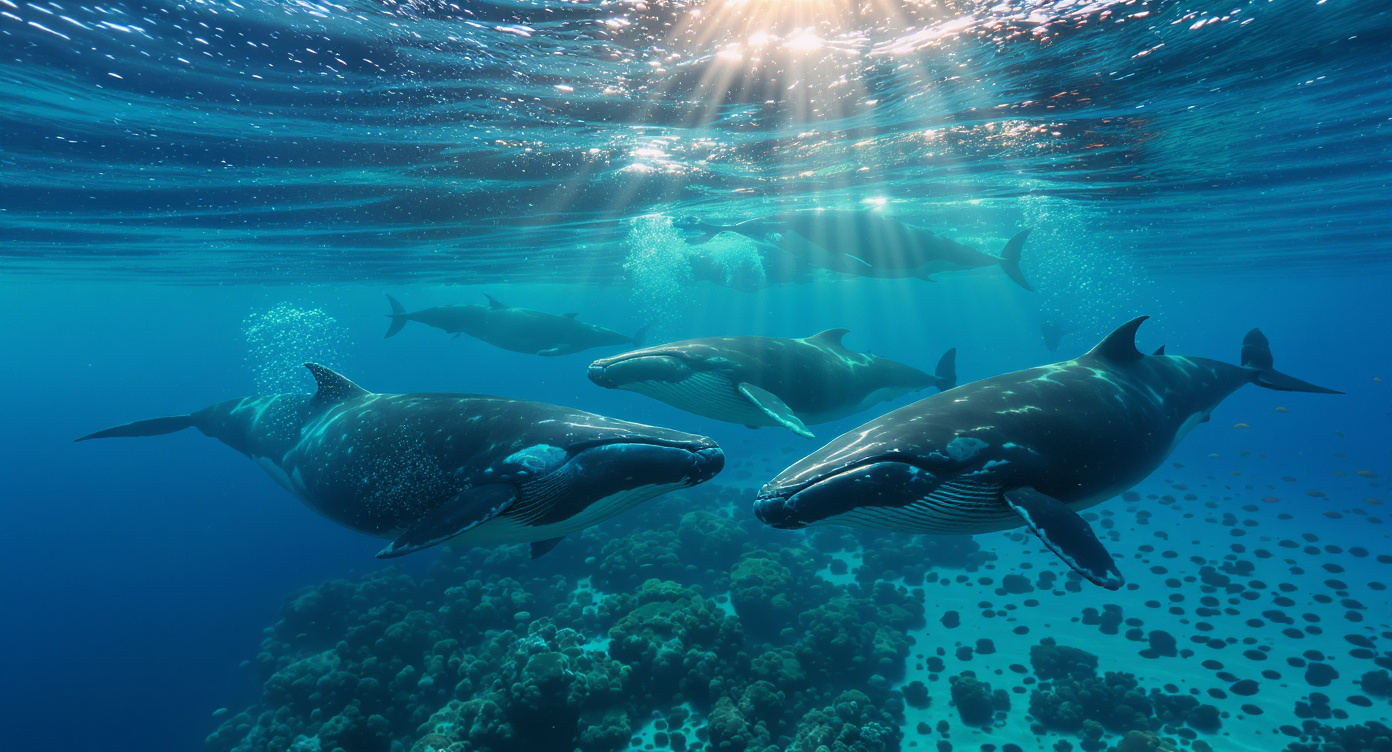
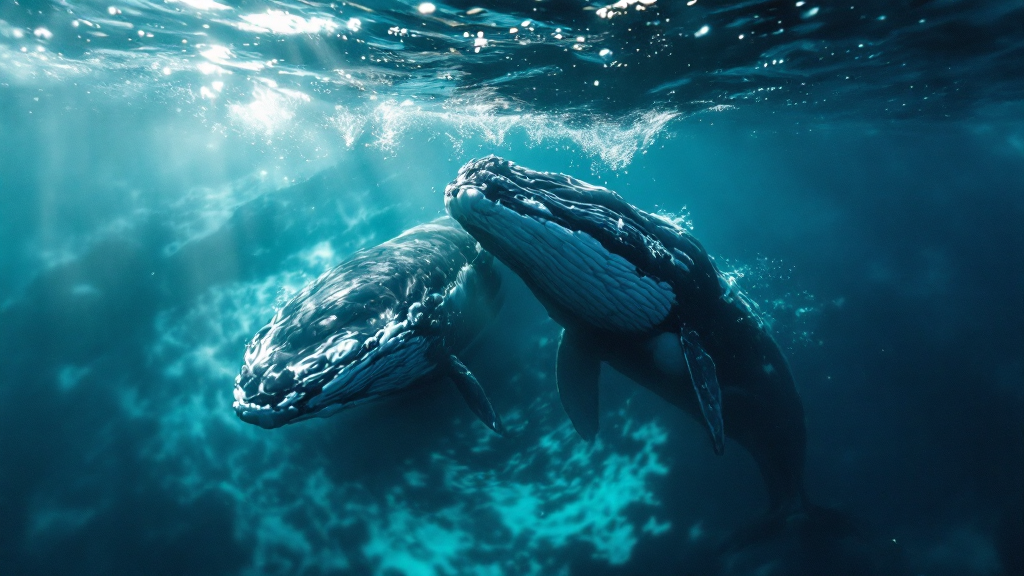
Australian biologists have, for the first time, closely documented a female humpback whale staying near her stillborn calf, repeatedly returning to it. This is the first recorded case of post-mortem attention in humpback whales.
Scientists have developed a new method for distinguishing mirror-image forms of molecules using twisted laser light, which has simplified and improved the accuracy of analyzing their chirality. This technology could be applied in chemistry, biology, and pharmaceuticals, where the properties of mirror-image molecules are critically important.
Male octopuses are especially protective of their third right arm—the hectocotylus—which is essential for reproduction. They take great care to shield it from harm, often using their other limbs to explore their surroundings instead. Studies have shown that if this arm is lost, mating becomes impossible until it has fully regenerated.
Scientists have discovered a previously unknown intracellular system that speeds up the delivery of proteins to the leading edge of the cell. This finding changes our understanding of the mechanisms behind cell movement, cancer spread, and wound healing, and could also lead to new strategies for combating tumors.
An analysis of 280 studies has shown that natural selection operates not only at the level of individuals but also at the level of groups, supporting altruism and cooperation. Evolution is a balance between individual and collective interests.
A study found that an adult short-finned pilot whale eats an average of 142 squid per day, totaling up to 73,000 individuals per year. Despite such large quantities, there is still enough food in the waters around Hawaii to sustain these marine mammals.
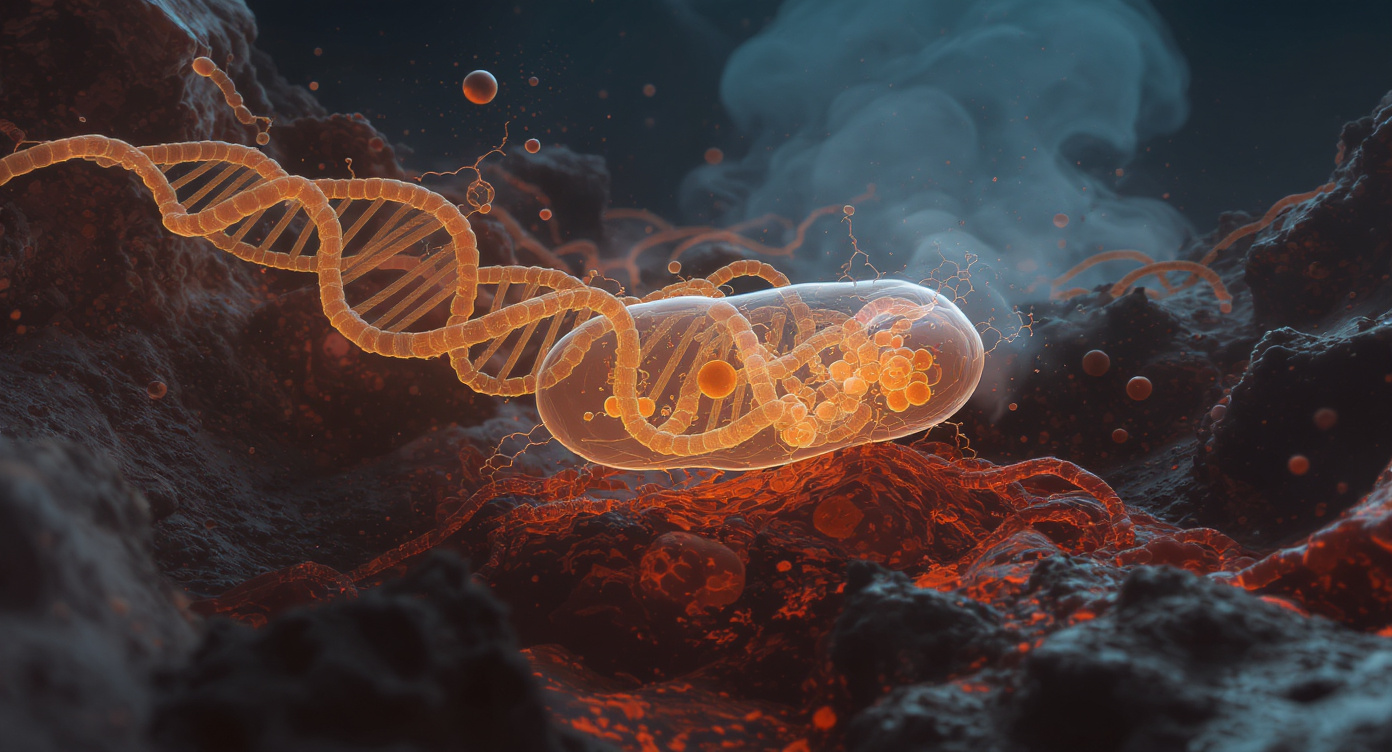
Scientists are studying universal paralogs—ancient genes preserved in all living organisms—to learn more about the earliest stages of evolution and the origins of life on Earth. New analytical methods make it possible to reconstruct the functions of these genes and bring us closer to understanding how the first cells emerged.
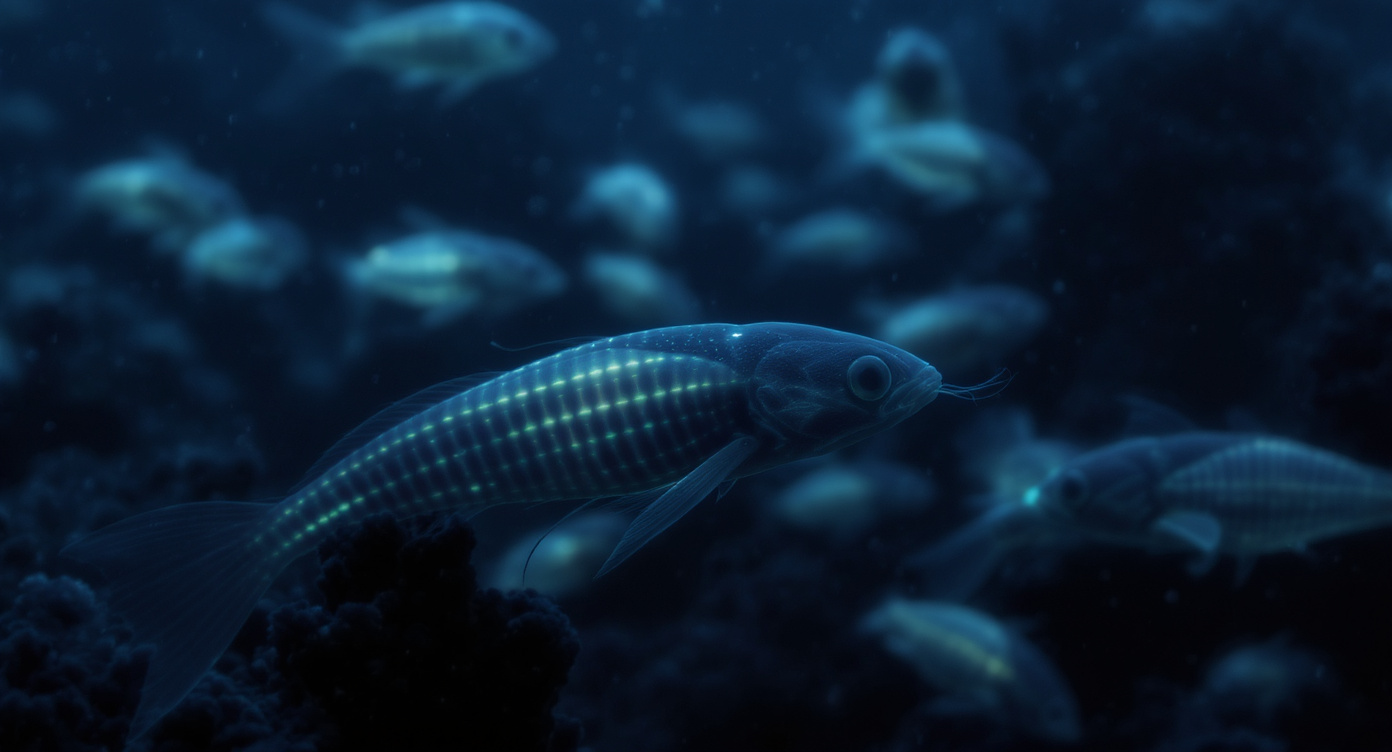
The study revealed that deep-sea fish larvae use unique hybrid cells for vision, combining the properties of both daytime and nighttime receptors. This discovery highlights the remarkable flexibility of evolution in adapting to life in darkness.
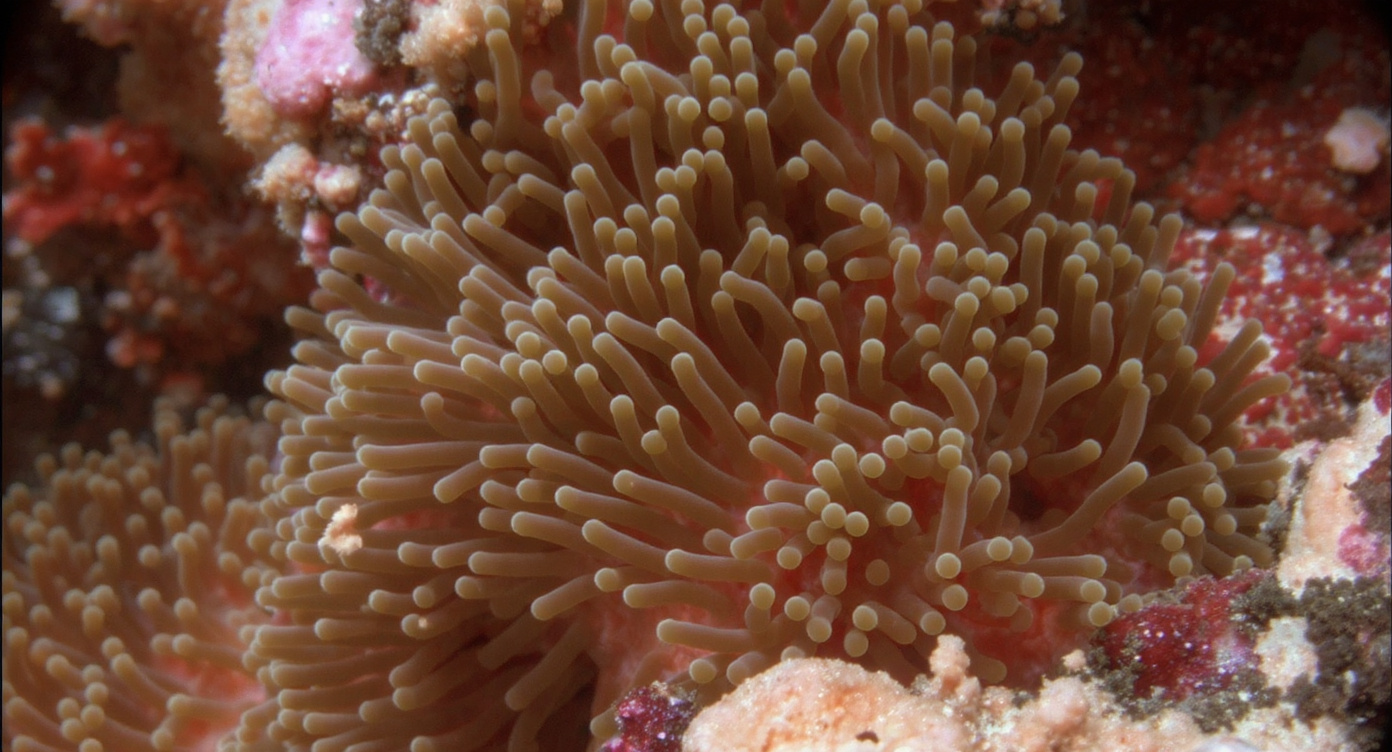
A new study has revealed that the sea anemone possesses a complex system of genetic regulation, comparable to that found in insects and mammals. This challenges the previous belief that its genetic mechanisms are primitive.
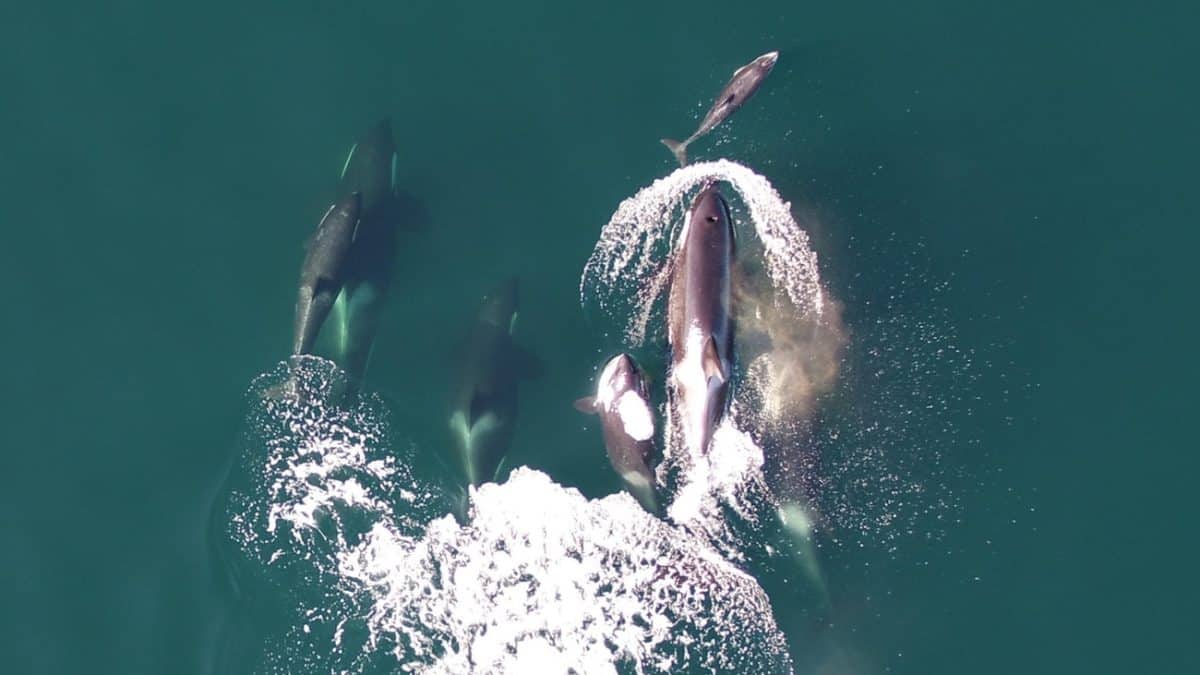
For the first time, scientists have observed orcas and dolphins hunting together for Pacific salmon off the coast of Canada. Using advanced technology, researchers discovered that these species not only coordinate their actions underwater but also share their catch, challenging previous assumptions about their interactions.
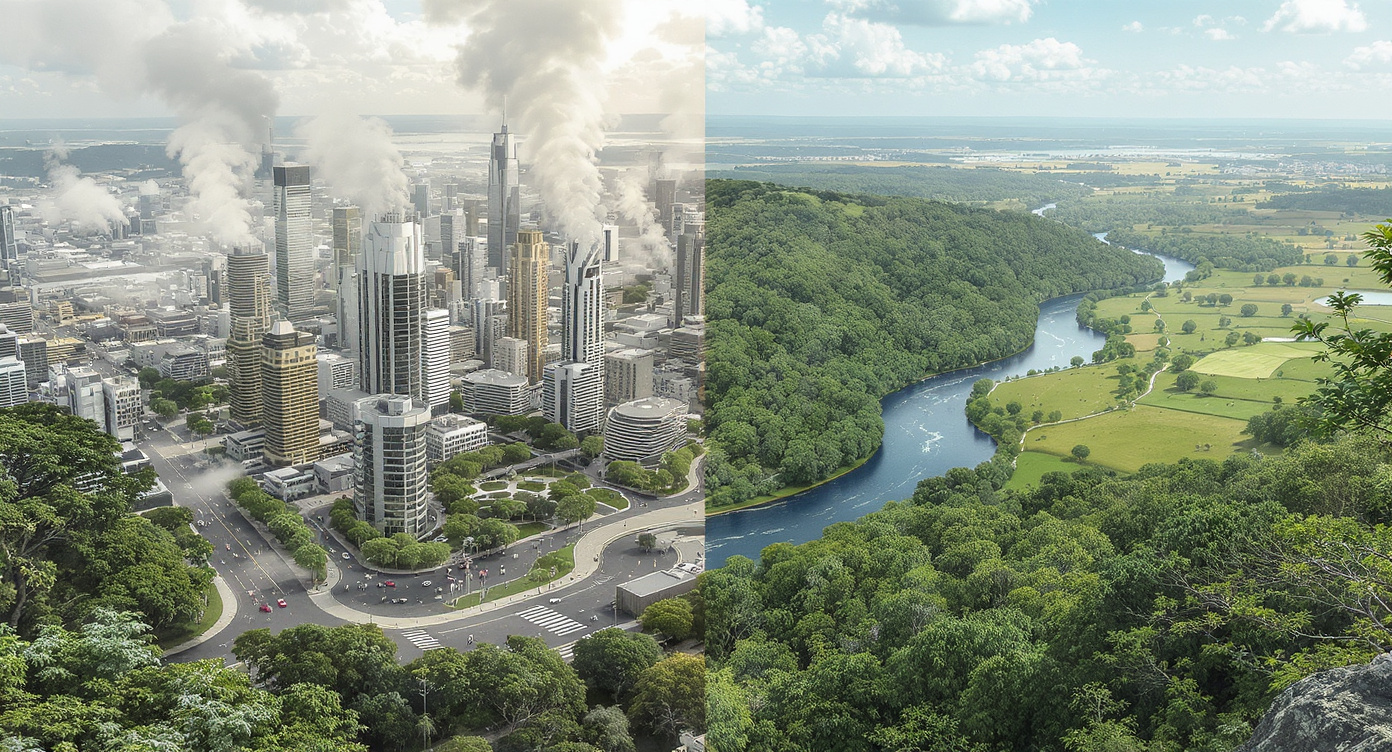
The modern environment places demands on humans for which evolution has not prepared our bodies. This leads to chronic stress, reduced fertility, and an increase in inflammatory diseases. Researchers believe that to maintain health, it is essential to strengthen our connection with nature and adapt cities to better meet the biological needs of people.
The study revealed that bumblebees can distinguish the duration of light signals and use this information to make decisions—a skill previously thought to be unique to vertebrates. This discovery offers new insights into how insect nervous systems function.
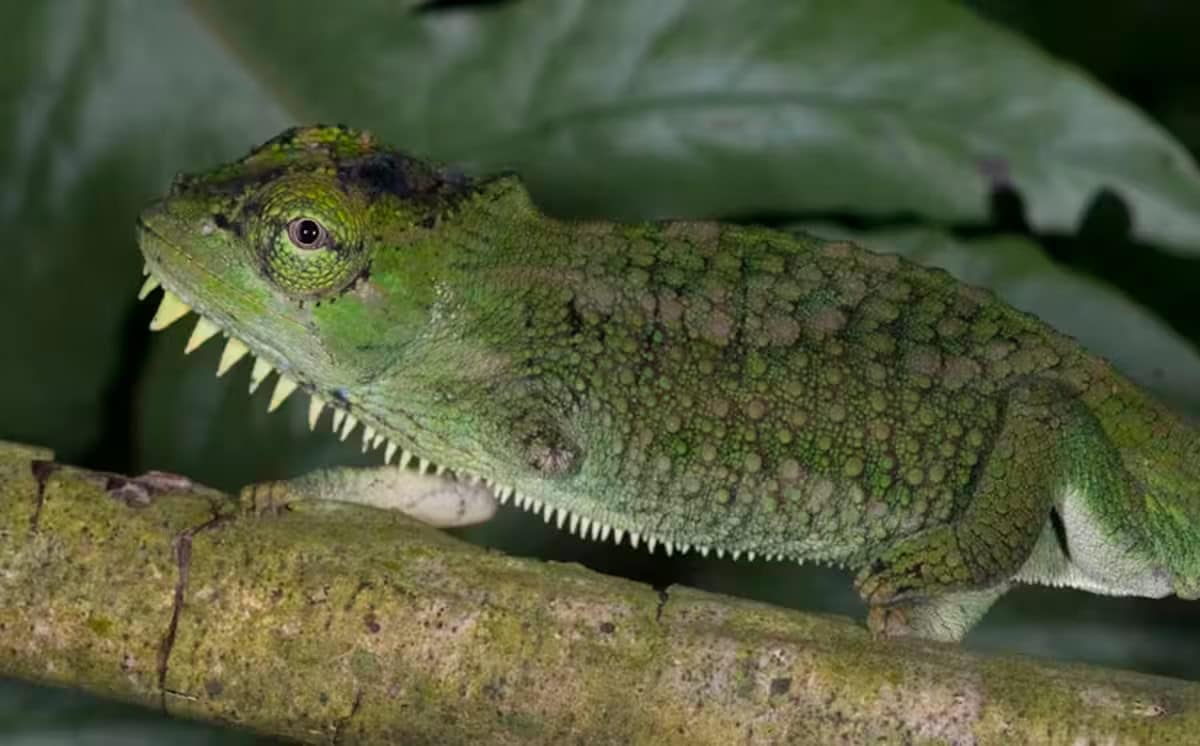
A new study has shown that lizards which have lost their limbs are able to successfully adapt and survive in the wild, remaining active and even reproducing. These findings challenge traditional views on natural selection.
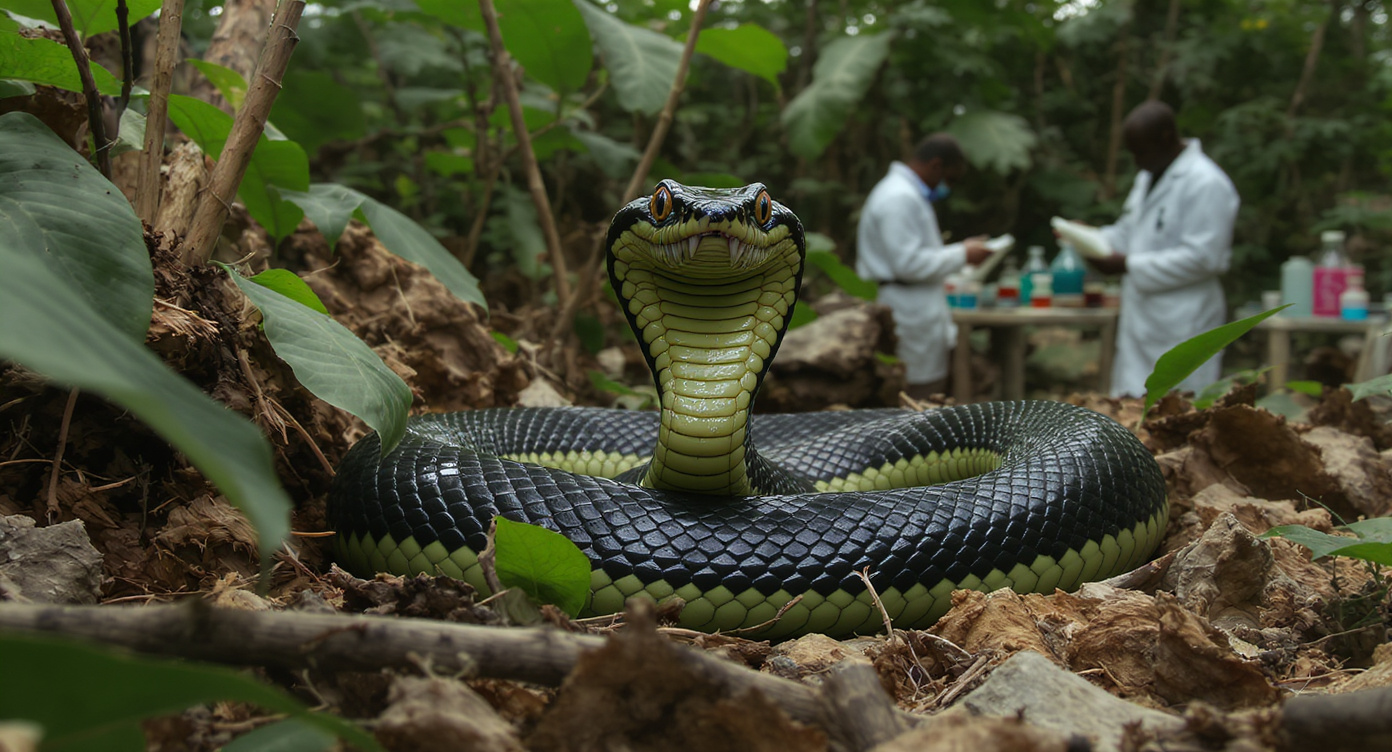
A new study has shown that mamba venom acts in a more complex way than previously thought and can trigger unpredictable reactions even after the administration of an antidote. This discovery could help develop more effective treatments for snakebites.
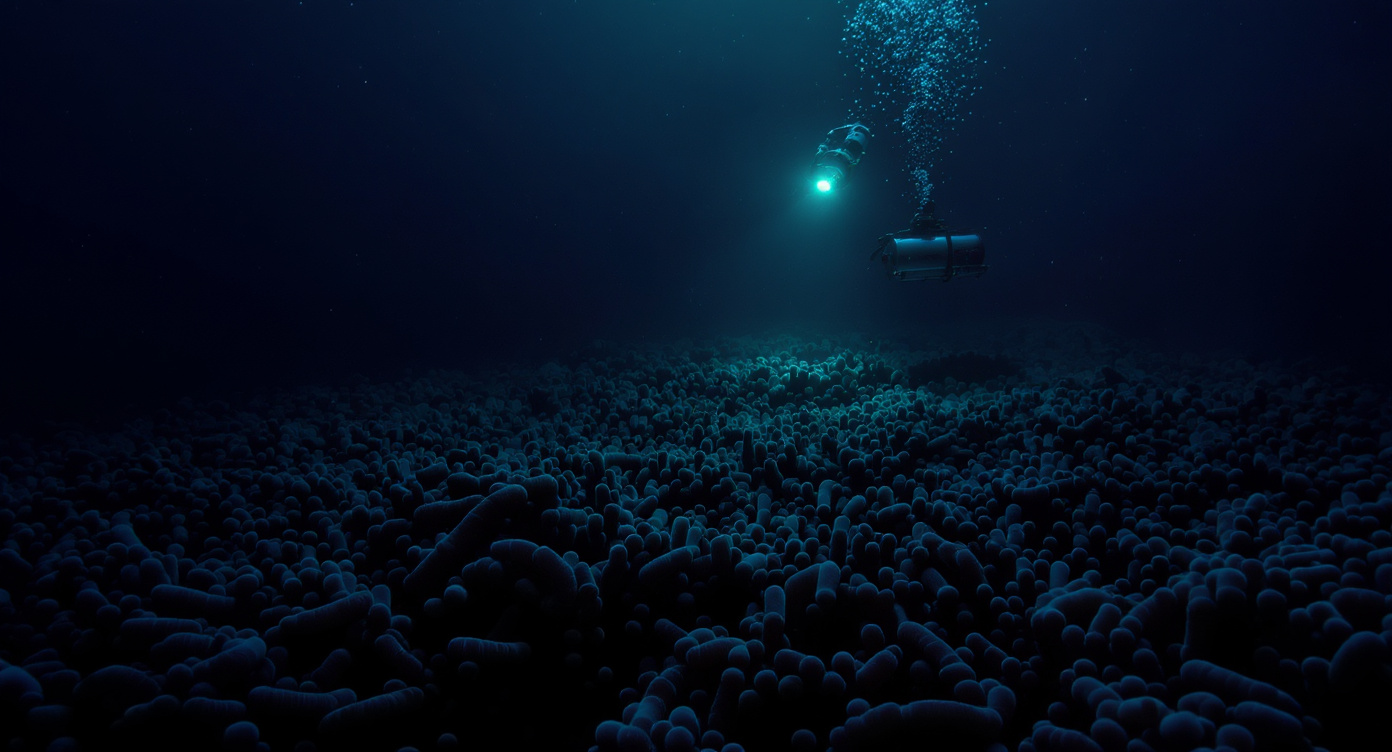
An international team of biologists has discovered a unique ecosystem at the bottom of the Kuril-Kamchatka Trench, thriving at depths of over 9,500 meters thanks to chemosynthesis. This is the deepest community of its kind ever found, challenging previous ideas about life and methane reserves in the ocean.

 Cursus