Shell's Singapore subsidiary has been accused of two incidents of oil product spills into the sea in 2024, as well as failing to promptly notify authorities. The company faces hefty fines, and the investigation is ongoing.
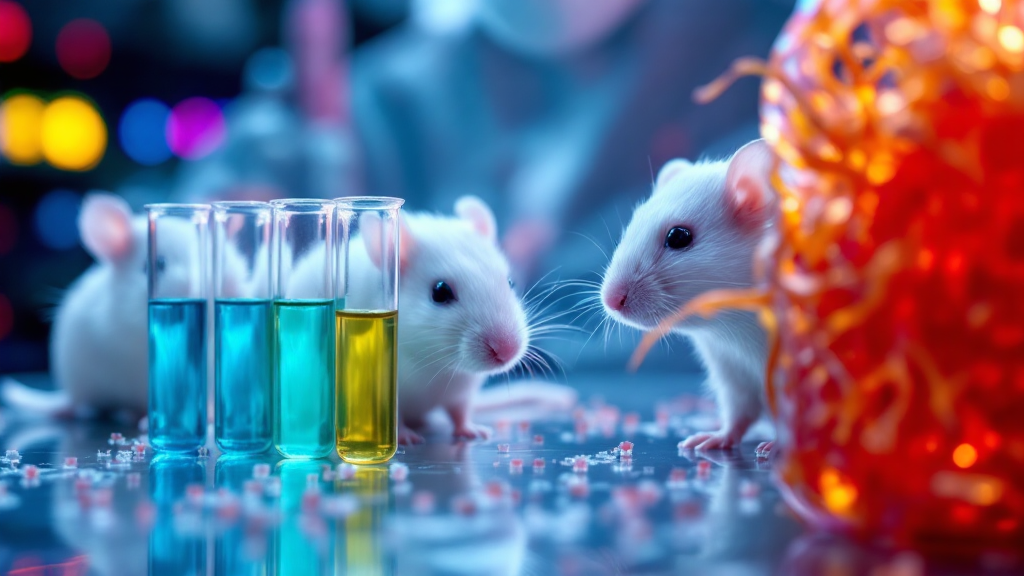
Scientists have discovered that bacteria from kimchi can bind to and remove nanoplastics from the body, opening up new possibilities for biological methods to combat plastic pollution.
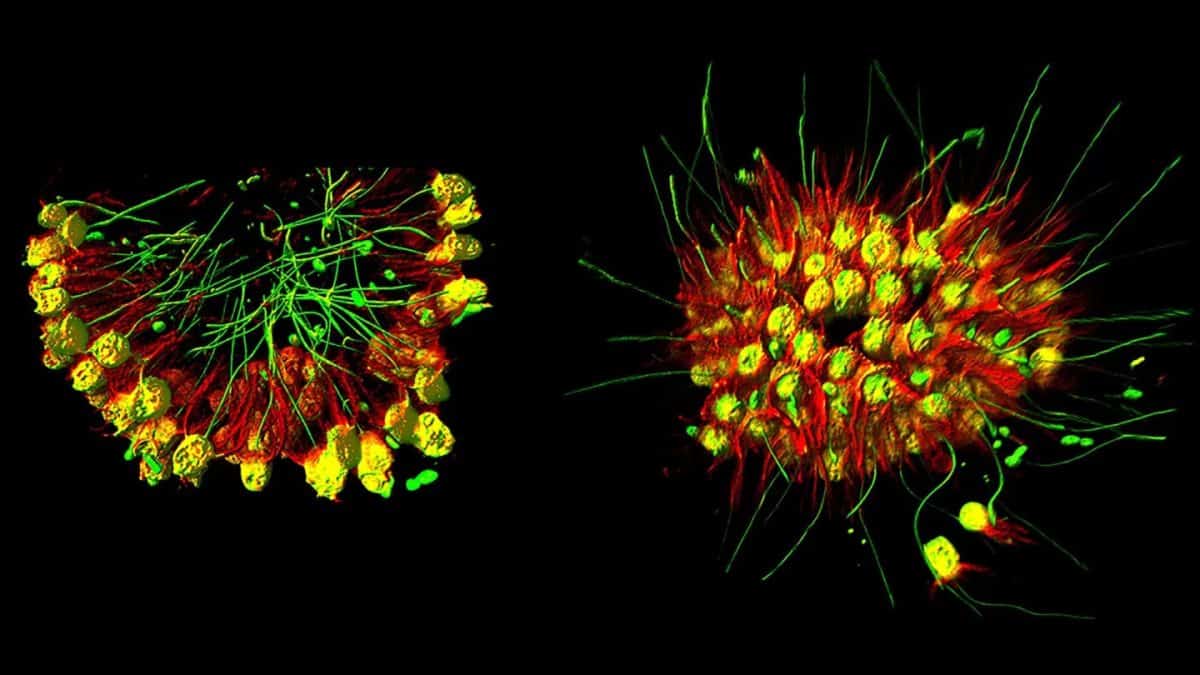
A new study has shown that the closest unicellular relatives of animals can form multicellular structures either by cell division or by the fusion of individual cells, choosing their strategy depending on environmental conditions. This discovery changes our understanding of the origins of multicellularity and the evolution of animals.
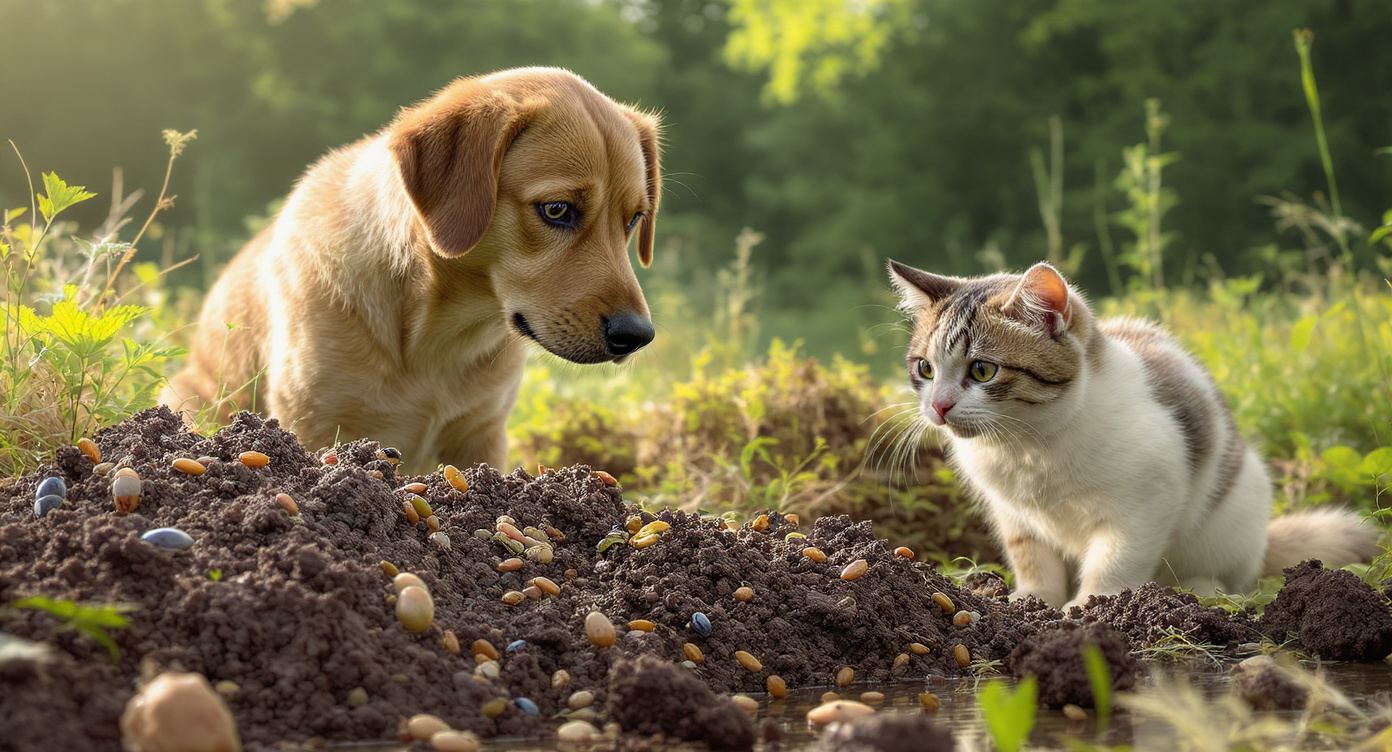
A new study has shown that flea and tick treatments for pets may pose a threat to insects in natural ecosystems, disrupting important ecological processes. Residues from these products, when released into the environment through animal feces, can negatively affect species that feed on dung.
The modern environment places demands on humans for which evolution has not prepared our bodies. This leads to chronic stress, reduced fertility, and an increase in inflammatory diseases. Researchers believe that to maintain health, it is essential to strengthen our connection with nature and adapt cities to better meet the biological needs of people.
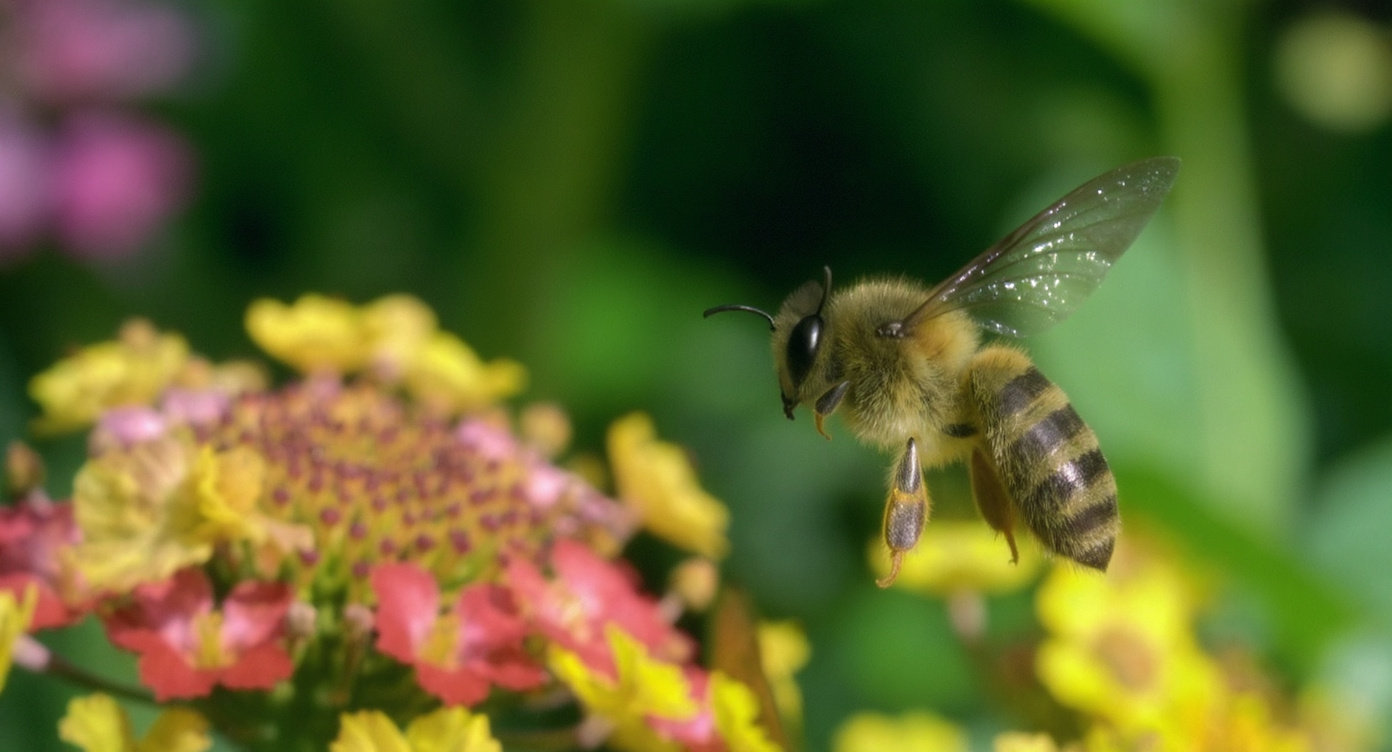
Scientists have developed a digital model of the bee brain, demonstrating how movements during flight help insects quickly recognize complex patterns. This discovery could inspire new approaches in artificial intelligence and robotics, making systems more efficient by using movement to gather information.


 Natura