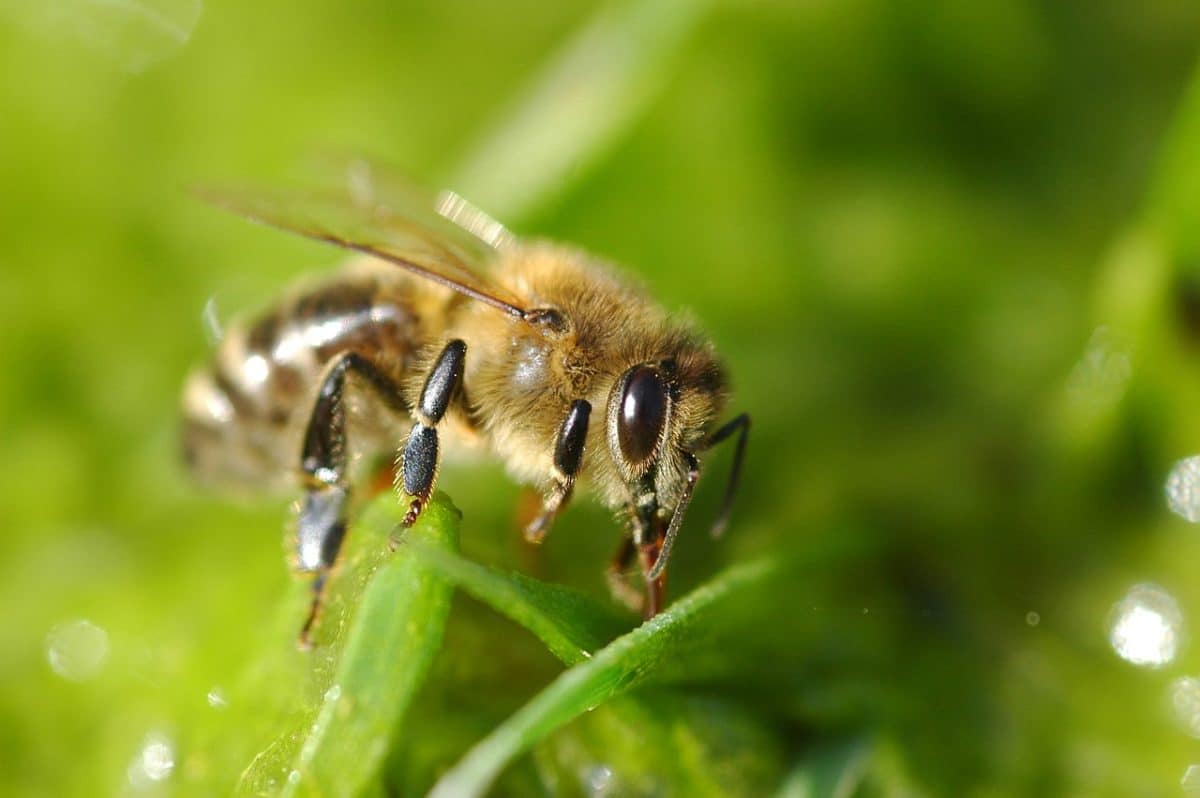
A new study has shown that glyphosate reduces foraging activity in honey bees and may disrupt the chemical balance in their brains. This could negatively affect hive health and highlights the need for further research.
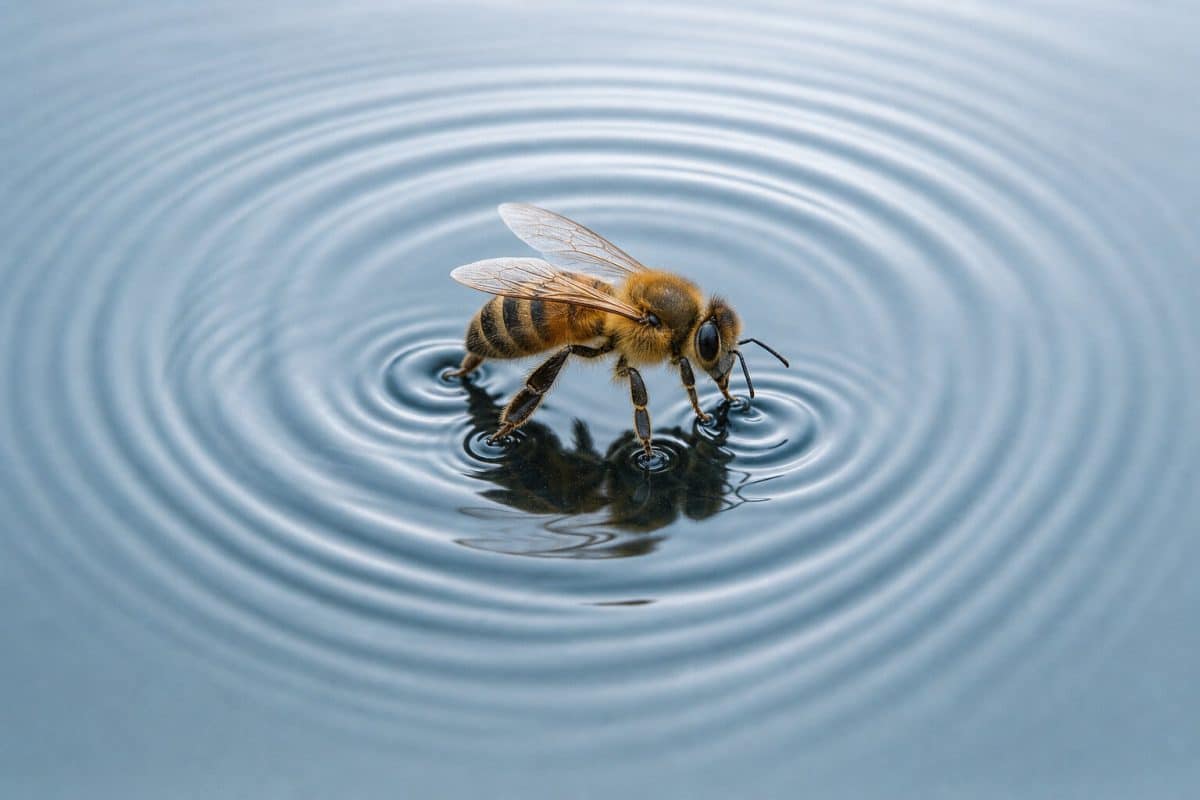
Bees are able to move efficiently across water by using a unique strategy and navigating toward dark areas to escape. However, insecticides disrupt their coordination, reducing their chances of survival.
A new study has revealed that there are more than 26,000 species of wild bees on Earth—about a quarter more than previously thought. It may take several more decades to fully describe all these species.
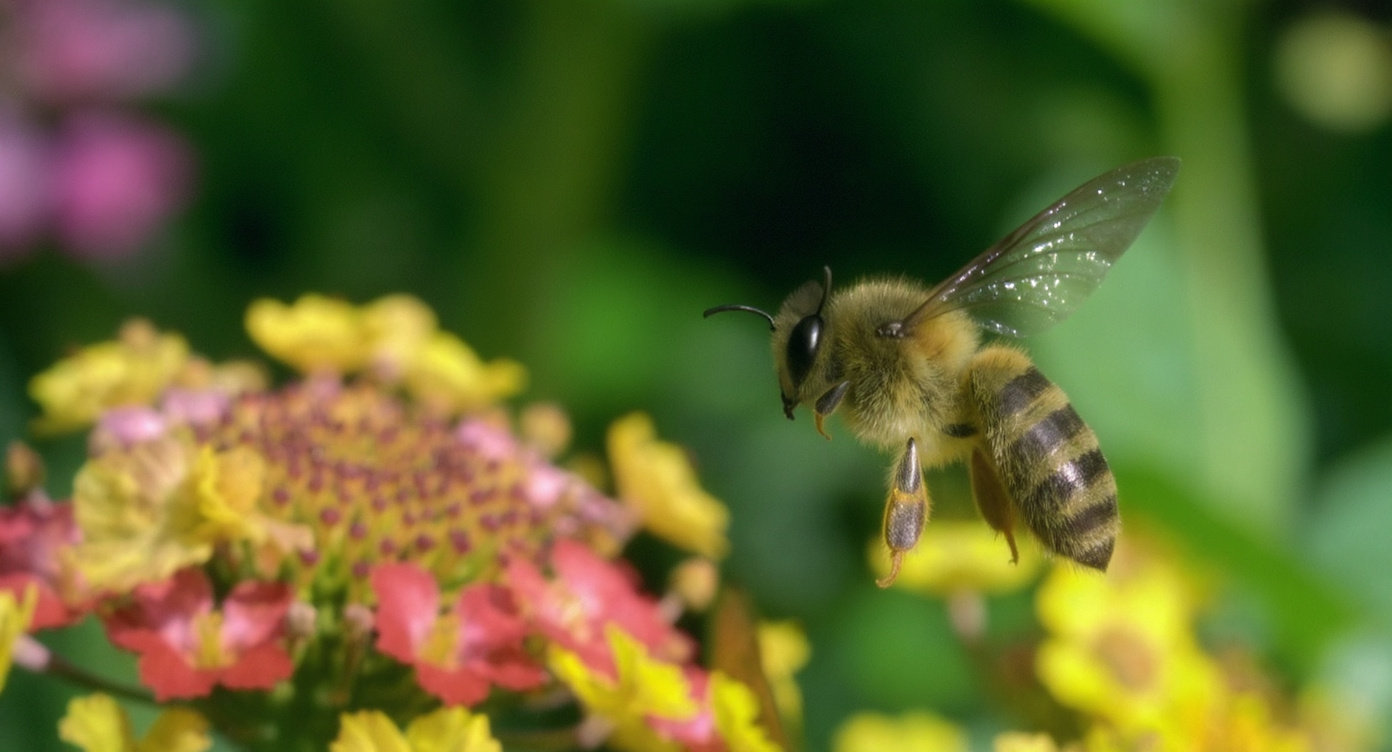
A new study has shown that honeybees remember their individual flight routes with remarkable accuracy, surpassing their ability to communicate information through the waggle dance. Each bee uses its own unique navigation style, and their spatial memory is far more complex than previously believed.
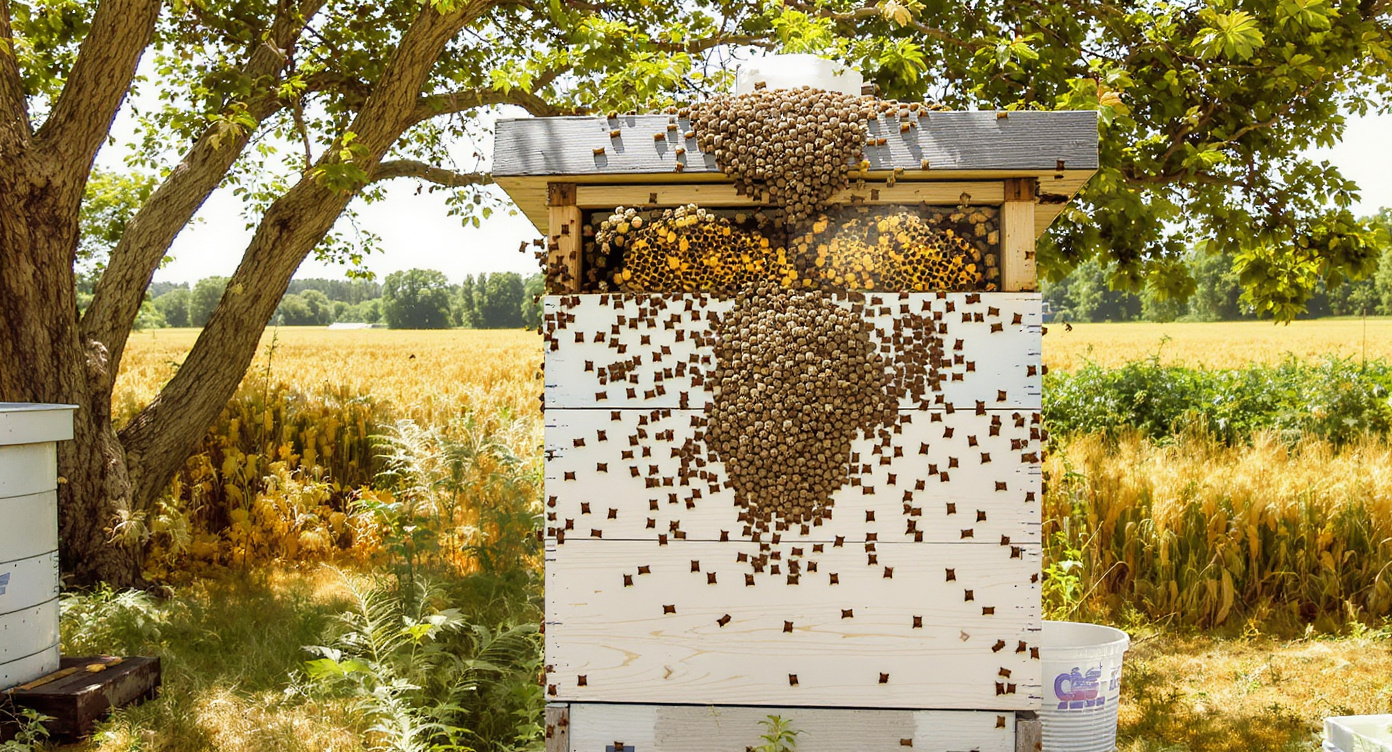
A new study has shown that extreme heat can disrupt the temperature regulation in beehives and reduce the size of bee colonies, posing a threat to pollination and agriculture. Scientists recommend measures to reduce heat stress and help maintain stable bee populations.
Scientists have developed a digital model of the bee brain, demonstrating how movements during flight help insects quickly recognize complex patterns. This discovery could inspire new approaches in artificial intelligence and robotics, making systems more efficient by using movement to gather information.


 Natura