A new study has shown that exceptional memory in older adults cannot be explained solely by a low genetic risk for Alzheimer's disease. Other biological, behavioral, and social factors also play an important role in maintaining cognitive health.
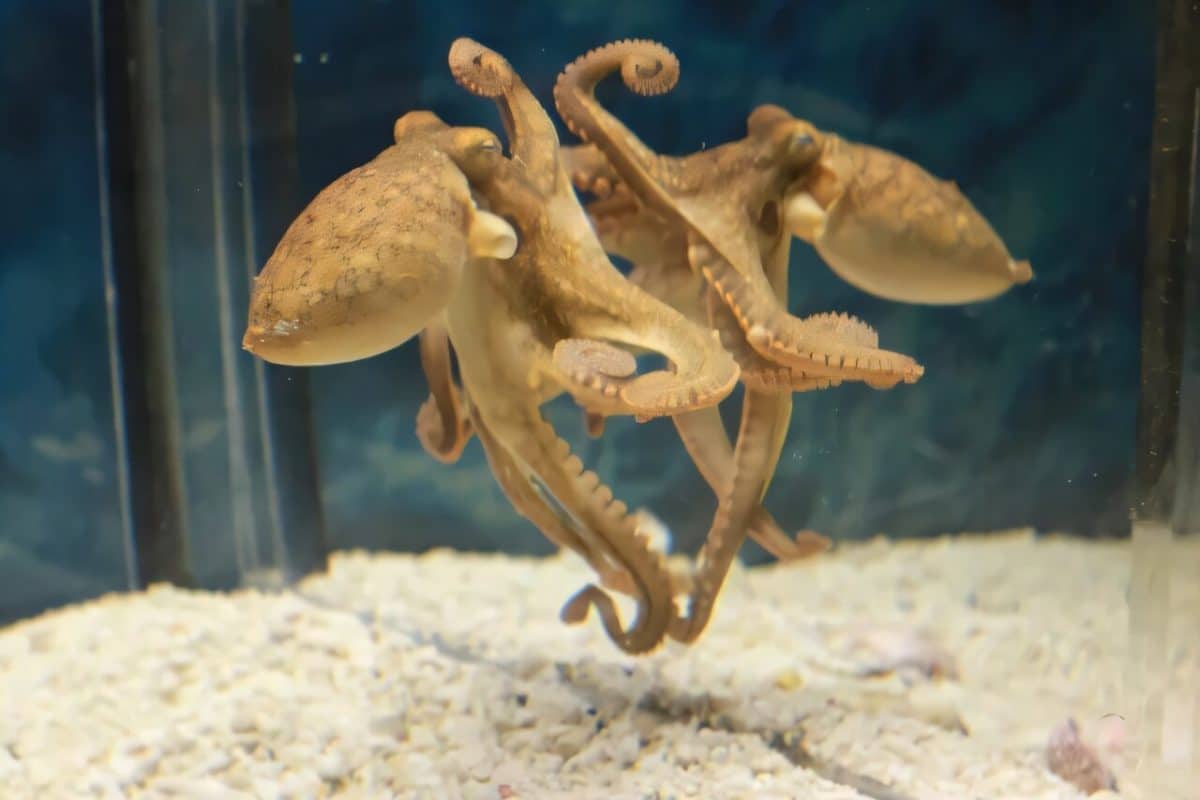
A new study has shown that octopuses are capable of using mirror reflections to locate prey outside their field of vision—something previously thought possible only for mammals and birds. The experiment confirmed the advanced cognitive abilities of these cephalopod mollusks.
The study showed that bumblebees are able to distinguish complex rhythms and abstract temporal patterns, despite having a simple brain and lacking advanced hearing. This discovery offers new insights into the cognitive abilities of insects.
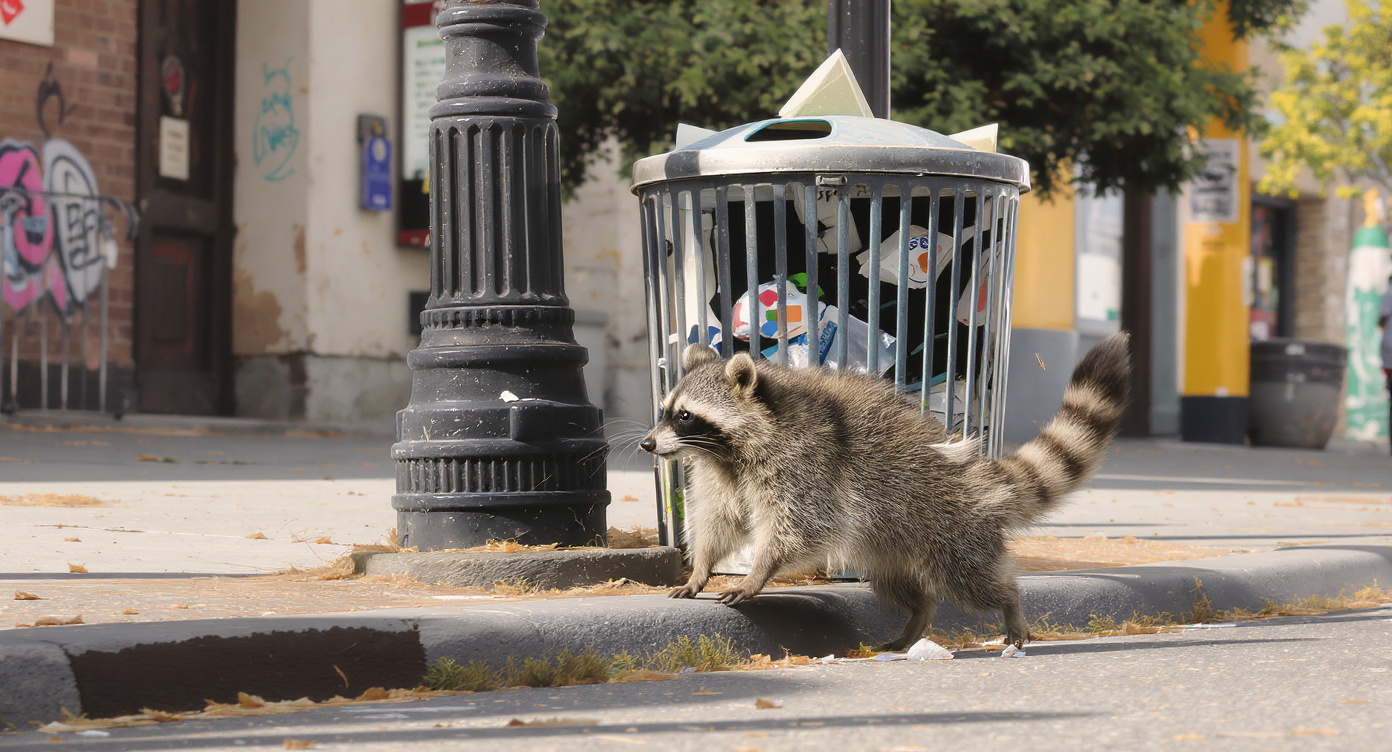
The experiment showed that raccoons continue to explore complex mechanisms even after receiving a reward, demonstrating curiosity for new knowledge. This tendency to investigate helps them successfully adapt to life in urban environments.
A new study has revealed that Mesolithic hunter-gatherers used complex geometric principles when creating ornaments on ostrich eggshell vessels. This suggests that the ability to structure forms and apply geometry was already developed 60,000 years ago, long before the emergence of the first civilizations.
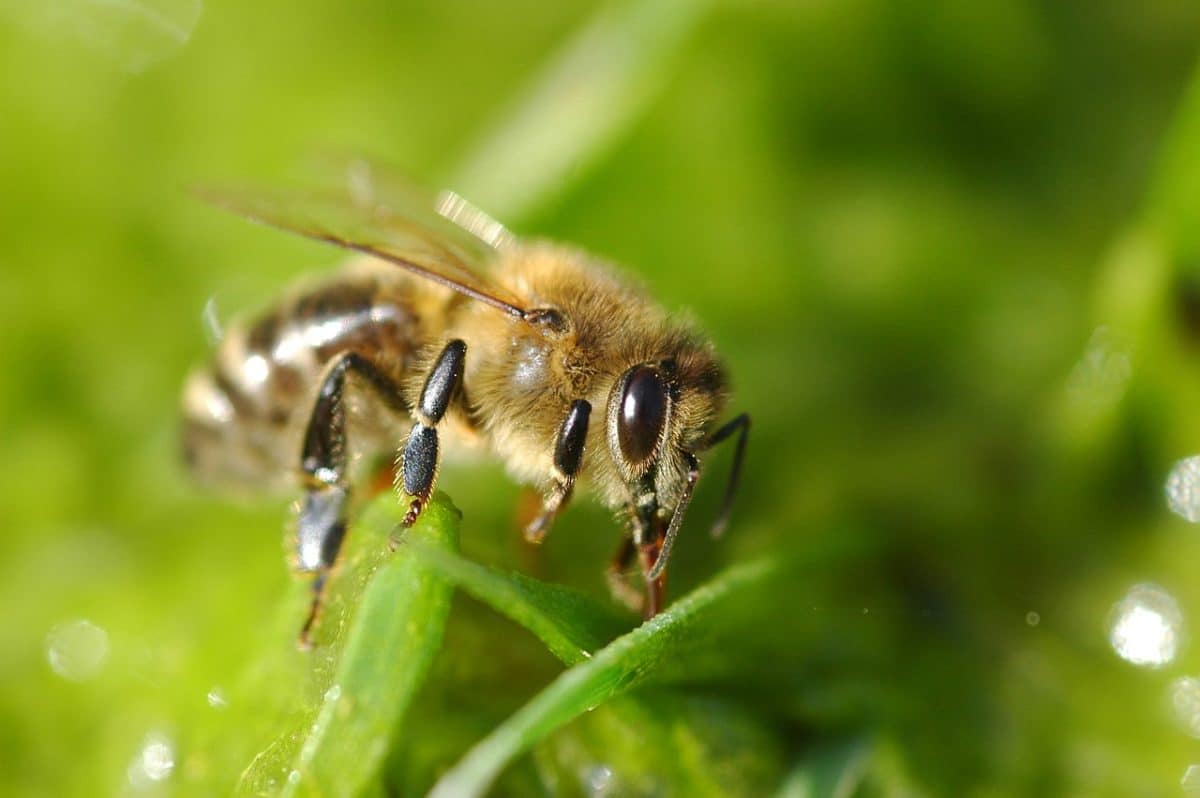
A new study has shown that honeybees remember their individual flight routes with remarkable accuracy, surpassing their ability to communicate information through the waggle dance. Each bee uses its own unique navigation style, and their spatial memory is far more complex than previously believed.
A new study has shown that some gifted dogs are able to learn words simply by overhearing human conversations, much like young children. This ability is rare and does not require any special training.


 Salus
Salus