Studies have shown that dogs and humans share similar biological markers of aging, opening up new opportunities for longevity research. Habits that promote healthy aging in people are likely beneficial for dogs as well.
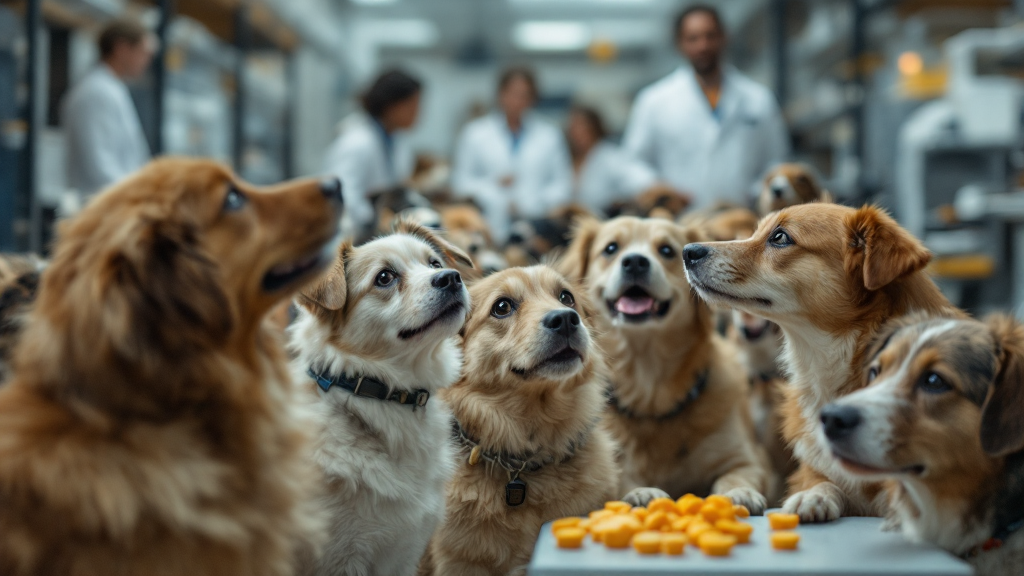
The experiment showed that dogs are more likely to help people in order to receive a treat, rather than out of altruistic motives. The presence of the owner or a stranger had little effect on their behavior.
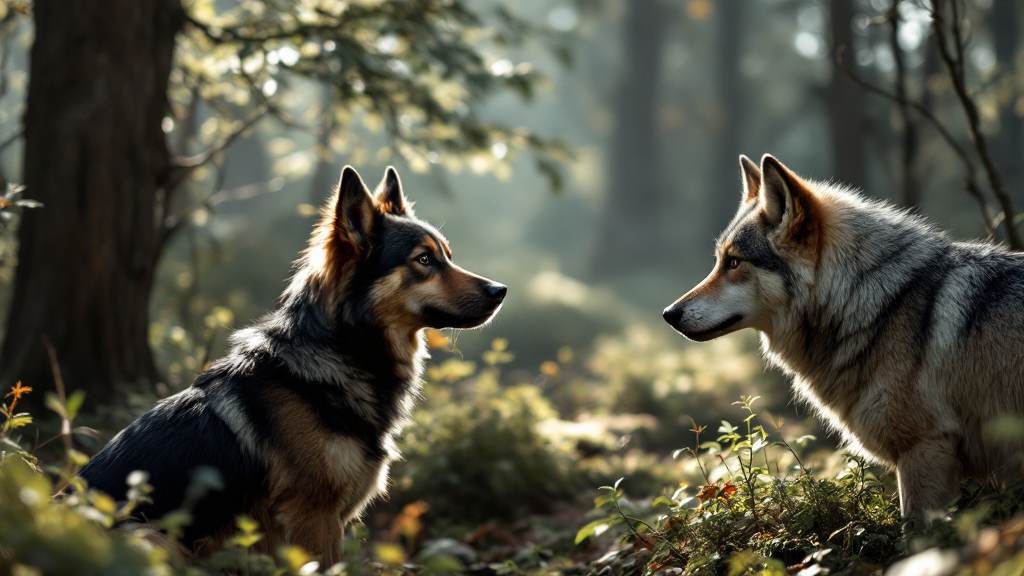
A new study has shown that both dogs and wolves are able to detect the scent of human fear, and their reactions to it are similar. This suggests that such sensitivity has ancient origins, likely developing in the common ancestor of these species.
A new study has shown that a significant reduction in dog brain size occurred only about 5,000 years ago, when humans began selecting anxious and loud-barking animals to guard settlements. Previously domesticated dogs retained brains comparable in size to those of wolves, while modern working breeds now have the largest amount of neural tissue.
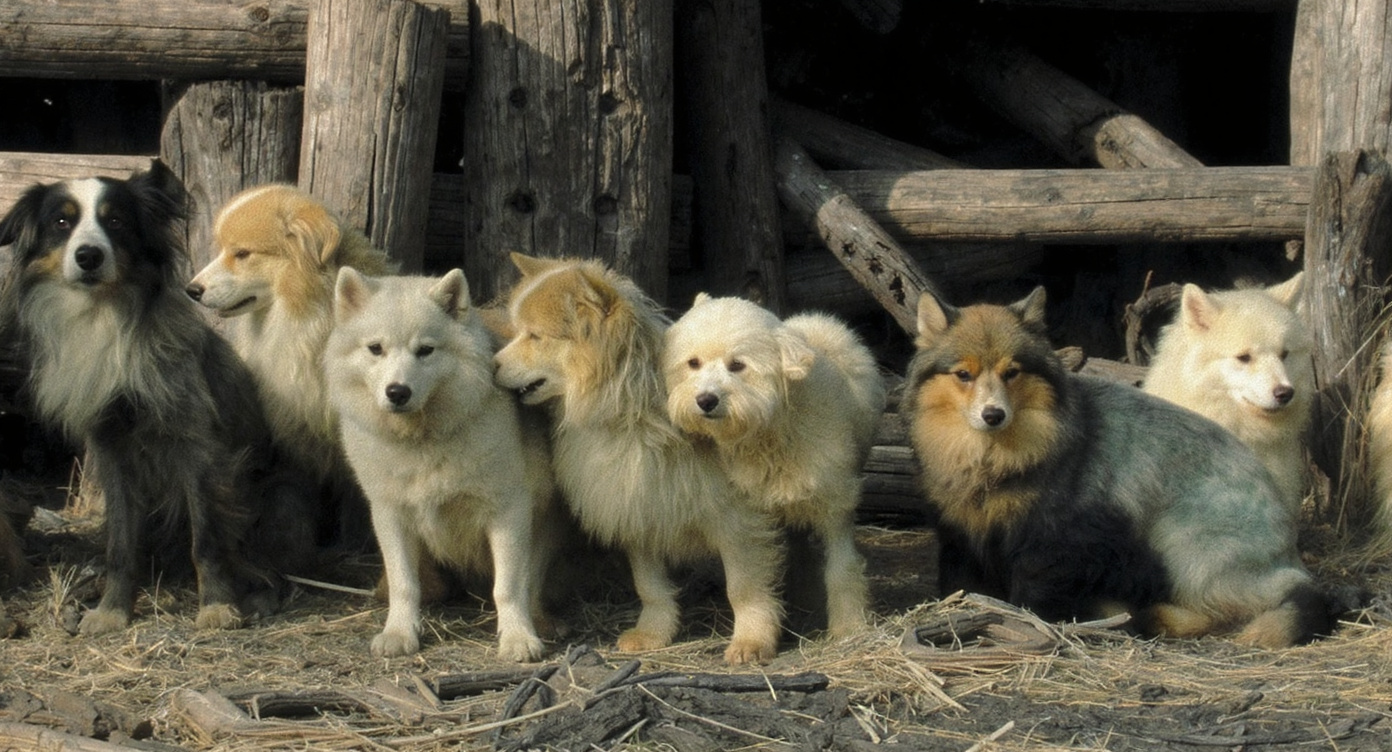
A new study has shown that Samoyed dogs are able to change the pitch of their howling depending on the tonality of music, indicating a basic form of vocal adaptation. This discovery is important for understanding the evolution of musicality in both animals and humans.
A new study has found that 12 dog breeds are prone to respiratory distress syndrome, and the list of at-risk breeds is broader than previously thought. Pekingese and Japanese Chin are especially susceptible.
A new study has shown that the emotional tone of the human voice affects the physical state of dogs, triggering involuntary physiological responses related to their balance and stability.
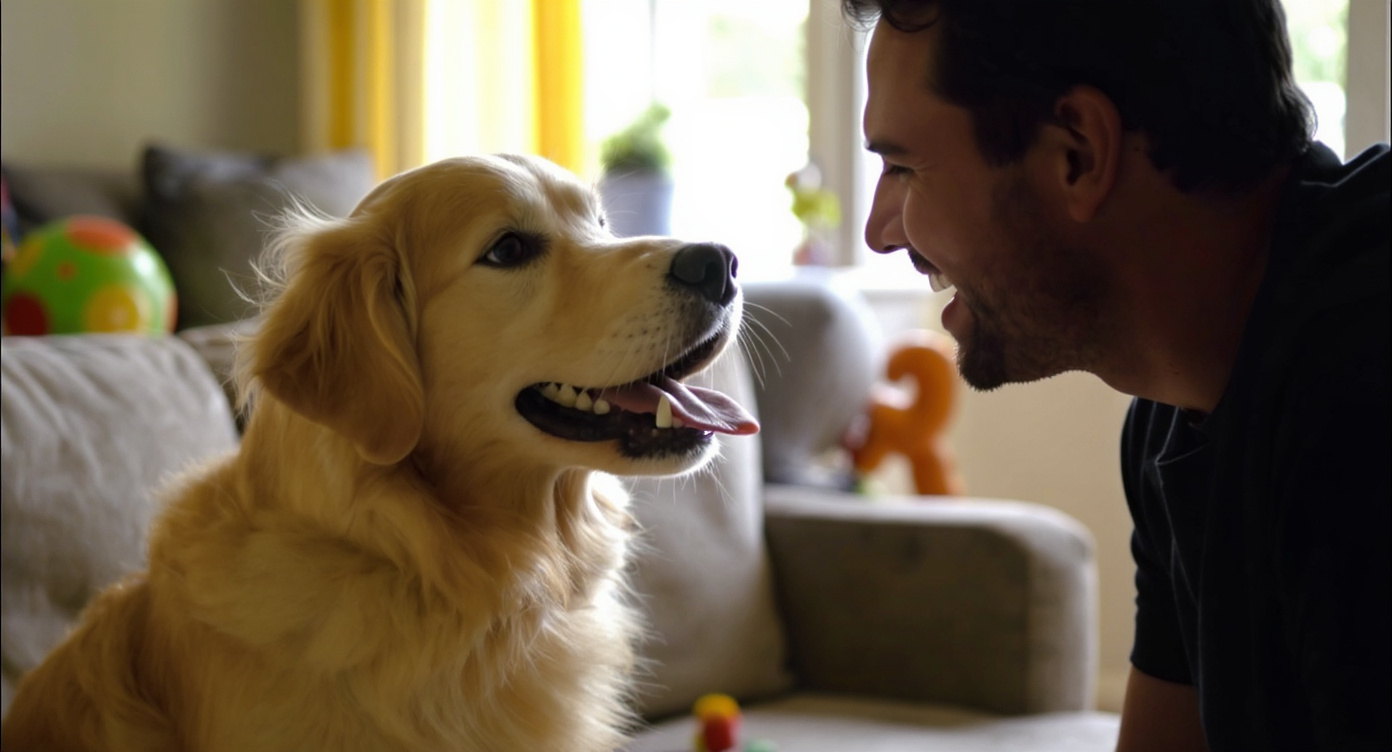
A new study has shown that some gifted dogs are able to learn words simply by overhearing human conversations, much like young children. This ability is rare and does not require any special training.
An international study has uncovered genetic parallels between dog behavior and human psychological traits. Genes that influence aggression and learning ability in dogs are linked in humans to intelligence, depression, and schizophrenia. These findings could help deepen our understanding of mental disorders and lead to new approaches in animal behavior correction.


 Cursus