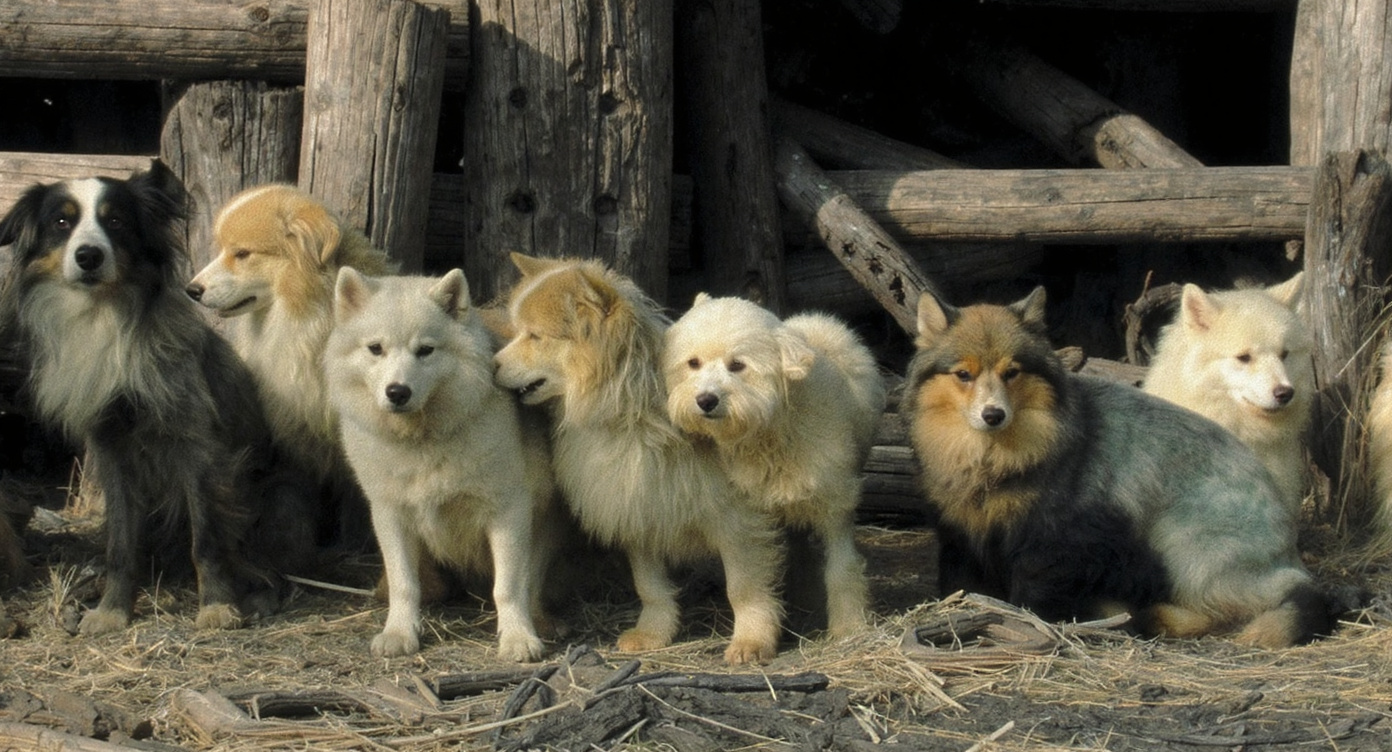
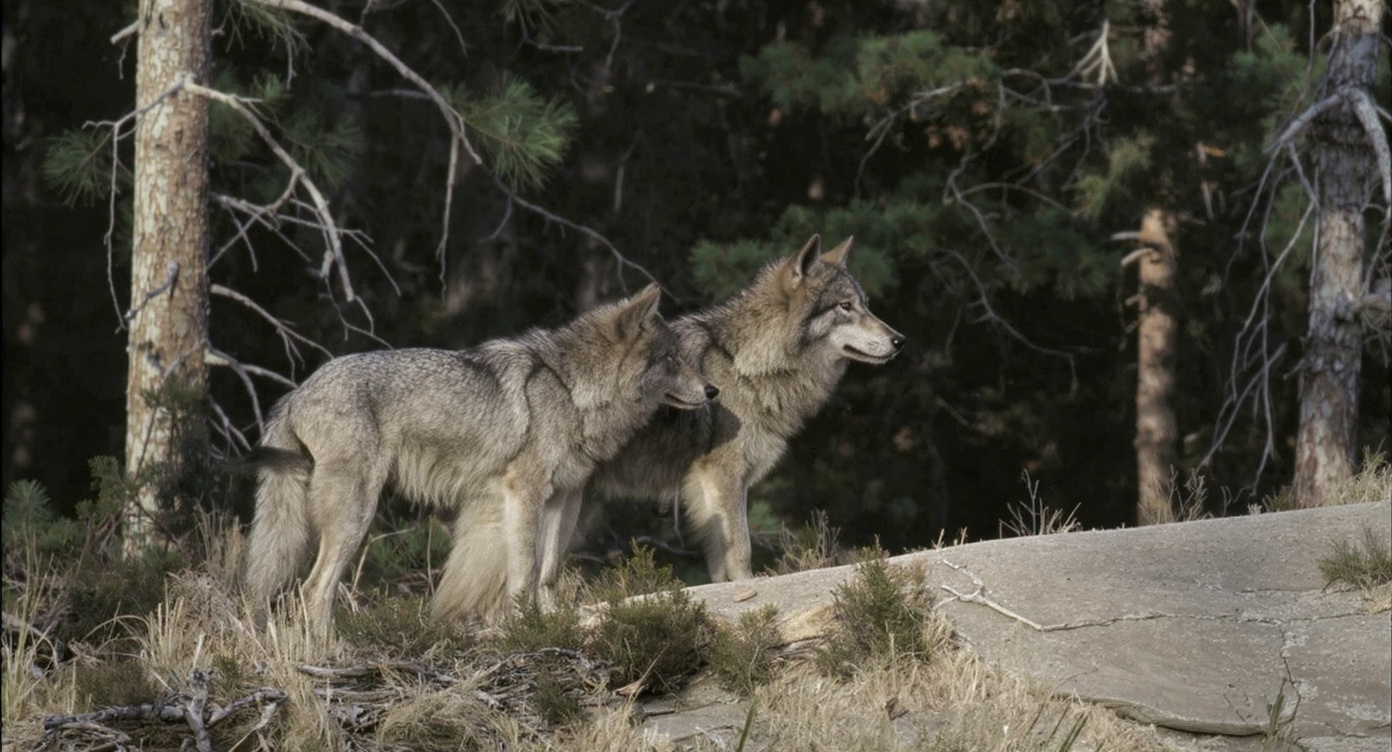
A new study has shown that both dogs and wolves are able to detect the scent of human fear, and their reactions to it are similar. This suggests that such sensitivity has ancient origins, likely developing in the common ancestor of these species.
A new study has shown that a significant reduction in dog brain size occurred only about 5,000 years ago, when humans began selecting anxious and loud-barking animals to guard settlements. Previously domesticated dogs retained brains comparable in size to those of wolves, while modern working breeds now have the largest amount of neural tissue.
Studies in Yellowstone Park have shown that ravens search for food by remembering locations where wolves have hunted successfully, rather than by following the predators themselves. These birds create mental maps of the area and deliberately return to promising spots.
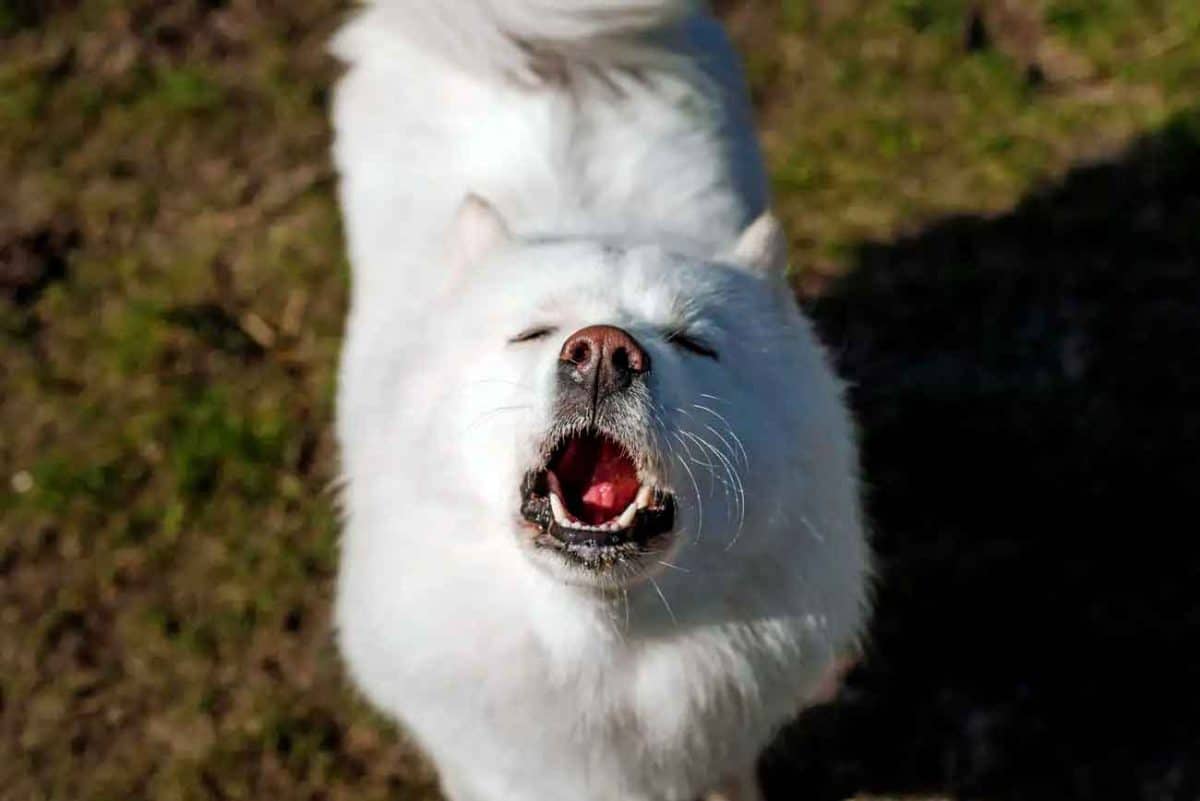
A new study has shown that Samoyed dogs are able to change the pitch of their howling depending on the tonality of music, indicating a basic form of vocal adaptation. This discovery is important for understanding the evolution of musicality in both animals and humans.
A new study challenges widely held beliefs about the impact of wolves on the Yellowstone ecosystem, pointing out methodological errors in previous research. Scientists note that the effects of wolf reintroduction have been less pronounced and more varied than previously thought.

 Cursus