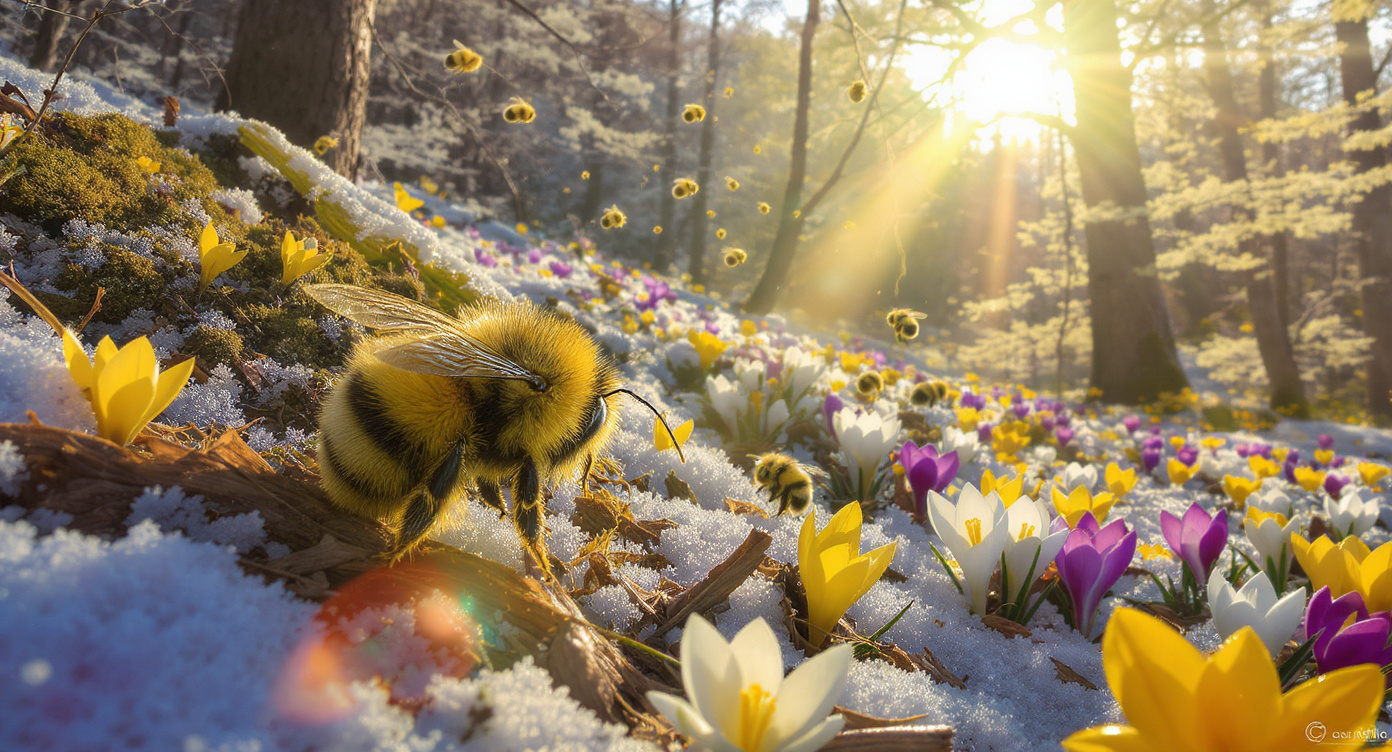
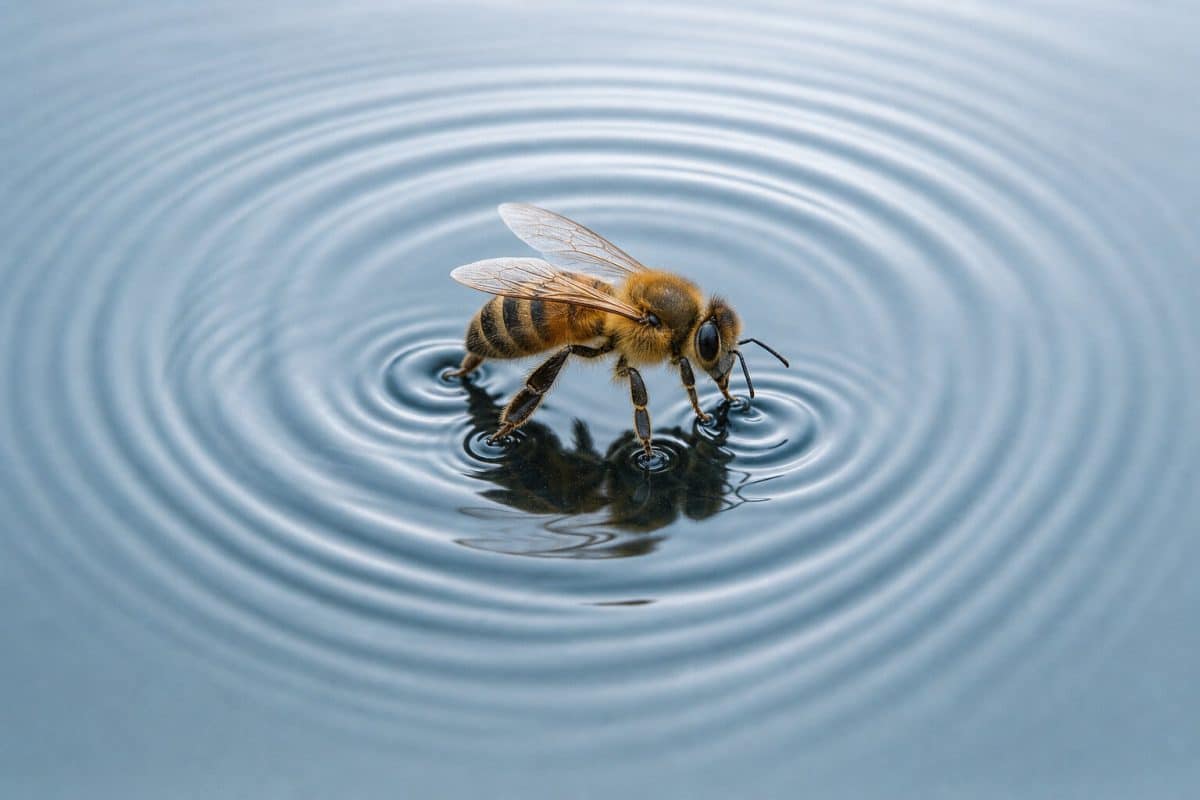
Bees are able to move efficiently across water by using a unique strategy and navigating toward dark areas to escape. However, insecticides disrupt their coordination, reducing their chances of survival.
Studies have shown that bumblebee queens can survive underwater for up to a week thanks to their slowed metabolism and unique physiological mechanisms. This ability helps them endure flooding during hibernation.
Sucker Punch has announced a free Legends expansion for Ghost of Yotei, introducing a cooperative online mode with new missions and character classes. The expansion will be available to PS5 owners starting March 10.
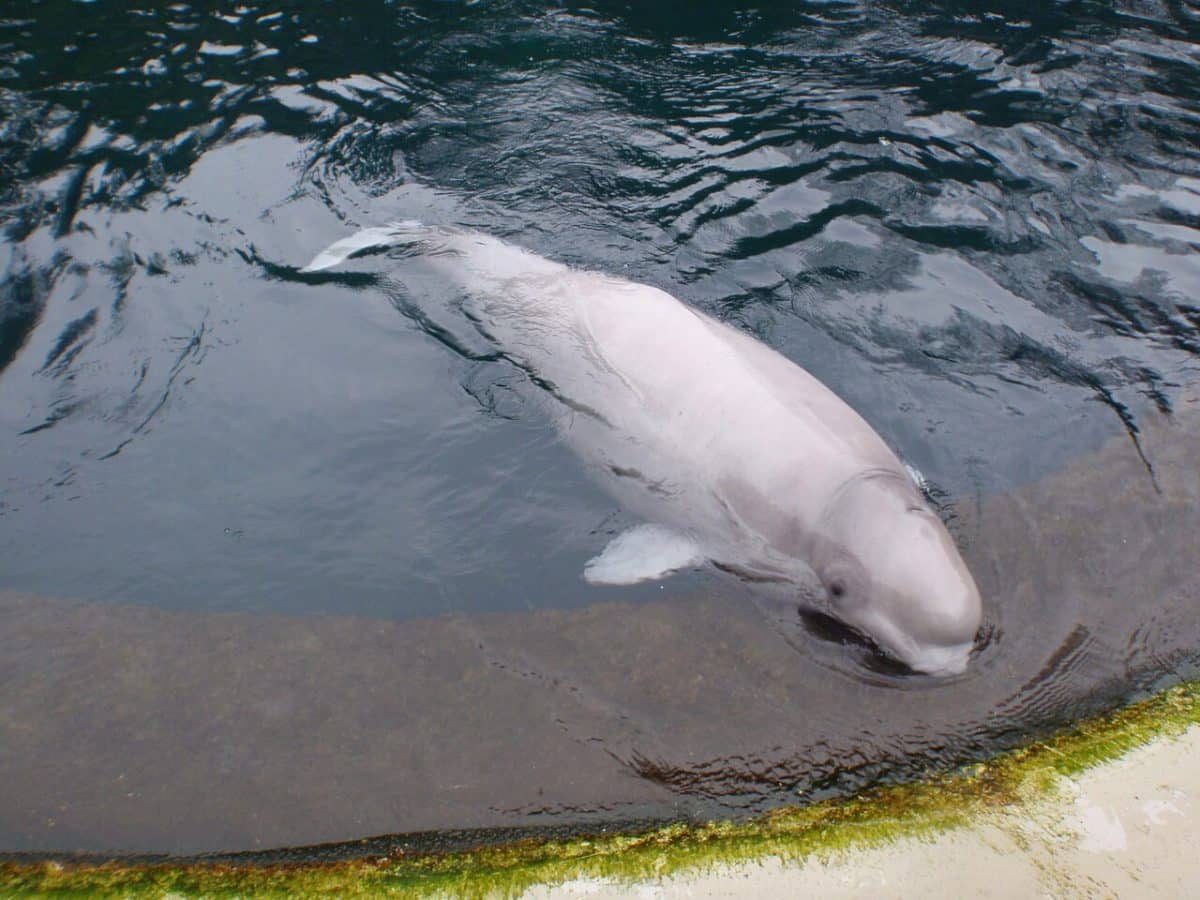
American scientists have discovered that partner switching among beluga whales helps small populations maintain genetic diversity and reduces the risks of inbreeding, thereby supporting the long-term survival of the species.
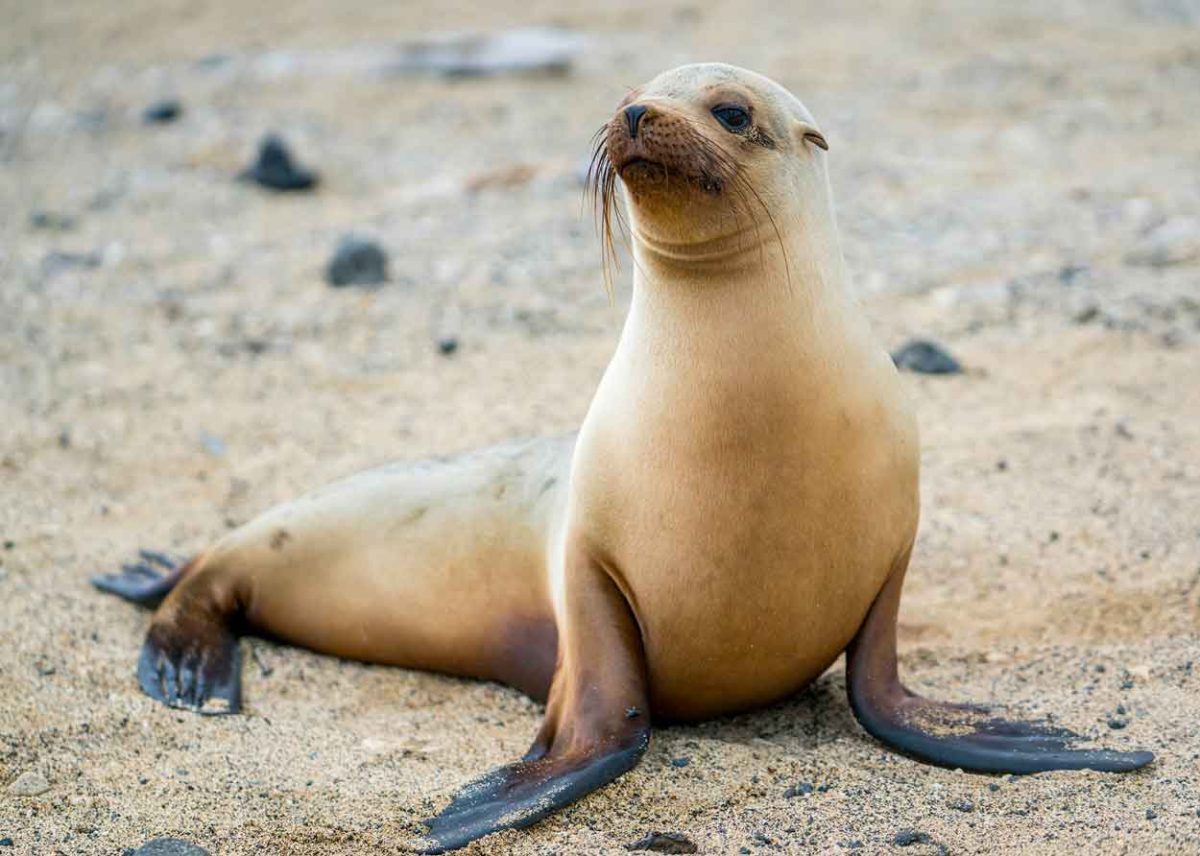
Long-term observations in the Galapagos have revealed that adult sea lions continue to nurse from their mothers, defying typical biological norms. This unusual behavior raises new questions for scientists.
Centuries of living alongside humans have led Apennine brown bears to become less aggressive on a genetic level. Research has identified genes associated with peaceful behavior, which has helped the population survive in close proximity to people.
The experiment demonstrated that bacterial spores can survive the extreme conditions of spaceflight. This supports the possibility of life being transferred between planets and highlights the need for caution when searching for extraterrestrial organisms.
Even after thorough sterilization, spacecraft can still carry terrestrial bacteria to Mars—microorganisms capable of surviving in extreme conditions. This complicates the search for genuine Martian life and calls for new methods to control contamination.
The study revealed that ordinary baker's yeast can survive in conditions that mimic the Martian environment, thanks to a unique stress response mechanism. This discovery is significant for future space exploration.
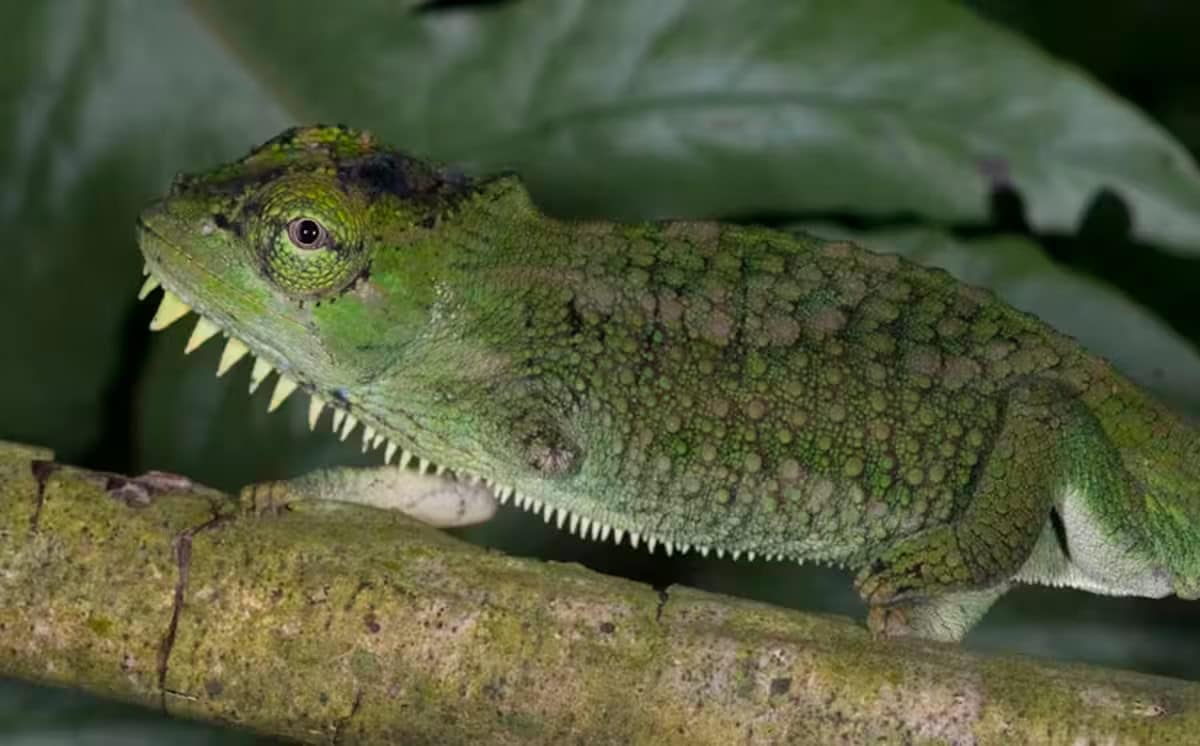
A new study has shown that lizards which have lost their limbs are able to successfully adapt and survive in the wild, remaining active and even reproducing. These findings challenge traditional views on natural selection.

 Cursus