

Yeast demonstrated survival in Martian conditions
The study revealed that ordinary baker's yeast can survive in conditions that mimic the Martian environment, thanks to a unique stress response mechanism. This discovery is significant for future space exploration.
Cursus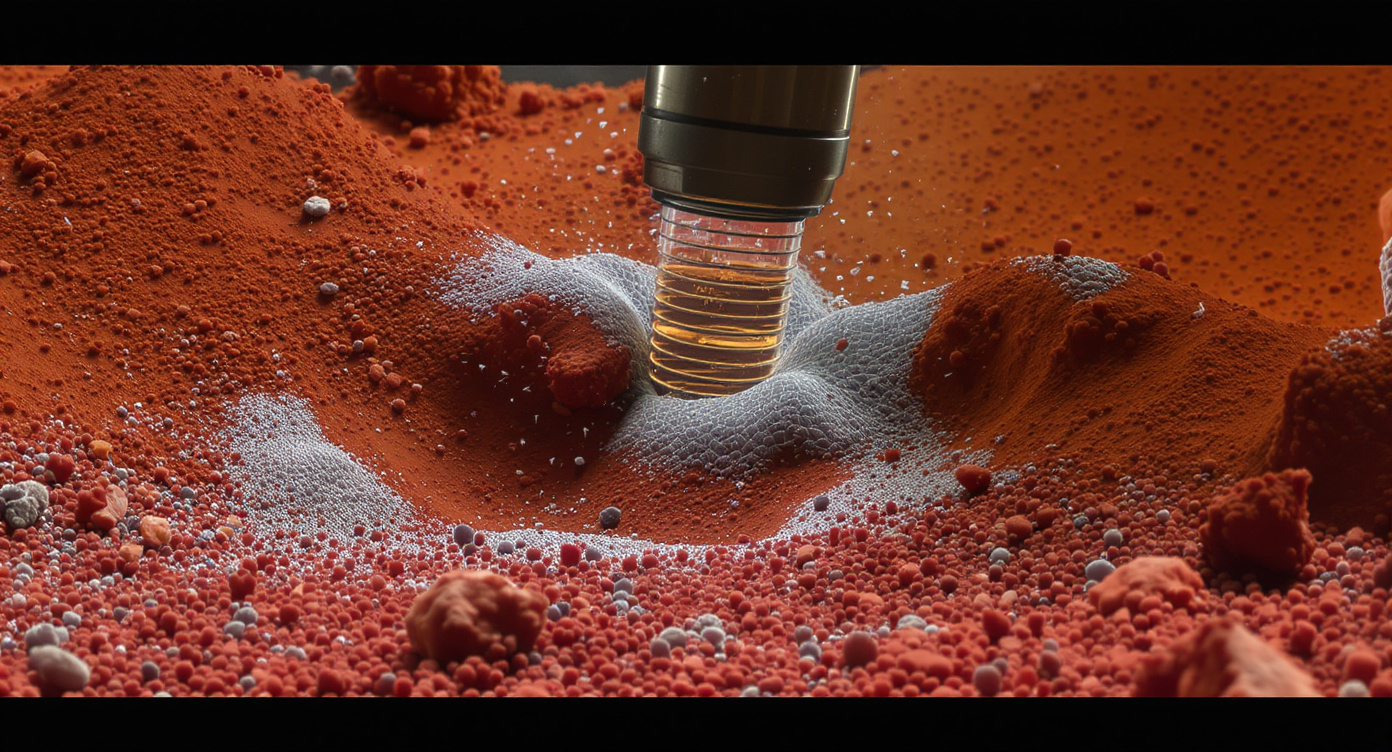
Astrobiologists conducted an experiment in which ordinary baker's yeast was placed in conditions simulating the Martian environment. The study showed that these organisms can withstand the effects of Martian factors thanks to a unique stress response mechanism.
Perchlorates on Mars: A Threat to Life
In 2008, the Phoenix lander confirmed that Martian soil is rich in perchlorates—salts of perchloric acid. Later, their presence was also detected by Mars rovers. Perchlorates are widespread on Mars and make up the majority of all salts found there. It is believed they formed under the influence of ultraviolet radiation in reactions involving chlorine and metal oxides.
Perchlorates are toxic substances that damage DNA and proteins. Combined with high radiation levels, extreme cold, and low atmospheric pressure, they make the Martian environment extremely inhospitable for Earth-based life.
Additional Threats: Meteorites and Shock Waves
Another risk factor for life on Mars is the high frequency of meteorite and asteroid impacts due to the planet's thin atmosphere. Each impact is accompanied by a shock wave that can damage living cells.
Yeast Experiment: Survival in Martian Conditions
Recently, researchers from India studied the effects of perchlorates and shock waves on the viability of organisms. In the experiment, yeast was placed in a medium with a sodium perchlorate concentration matching that of Mars (100 millimoles per liter) and exposed to shock waves up to Mach 5.6. The results were published in the journal Proceedings of the National Academy of Sciences Nexus.
The study used common baker's yeast, Saccharomyces cerevisiae. These organisms typically prefer normal conditions but can survive in extreme situations. Yeast is well-studied and grows quickly, allowing researchers to obtain experimental results rapidly.
Yeast Survival Mechanism
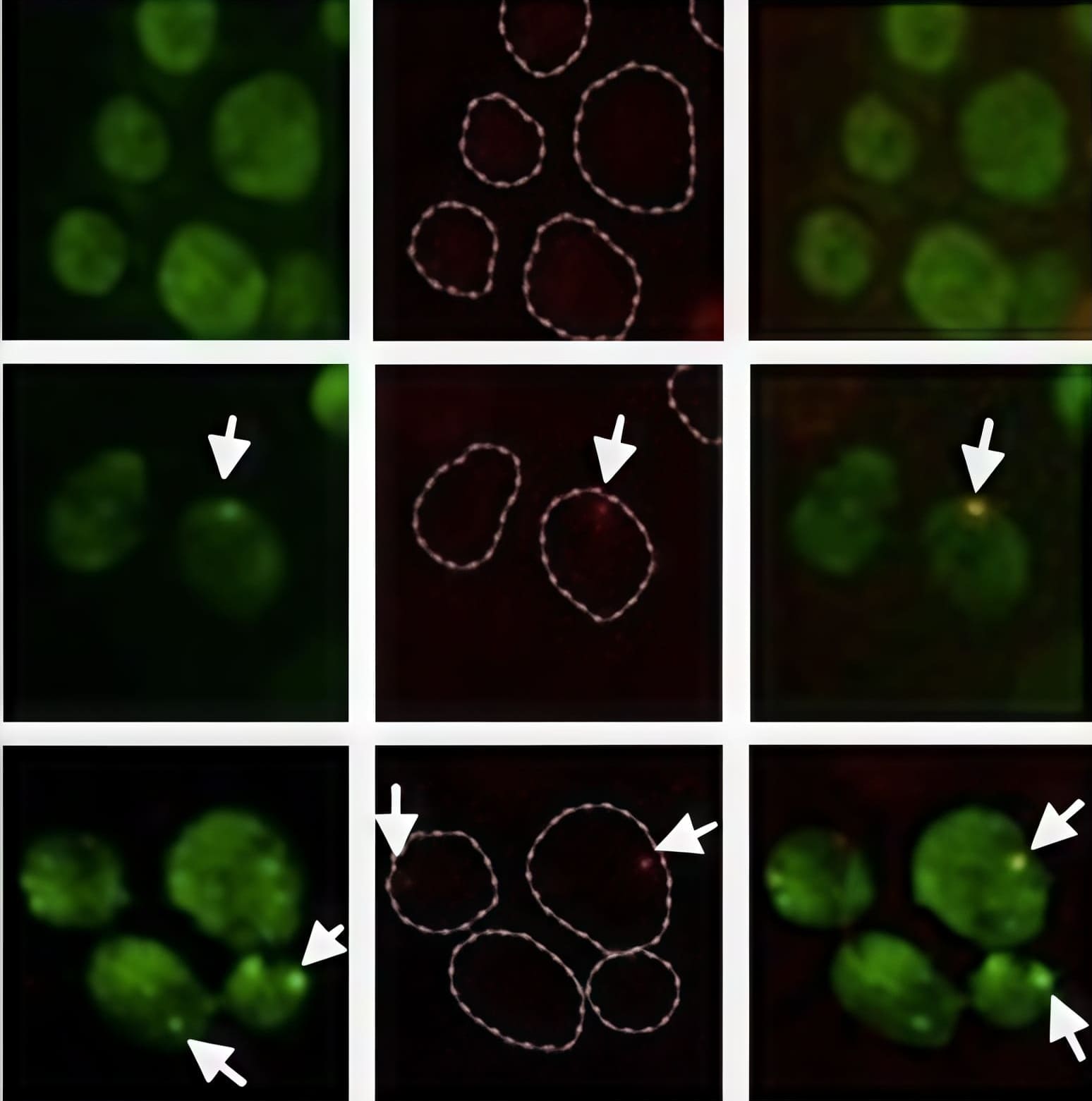
During the experiment, the yeast demonstrated remarkable resilience. It was found that, for protection, they formed and accumulated ribonucleoprotein condensates—microscopic granules made of RNA and proteins.
This process signaled the cells' transition into emergency mode: reproduction stopped, instructions for building cellular components were preserved and sorted, and damaged ones were disposed of. Yeast growth slowed, but they remained viable.
Implications for Space Research
The same type of yeast is used aboard the BioSentinel probe, launched in 2022 and now orbiting the Sun. The experiment aims to study the effects of radiation in interplanetary space. It is possible that living cells are still surviving inside the satellite.