A study of microbial life deep within a meteorite crater in Sweden has revealed that archaea and bacteria can survive and produce methane without access to light or external hydrogen. These findings support the hypothesis that life could potentially exist beneath the surface of Mars.
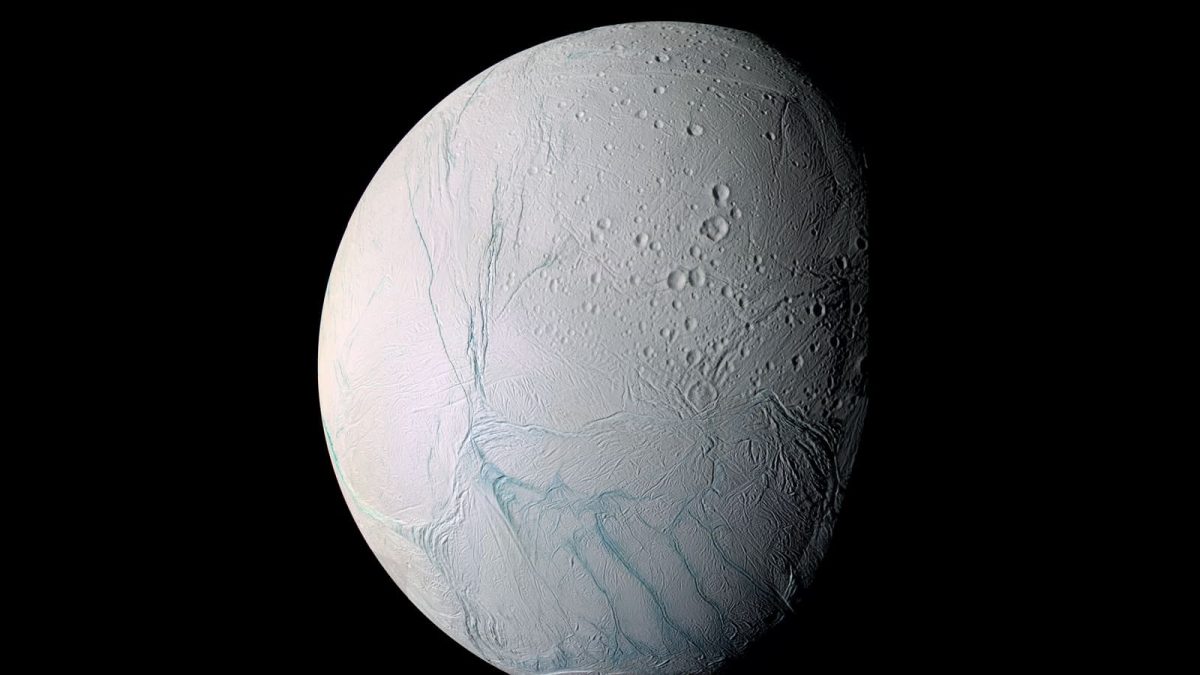
New data have shown that Enceladus’s internal heat is distributed across the entire surface of the moon, not just at the south pole. This finding strengthens the hypothesis that a global subsurface ocean exists.
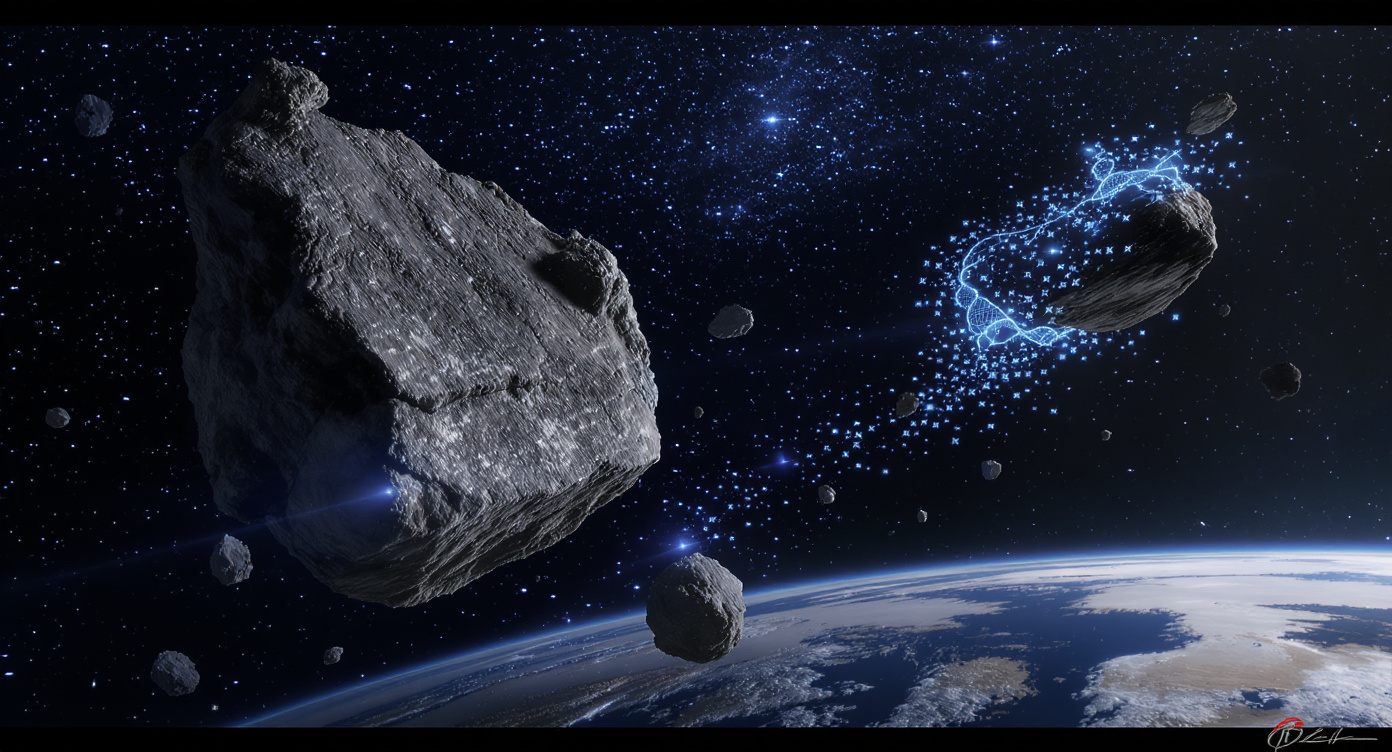
Scientists have analyzed data on possible extraterrestrial life and discovered complex organic compounds, including DNA components, in the Orgueil and Murchison meteorites. While the question of the existence of alien microbes remains open, research confirms that the "ingredients" for life can form in space.
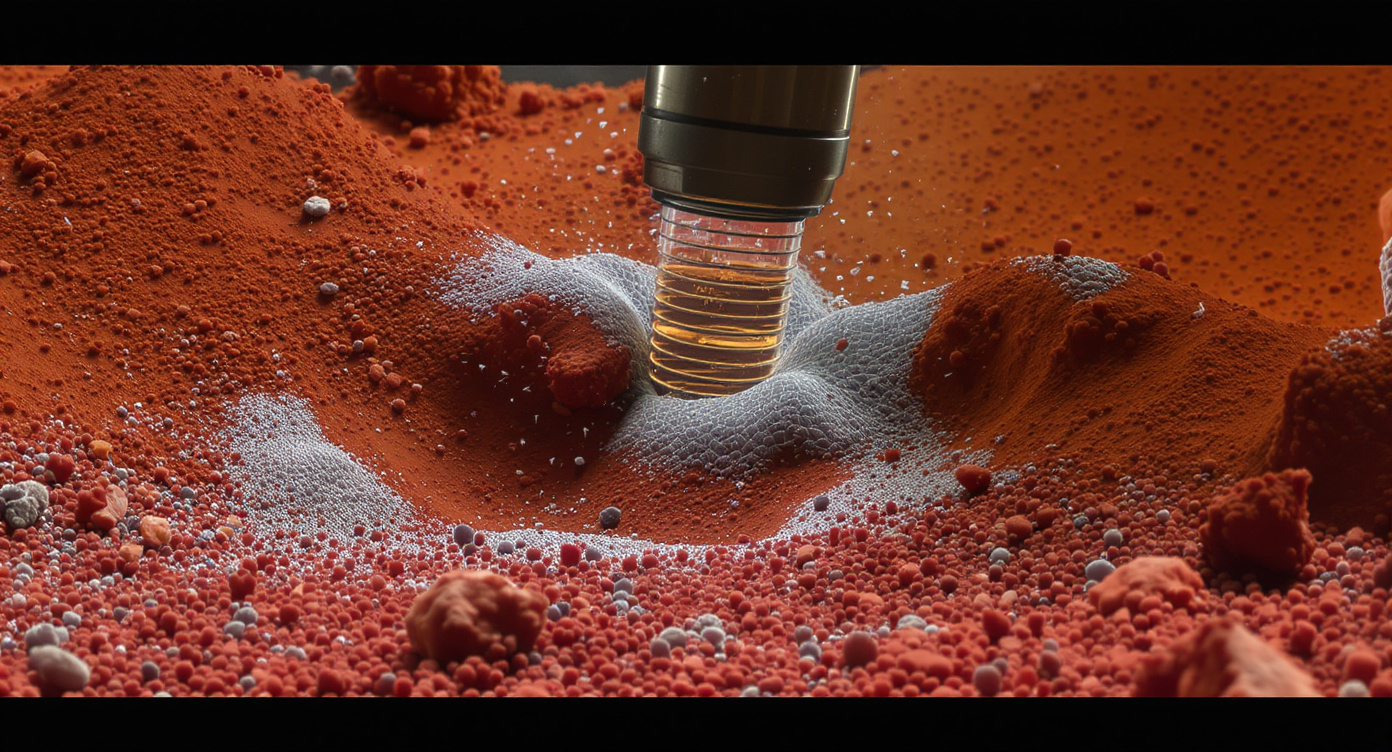
The study revealed that ordinary baker's yeast can survive in conditions that mimic the Martian environment, thanks to a unique stress response mechanism. This discovery is significant for future space exploration.
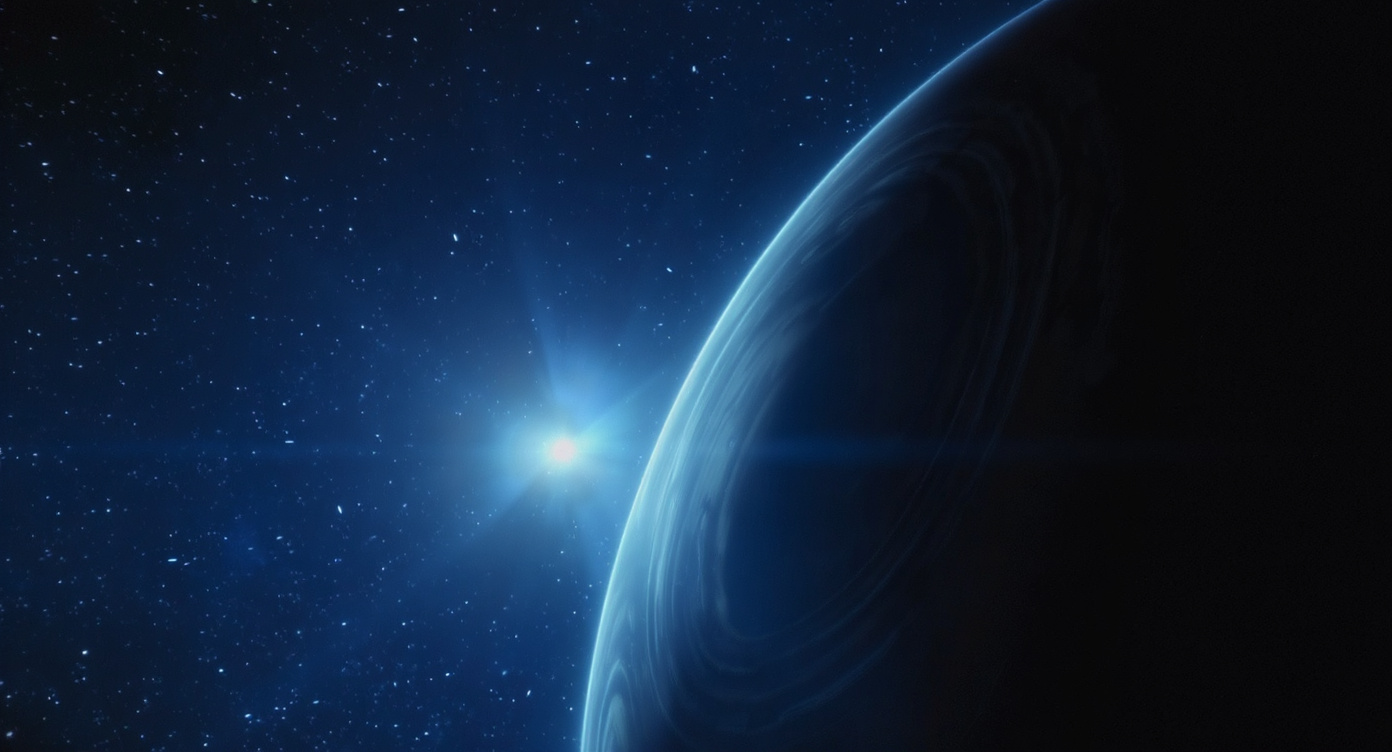
Astronomers using the James Webb Telescope have ruled out the presence of a dense hydrogen atmosphere on the exoplanet TRAPPIST-1 e, but the question of a secondary atmosphere remains unresolved. If such an atmosphere exists, liquid water could potentially be present on the planet's surface.
Recent experiments have shown that under extreme conditions, not only water but also a mixture of sulfuric acid and organic compounds can serve as a solvent for life. This broadens our understanding of possible forms of life beyond Earth.

 Cursus