A new study of ancient rocks in Northern Australia has revealed that even the earliest eukaryotes depended on oxygen. This evidence confirms the crucial role of oxygen in the evolution of complex life on Earth.
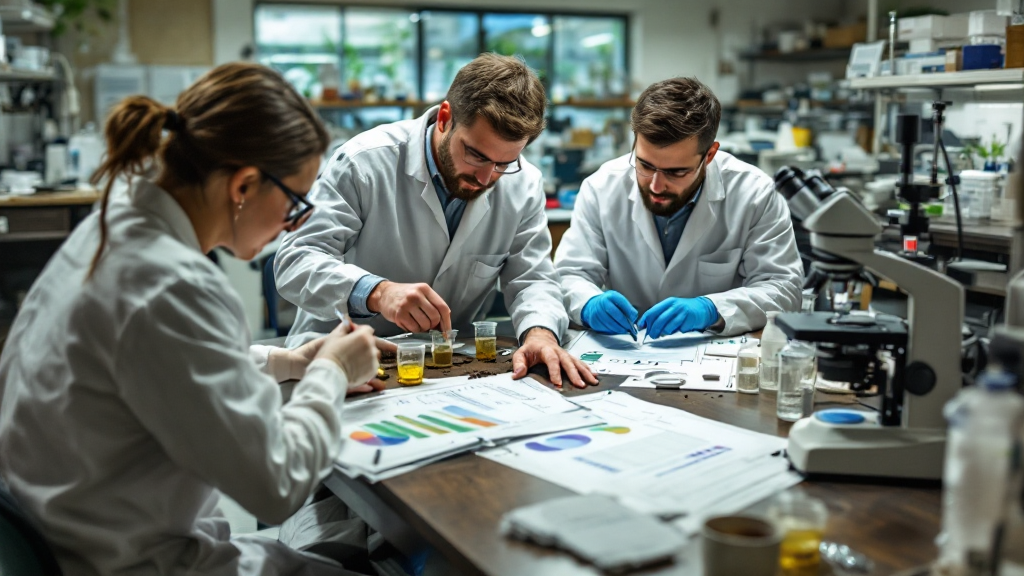
Scientists have developed a more accessible and cost-effective method for determining biologically active phosphorus in soil, which is linked to microbial activity. This new approach will help study soil fertility more efficiently and make better use of limited phosphorus resources in agriculture.
American researchers have developed a technology that transforms plastic waste into protein-rich food using genetically modified yeast. While widespread adoption is still a long way off, this method opens up new possibilities for recycling plastics and producing food products.
The Arctic permafrost holds vast reserves of organic carbon, which can be released into the ocean as it thaws and influence the climate. Recent studies show that only a portion of this carbon turns into greenhouse gases, while most of it remains on the ocean floor. This finding is crucial for predicting future climate changes.
A study of microbial life deep within a meteorite crater in Sweden has revealed that archaea and bacteria can survive and produce methane without access to light or external hydrogen. These findings support the hypothesis that life could potentially exist beneath the surface of Mars.
The study found that yeast in flowers helps bumblebees locate nectar more quickly by making it easier for them to find collection openings. However, this process harms the plants by depriving them of pollination.
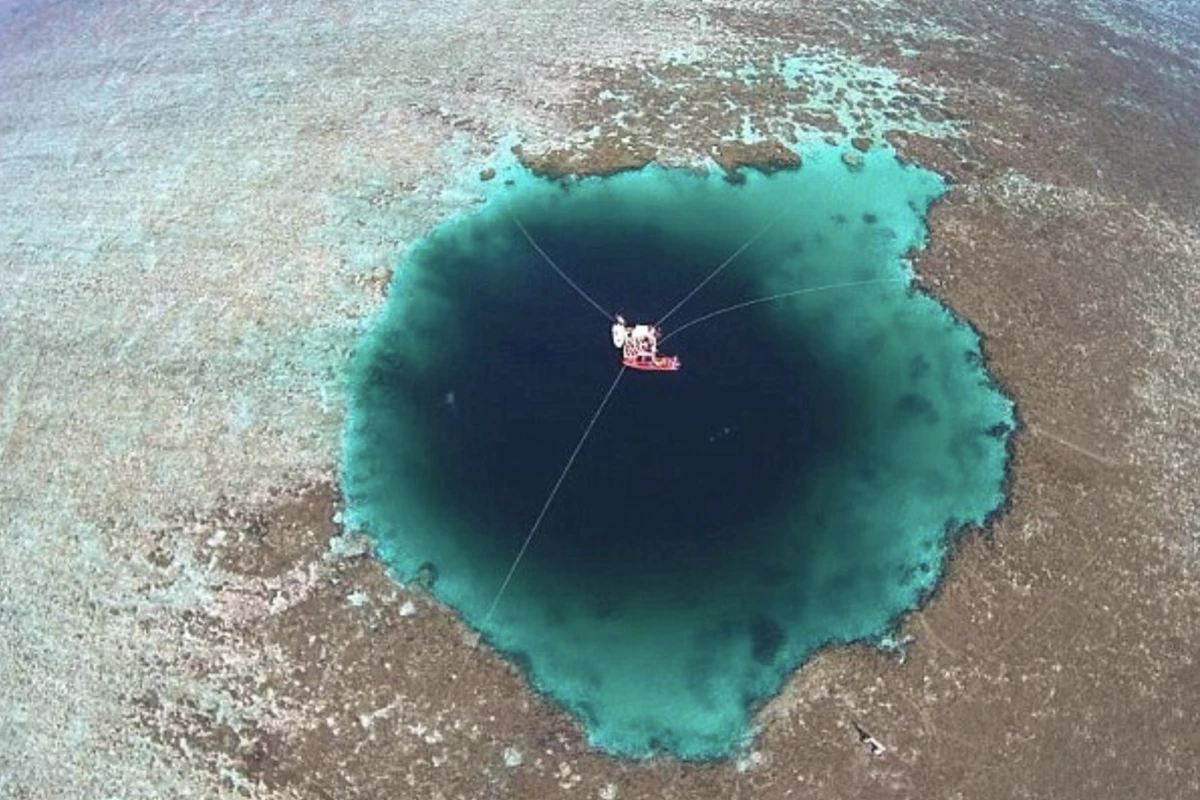
The Dragon Hole in the South China Sea is a unique blue hole where, at great depths, there is almost no oxygen or typical marine life. In its isolated layers, scientists have discovered unusual communities of microbes and viruses, including previously unknown species, making this place a natural laboratory for studying extreme forms of life.
The study found that even minor earthquakes can temporarily increase the resources available to underground microbes by altering the chemical composition of aquifers. This discovery offers new insights into how life can survive deep within the Earth and potentially on other planets.

 Cursus