 Natura
Ecology and environment · Climate ChangeResearch and development · BiotechnologyResearch and development · Climate Research
Deep-sea archaea adapt to ocean warming
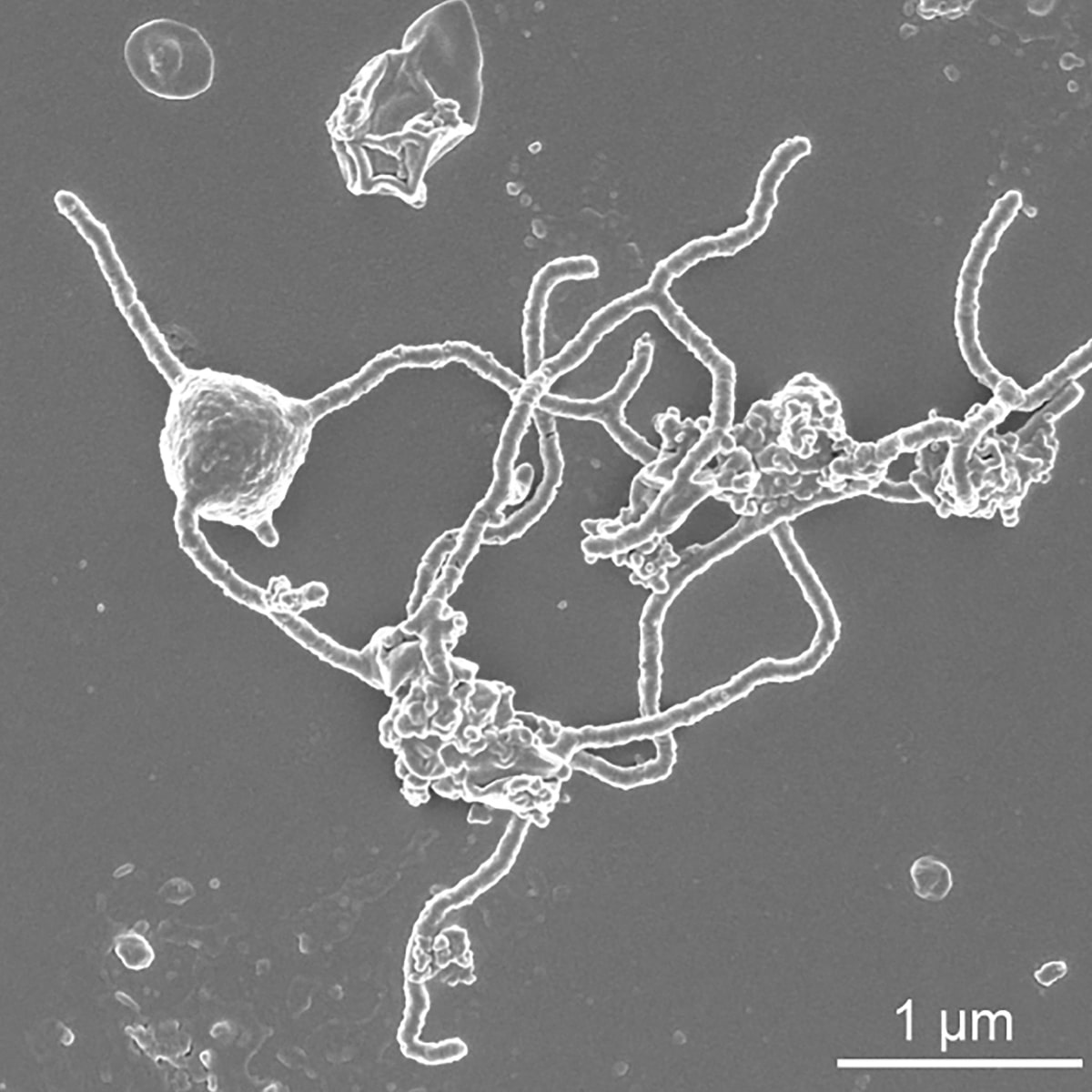
Studies show that Nitrosopumilus maritimus microbes are able to adapt to ocean warming and iron deficiency, while maintaining their crucial role in the nitrogen cycle. This adaptability may influence the biochemistry and resilience of marine ecosystems in the face of climate change.
0 —