After the completion of the Artemis II mission, NASA specialists are conducting a thorough analysis of the collected data, confirming the successful operation of key systems. The results obtained pave the way for the next stages of the program, including preparations for Artemis III and future crewed expeditions to the Moon and Mars.
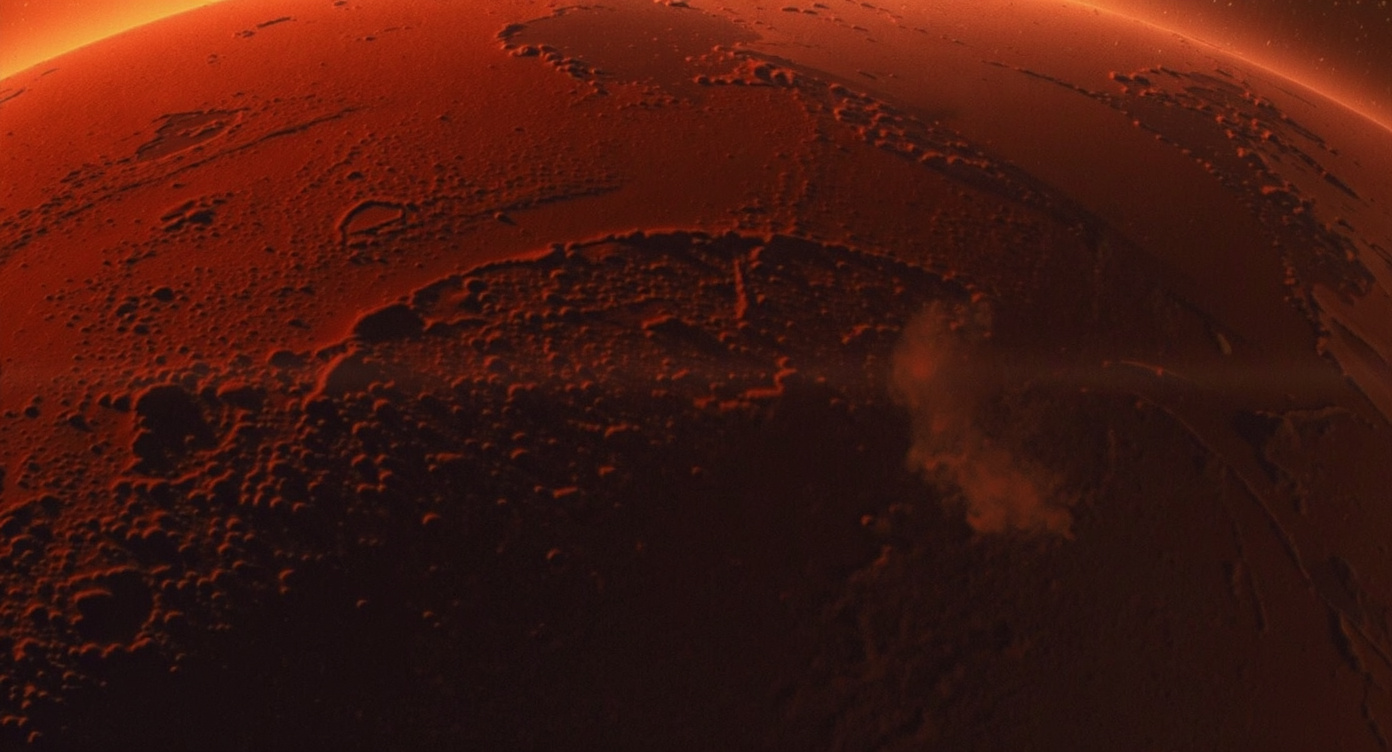
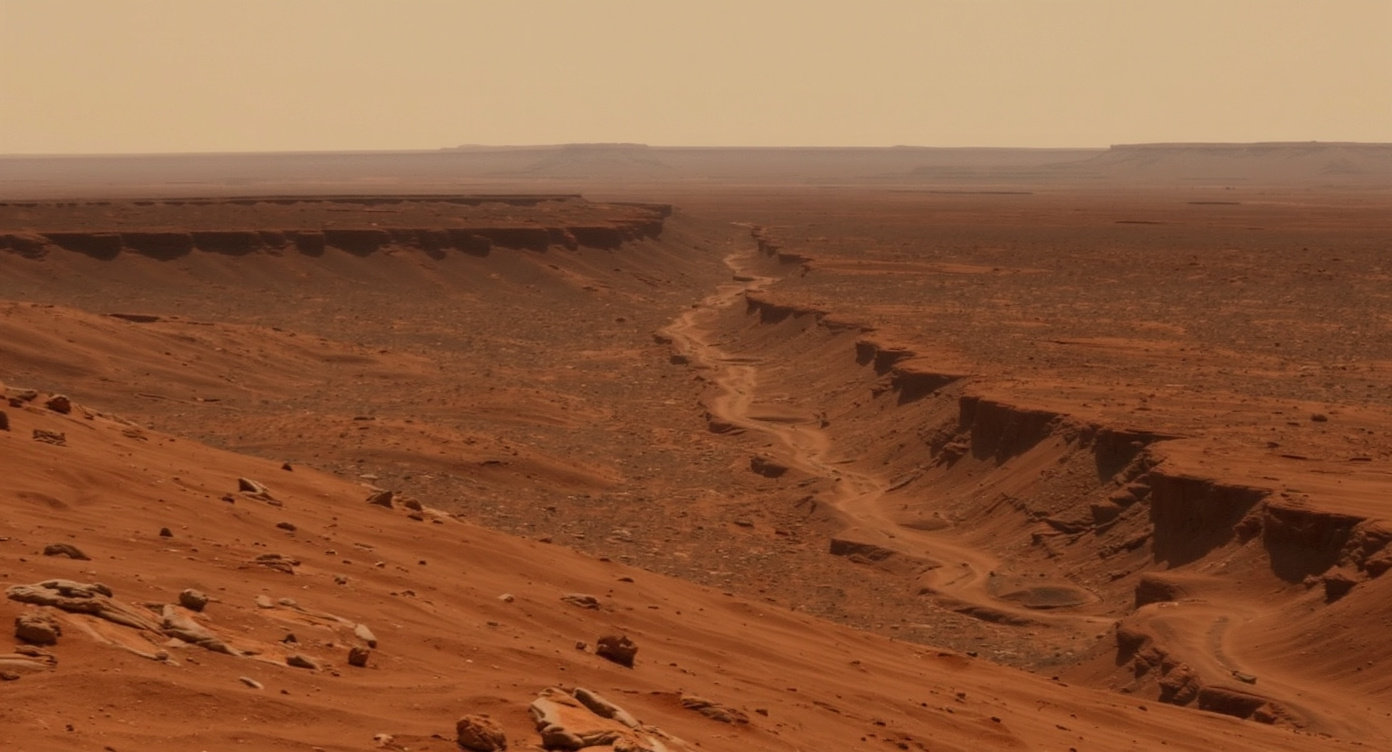
The Mars Express orbiter has captured images of the Arabia Terra region on Mars, revealing ancient craters and evidence of past water activity. These findings help deepen our understanding of the planet's geological and climatic history.
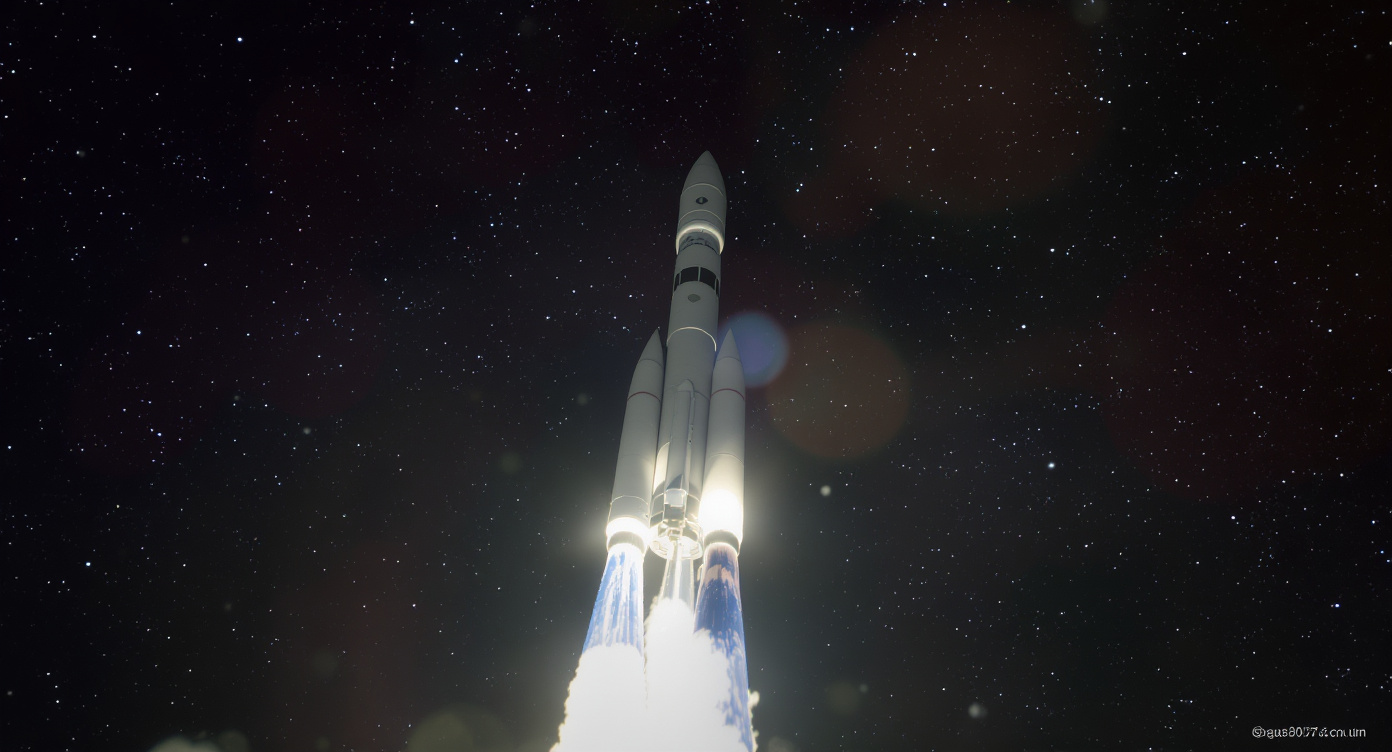
The crewed lunar flyby as part of the Artemis II mission has been postponed again due to technical issues with the SLS rocket. The launch, which was previously scheduled for March, has been delayed indefinitely to allow time to resolve the malfunctions.
The Perseverance rover has used a new technology for the first time that allows it to independently determine its exact location on Mars by comparing its own photos with orbital images. This advancement speeds up navigation and reduces delays when moving across the planet's surface.
A study of microbial life deep within a meteorite crater in Sweden has revealed that archaea and bacteria can survive and produce methane without access to light or external hydrogen. These findings support the hypothesis that life could potentially exist beneath the surface of Mars.
Scientists have analyzed data on possible extraterrestrial life and discovered complex organic compounds, including DNA components, in the Orgueil and Murchison meteorites. While the question of the existence of alien microbes remains open, research confirms that the "ingredients" for life can form in space.
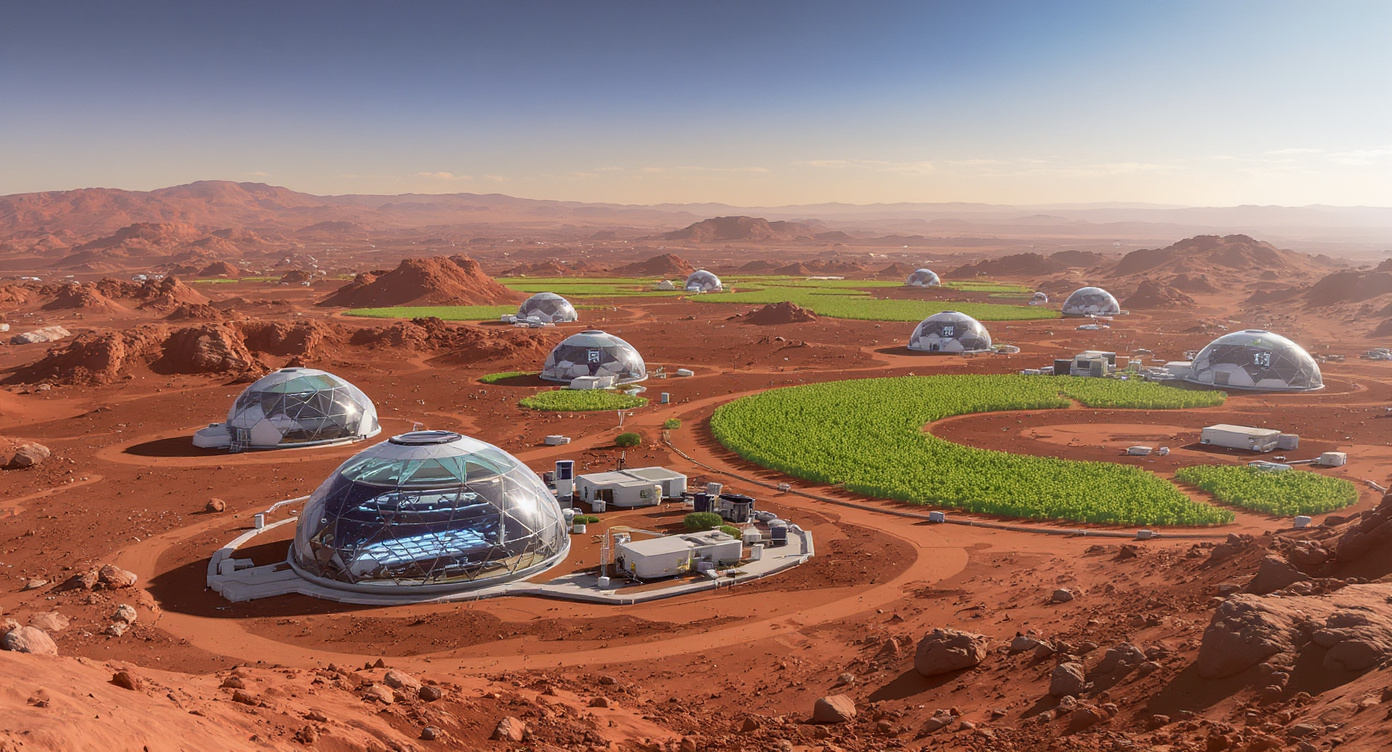
Scientists have developed a step-by-step plan to create an oxygen-rich, breathable atmosphere on Mars by utilizing local resources and photosynthesis. Implementing this plan on a planetary scale could take thousands of years.
A new study suggests that microscopic channels filled with liquid salty water may exist beneath the surface of Mars, potentially providing an environment where life adapted to extreme conditions could theoretically survive.
The experiment demonstrated that bacterial spores can survive the extreme conditions of spaceflight. This supports the possibility of life being transferred between planets and highlights the need for caution when searching for extraterrestrial organisms.
Even after thorough sterilization, spacecraft can still carry terrestrial bacteria to Mars—microorganisms capable of surviving in extreme conditions. This complicates the search for genuine Martian life and calls for new methods to control contamination.
The study revealed that ordinary baker's yeast can survive in conditions that mimic the Martian environment, thanks to a unique stress response mechanism. This discovery is significant for future space exploration.
Gullies have been discovered on Mars that resemble those found on Earth, but scientists are skeptical that they were formed by water. A new study suggests that these features may have been created by landslides of dry sand and dust.
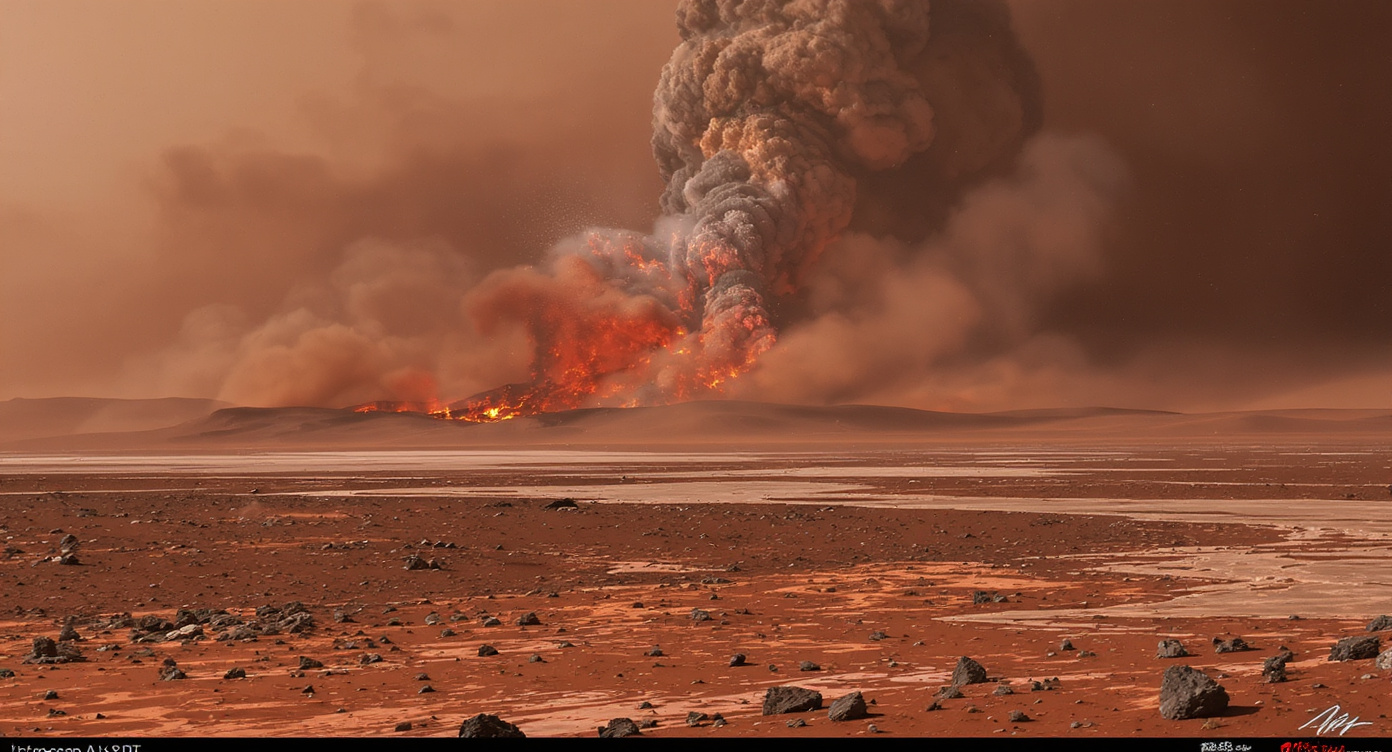
A new study has shown that powerful volcanic eruptions on early Mars may have led to the formation of thick ice sheets in the planet's equatorial regions. This explains the unusually high hydrogen content found in these areas and could play an important role in the future colonization of Mars.

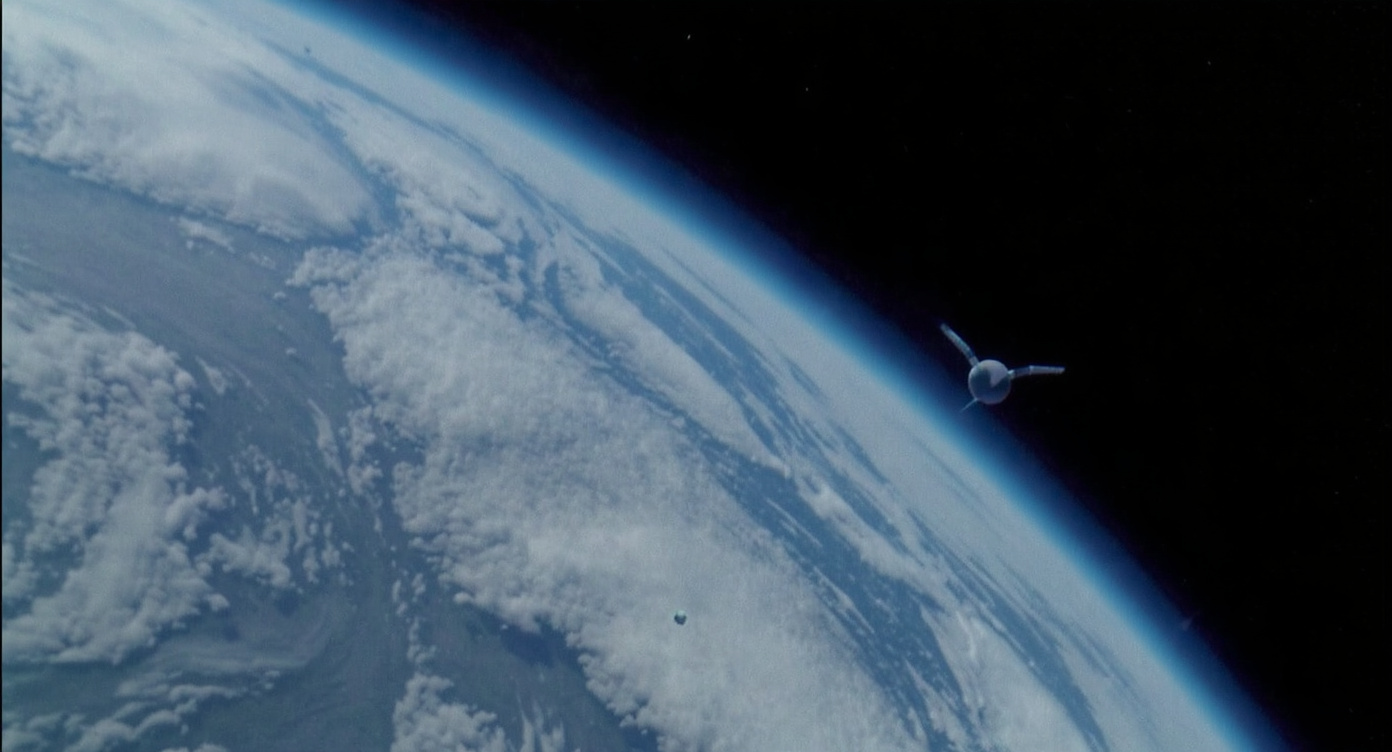
 Ingenium