The Perseverance rover has used a new technology for the first time that allows it to independently determine its exact location on Mars by comparing its own photos with orbital images. This advancement speeds up navigation and reduces delays when moving across the planet's surface.
Scientists are exploring the possibility of using EEG to restore movement in people with spinal cord injuries, offering a non-invasive alternative to implants. This method already allows researchers to detect attempts at movement, and there are plans to further develop it for controlling limb stimulators.
Researchers from Japan have introduced the Dual Perigee algorithm, which accelerates and enhances the reliability of blockchain networks for IoT by reducing latency by nearly 50% without increasing the load on devices. This approach opens up new opportunities for smart cities, industry, and healthcare.
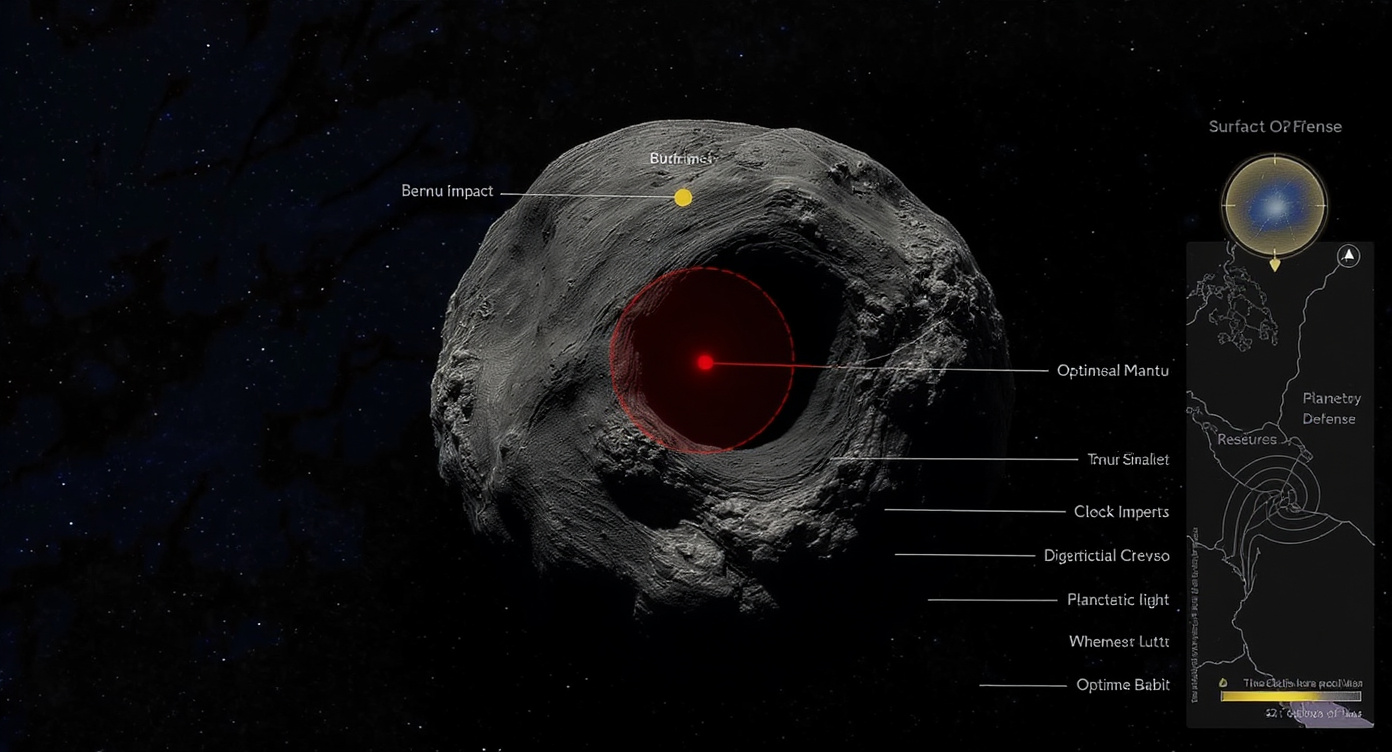
Even a successful asteroid deflection does not always guarantee the elimination of threats to Earth—it is crucial to precisely choose the impact point to minimize the risk of a future close encounter. Scientists are developing algorithms and using data from the asteroid Bennu to improve the effectiveness of planetary defense strategies.


 Ingenium