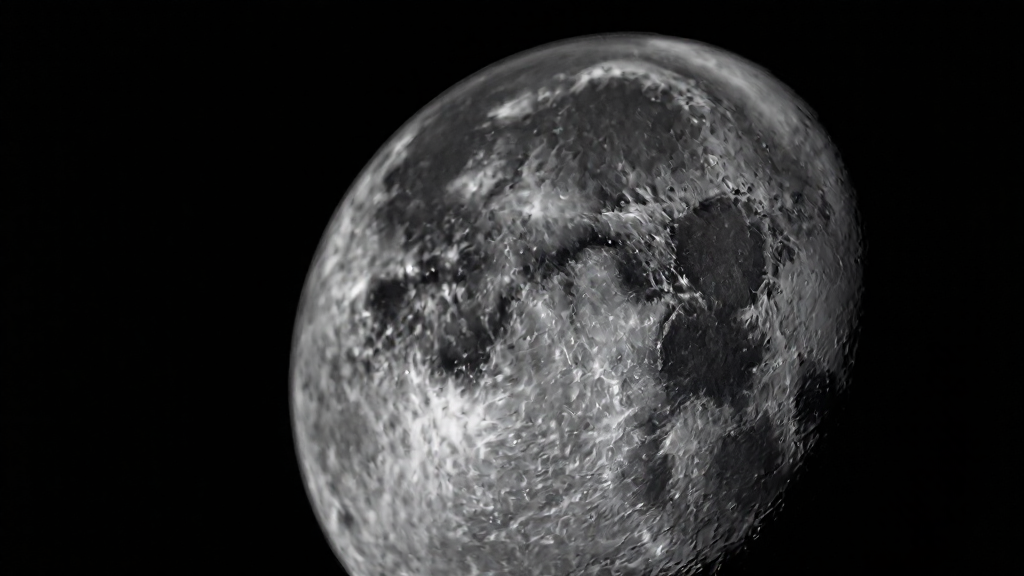
Astronomers have discovered a new large crater on the Moon, measuring 222 meters in diameter, which appeared in 2024. Studying this crater could provide valuable insights into collisions involving large objects and help in planning future lunar missions.
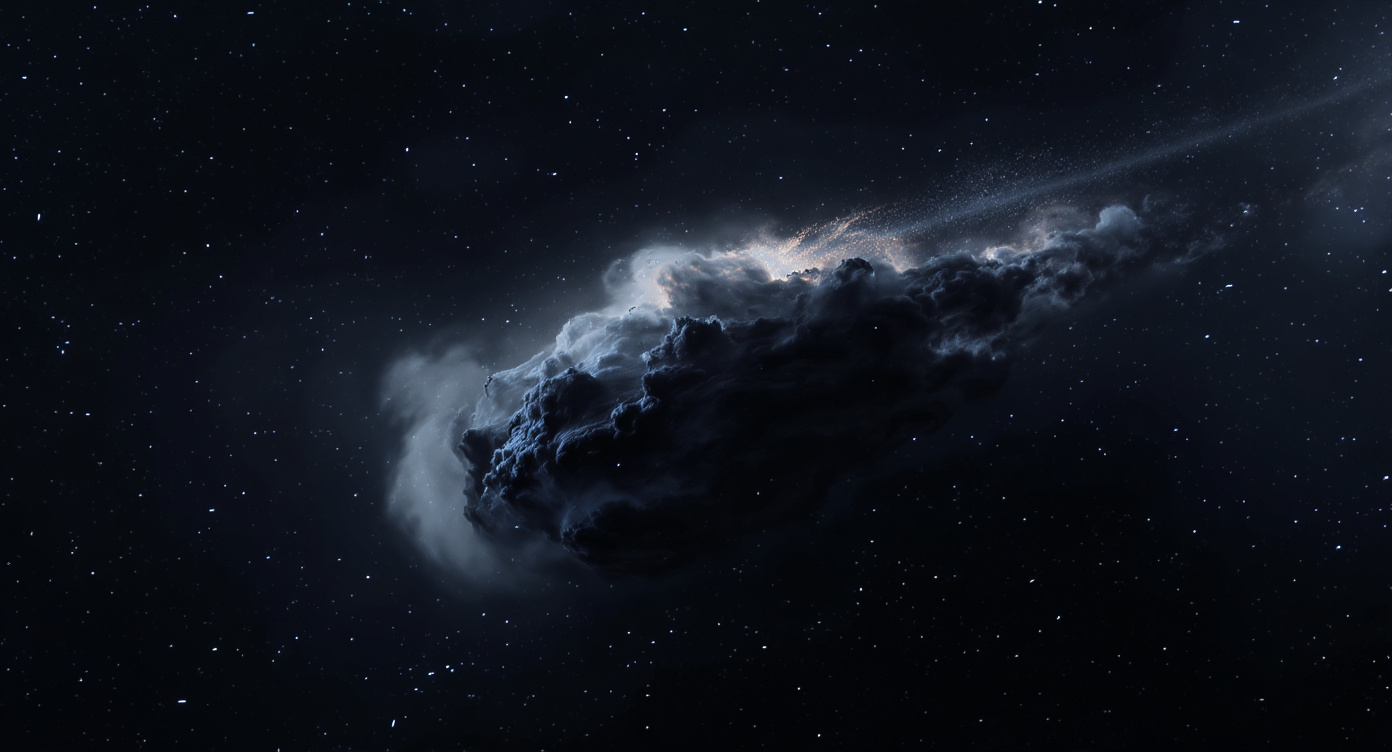
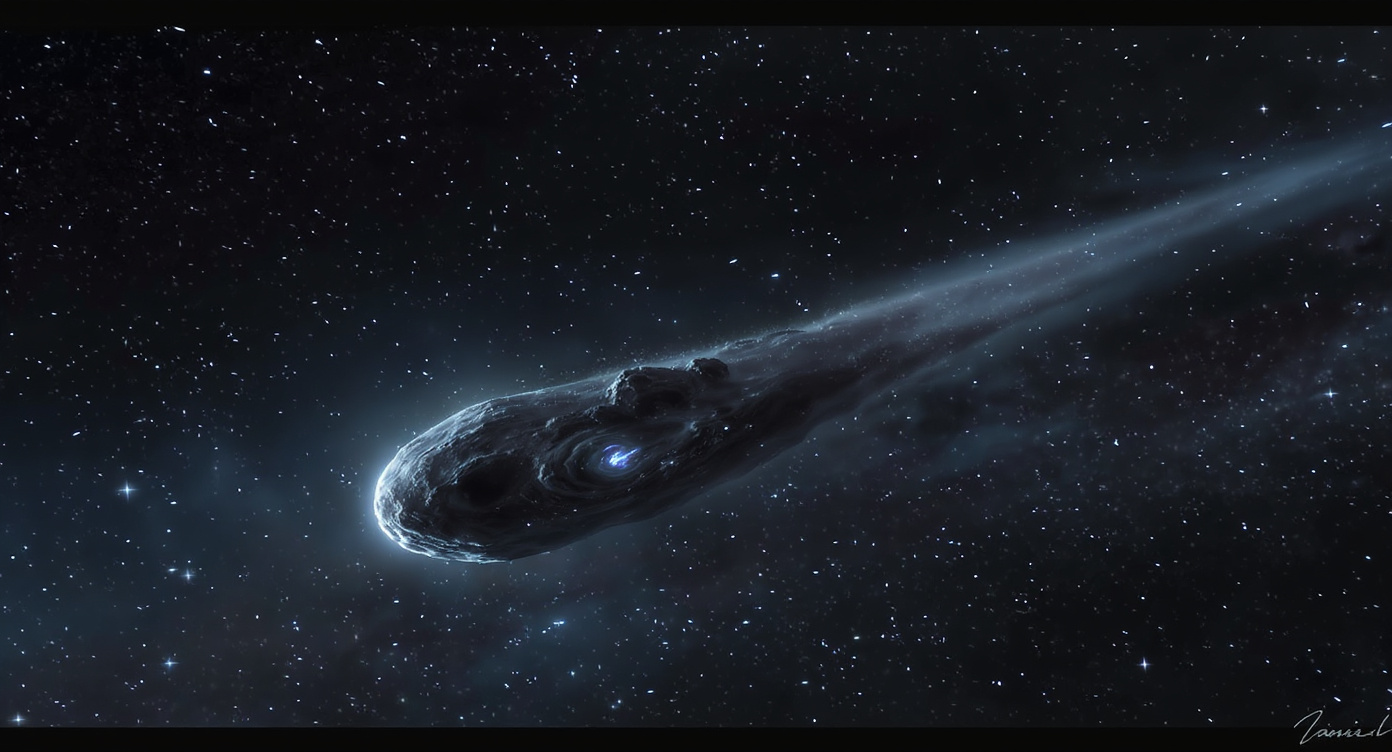
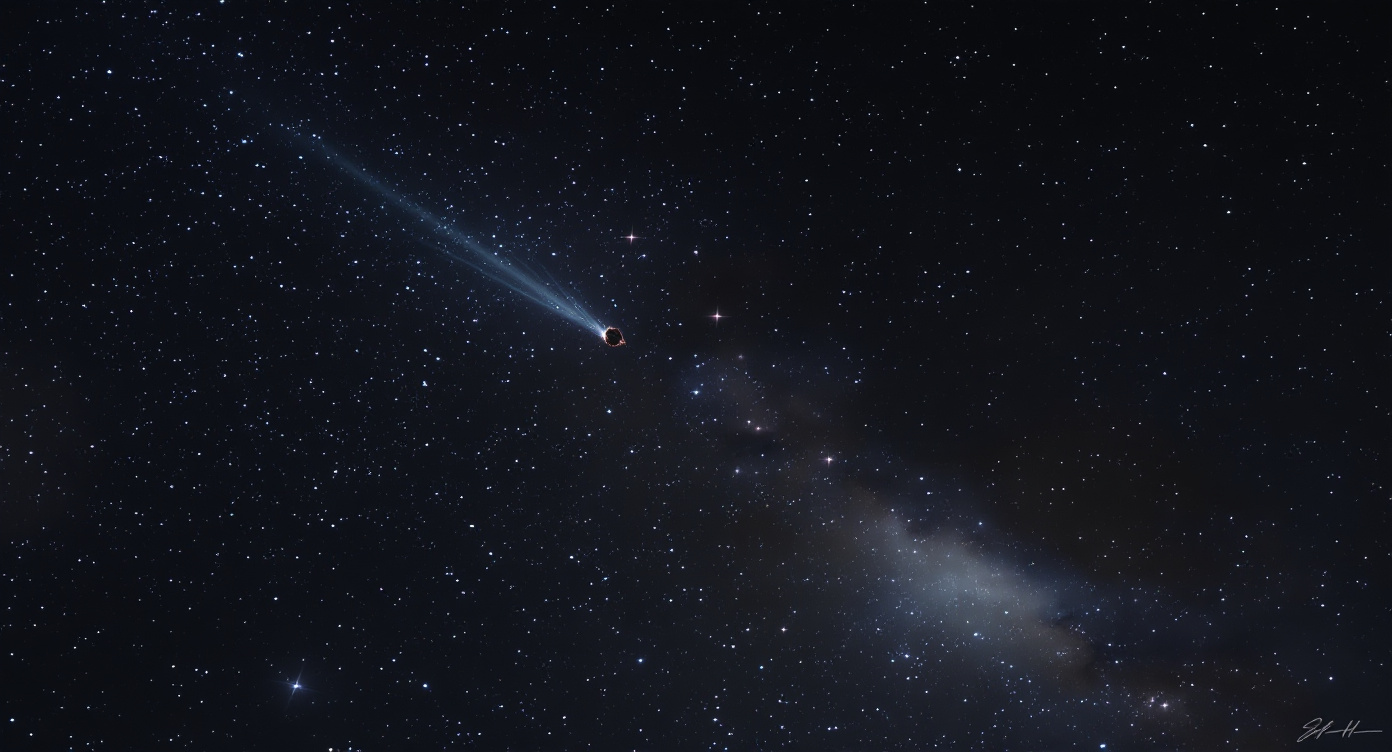
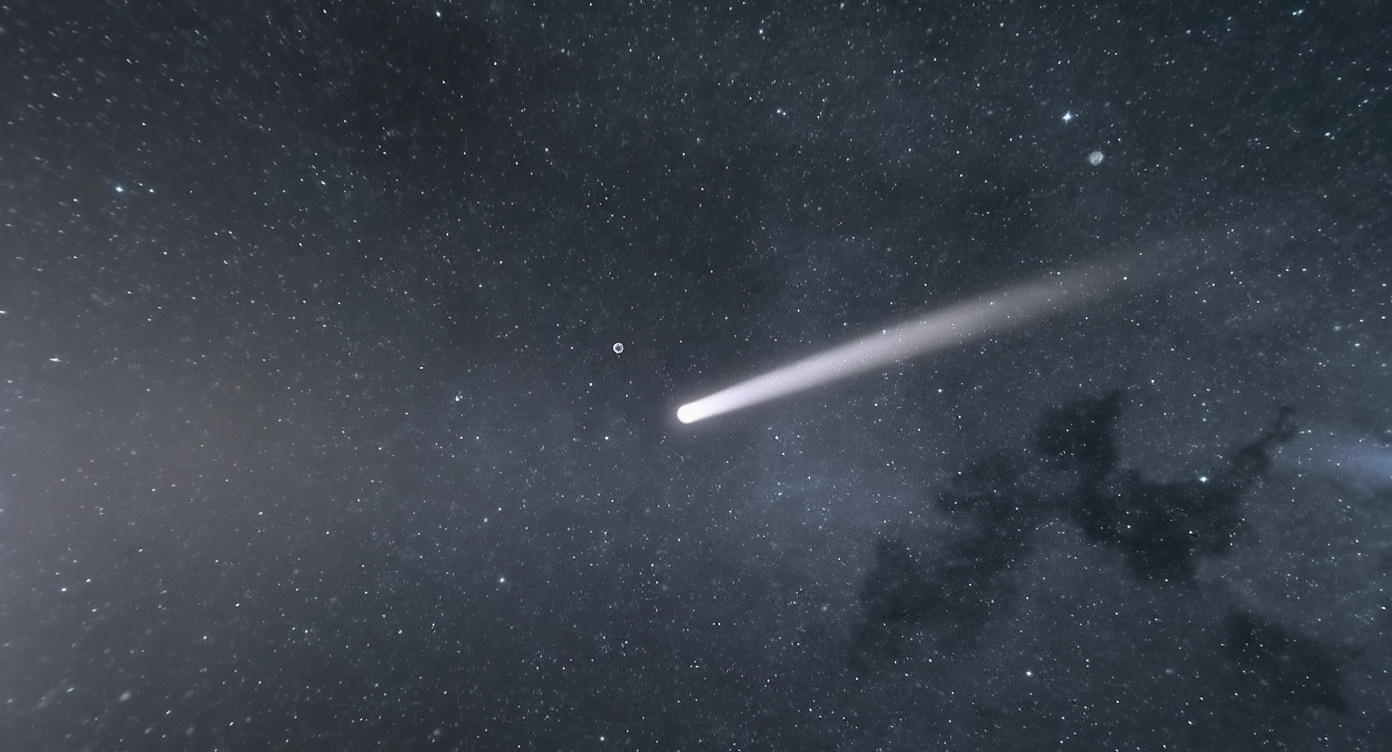
Recent studies have shown that the interstellar comet 3I/ATLAS contains an unusually high amount of methanol compared to other comets. This suggests that it formed under conditions different from those in our Solar System and helps us better understand the chemistry of other planetary systems.
The interstellar comet 3I/ATLAS has been recognized as one of the oldest ever observed by astronomers—its age is estimated at 10 to 12 billion years. Analysis of data from the James Webb Telescope suggests that the comet originated in the cold and distant regions of the early Milky Way.
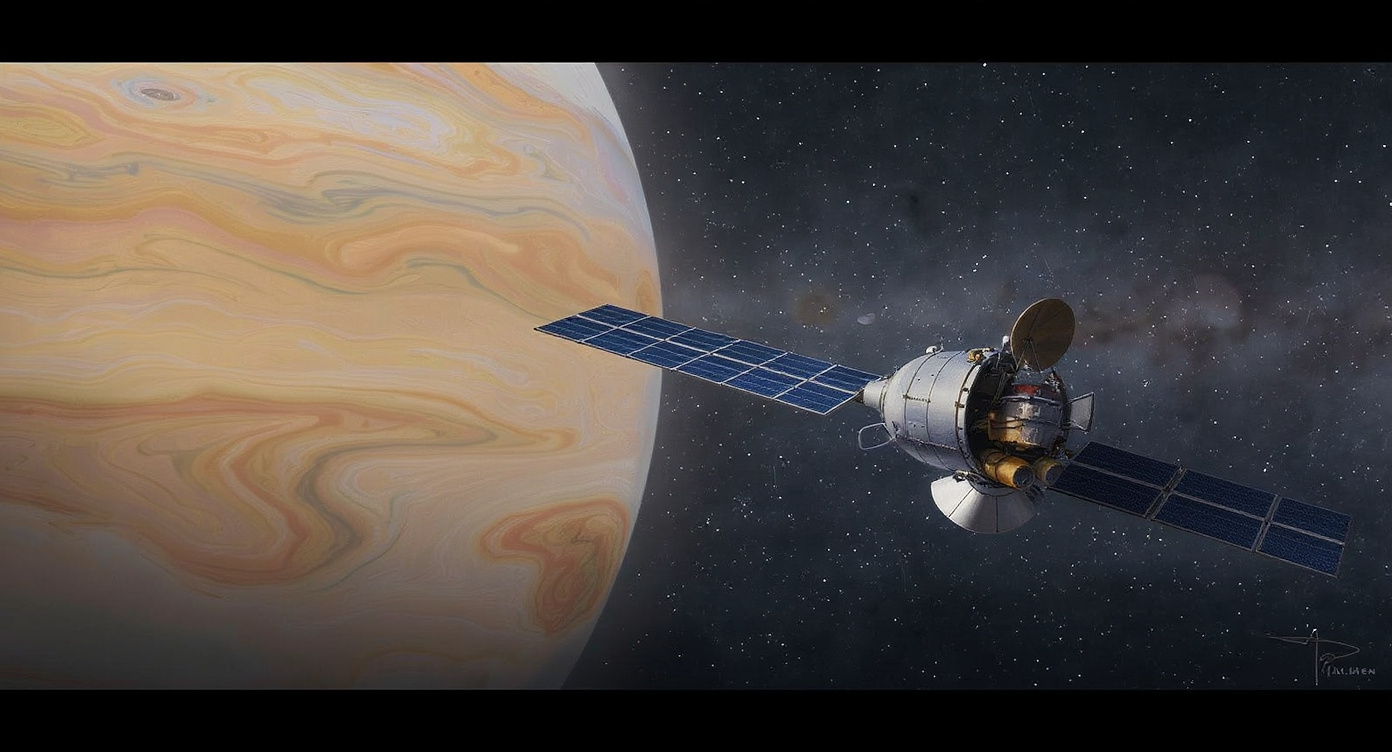
The European Space Agency has released the first images of the interstellar comet 3I/ATLAS, captured by the Juice spacecraft on its way to Jupiter. This data will provide new insights into the structure and origin of this rare object.
The ATLAS comet, which broke apart in 2020, left behind fragments that astronomers are still trying to locate. The fate of these remnants remains unknown, raising new questions about similar objects in our Solar System.
Most interstellar objects that reach Earth come from the direction of the constellation Hercules and most often fall near the equator during winter. Scientists continue to study their origins and the unique characteristics of their trajectories.
The Europa Clipper interplanetary station may pass through the tail of the interstellar comet 3I/ATLAS in the fall of 2025. If the probe detects particles from the comet, it would mark the first confirmed contact with an object from another star system.
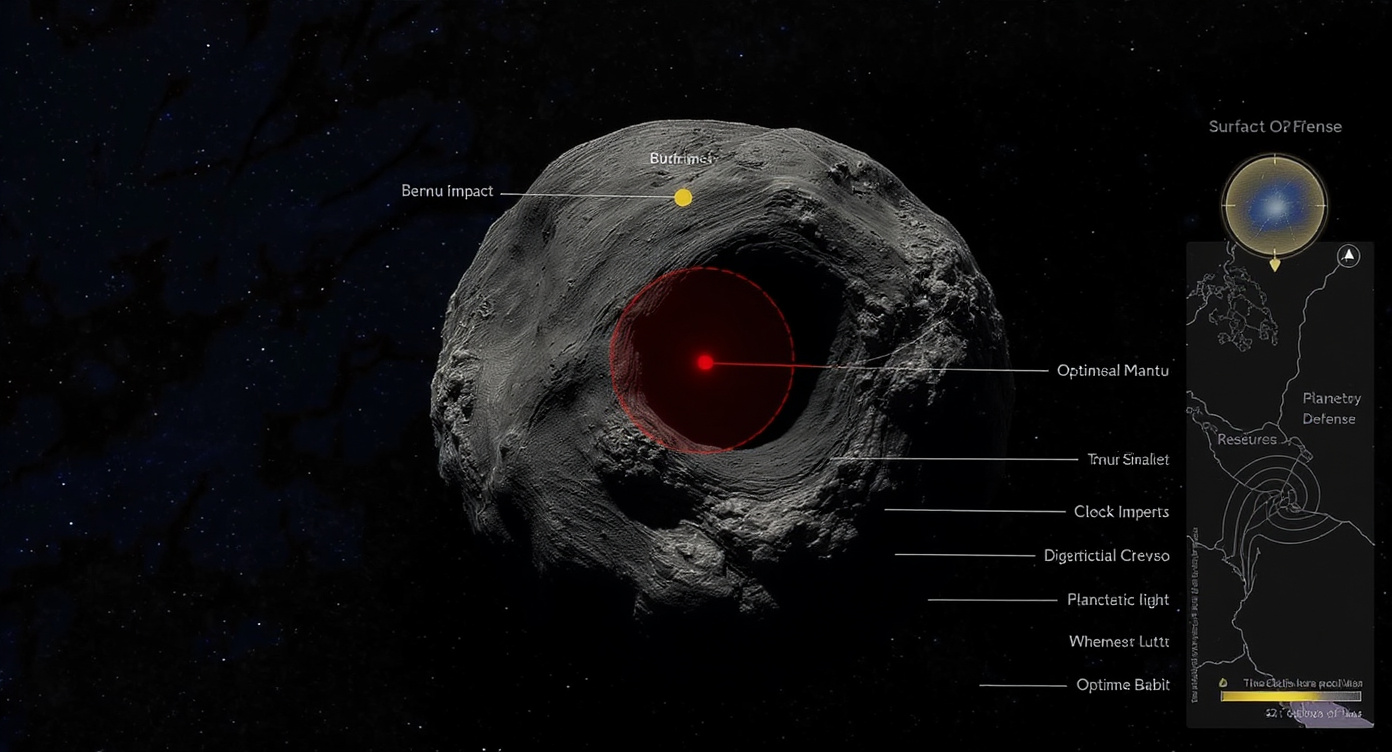
Even a successful asteroid deflection does not always guarantee the elimination of threats to Earth—it is crucial to precisely choose the impact point to minimize the risk of a future close encounter. Scientists are developing algorithms and using data from the asteroid Bennu to improve the effectiveness of planetary defense strategies.
The interstellar comet 3I/ATLAS is moving twice as fast as its predecessors, and scientists are unable to explain its unusually high speed. The origin of this object remains a mystery.

 Cursus