Astronomers have confirmed the discovery of the youngest known exoplanet, Elias 2-24 b, which is less than a million years old. This finding provides valuable insights into the early stages of planet formation.
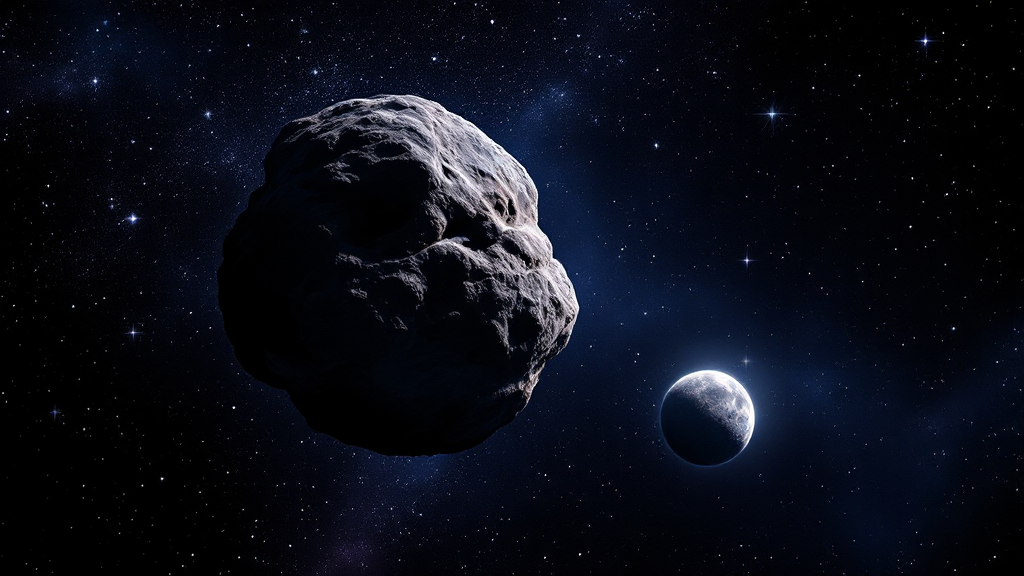
Astronomers have, for the first time, determined that asteroid 44 Nysa is composed of three distinct parts, making it unique among known asteroids. The origin of such a structure remains a mystery.
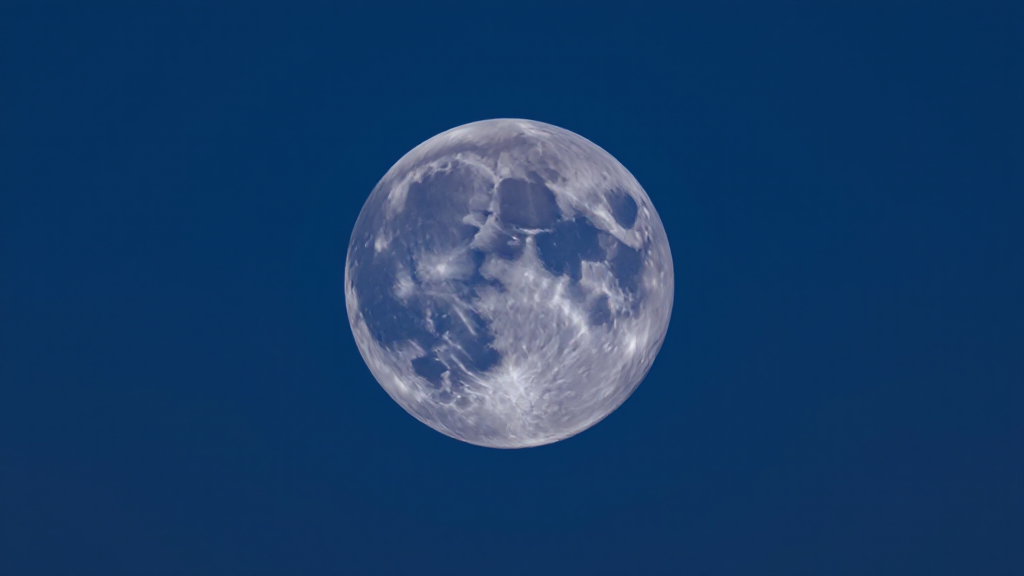
In August 2026, the upper stage of a Falcon 9 rocket will collide with the Moon, creating a crater and scattering debris. Astronomers plan to observe and document this event using telescopes and orbital spacecraft.
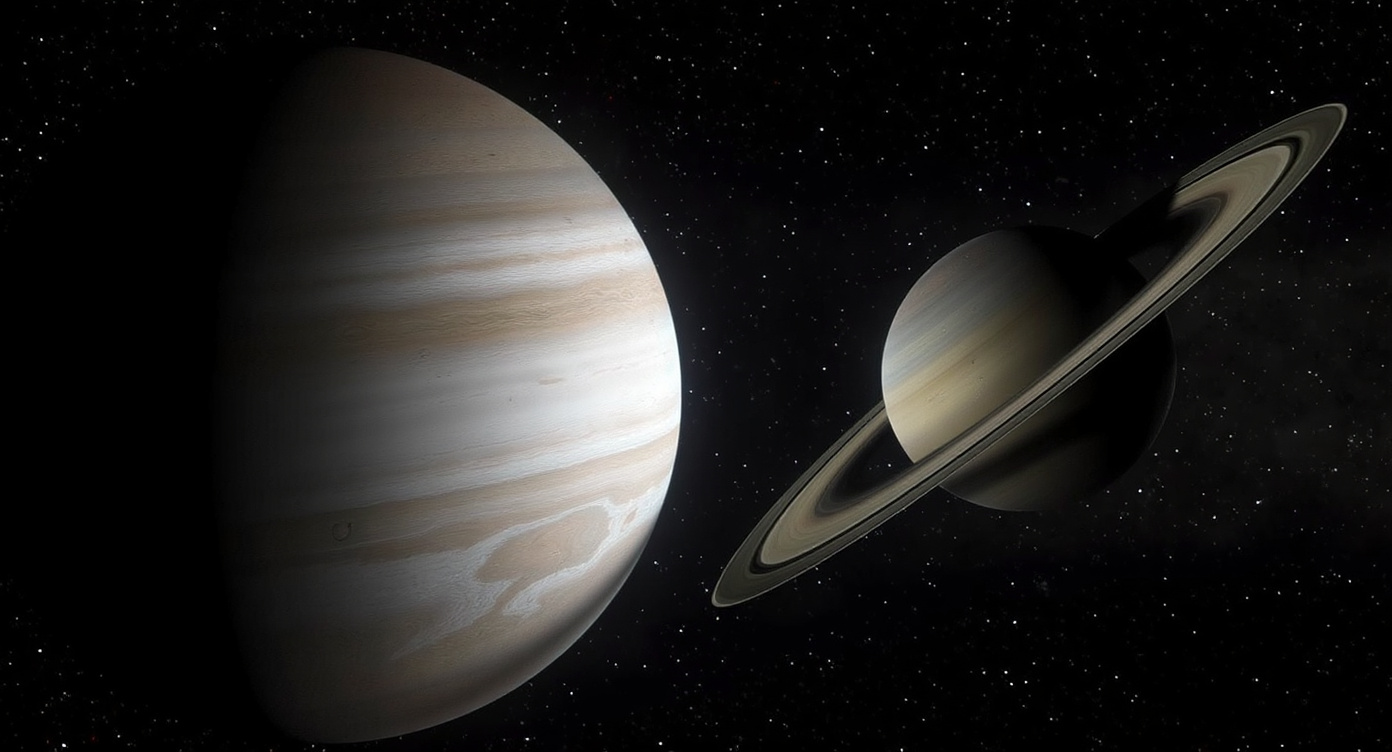
Astronomers have discovered new small moons orbiting Jupiter and Saturn using powerful telescopes. There are now 101 known moons around Jupiter and 285 around Saturn, and more discoveries are expected in the coming years.
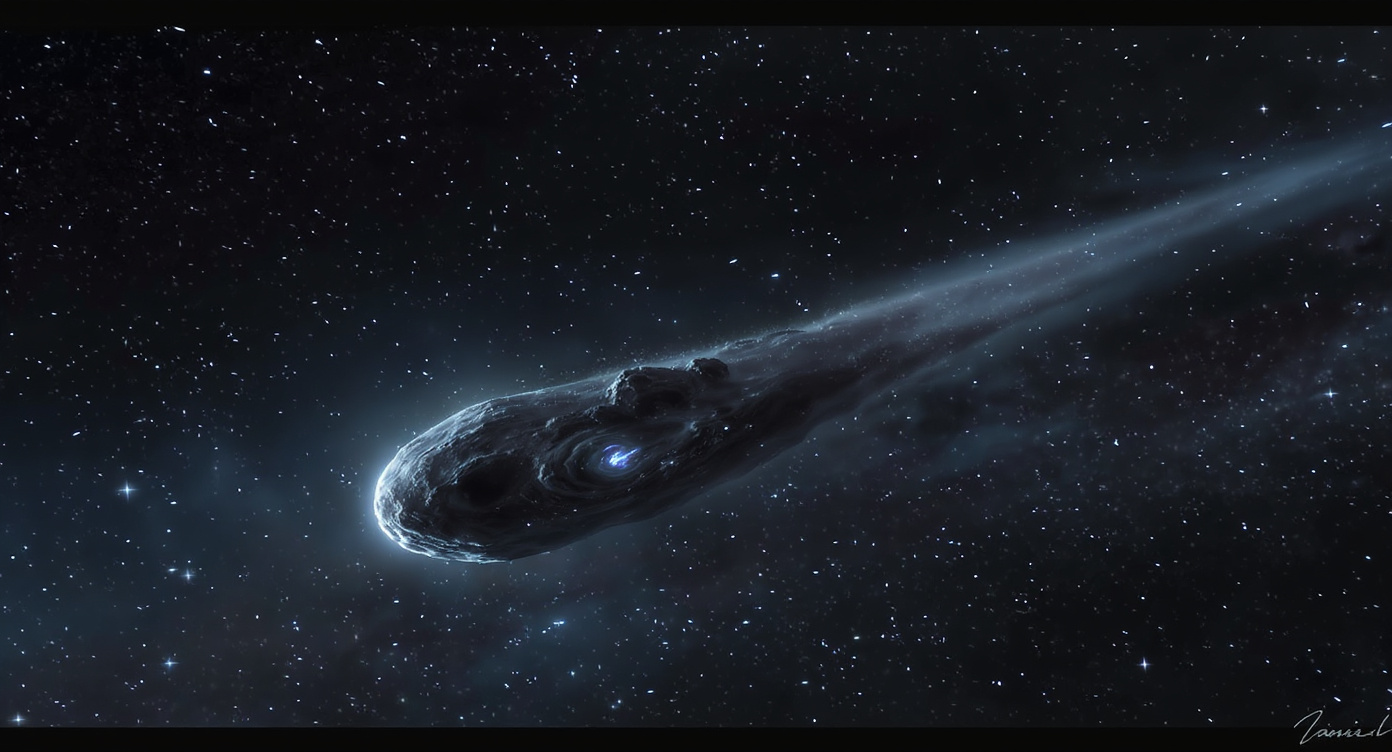
The interstellar comet 3I/ATLAS has been recognized as one of the oldest ever observed by astronomers—its age is estimated at 10 to 12 billion years. Analysis of data from the James Webb Telescope suggests that the comet originated in the cold and distant regions of the early Milky Way.
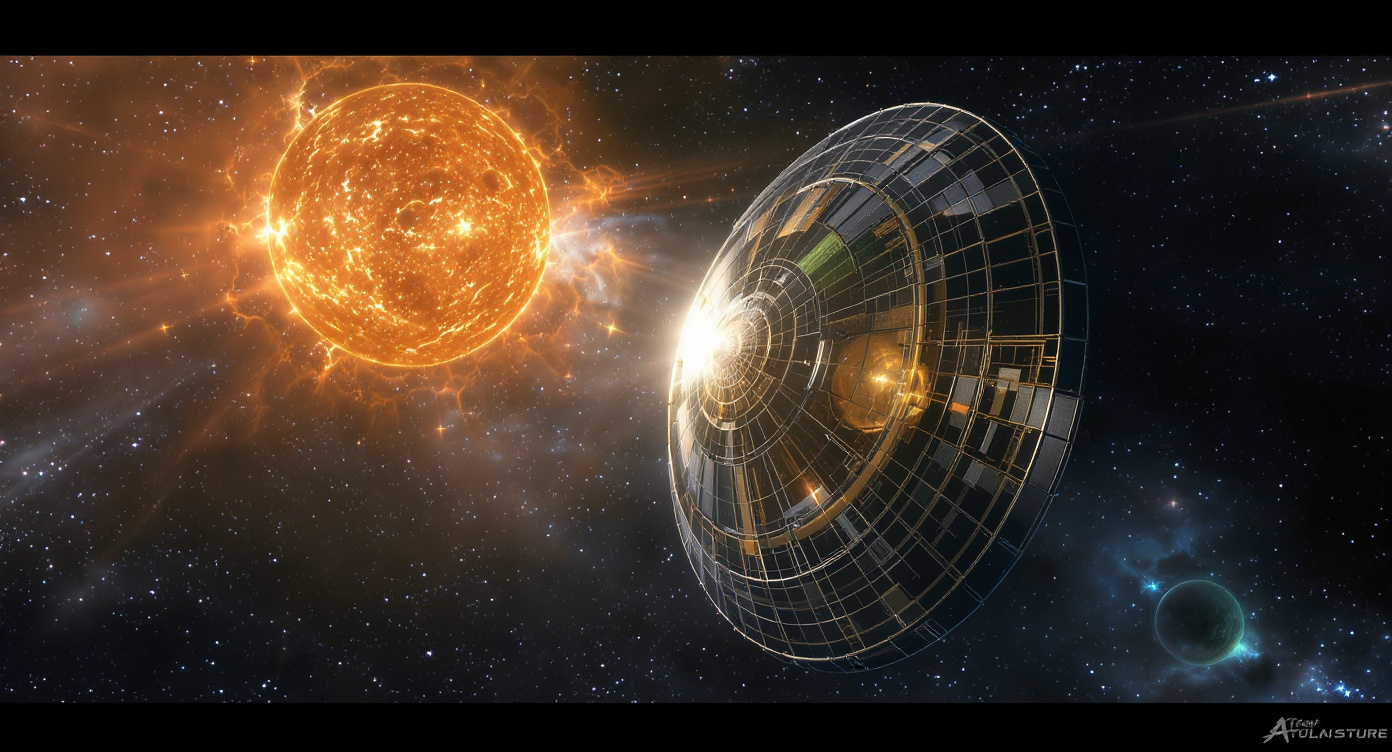
A new study on Dyson sphere search methods has identified five potential candidates among red dwarfs. This research expands the tools available for detecting signs of advanced extraterrestrial civilizations.
Astronomers have discovered an unusual galaxy, CDG-2, which is composed almost entirely of dark matter and contains virtually no stars. This discovery is significant for studying the nature of dark galaxies and the mysteries of dark matter.
Astronomers have observed an unusual dimming of the star ASASSN-24fw, caused by the passage of an unknown object. The reasons behind this phenomenon remain unclear, and various hypotheses are currently being considered.
The ATLAS comet, which broke apart in 2020, left behind fragments that astronomers are still trying to locate. The fate of these remnants remains unknown, raising new questions about similar objects in our Solar System.
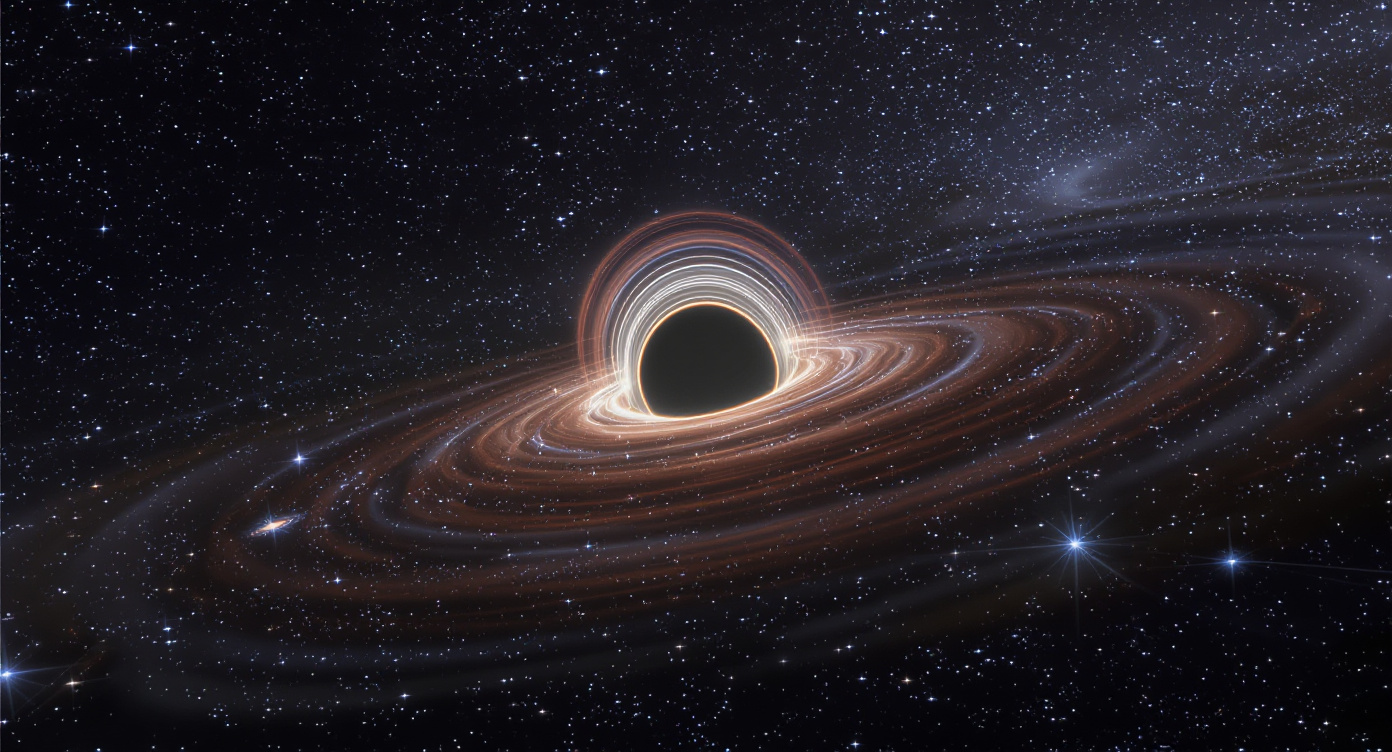
New cosmological simulations have shown that supermassive black holes in the early Universe grew gradually, rather than through rapid consumption of matter. Slow but steady growth proved to be more effective than a fast start.
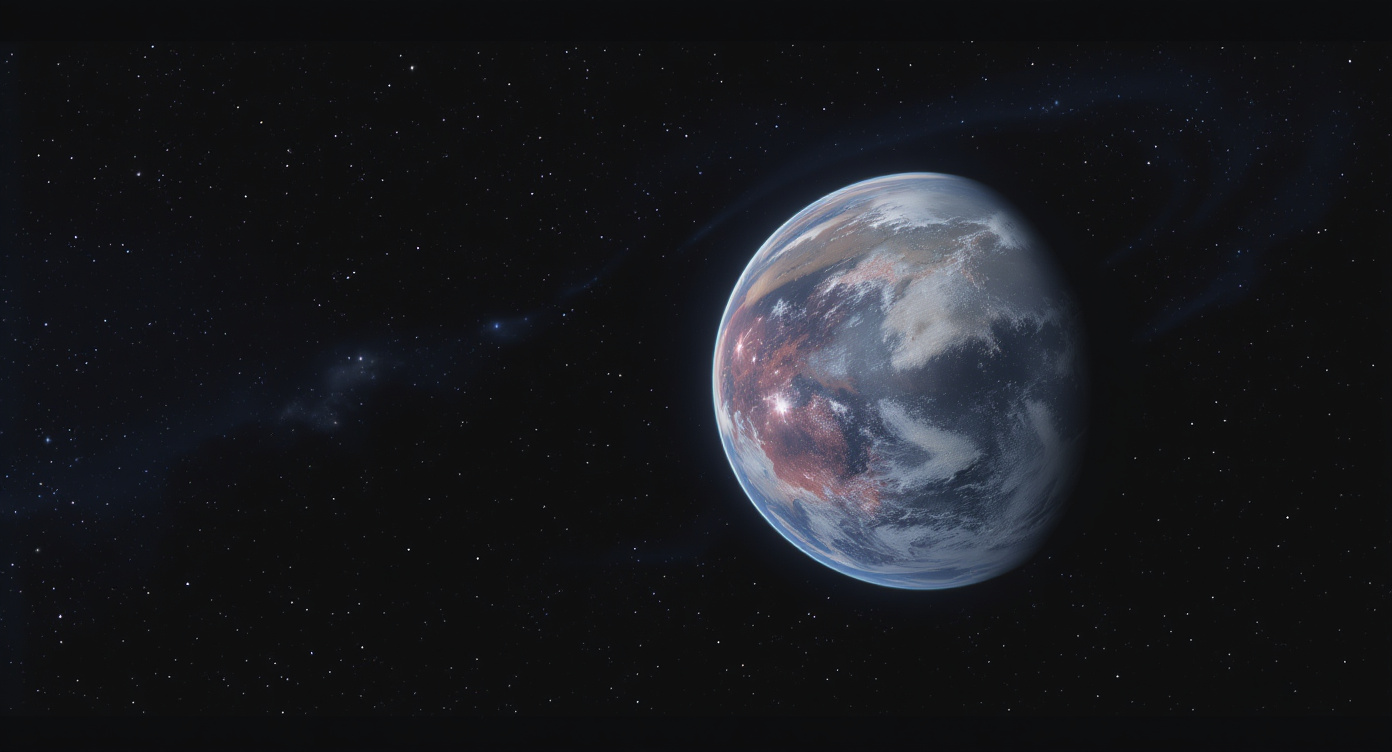
Astronomers have confirmed the existence of the super-Earth GJ 251 c, located in the habitable zone of a red dwarf just 18 light-years from Earth. This planet is considered a promising candidate for the search for life and future studies of its atmosphere.
Astrophysicists have proposed searching for signs of extraterrestrial civilizations by looking for gigantic protective screens that could shield planets from overheating. Such artificial structures might be detectable by future space telescopes.
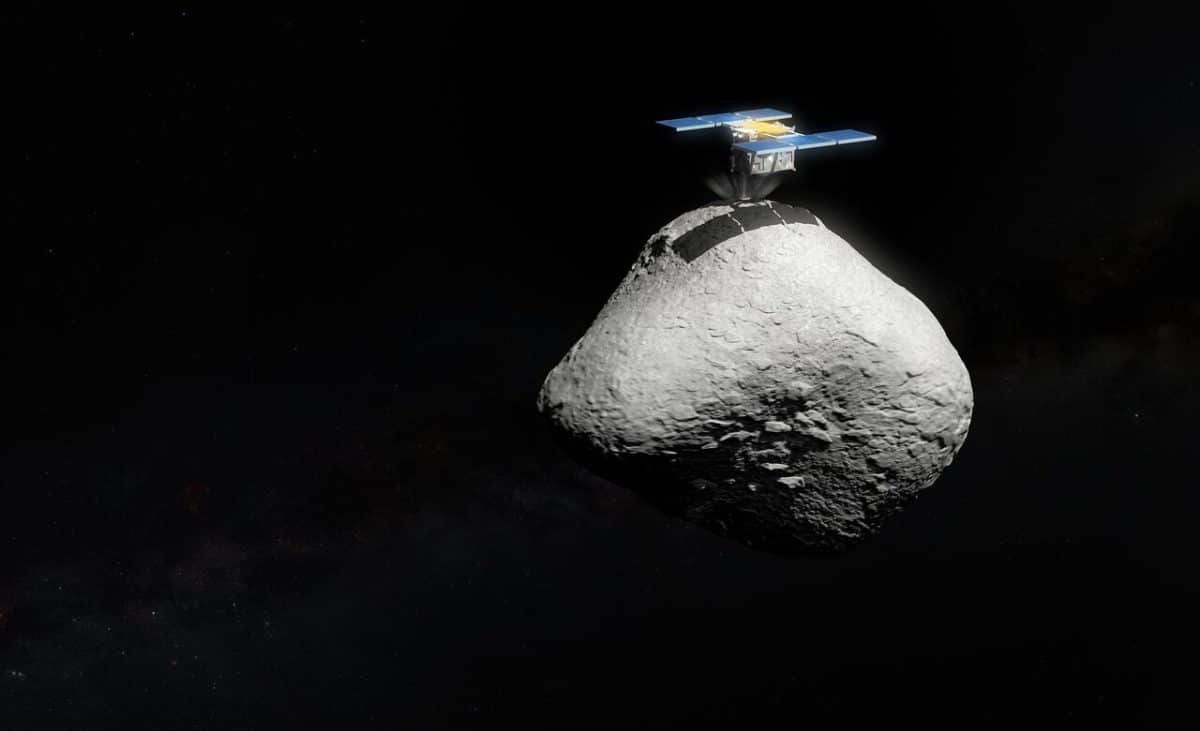
New observations have revealed that asteroid 1998 KY26, the target of the Hayabusa2 mission, is three times smaller and rotates twice as fast as previously thought. This discovery complicates the mission and requires a revision of the scientific plans.

 Cursus