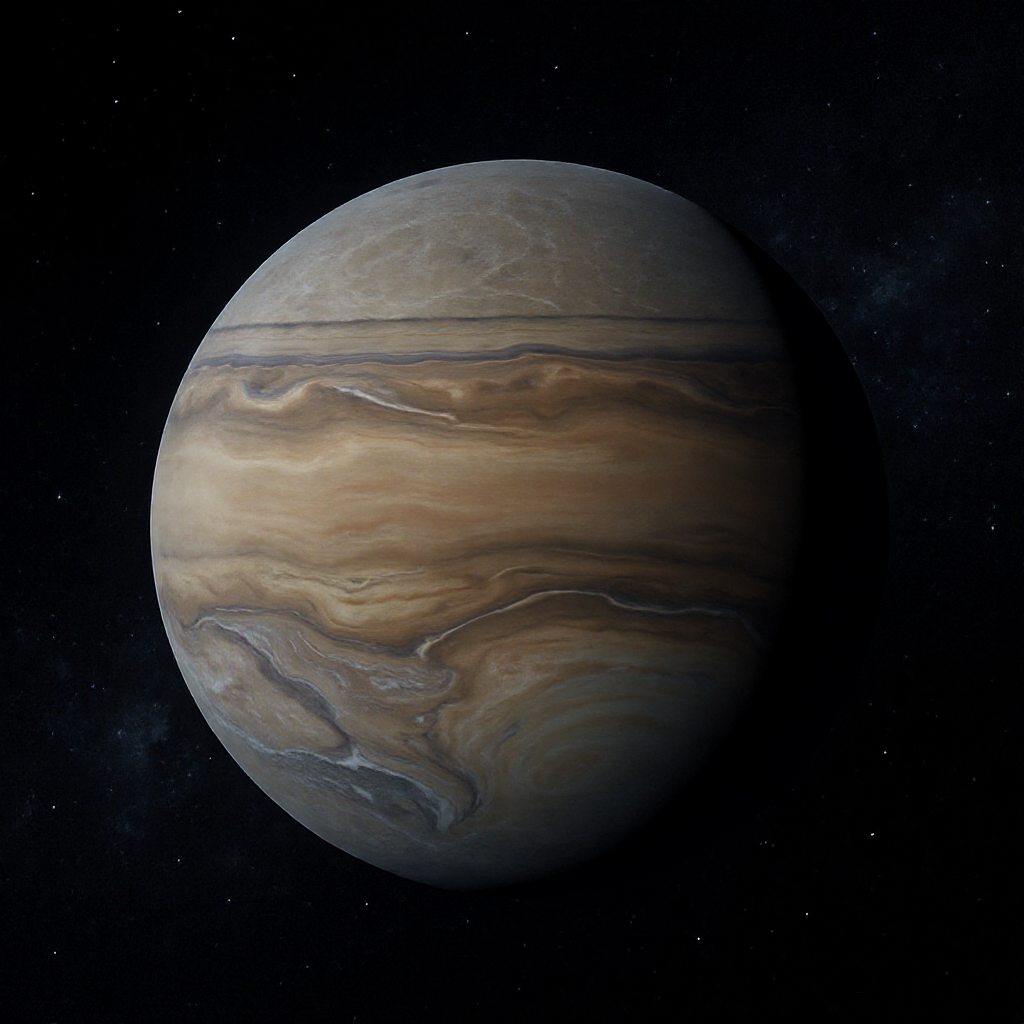
Астрономы впервые обнаружили атмосферу у экзопланеты, похожей на Землю и находящейся в обитаемой зоне. Планета LHS 1140 b может быть пригодна для жизни, но её состав и наличие океанов пока остаются неясными.
Astronomers have identified 45 rocky exoplanets located in habitable zones that may possess conditions suitable for life. This discovery will help refine the search for life in the universe and expand our understanding of the cosmos.
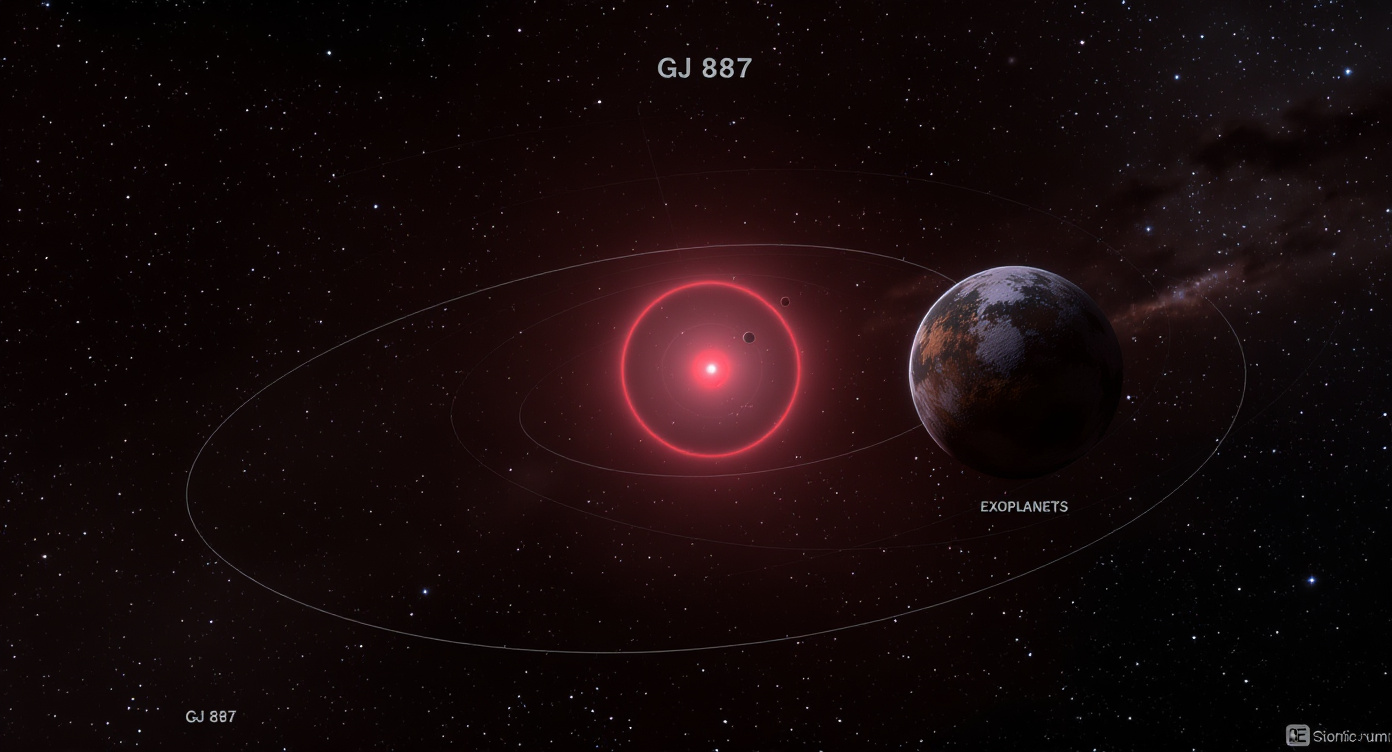
Astronomers have confirmed the existence of two new exoplanets orbiting the red dwarf GJ 887, one of which lies within the habitable zone and may have conditions suitable for liquid water. Further research will help scientists learn more about the potential for life in this system.
Scientists are studying universal paralogs—ancient genes preserved in all living organisms—to learn more about the earliest stages of evolution and the origins of life on Earth. New analytical methods make it possible to reconstruct the functions of these genes and bring us closer to understanding how the first cells emerged.
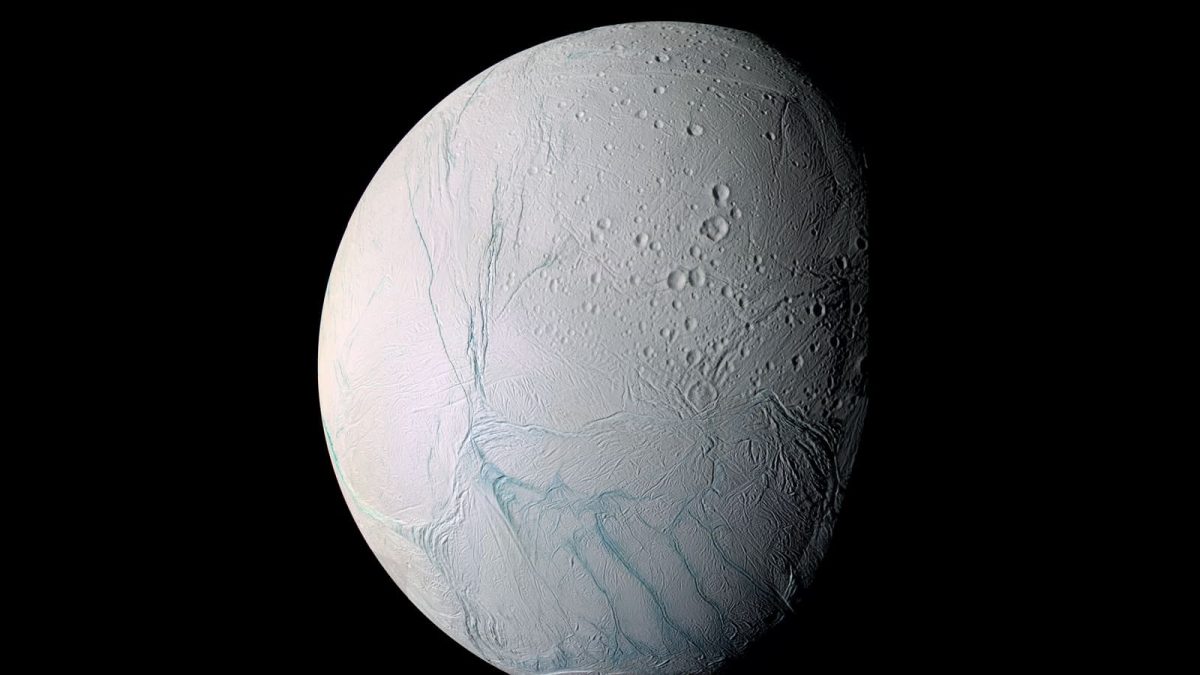
New data have shown that Enceladus’s internal heat is distributed across the entire surface of the moon, not just at the south pole. This finding strengthens the hypothesis that a global subsurface ocean exists.
Studies have shown that moons ejected from their planetary systems by rogue planets can maintain life-friendly conditions for billions of years thanks to tidal heating. This expands our understanding of where life might exist in the Universe.
Scientists have developed a step-by-step plan to create an oxygen-rich, breathable atmosphere on Mars by utilizing local resources and photosynthesis. Implementing this plan on a planetary scale could take thousands of years.
Astronomers have confirmed the existence of the super-Earth GJ 251 c, located in the habitable zone of a red dwarf just 18 light-years from Earth. This planet is considered a promising candidate for the search for life and future studies of its atmosphere.
Astrophysicists have proposed searching for signs of extraterrestrial civilizations by looking for gigantic protective screens that could shield planets from overheating. Such artificial structures might be detectable by future space telescopes.
Recent experiments have shown that under extreme conditions, not only water but also a mixture of sulfuric acid and organic compounds can serve as a solvent for life. This broadens our understanding of possible forms of life beyond Earth.

 Cursus