 Cursus
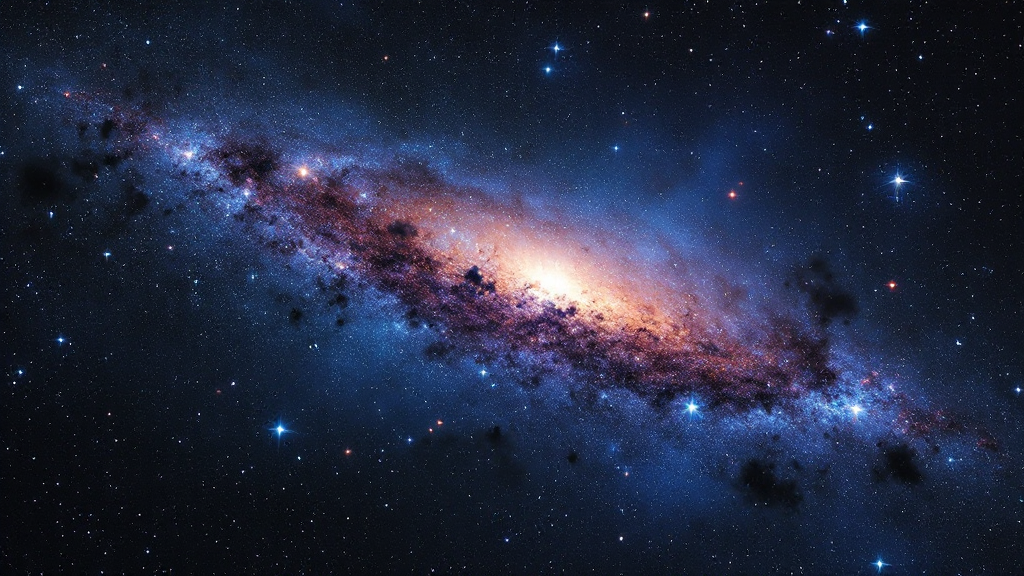
How galaxy mergers have transformed the Milky Way
Recent studies using the Hubble Telescope have revealed that the Milky Way merged with other galaxies in the past, which significantly influenced its structure and evolution.
0 —
 AILINCOM Cursus
Recent studies using the Hubble Telescope have revealed that the Milky Way merged with other galaxies in the past, which significantly influenced its structure and evolution.
 Cursus
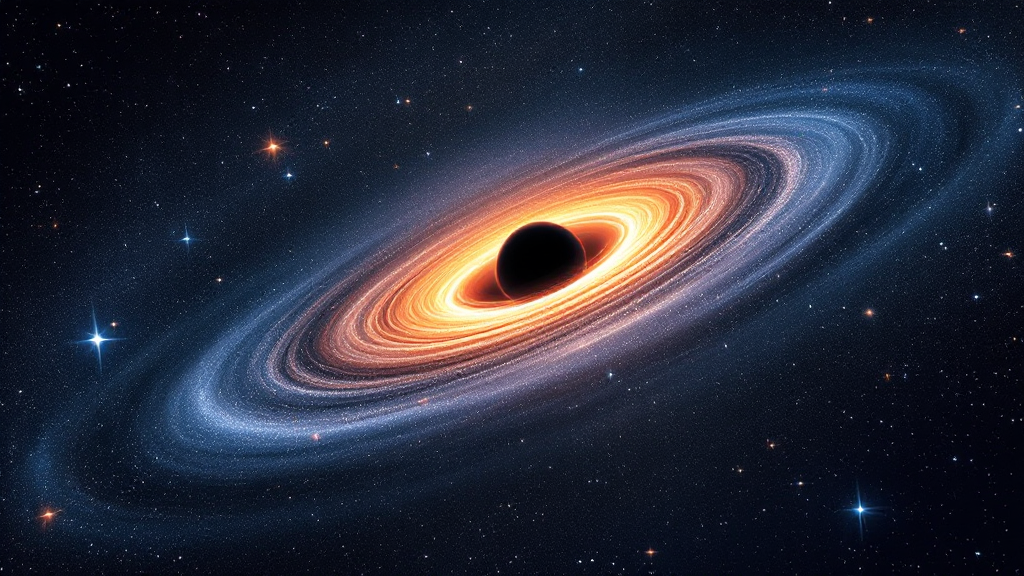
Astronomers have discovered a unique object, S301, moving along an elongated orbit around the supermassive black hole at the center of the Milky Way. Its distinctive features may help scientists measure the rotation of the black hole Sagittarius A* for the first time.
 Cursus
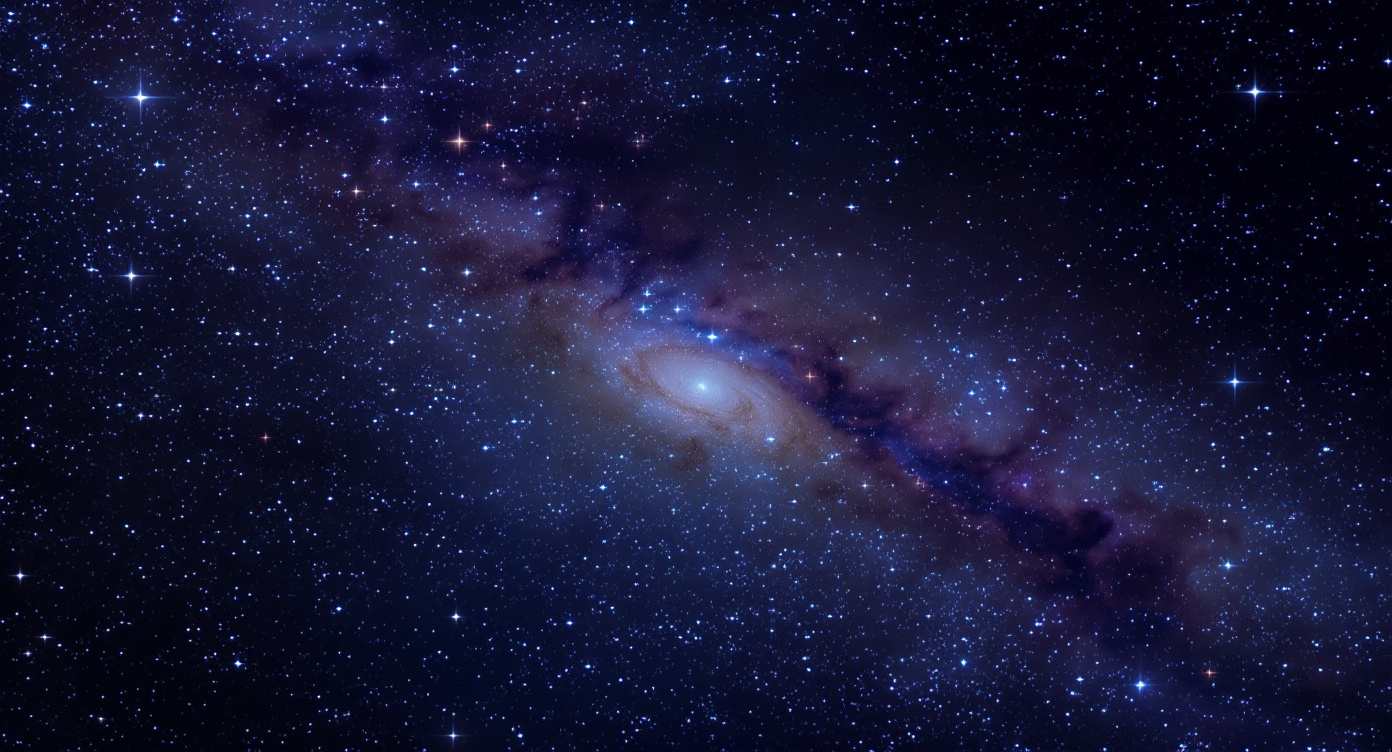
Astronomers using the Very Large Telescope have discovered a new gas cloud near the black hole Sagittarius A* at the center of the Milky Way. This discovery helps to shed light on the origins of other clouds and the structure of our galaxy.
 Cursus
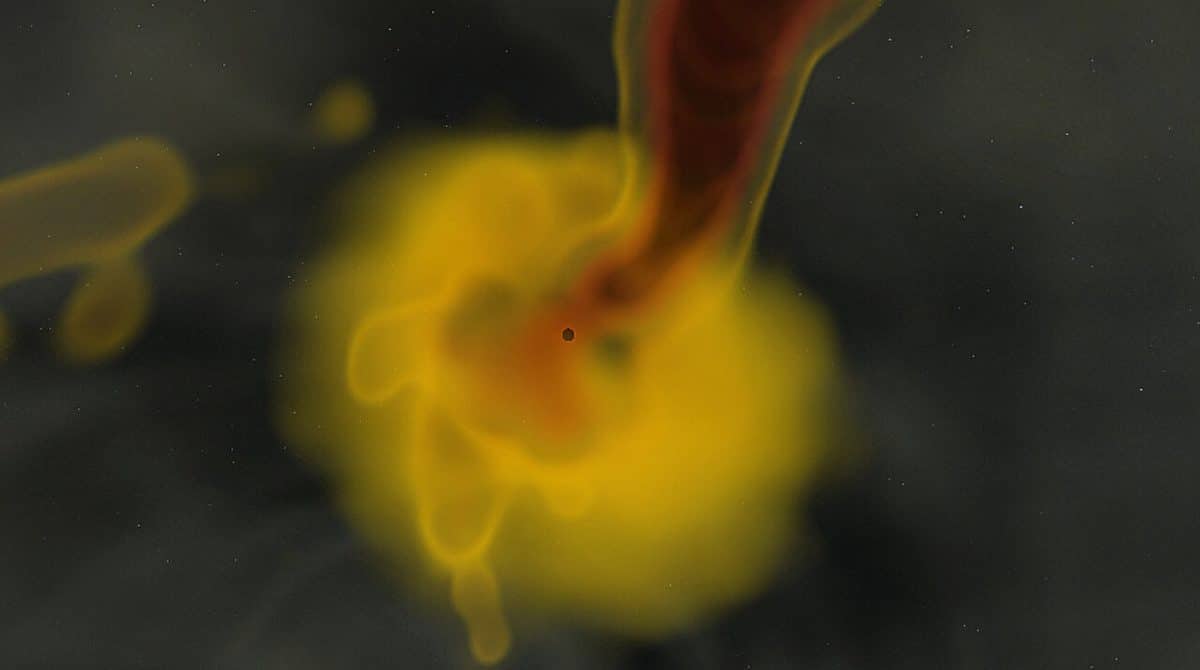
A new study has shown that magnetic fields play a crucial role in the formation of black holes with unusual masses and spin rates, helping to explain the mysterious observations made in 2023. This mechanism opens up new possibilities for studying extreme objects in the Universe.
 Cursus
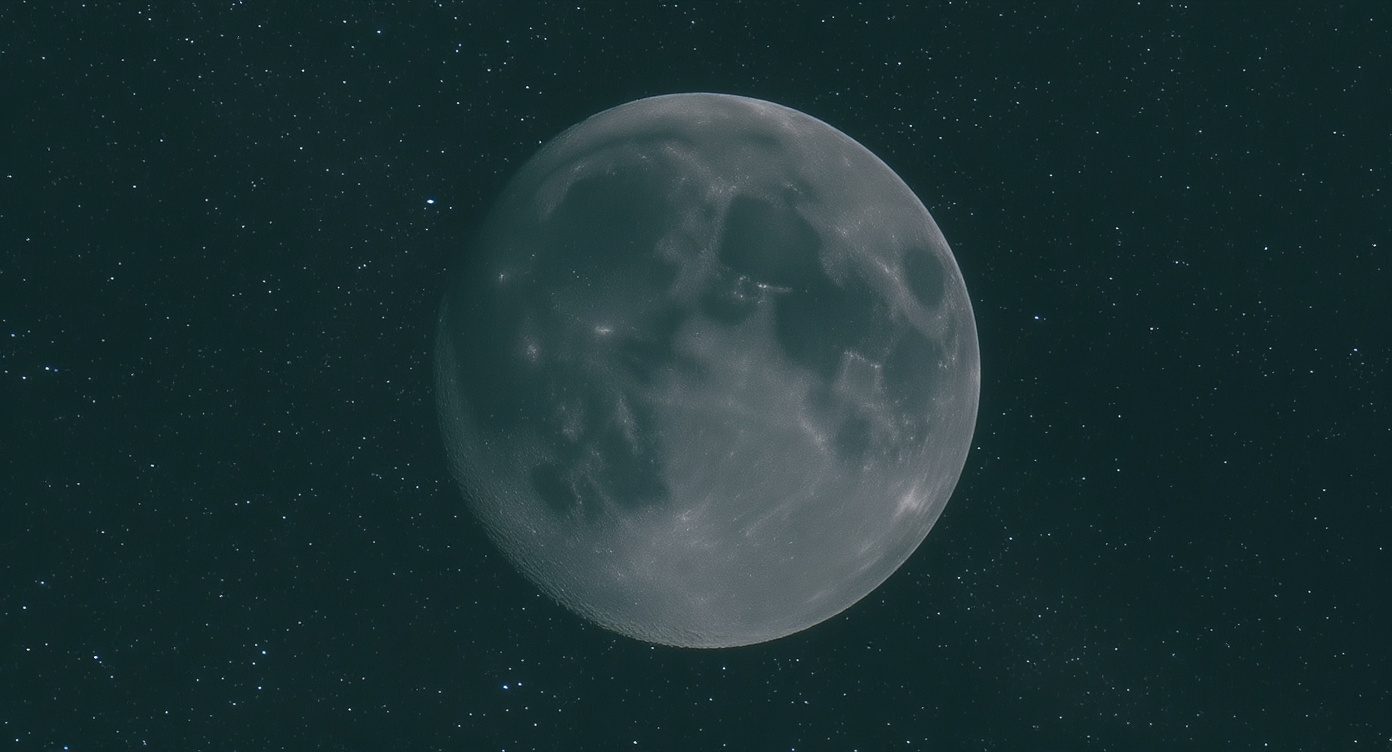
Studies have shown that moons ejected from their planetary systems by rogue planets can maintain life-friendly conditions for billions of years thanks to tidal heating. This expands our understanding of where life might exist in the Universe.
 Cursus
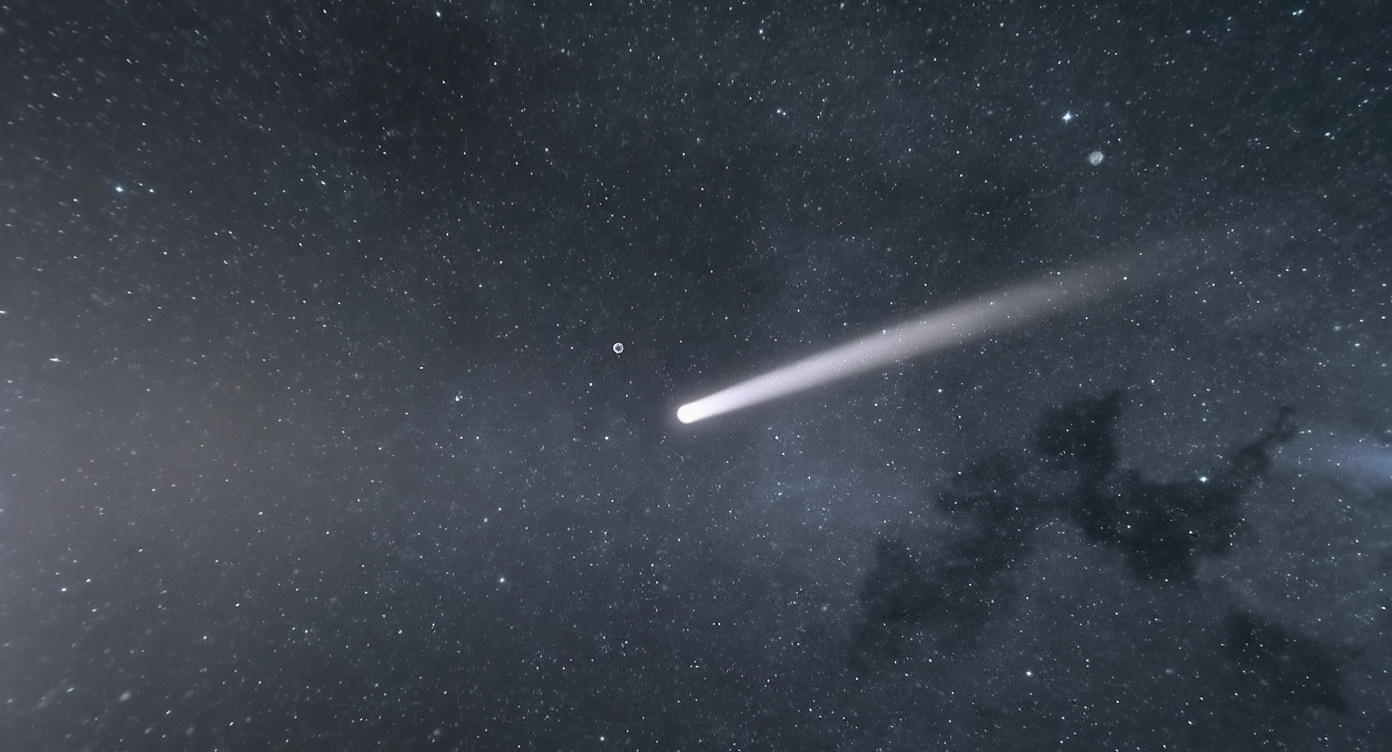
The interstellar comet 3I/ATLAS is moving twice as fast as its predecessors, and scientists are unable to explain its unusually high speed. The origin of this object remains a mystery.