A new study has shown that, for accurate modeling of plasma behavior in tokamaks, it is essential to consider both transverse drifts and toroidal rotation. This approach will enable the development of more stable and efficient divertors for future fusion reactors.
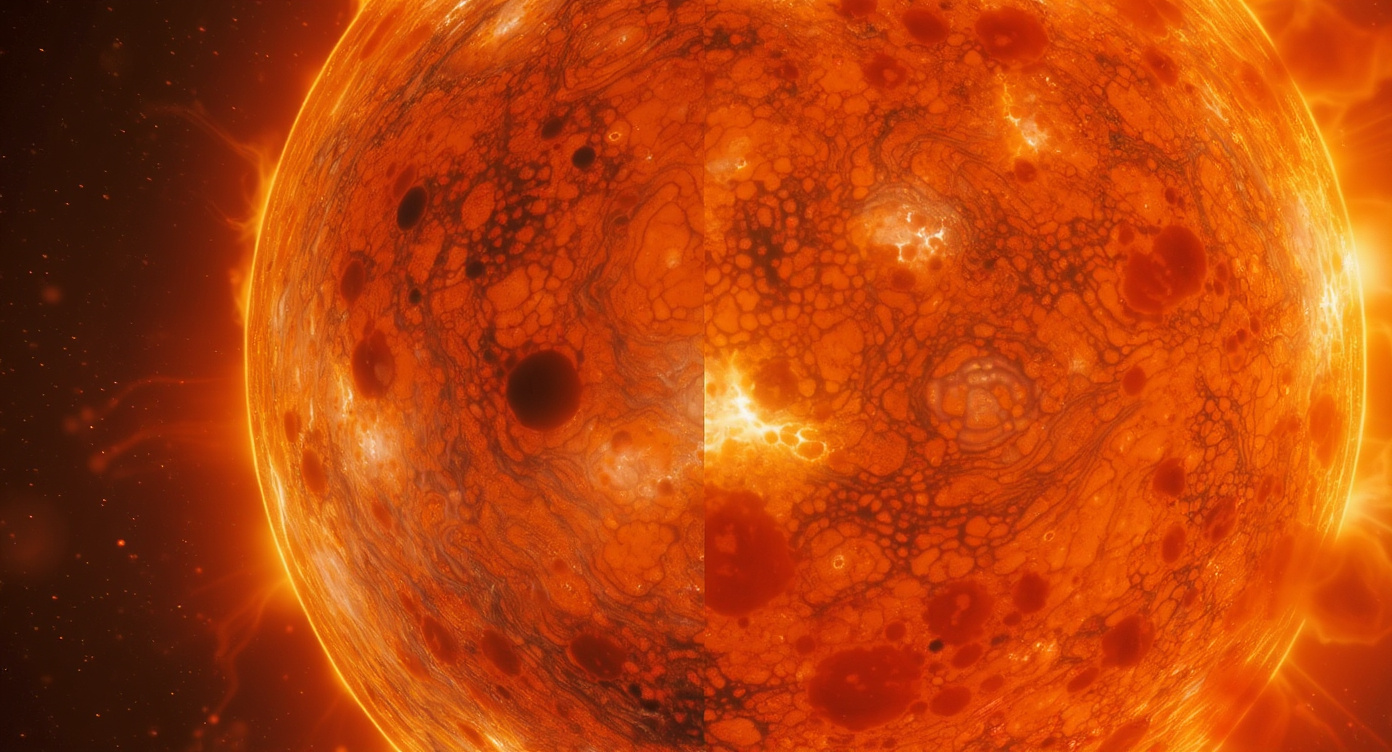
A new study has shown that the Sun's internal structure changes even during periods of solar minimum. This data will help improve predictions of future solar cycles and space weather.
A new study has shown that even weak magnetic fields can significantly influence the growth and size of nanoparticles in dusty plasma. This discovery opens up possibilities for precise control over the synthesis of nanomaterials and helps to better understand the processes occurring in space.
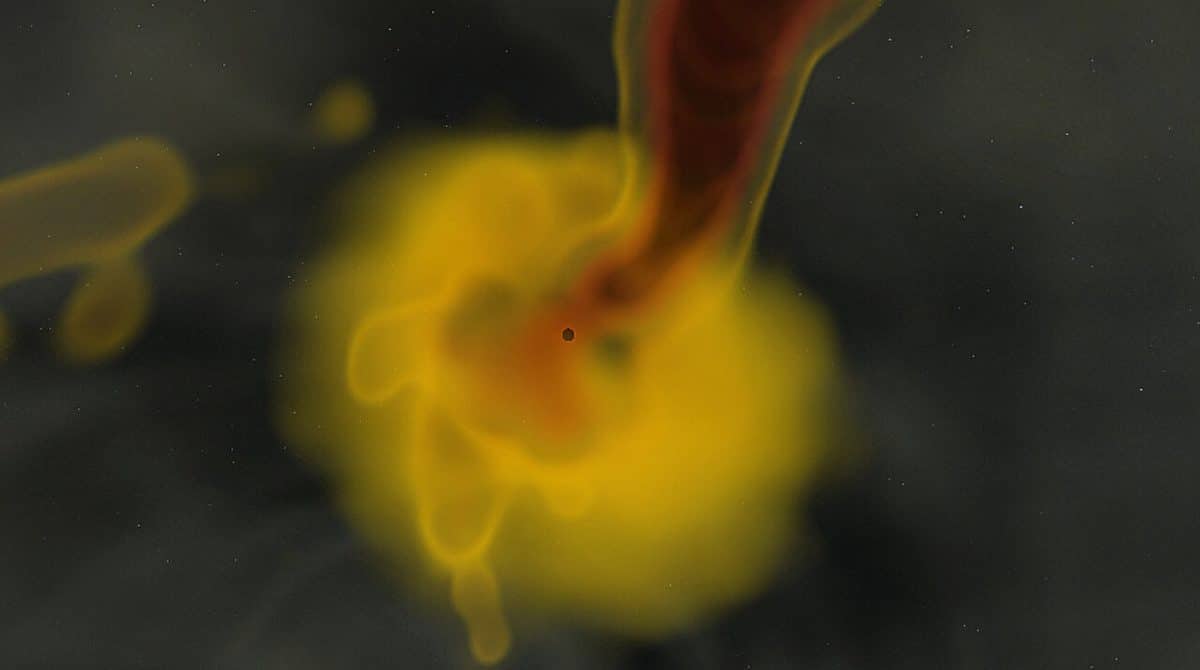
A new study has shown that magnetic fields play a crucial role in the formation of black holes with unusual masses and spin rates, helping to explain the mysterious observations made in 2023. This mechanism opens up new possibilities for studying extreme objects in the Universe.
Scientists have discovered a hidden geometry that distorts the paths of electrons in quantum materials, opening up new possibilities for the development of quantum electronics and the study of superconductivity.
Japanese scientists have, for the first time, demonstrated that weak magnetic fields can alter the direction of currents in unique kagome metals, amplifying electrical switching by a factor of 100. This discovery could pave the way for the development of new types of magnetic devices and highly sensitive sensors.
New observations have revealed that over the course of four years, the magnetic fields surrounding the supermassive black hole at the center of the M87 galaxy have completely changed direction. This unexpected discovery offers deeper insight into the dynamics and nature of black holes.


 Cursus