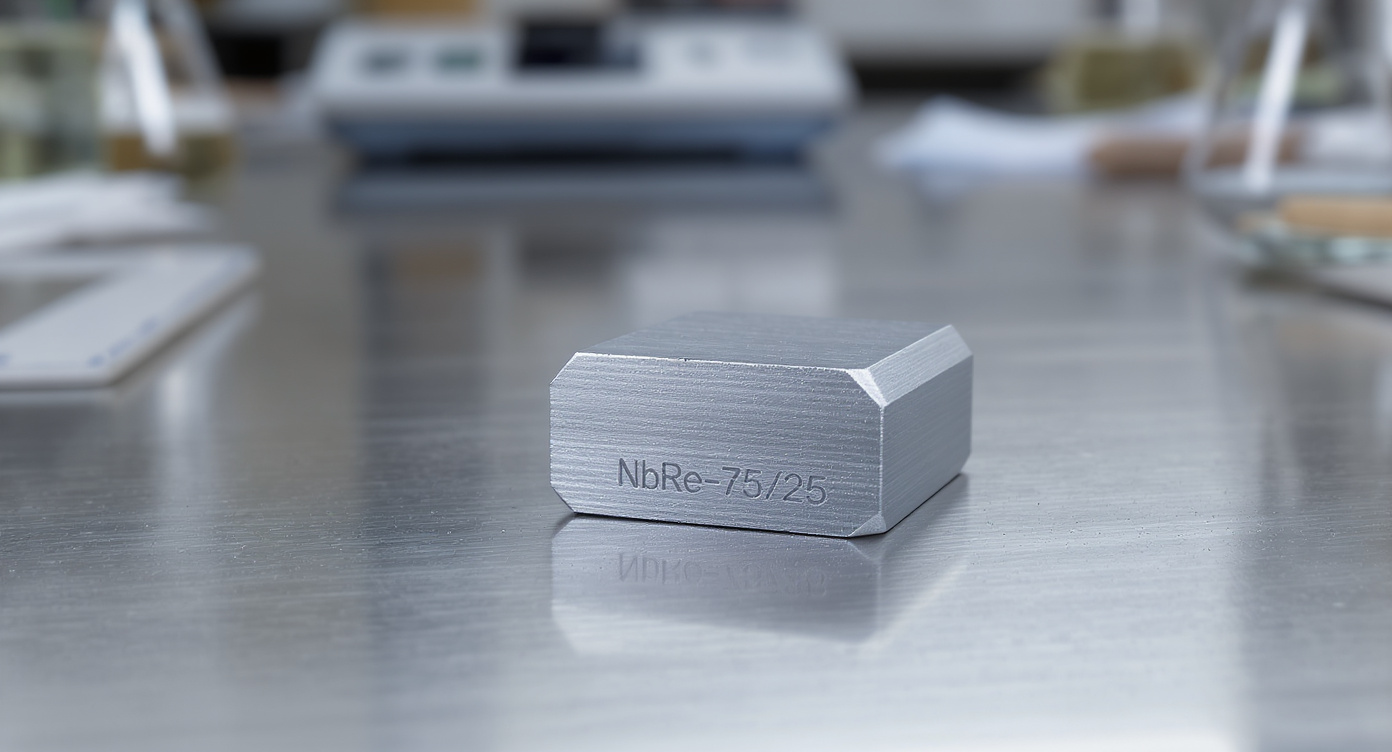
Studies of the niobium-rhenium (NbRe) alloy have revealed signs of rare triplet superconductivity, which enables the transmission of both electrical and spin signals without energy loss. This discovery could bring us closer to creating energy-efficient quantum computers that operate at higher temperatures.
Scientists have developed a method to change the magnetic polarity of materials using a focused laser without heating. This technology paves the way for the creation of adaptive electronic circuits and high-precision sensors directly on a chip.
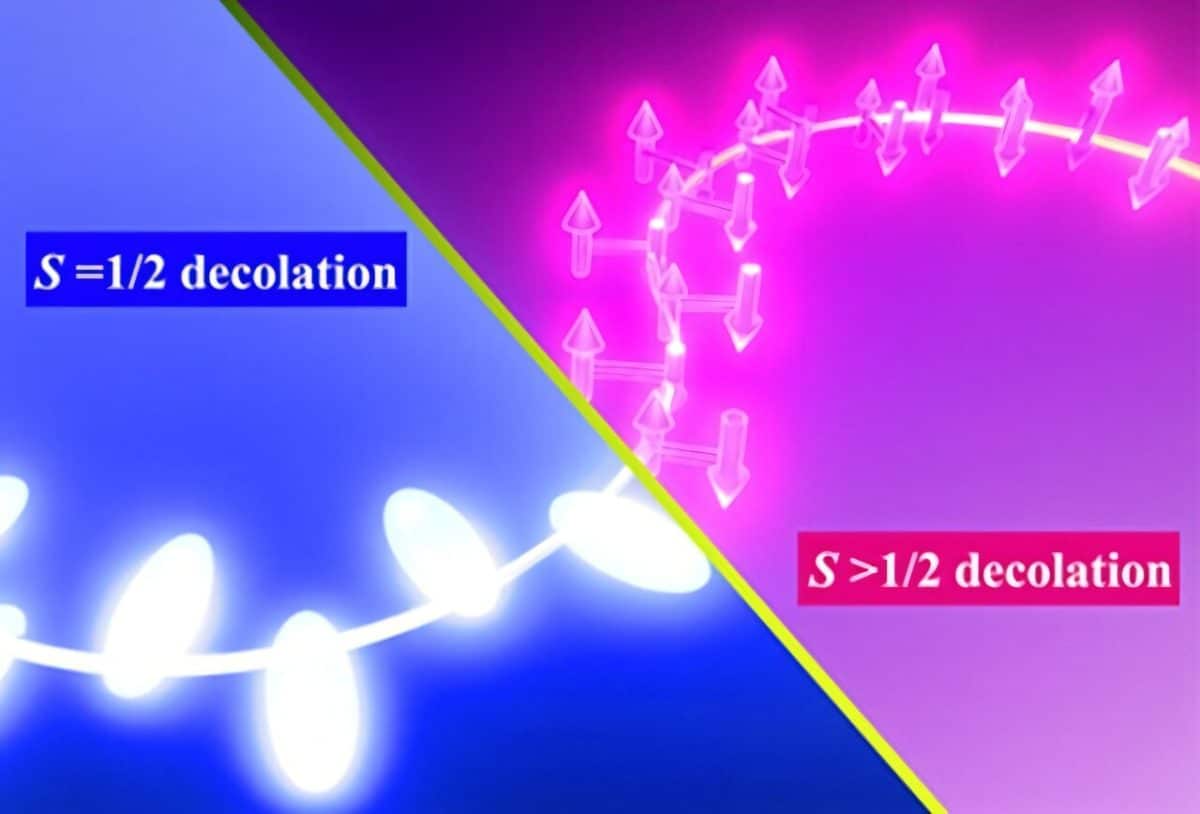
Japanese researchers have experimentally demonstrated for the first time that the Kondo effect can not only suppress but also enhance the magnetic properties of a material, depending on the magnitude of the spin. This discovery opens up new possibilities for controlling quantum states and developing materials for quantum technologies.
Scientists have discovered a way to combine magnetic and electric forces in computing technology using magnons, which could lead to the development of faster and more energy-efficient computers. This research opens up new possibilities for creating chips that directly link magnetic and electric systems.
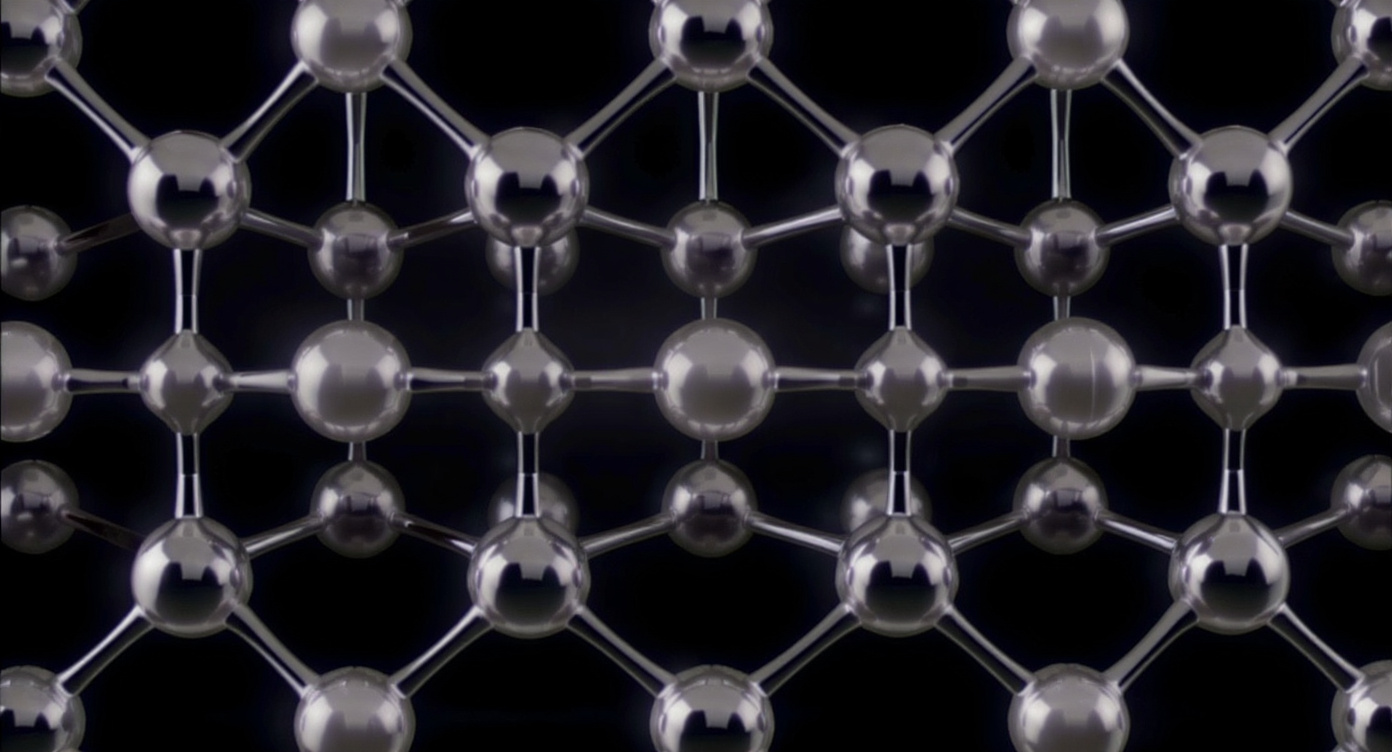
Scientists have discovered a hidden geometry that distorts the paths of electrons in quantum materials, opening up new possibilities for the development of quantum electronics and the study of superconductivity.
For the first time, scientists have obtained direct evidence of the existence of active flat electronic bands in a kagome superconductor, opening up new possibilities for the development of quantum materials and future technologies.

 Cursus