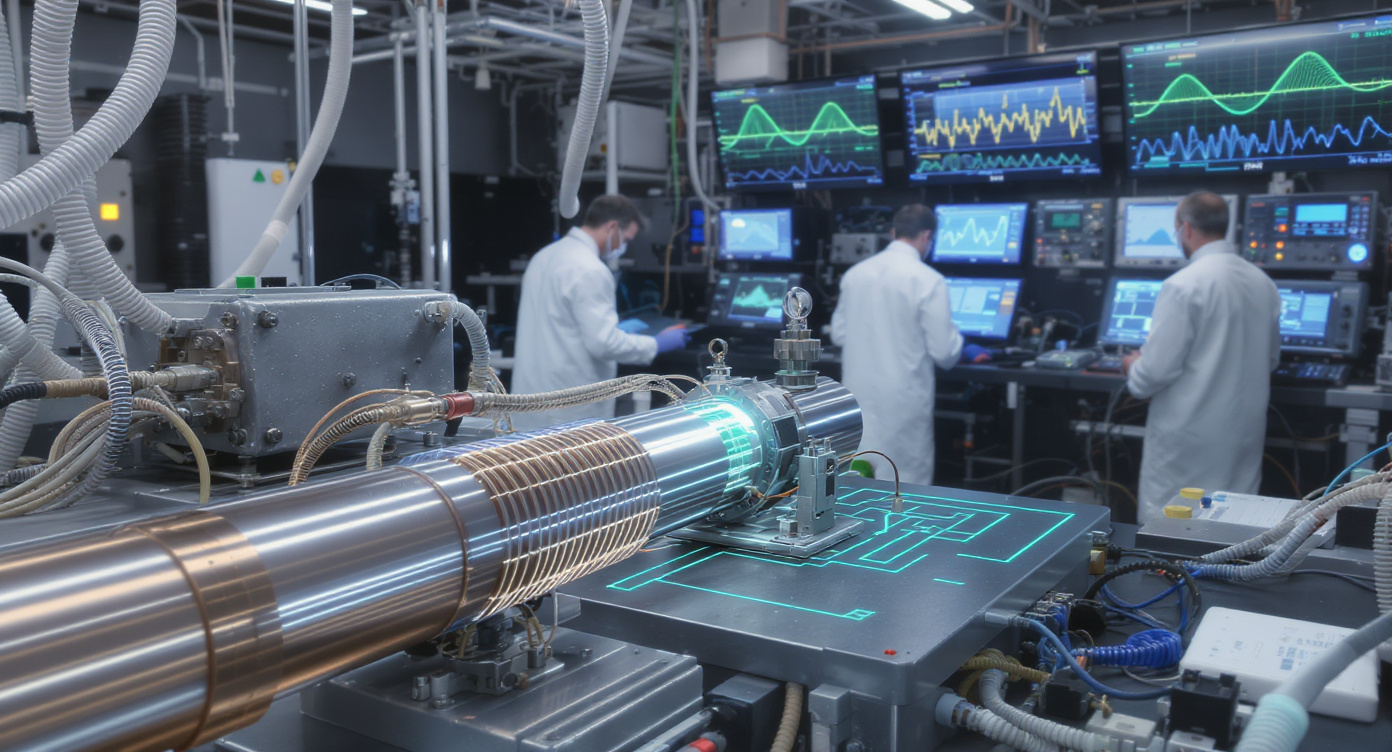
Physicists from ISTA have, for the first time, implemented an autonomous method for distributing quantum entanglement using a "quantum bath." This breakthrough could lay the foundation for scalable quantum computers and networks. The new approach enables a continuous connection between distant qubits without the need for active control, opening up new possibilities for the advancement of quantum technologies.
A new study has shown that the unusual properties of cuprates in the "strange metal" state are linked to changes in their electronic structure, rather than to the mechanism of electron scattering. This resolves the contradiction between experiment and theory and confirms the universality of the Planckian limit.
Scientists have developed a method that allows large quantum systems to be observed for more than a day without distorting their properties. This new approach opens up possibilities for non-invasive studies of materials and precise spectroscopy.
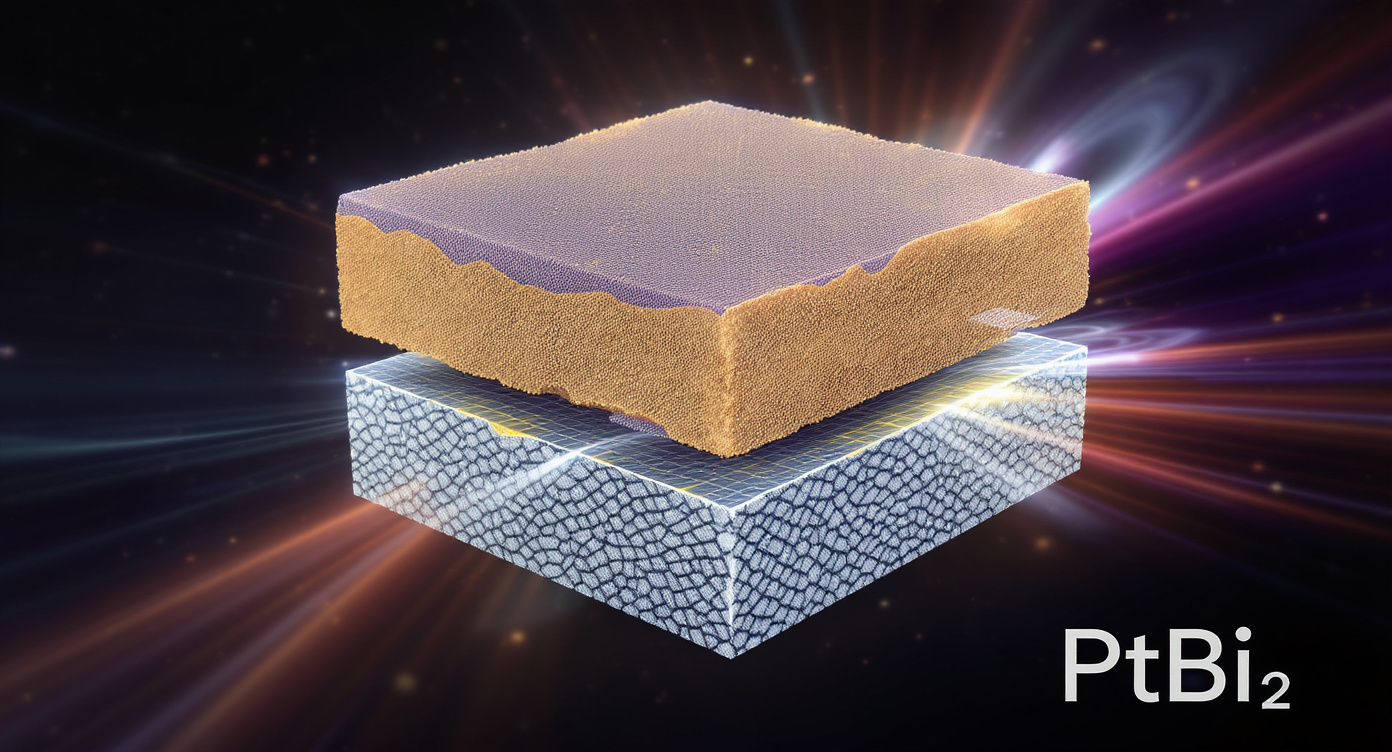
The material PtBi₂ exhibits unique superconductivity only on its surfaces and forms Majorana particles, which are promising for creating stable qubits in quantum computers. Researchers are exploring ways to control these properties for future quantum technologies.
Scientists have discovered a hidden geometry that distorts the paths of electrons in quantum materials, opening up new possibilities for the development of quantum electronics and the study of superconductivity.
For the first time, scientists have obtained direct evidence of the existence of active flat electronic bands in a kagome superconductor, opening up new possibilities for the development of quantum materials and future technologies.


 Cursus