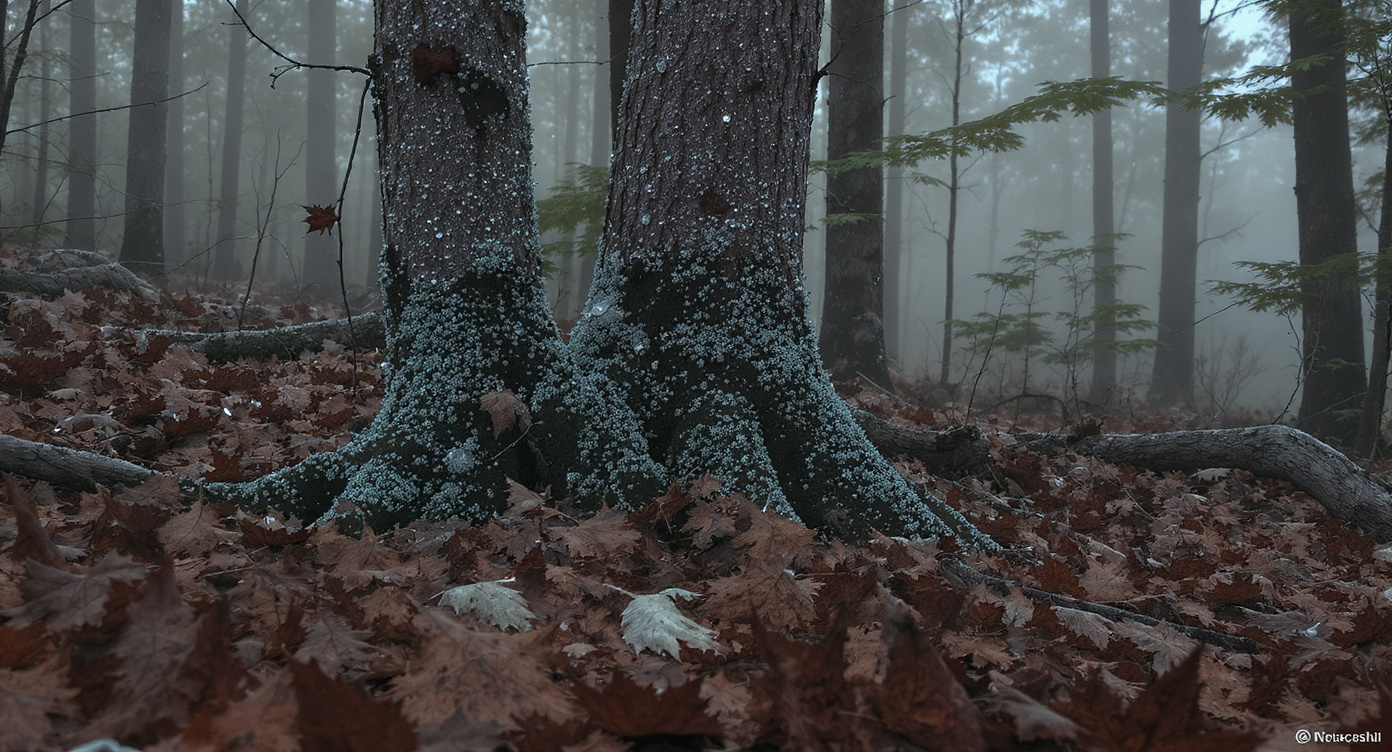
A new study has shown that microplastics are actively accumulating in forest soils, mainly entering them from the atmosphere and with falling leaves. Forests are becoming indicators of atmospheric microplastic pollution, which may pose an additional threat to ecosystems.
Astronomers are studying the recently discovered rare hybrid nova, Nova Vulpeculae 2024, which exhibits characteristics of two different types of novae. This discovery is helping scientists gain a deeper understanding of the evolution of such celestial objects.
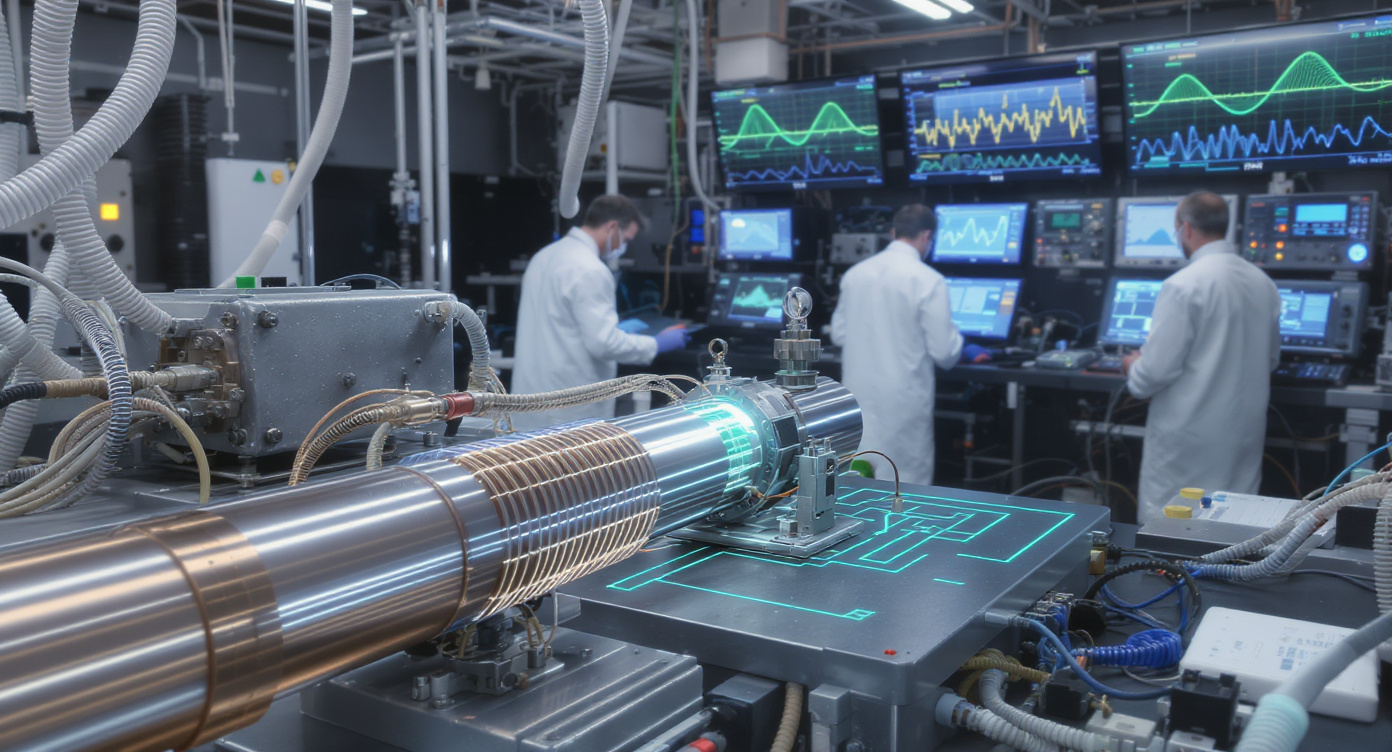
Scientists have developed a method that allows large quantum systems to be observed for more than a day without distorting their properties. This new approach opens up possibilities for non-invasive studies of materials and precise spectroscopy.
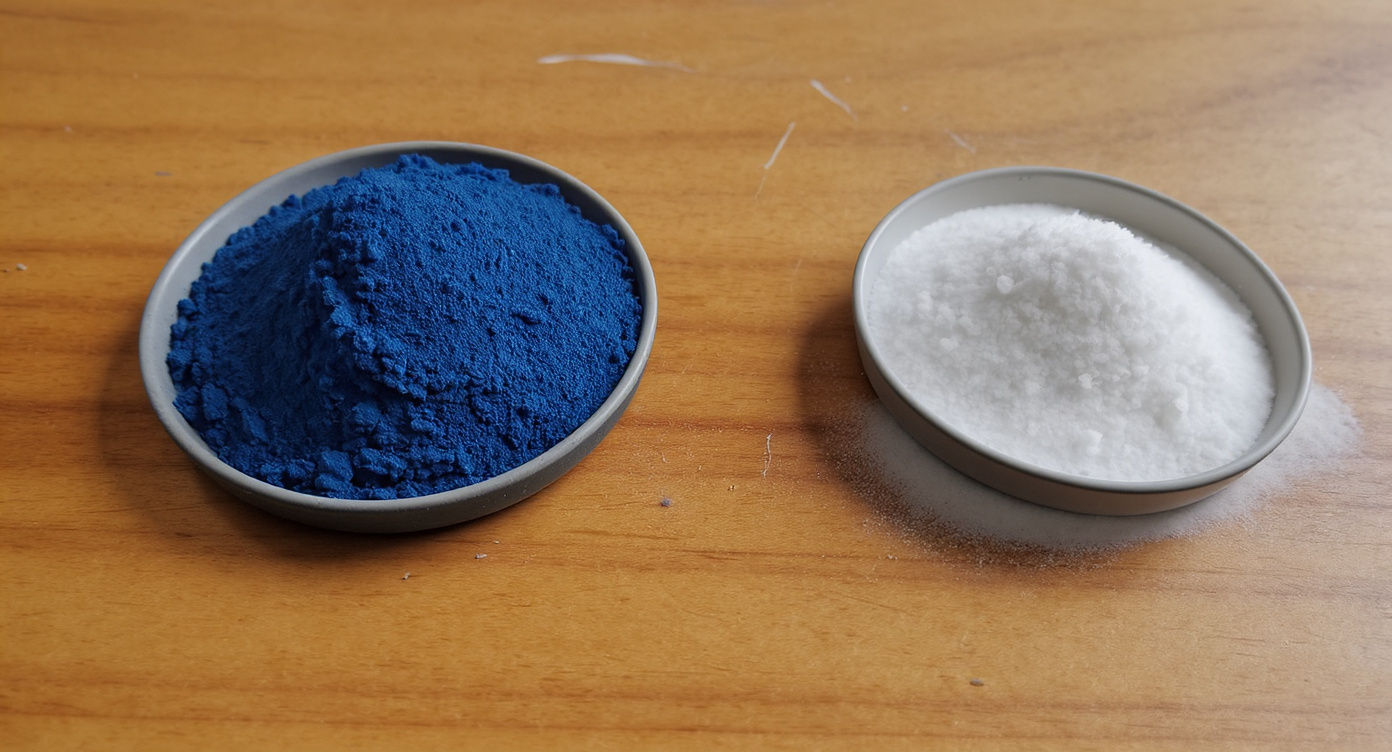
Scientists have developed an environmentally friendly and energy-efficient method for recycling Teflon, allowing it to be converted into valuable chemical ingredients without producing harmful waste. This new approach paves the way for reusing fluorine from industrial and household waste, helping to reduce environmental impact.
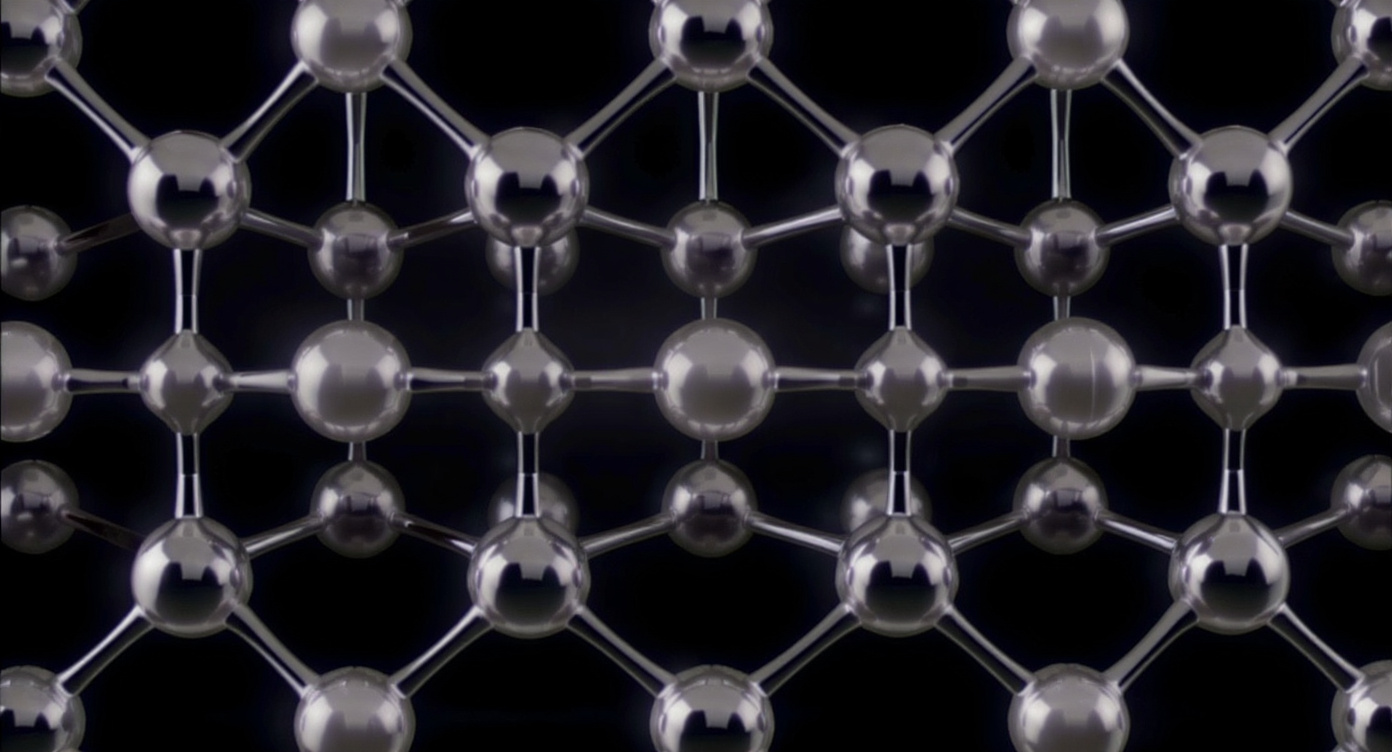
For the first time, scientists have obtained direct evidence of the existence of active flat electronic bands in a kagome superconductor, opening up new possibilities for the development of quantum materials and future technologies.

 Natura