

Scientists have discovered an eco-friendly method for recycling Teflon.
Scientists have developed an environmentally friendly and energy-efficient method for recycling Teflon, allowing it to be converted into valuable chemical ingredients without producing harmful waste. This new approach paves the way for reusing fluorine from industrial and household waste, helping to reduce environmental impact.
Natura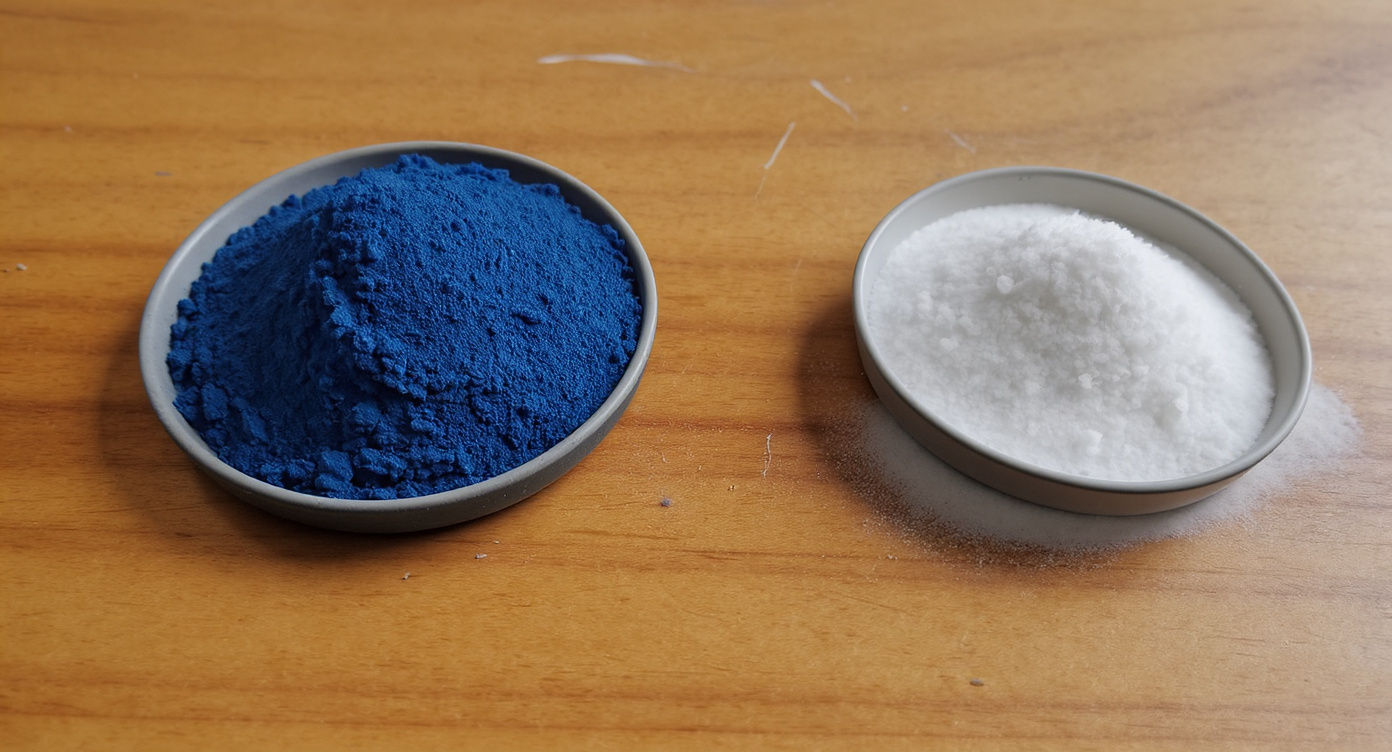
A new study has introduced a simple and environmentally safe method for breaking down Teflon—one of the most durable plastics—while converting it into valuable chemical ingredients.
Eco-Friendly Teflon Recycling: The Essence of the Discovery
A team of scientists from Newcastle and Birmingham universities has developed a clean and energy-efficient process for recycling Teflon (PTFE), which is widely used in non-stick cookware and products resistant to high temperatures and aggressive chemicals. The researchers found that discarded Teflon can be decomposed and reused by applying only metallic sodium and mechanical agitation (shaking)—all at room temperature and without toxic solvents. Their work, published in the Journal of the American Chemical Society (JACS), offers an alternative to traditional fluorine extraction methods that require high energy input and generate waste.
Breaking Carbon-Fluorine Bonds to Obtain Useful Fluoride
The new process breaks the strong carbon-fluorine bonds in Teflon, turning it into sodium fluoride—a substance used in toothpaste and added to drinking water. Hundreds of thousands of tons of Teflon are produced globally each year for lubricants, cookware coatings, and other products, but recycling options are extremely limited. Typically, such items end up in landfills, but the new method allows for the extraction of fluorine for the creation of new, useful materials.
Fluorine is a crucial element in modern life: it is found in about a third of all new pharmaceuticals and in many advanced materials. Traditionally, fluorine is obtained through energy-intensive and polluting mining and chemical processes. The new approach demonstrates that fluorine can be recovered from household waste and reused, turning a disposal problem into a resource opportunity.
Why Recycling PTFE Is So Challenging
Polytetrafluoroethylene (PTFE), known as Teflon, is valued for its resistance to heat and chemicals, making it indispensable for cookware, electronics, and laboratory tools. However, these same properties make it difficult to recycle. When PTFE is incinerated or disposed of, it releases persistent pollutants—so-called "forever chemicals" (PFAS)—that remain in ecosystems for decades. As a result, traditional disposal methods pose serious environmental and health risks.
Mechanochemistry: A Cleaner Path Forward
To address this issue, the researchers used mechanochemistry—a sustainable approach where chemical reactions are triggered by mechanical force rather than heat. In a sealed steel container (a ball mill), small pieces of metallic sodium are ground together with Teflon. This grinding induces a reaction at room temperature, breaking the carbon-fluorine bonds in Teflon and producing harmless carbon and sodium fluoride—a stable salt widely used in toothpaste.
The team also demonstrated that the sodium fluoride produced in this way can be immediately used to synthesize other valuable fluorine-containing compounds, which are in demand in pharmaceuticals, diagnostics, and specialty chemicals.
Confirming Reaction Purity with NMR Analysis
Using advanced solid-state NMR spectroscopy, the scientists were able to study the reaction mixture at the atomic level and confirm that the process yields pure sodium fluoride without byproducts. This is an example of how modern material analysis methods accelerate progress in sustainable development.
The Circular Fluorine Economy: Future Prospects
This discovery points to the possibility of creating a closed-loop system in which fluorine can be recovered from industrial waste instead of being lost during disposal. Such a model could significantly reduce the environmental footprint of fluorine-containing chemicals, which play a vital role in medicine, electronics, and renewable energy.
The new approach is simple, fast, and uses inexpensive materials. The researchers hope it will inspire further work on the recycling of other types of fluorine-containing waste and help make the production of important compounds more sustainable. The study also highlights the growing role of mechanochemistry in "green" chemistry, where mechanical motion replaces high-temperature or solvent-based reactions, opening new opportunities for sustainable innovation.
This research demonstrates how interdisciplinary science—combining materials chemistry and modern spectroscopic methods—can transform one of the most persistent plastics into a valuable resource. It is a small but significant step toward sustainable fluorine chemistry.