 Cursus
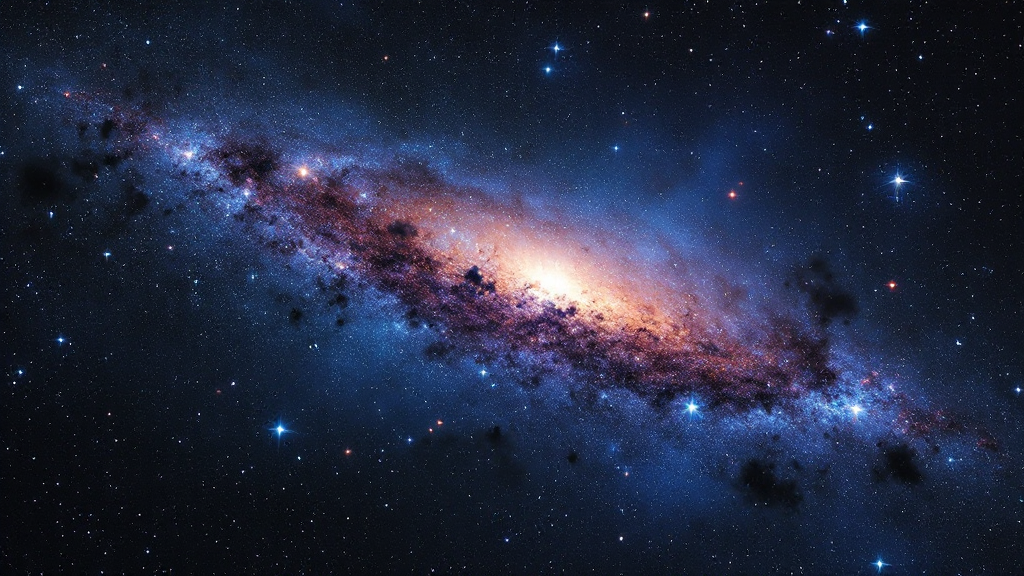
How galaxy mergers have transformed the Milky Way
Recent studies using the Hubble Telescope have revealed that the Milky Way merged with other galaxies in the past, which significantly influenced its structure and evolution.
0 —
 AILINCOM Cursus
Recent studies using the Hubble Telescope have revealed that the Milky Way merged with other galaxies in the past, which significantly influenced its structure and evolution.
 Cursus
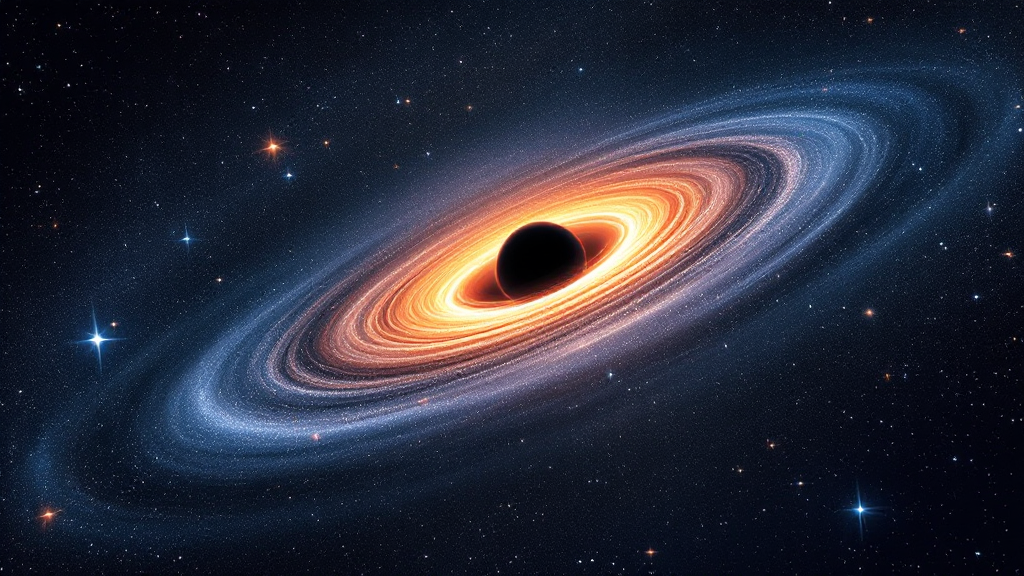
Astronomers have discovered a unique object, S301, moving along an elongated orbit around the supermassive black hole at the center of the Milky Way. Its distinctive features may help scientists measure the rotation of the black hole Sagittarius A* for the first time.
 Cursus
Astronomers have discovered a new pulsar, PSR J0125−5854, located about 3,200 light-years from Earth. This object rotates more slowly than previously known pulsars and may possibly be part of a binary system with a white dwarf.
 Cursus
Astronomers have discovered a new pulsar, PSR J0125−5854, located about 3,200 light-years from Earth. This object rotates more slowly than previously known pulsars and may be part of a binary system with a white dwarf.
 Cursus
Astronomers are studying the recently discovered rare hybrid nova, Nova Vulpeculae 2024, which exhibits characteristics of two different types of novae. This discovery is helping scientists gain a deeper understanding of the evolution of such celestial objects.
 Cursus
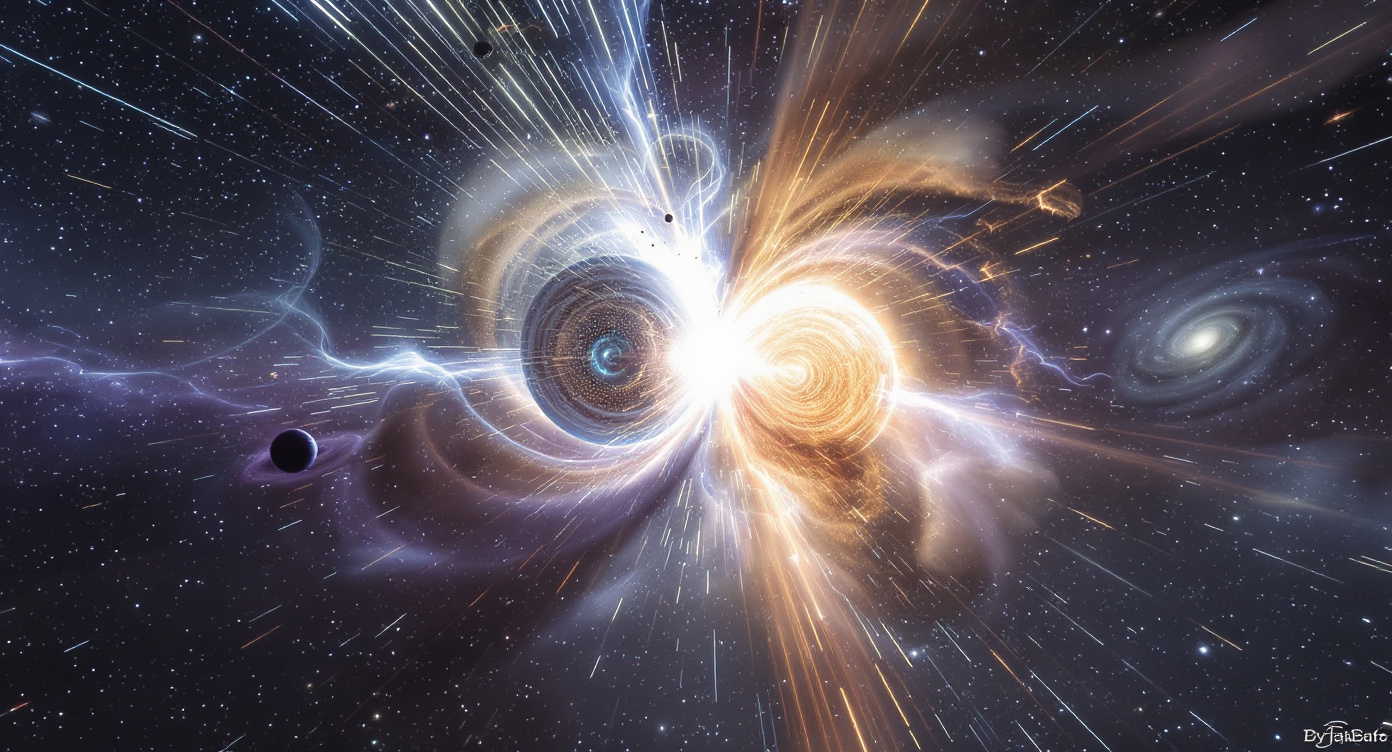
Astronomers have detected a powerful gamma-ray burst caused by the merger of neutron stars in a distant galaxy. This event sheds light on the origin of heavy elements such as gold and platinum in the universe.
 Cursus
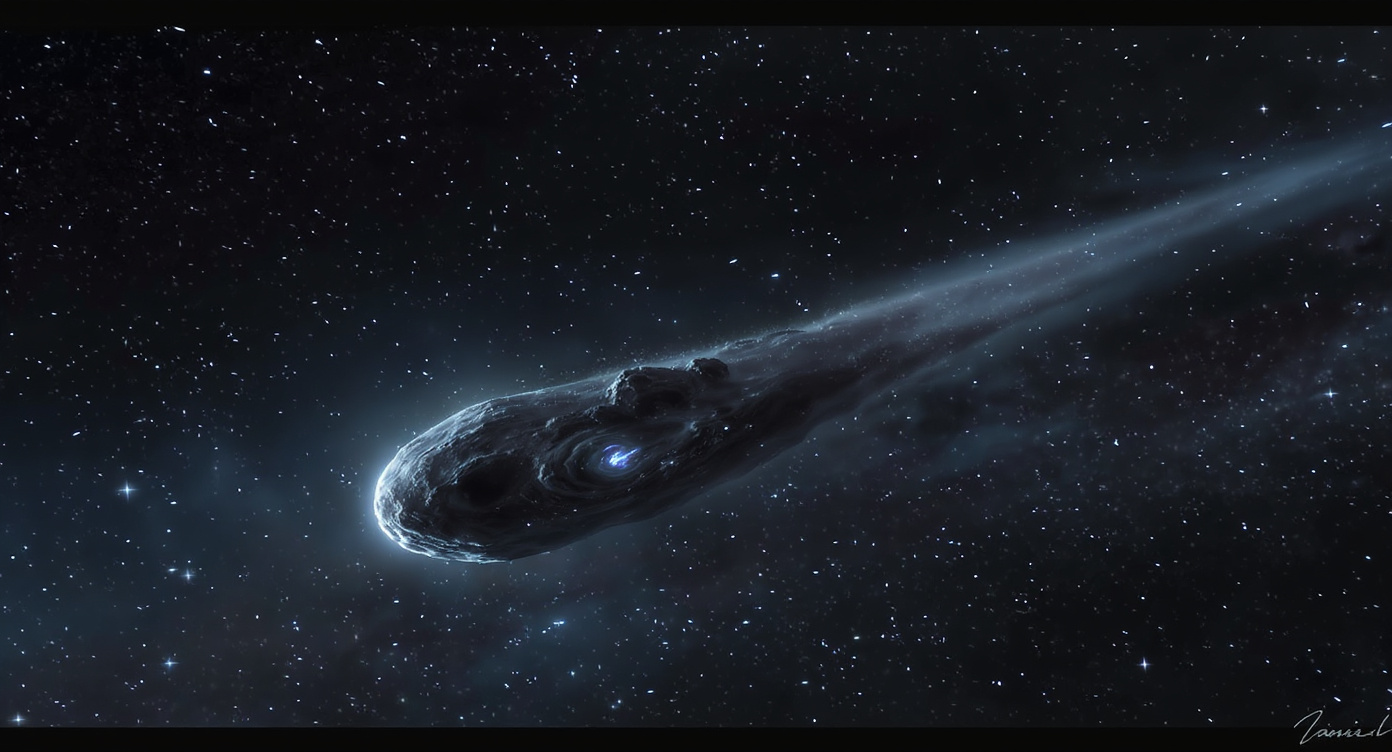
The interstellar comet 3I/ATLAS has been recognized as one of the oldest ever observed by astronomers—its age is estimated at 10 to 12 billion years. Analysis of data from the James Webb Telescope suggests that the comet originated in the cold and distant regions of the early Milky Way.
 Cursus
Astronomers using the Very Large Telescope have discovered a new gas cloud near the black hole Sagittarius A* at the center of the Milky Way. This discovery helps to shed light on the origins of other clouds and the structure of our galaxy.
 Cursus
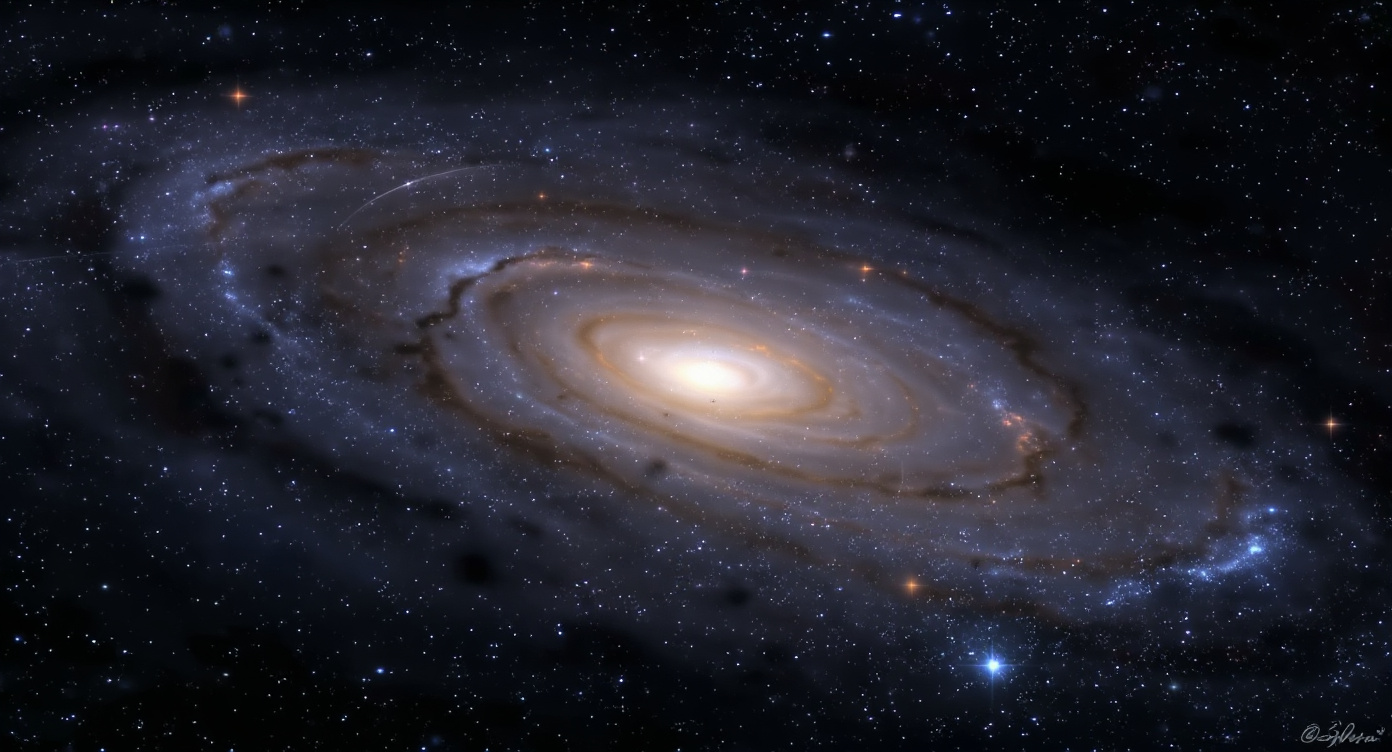
Astronomers have discovered a possible pulsar near the black hole at the center of the Milky Way. Confirming this discovery could help us gain a deeper understanding of the structure and processes within the Universe.
 Cursus
Most interstellar objects that reach Earth come from the direction of the constellation Hercules and most often fall near the equator during winter. Scientists continue to study their origins and the unique characteristics of their trajectories.
 Cursus
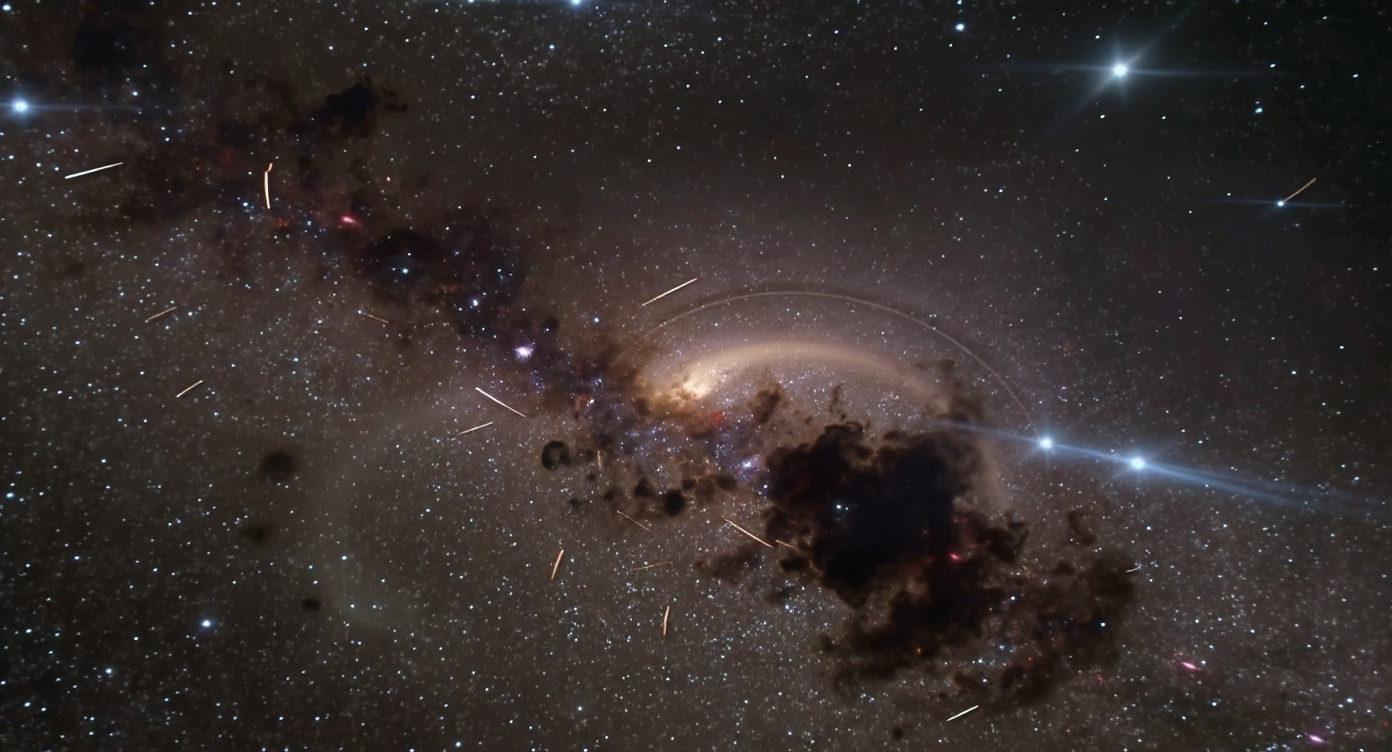
Astronomers have discovered 164 mysterious ring-shaped structures within the plane of the Milky Way, whose origins remain unknown. Some of these rings are visible only in the radio spectrum, and research into their nature is ongoing.
 Cursus
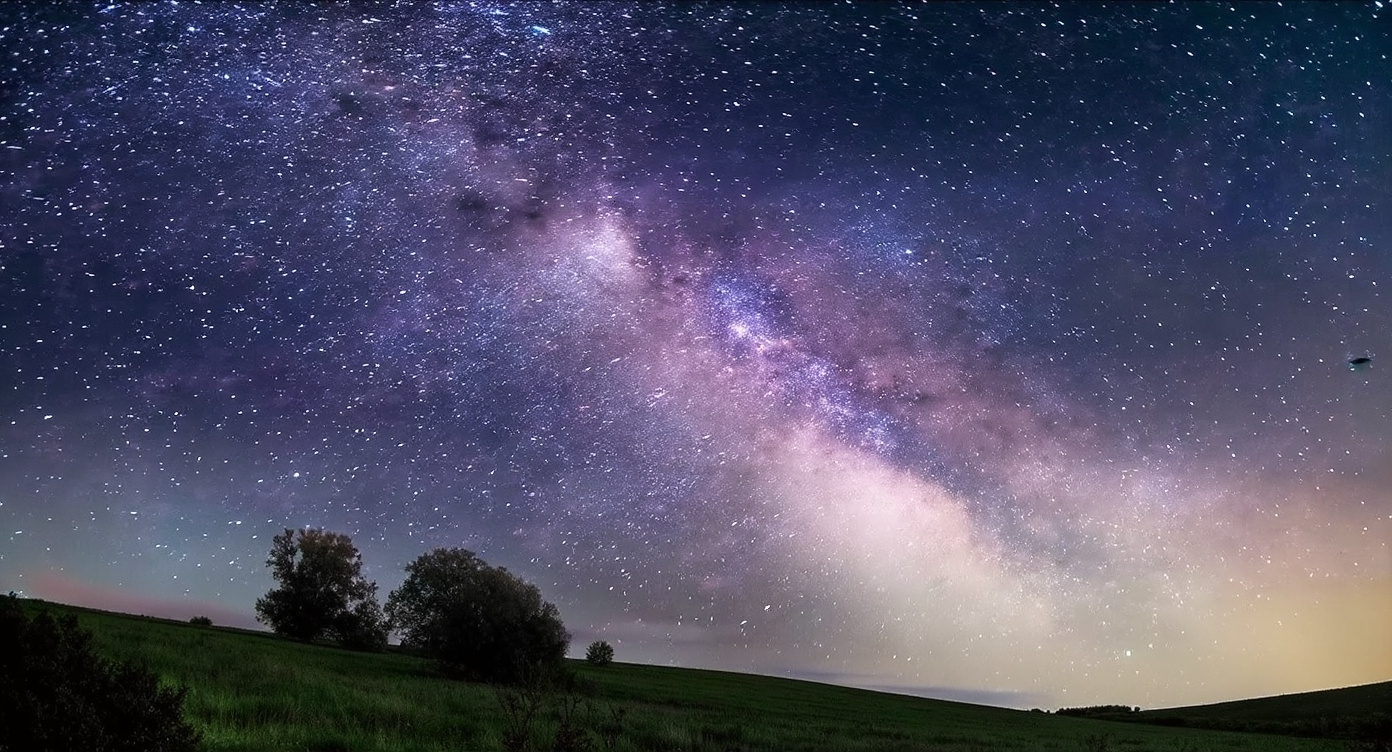
Astronomers have, for the first time, detected a hot wind emanating from the supermassive black hole at the center of the Milky Way. This discovery helps explain the unusual inactivity of Sagittarius A* and deepens our understanding of our Galaxy's evolution.
 Cursus
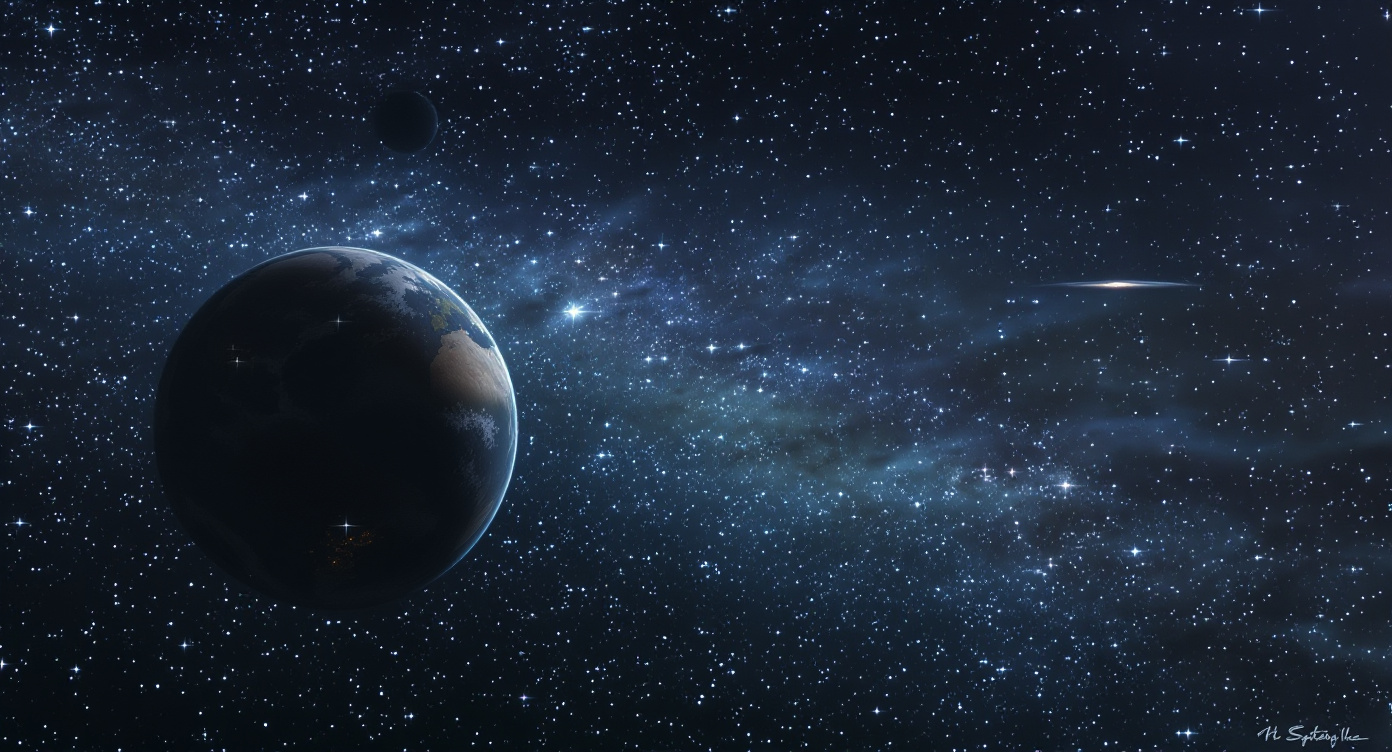
Scientists have estimated how many planets in our galaxy could potentially support intelligent life, and found that the nearest possible civilization might be located tens of thousands of light-years away from us. The key conditions for the emergence of intelligence are considered to be an atmosphere rich in nitrogen and oxygen, as well as geological activity.