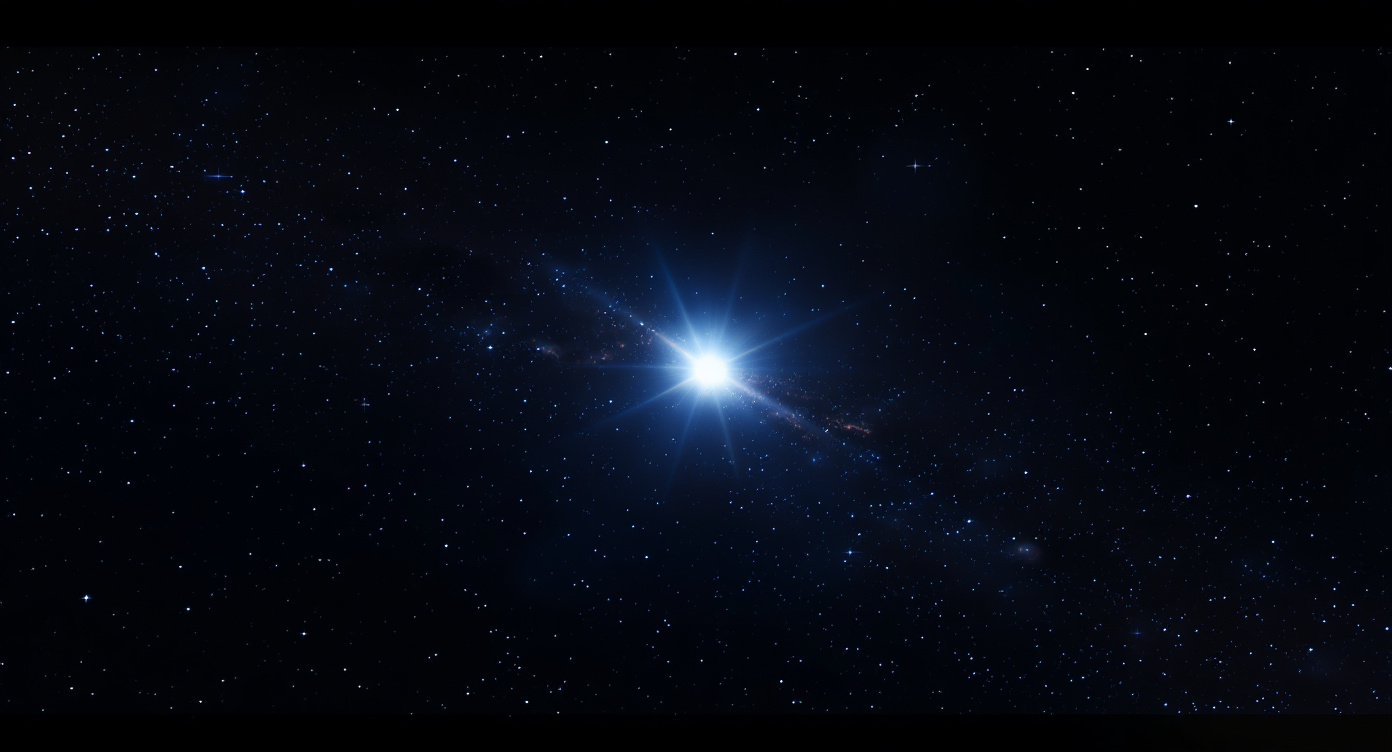
Astronomers have discovered a new pulsar, PSR J0125−5854, located about 3,200 light-years from Earth. This object rotates more slowly than previously known pulsars and may possibly be part of a binary system with a white dwarf.
Astronomers have discovered a new pulsar, PSR J0125−5854, located about 3,200 light-years from Earth. This object rotates more slowly than previously known pulsars and may be part of a binary system with a white dwarf.
Astronomers are studying the recently discovered rare hybrid nova, Nova Vulpeculae 2024, which exhibits characteristics of two different types of novae. This discovery is helping scientists gain a deeper understanding of the evolution of such celestial objects.
Astronomers are observing the GD 362 system, where, after the death of a star, a disk of debris from destroyed planets has formed around a white dwarf. This is a vivid example of what could one day happen to our own Solar System.

 Cursus