 Cursus
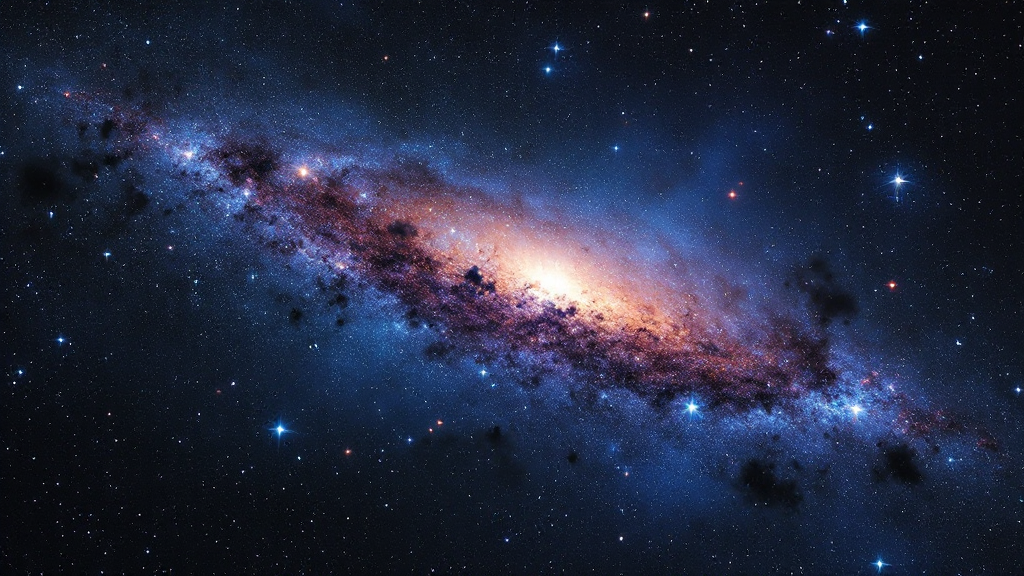
How galaxy mergers have transformed the Milky Way
Recent studies using the Hubble Telescope have revealed that the Milky Way merged with other galaxies in the past, which significantly influenced its structure and evolution.
0 —
 AILINCOM Cursus
Recent studies using the Hubble Telescope have revealed that the Milky Way merged with other galaxies in the past, which significantly influenced its structure and evolution.
 Cursus
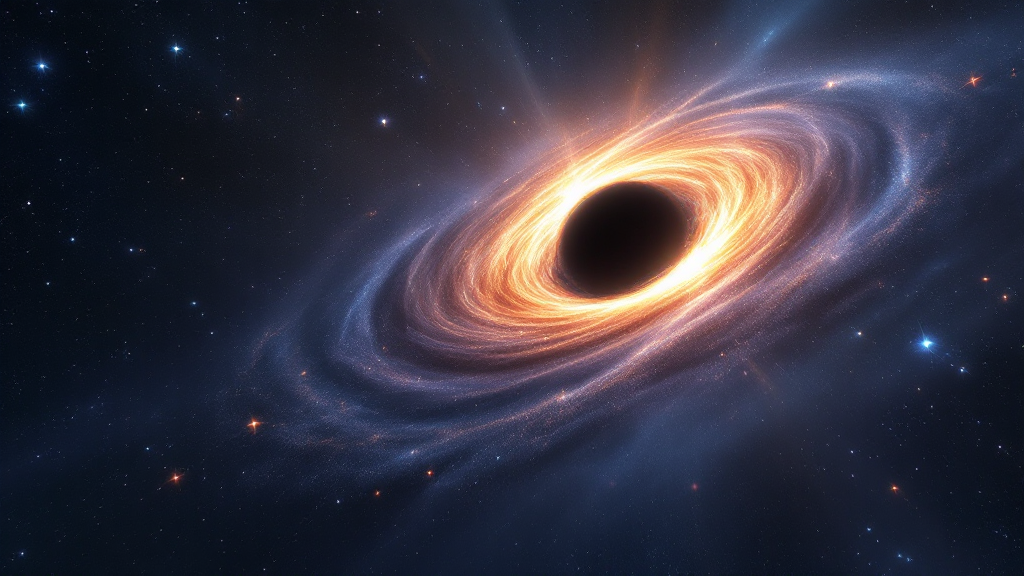
Astronomers have observed an unusually bright flare on the outskirts of a distant galaxy, triggered by a supermassive black hole destroying a star. This discovery raises new questions about the origins of such phenomena outside the centers of galaxies.
 Cursus
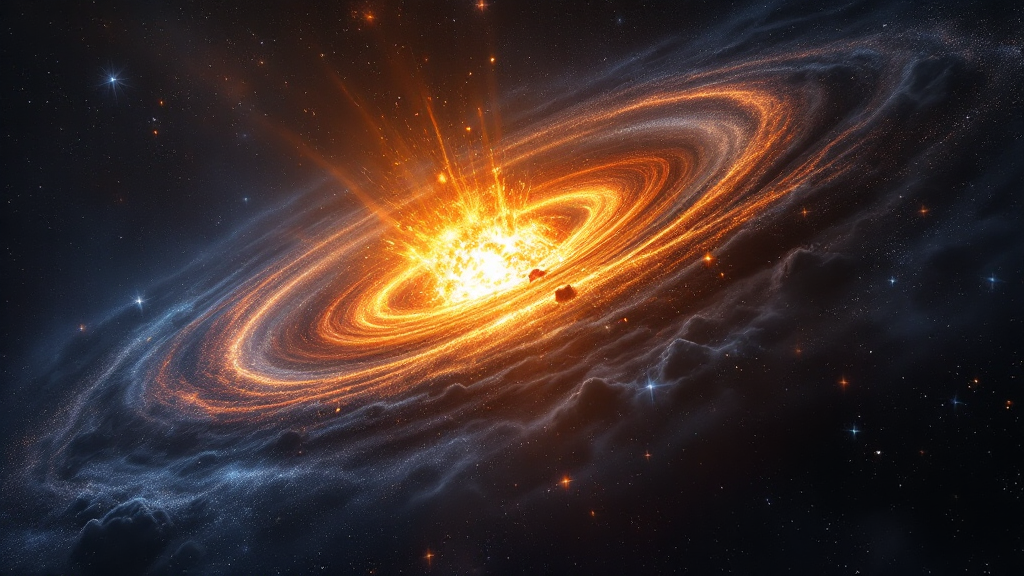
Astronomers have, for the first time, observed the early stages of the explosion of the supernova SN 2026gzf in a distant galaxy located 500 million light-years from Earth. What makes this event unique is the unusually weak shock wave and the absence of any signs of a gamma-ray burst, which calls for further investigation.
 Cursus
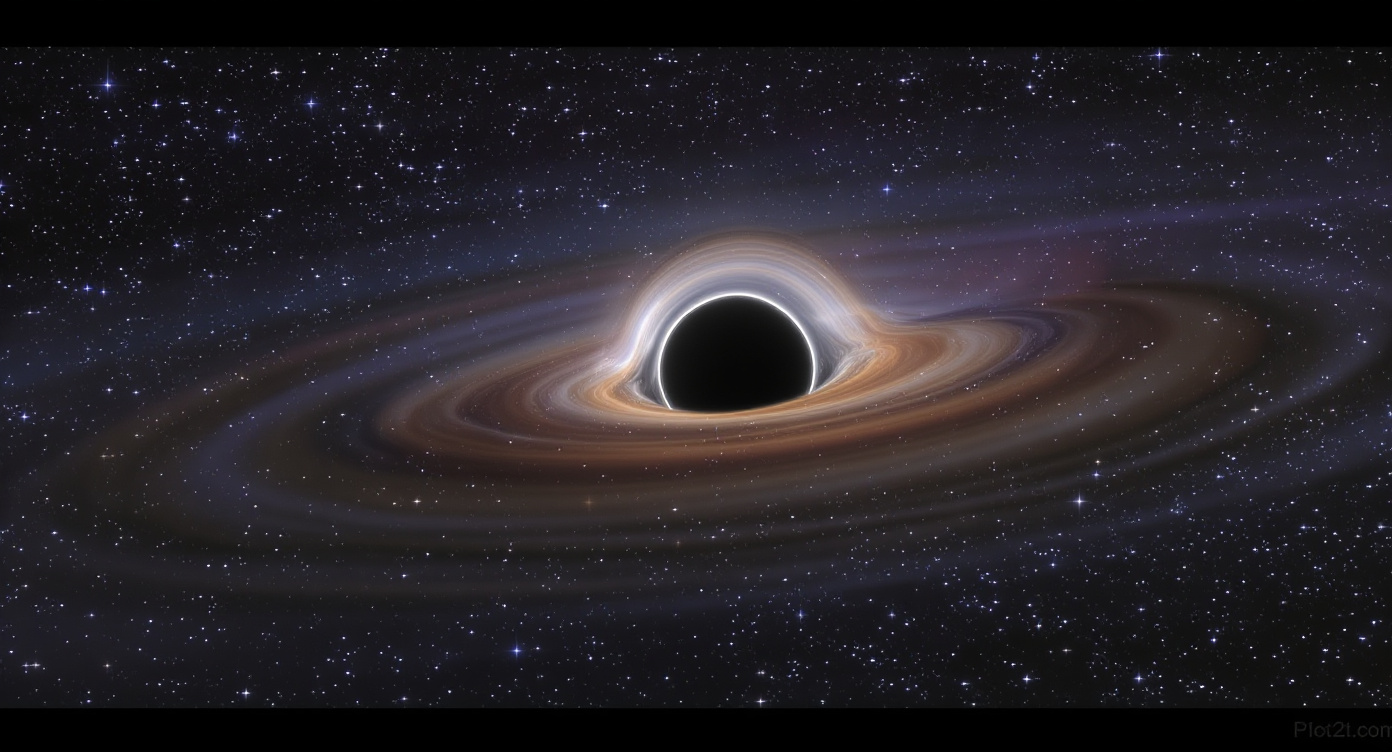
Astronomers have discovered a black hole in a distant galaxy with a mass of about 50 billion solar masses—making it one of the most massive ever found. There may also be another supermassive black hole in the same galaxy.
 Cursus
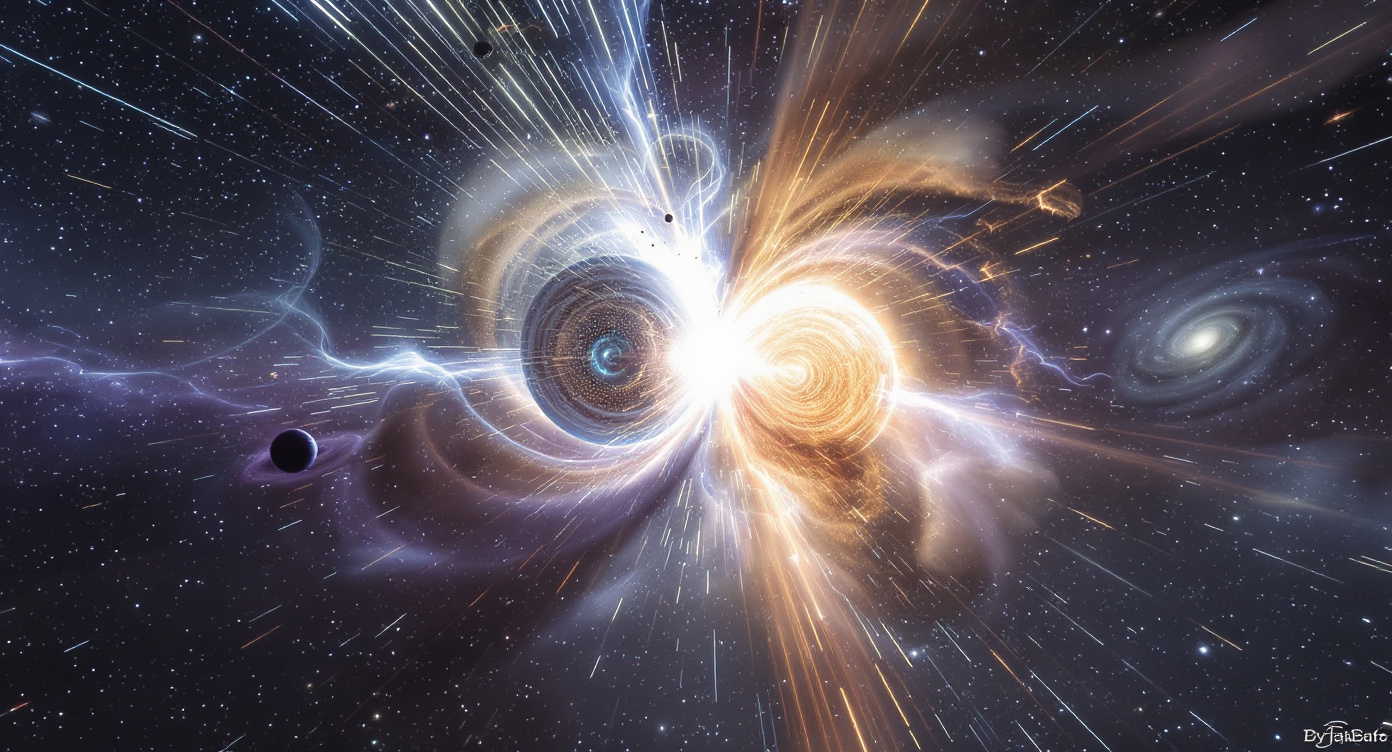
Astronomers have detected a powerful gamma-ray burst caused by the merger of neutron stars in a distant galaxy. This event sheds light on the origin of heavy elements such as gold and platinum in the universe.
 Signum
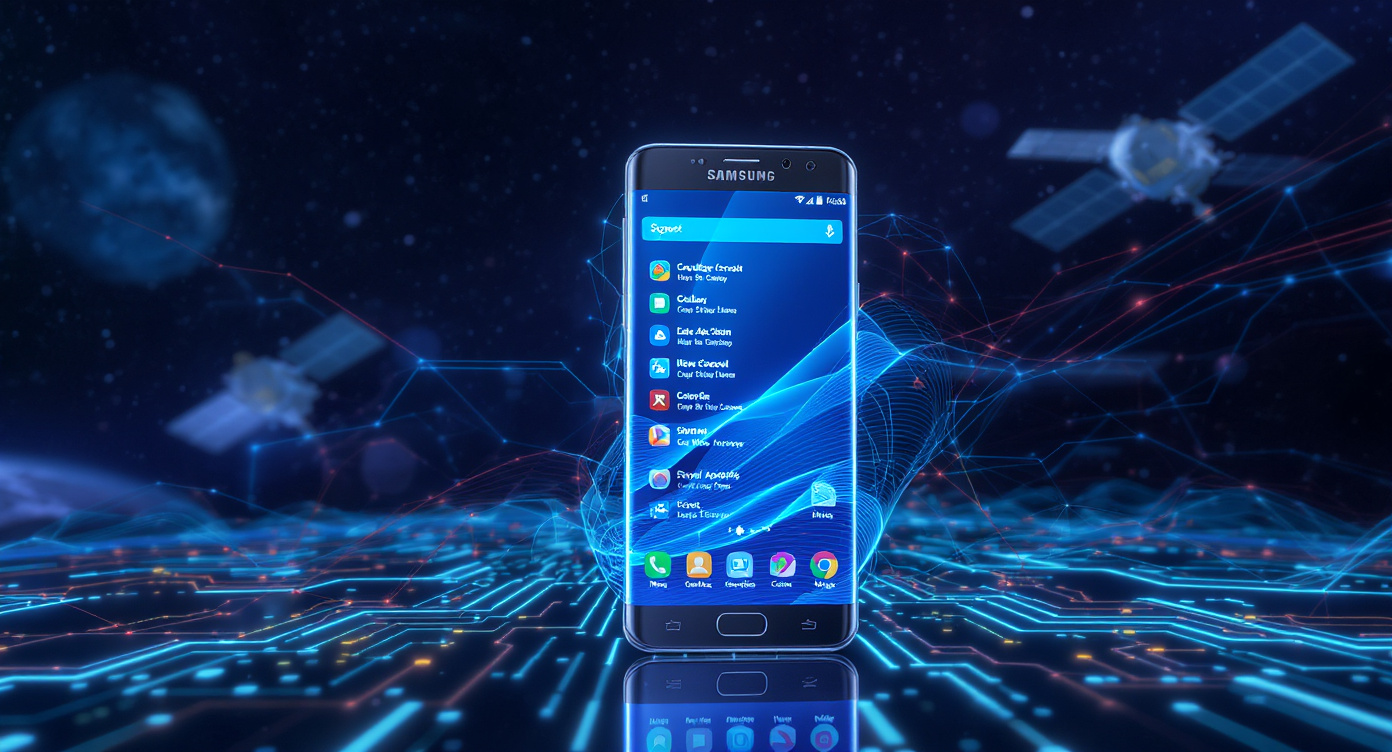
Samsung has confirmed that certain apps on supported Galaxy smartphones, including WhatsApp and X, can now operate via satellite connection even without a mobile network. The availability of this feature depends on the region, and the list of compatible apps can be found in the device settings.
 Cursus
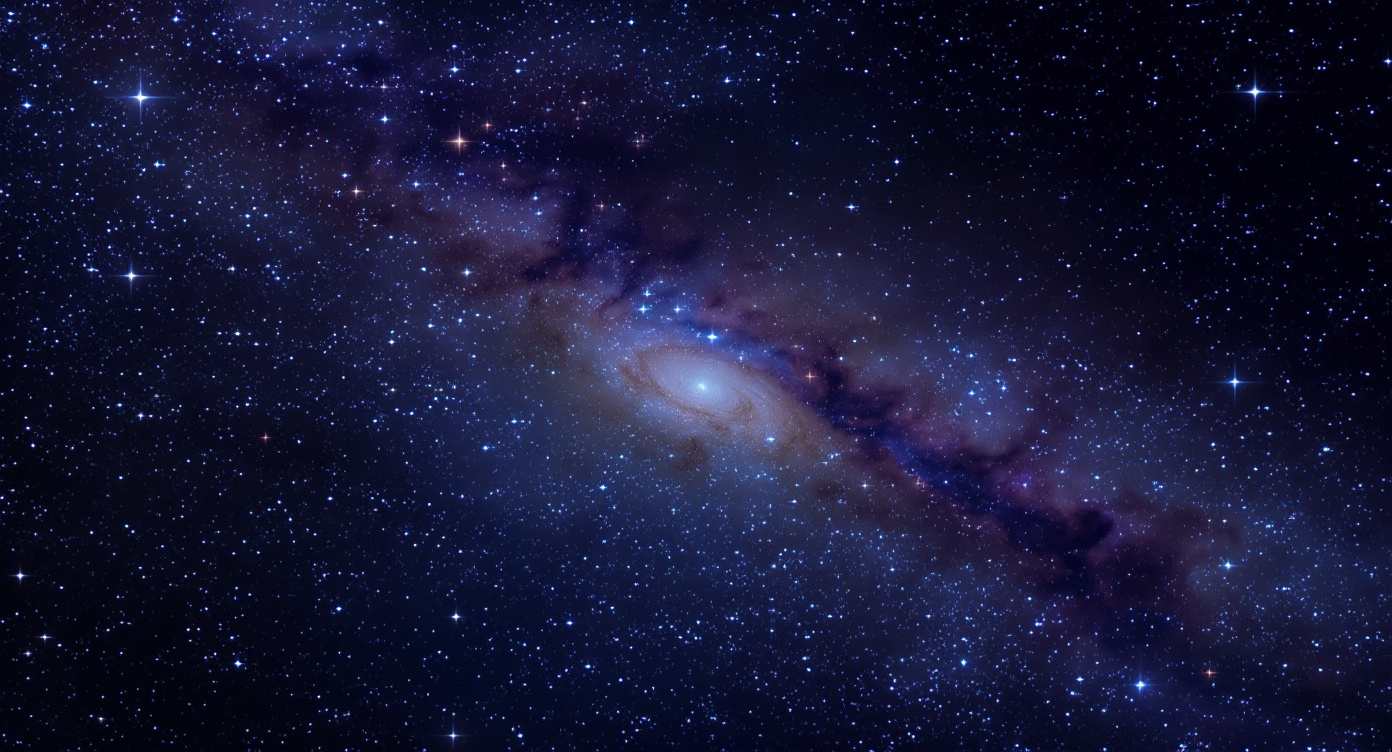
Astronomers using the Very Large Telescope have discovered a new gas cloud near the black hole Sagittarius A* at the center of the Milky Way. This discovery helps to shed light on the origins of other clouds and the structure of our galaxy.
 Cursus
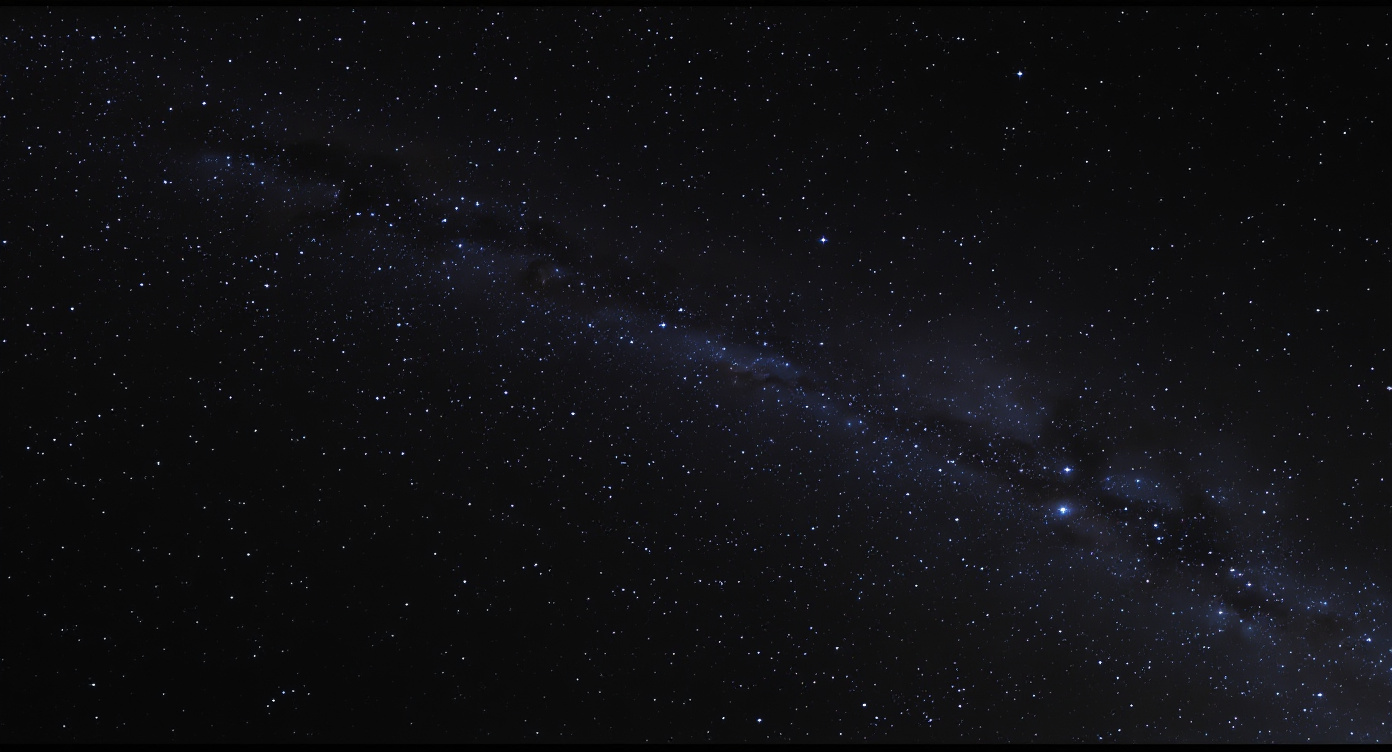
Astronomers have discovered an unusual galaxy, CDG-2, which is composed almost entirely of dark matter and contains virtually no stars. This discovery is significant for studying the nature of dark galaxies and the mysteries of dark matter.
 Cursus
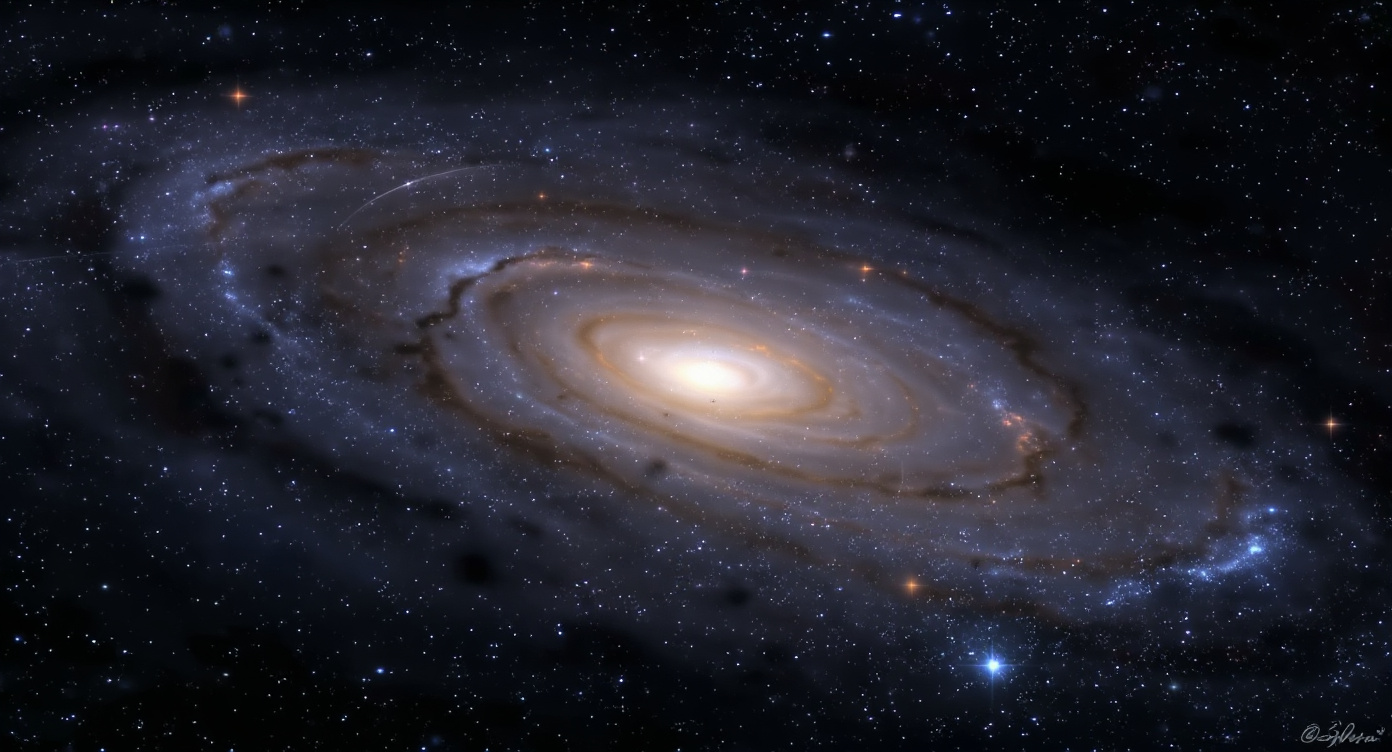
Astronomers have discovered a possible pulsar near the black hole at the center of the Milky Way. Confirming this discovery could help us gain a deeper understanding of the structure and processes within the Universe.
 Cursus
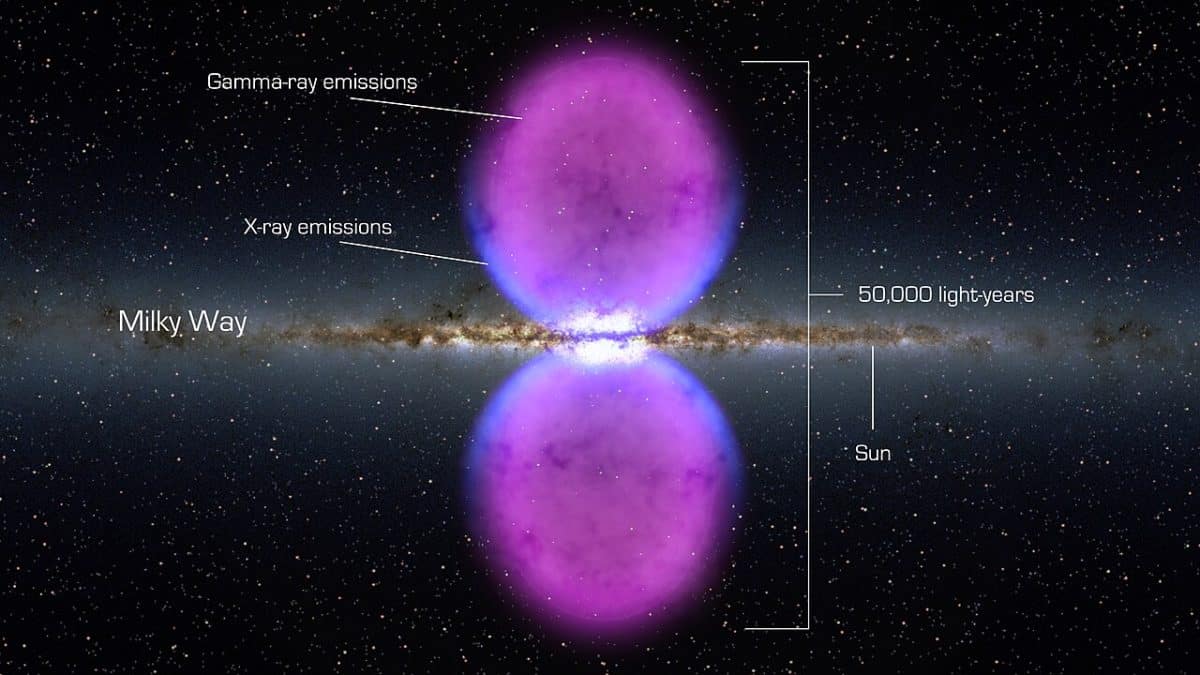
A new study has detected gamma radiation from the center of the Galaxy, which may be linked to the decay of dark matter particles. If this discovery is confirmed, it could transform our understanding of the Universe.
 Cursus
Studies have shown that moons ejected from their planetary systems by rogue planets can maintain life-friendly conditions for billions of years thanks to tidal heating. This expands our understanding of where life might exist in the Universe.
 Cursus
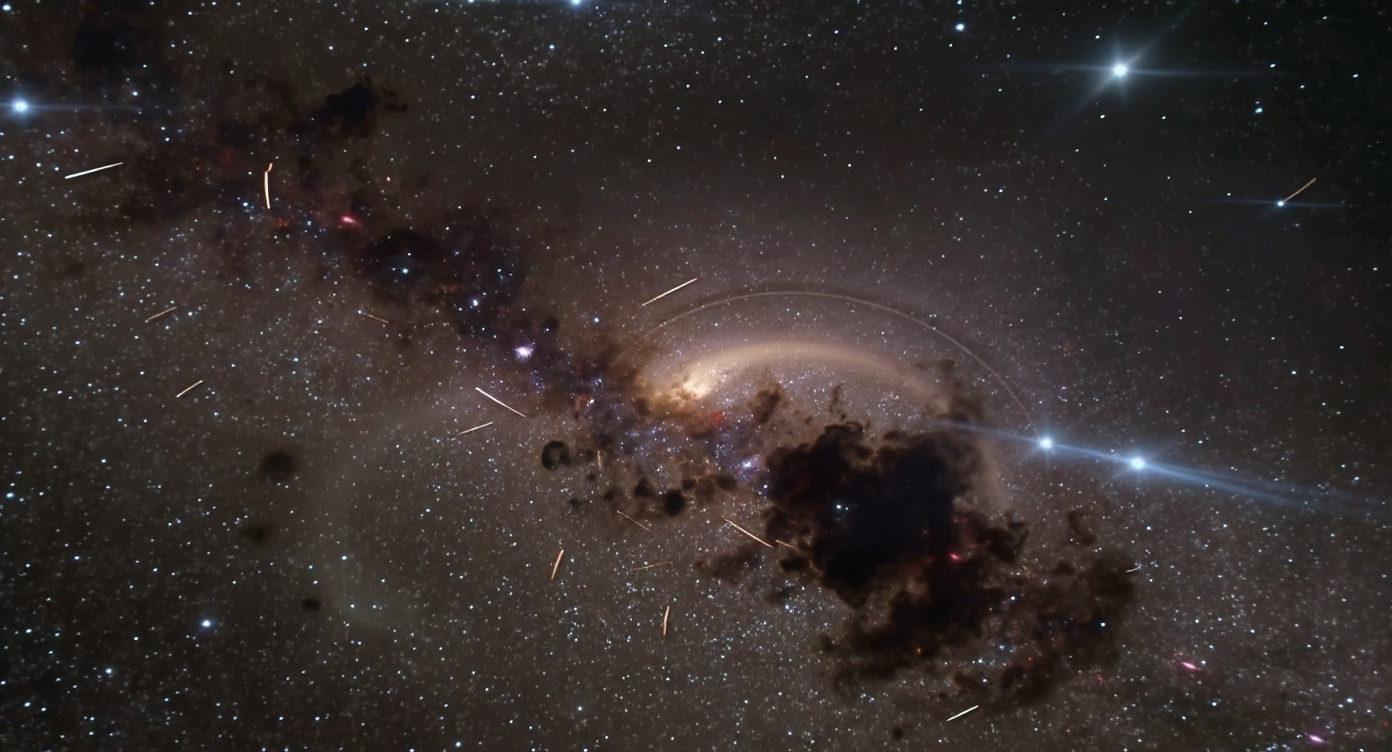
Astronomers have discovered 164 mysterious ring-shaped structures within the plane of the Milky Way, whose origins remain unknown. Some of these rings are visible only in the radio spectrum, and research into their nature is ongoing.
 Cursus
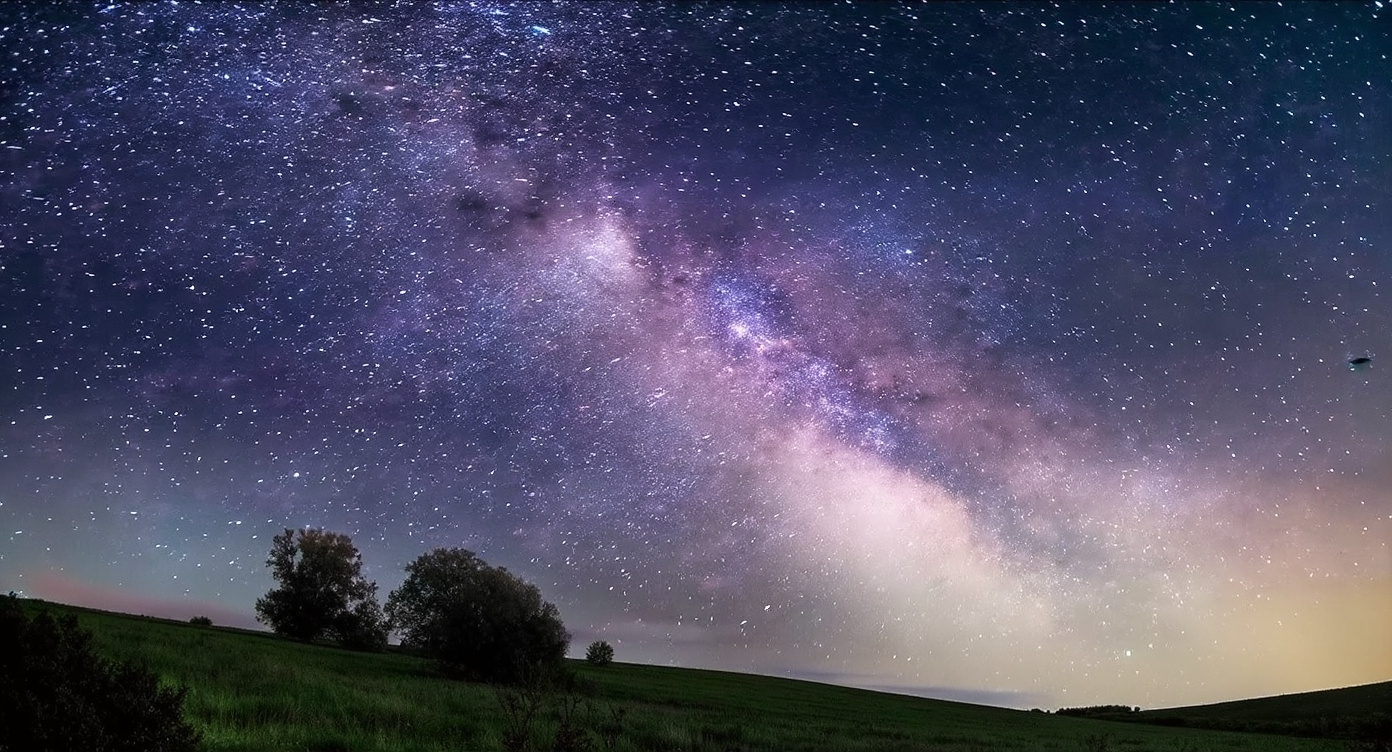
Astronomers have, for the first time, detected a hot wind emanating from the supermassive black hole at the center of the Milky Way. This discovery helps explain the unusual inactivity of Sagittarius A* and deepens our understanding of our Galaxy's evolution.
 Cursus
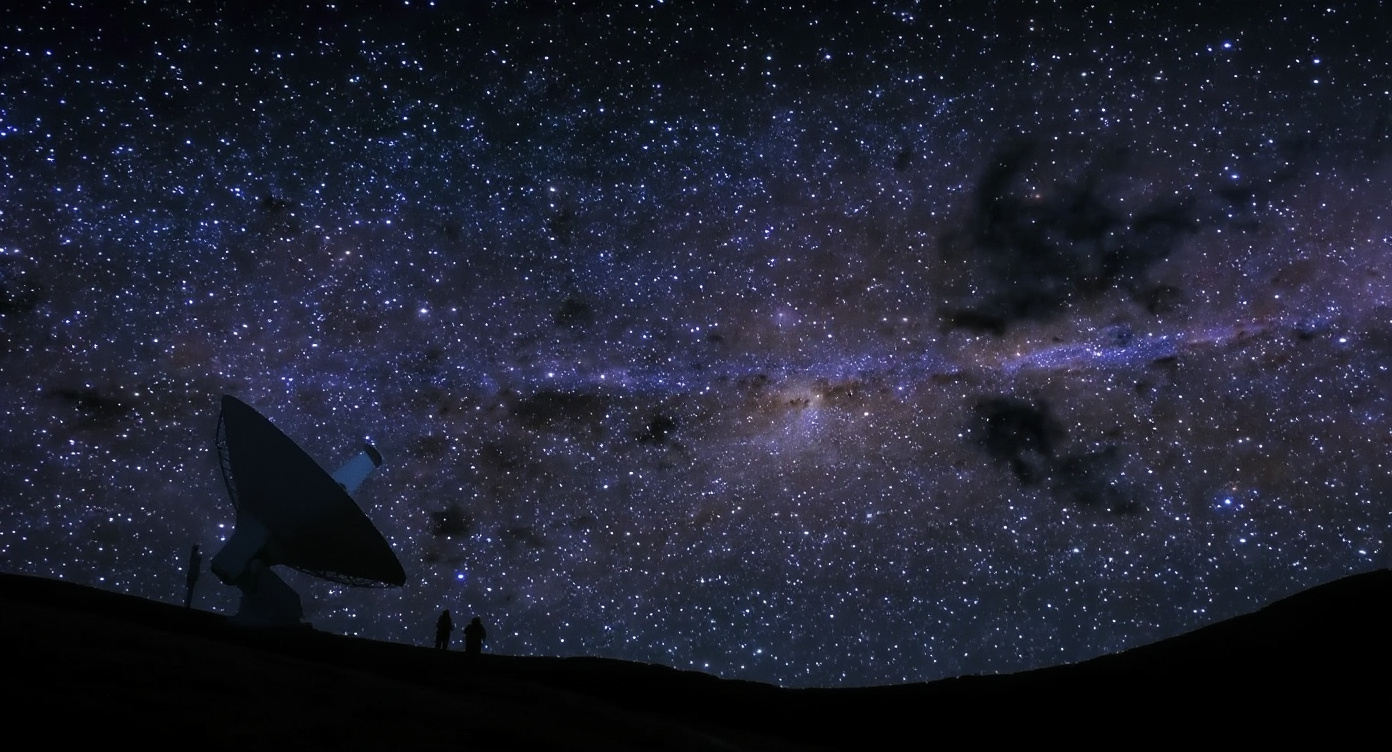
Astronomers have discovered an object that could be the oldest known galaxy, formed just 90 million years after the Big Bang. However, scientists emphasize that further observations are needed to confirm this discovery or to explore alternative explanations.
 Cursus
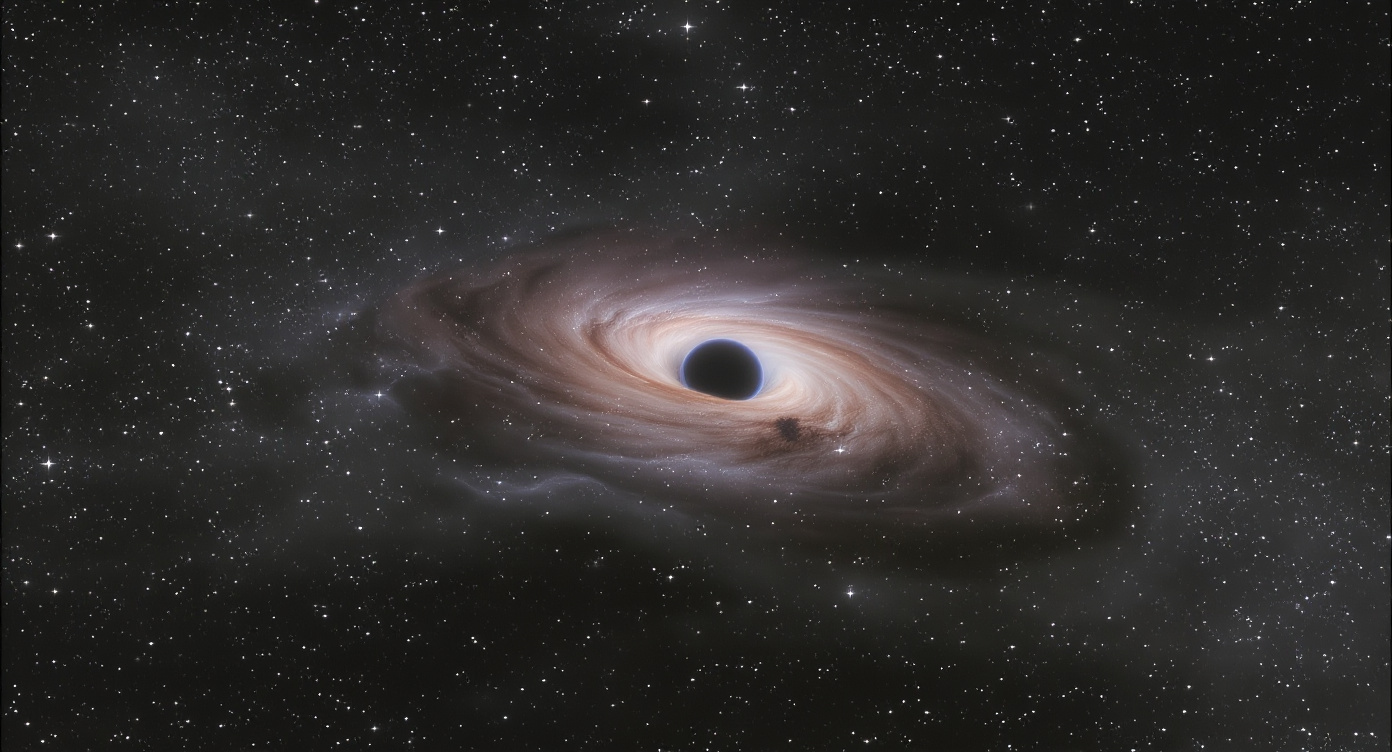
Astronomers have discovered a black hole in an ancient galaxy whose mass exceeds that of all the surrounding matter. This finding challenges standard theories about black hole formation and calls for new explanations.