For the first time, researchers have used a quantum simulator to model string breaking and the creation of particle-antiparticle pairs, opening up new possibilities for studying the fundamental processes of matter. The experiment demonstrates the potential of quantum computers to solve problems that are beyond the reach of classical computation and brings science closer to understanding the conditions of the early Universe.
Astronomers have discovered a star with an extremely primitive chemical composition, containing almost no iron, in the dwarf galaxy Pictor II. Studying this star helps scientists better understand the properties of the first generations of stars in the Universe.
Astronomers have discovered an object that could be the oldest known galaxy, formed just 90 million years after the Big Bang. However, scientists emphasize that further observations are needed to confirm this discovery or to explore alternative explanations.
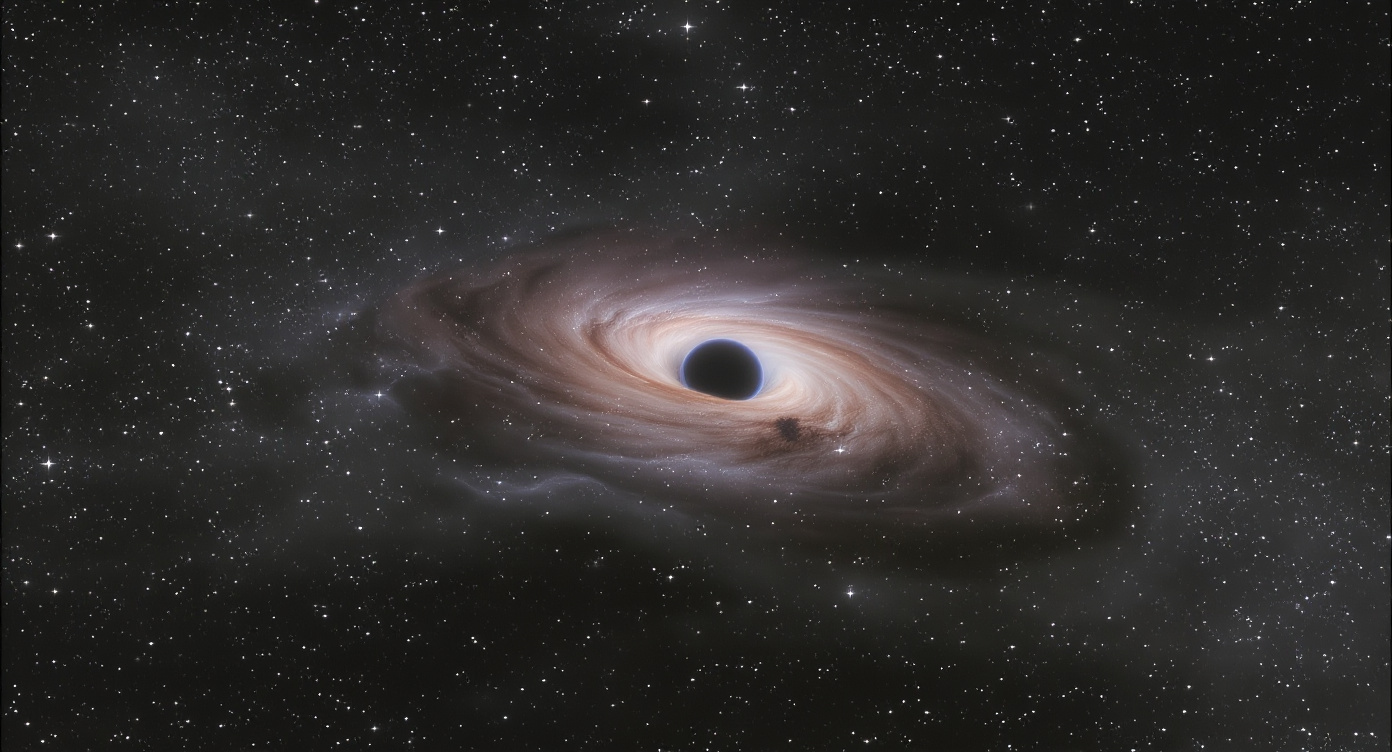
Astronomers have discovered a black hole in an ancient galaxy whose mass exceeds that of all the surrounding matter. This finding challenges standard theories about black hole formation and calls for new explanations.

 Cursus