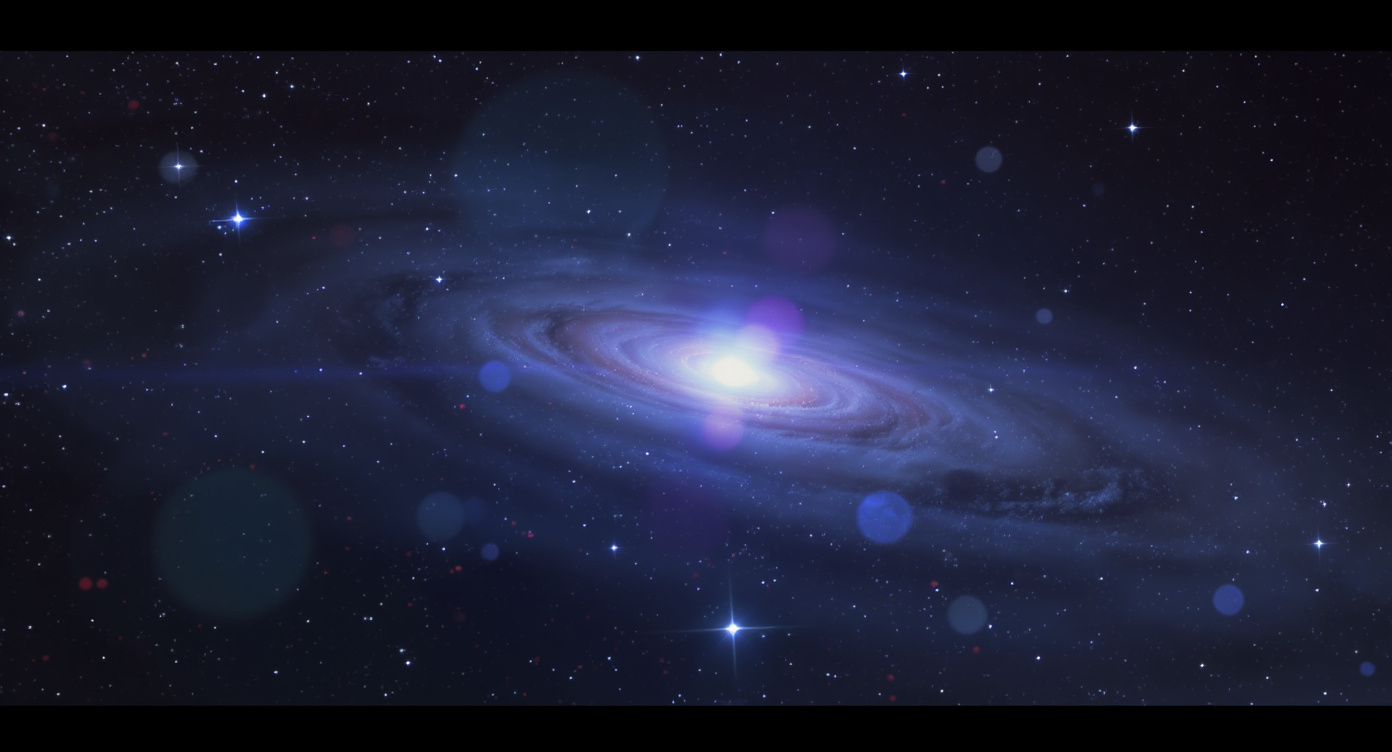
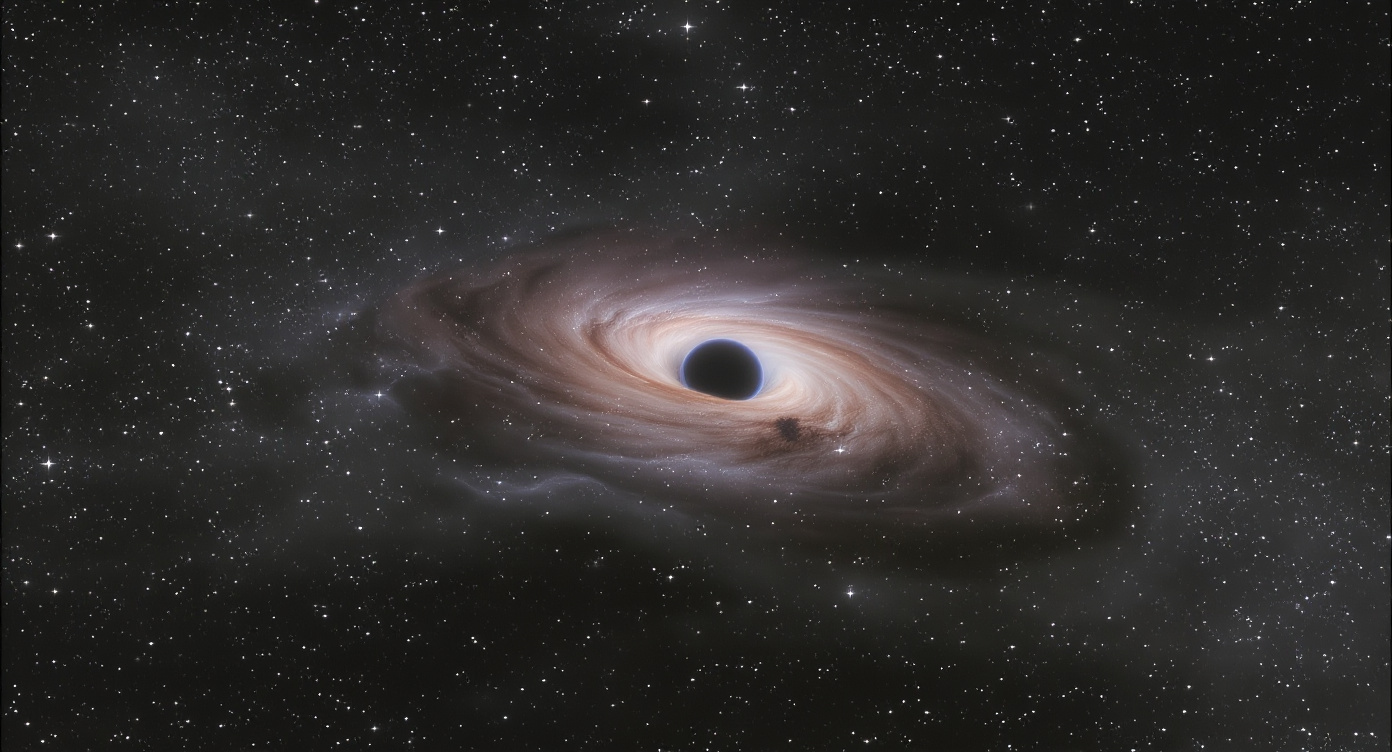
Astronomers have discovered a black hole in a distant galaxy with a mass of about 50 billion solar masses—making it one of the most massive ever found. There may also be another supermassive black hole in the same galaxy.
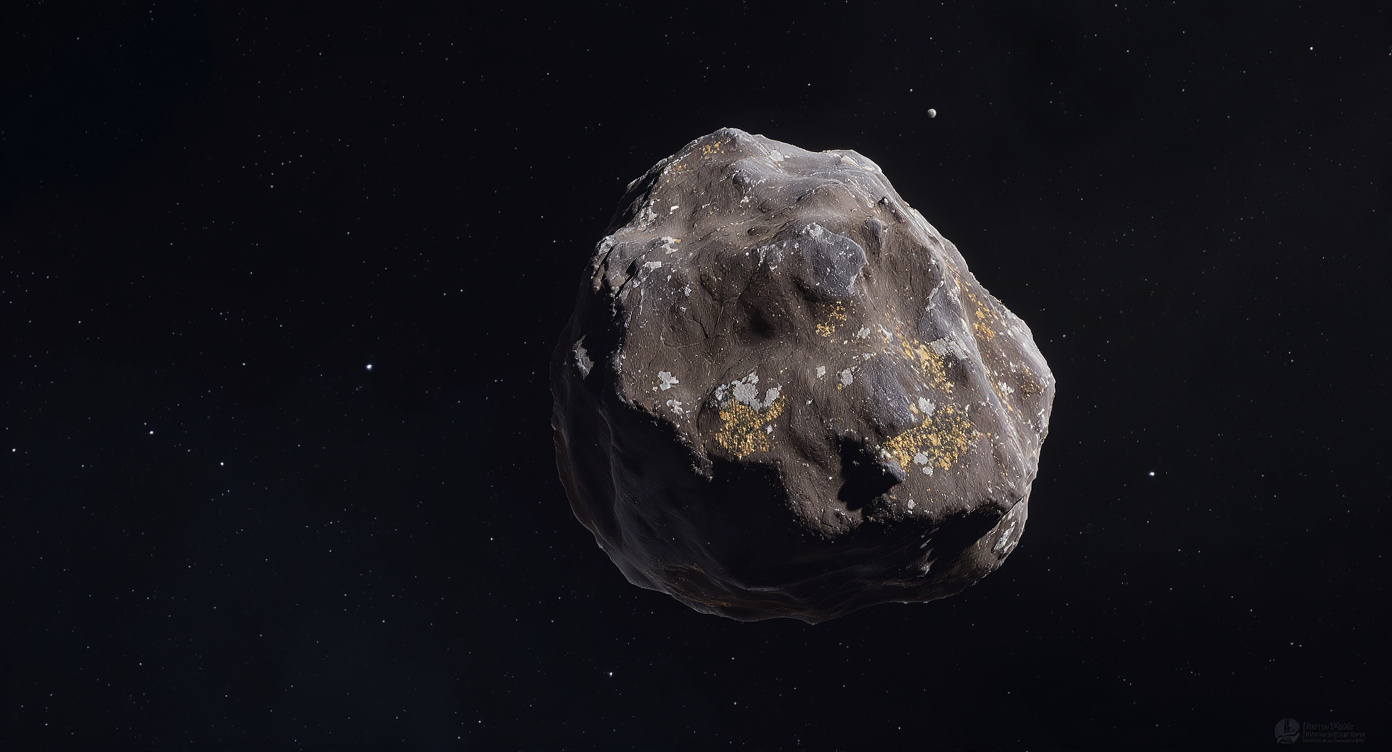
New observations from the James Webb Telescope have shown that asteroid 2024 YR4 will not collide with the Moon in 2032. The threat to the Moon and nearby satellites has been completely ruled out.
Astronomers using the James Webb Telescope have ruled out the presence of a dense hydrogen atmosphere on the exoplanet TRAPPIST-1 e, but the question of a secondary atmosphere remains unresolved. If such an atmosphere exists, liquid water could potentially be present on the planet's surface.
Astronomers have discovered an object that could be the oldest known galaxy, formed just 90 million years after the Big Bang. However, scientists emphasize that further observations are needed to confirm this discovery or to explore alternative explanations.
Astronomers have discovered that tiny "little red dots" may represent an early stage in the evolution of blue, dust-rich galaxies. This finding helps trace the life cycle of massive galaxies in the Universe.
Astronomers have discovered a black hole in an ancient galaxy whose mass exceeds that of all the surrounding matter. This finding challenges standard theories about black hole formation and calls for new explanations.

 Cursus