For the first time, researchers have used a quantum simulator to model string breaking and the creation of particle-antiparticle pairs, opening up new possibilities for studying the fundamental processes of matter. The experiment demonstrates the potential of quantum computers to solve problems that are beyond the reach of classical computation and brings science closer to understanding the conditions of the early Universe.
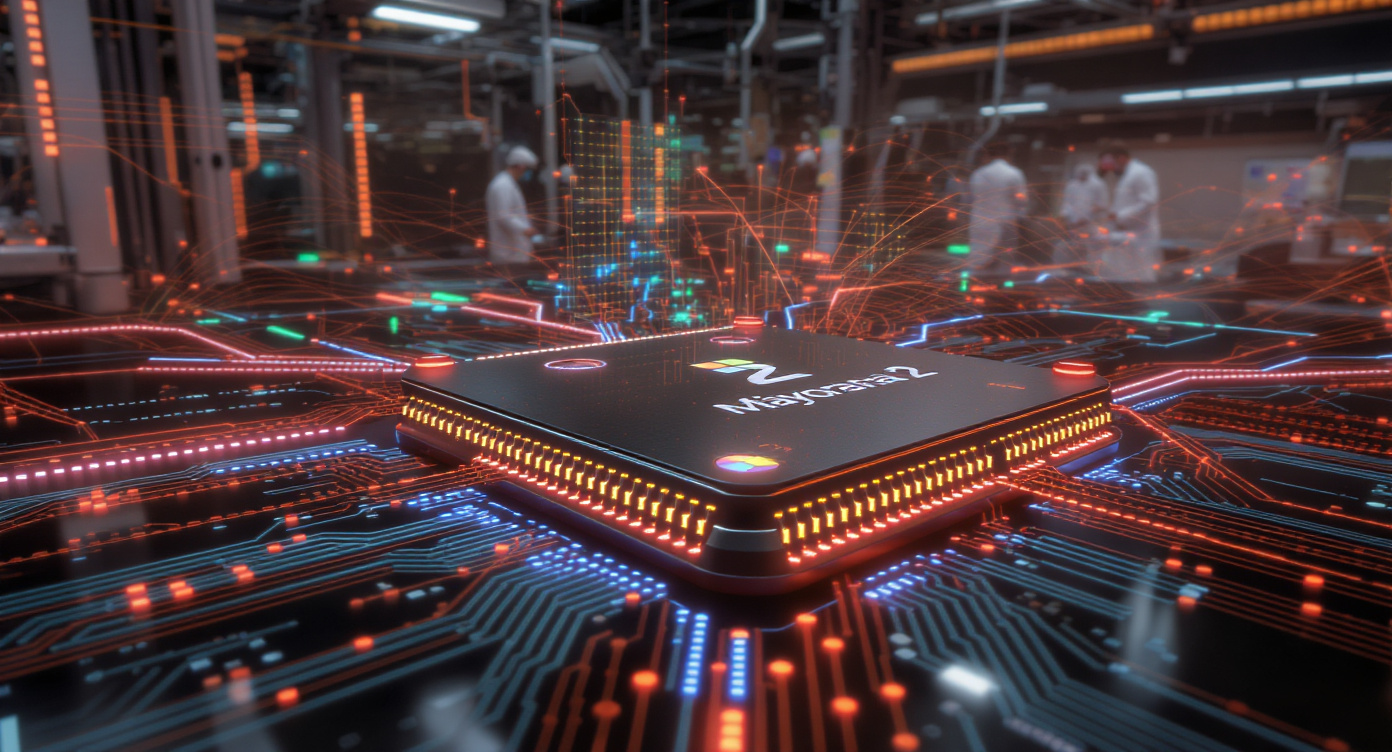
Microsoft has unveiled the Majorana 2 quantum chip, featuring significantly more stable qubits—a breakthrough that brings the arrival of commercially viable quantum computers closer, potentially as soon as 2029. This new technology could accelerate scientific discoveries and solutions in fields such as medicine, energy, and beyond.
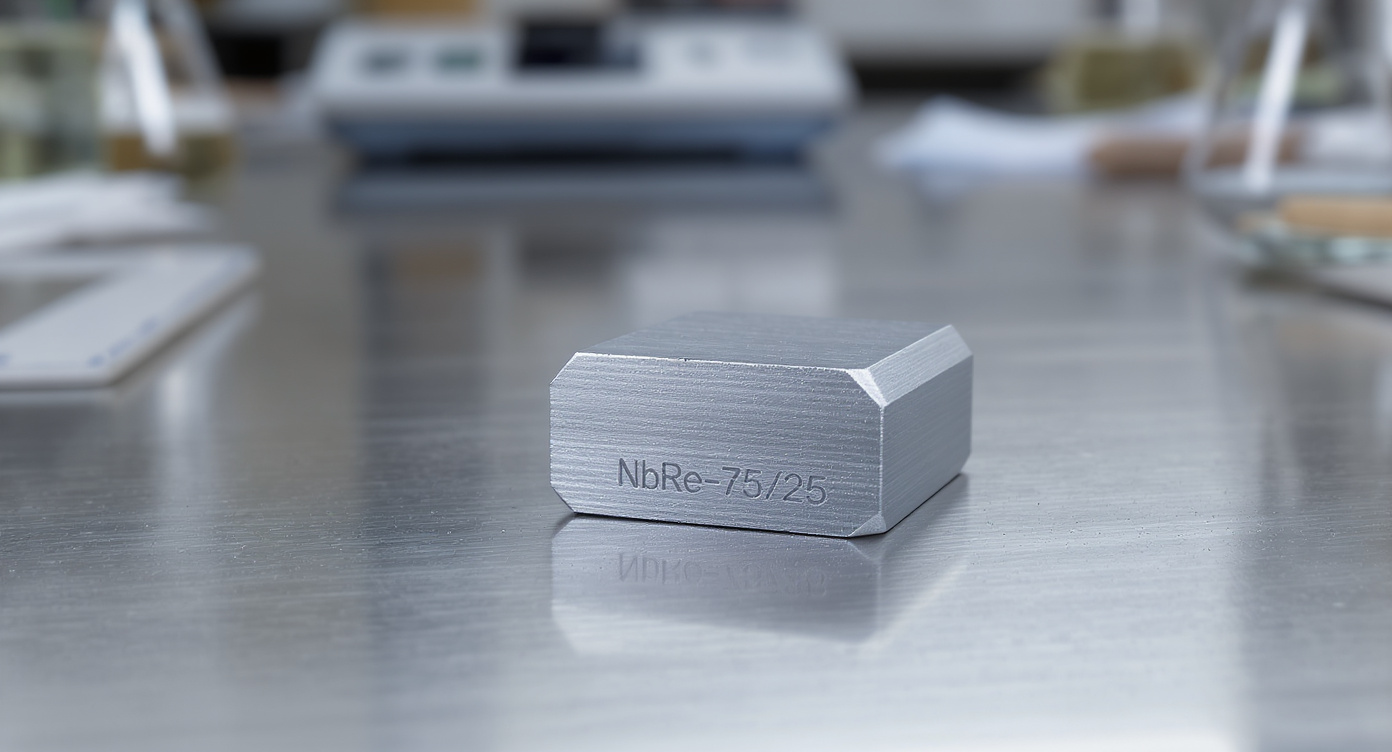
Studies of the niobium-rhenium (NbRe) alloy have revealed signs of rare triplet superconductivity, which enables the transmission of both electrical and spin signals without energy loss. This discovery could bring us closer to creating energy-efficient quantum computers that operate at higher temperatures.
Researchers have developed an ultrathin photonic chip for highly precise control of laser light, a crucial component for next-generation quantum computers. This technology enables the mass production of compact and energy-efficient devices, bringing the creation of scalable quantum platforms closer to reality.
Scientists have proposed a new type of particle—the neglecton—which enables topological quantum computers to perform universal computations using only the braiding of anyons. This discovery expands the possibilities of quantum computing and opens up new directions for research.
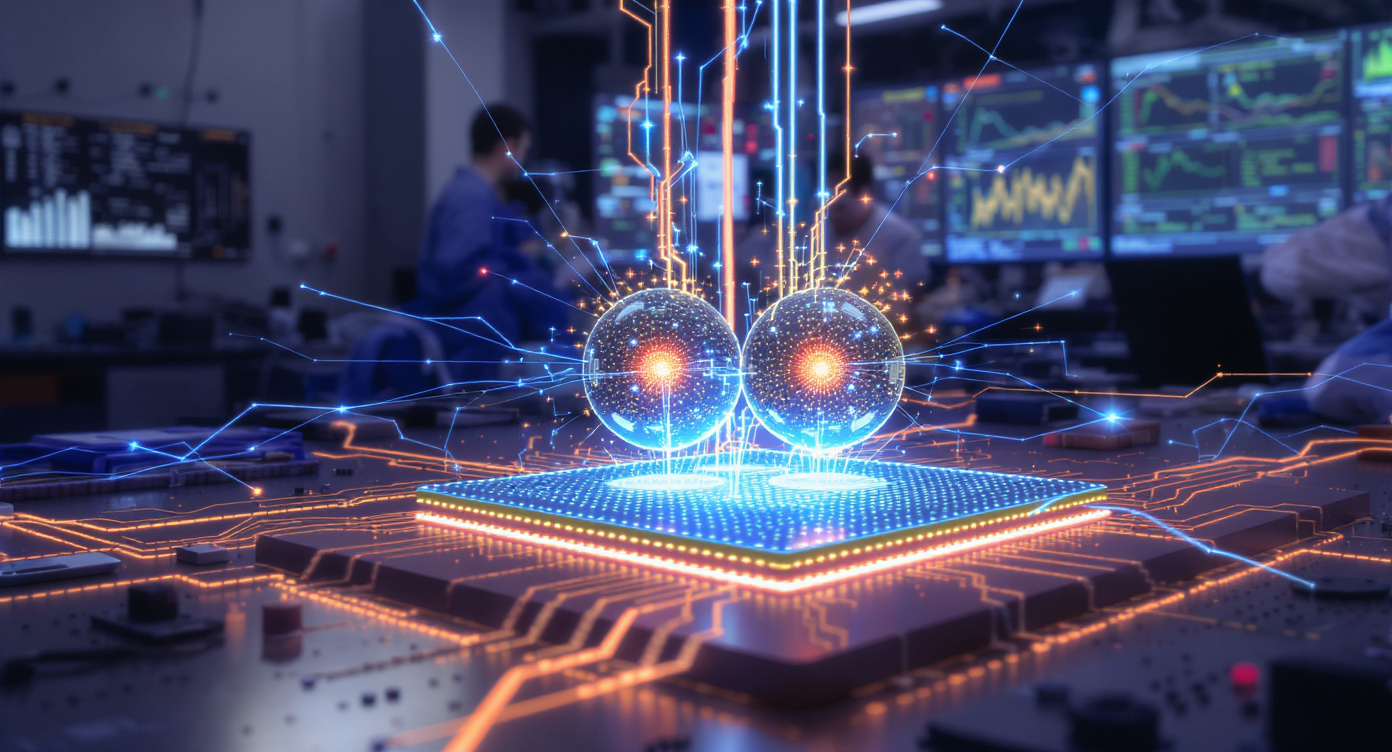
UNSW engineers have achieved a breakthrough in quantum computing by enabling isolated atomic nuclei to interact at the scale of modern microchips. This paves the way for building scalable quantum computers using existing technologies.


 Cursus