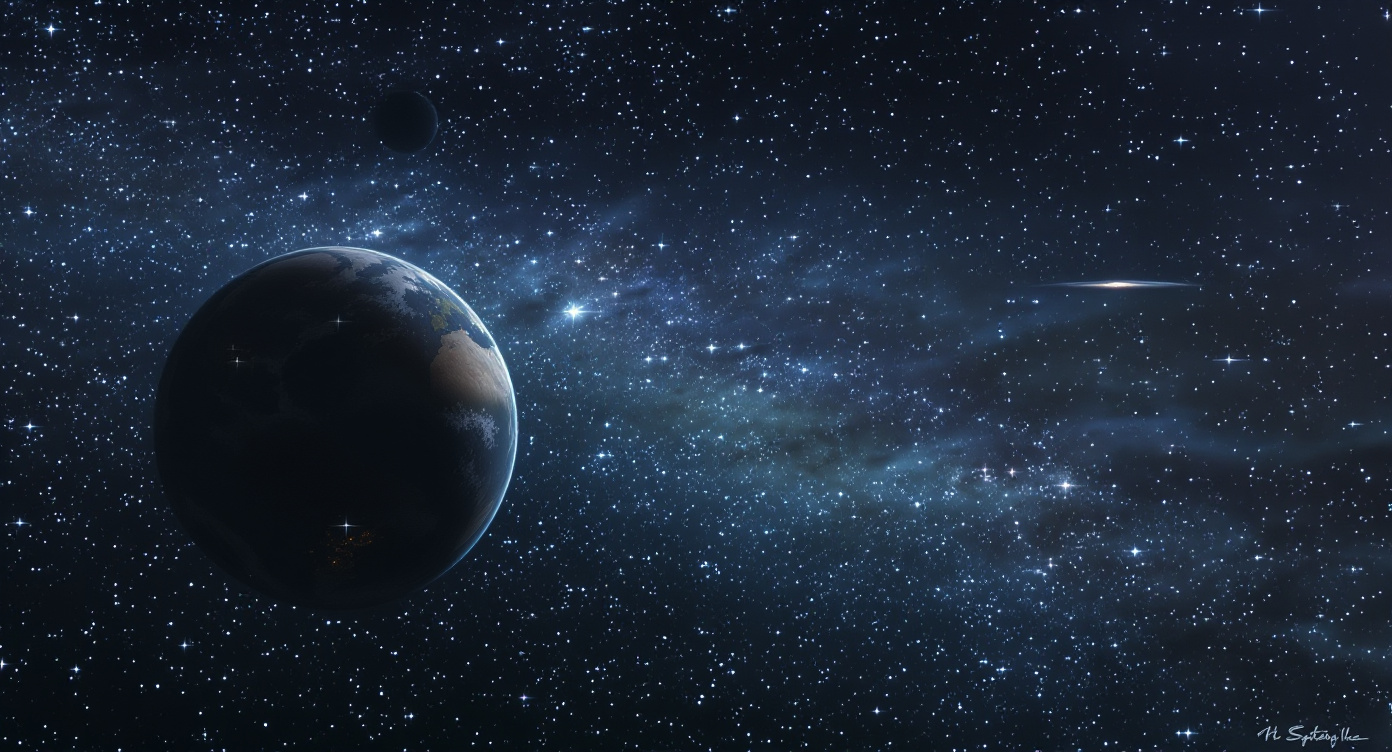
Astronomers have confirmed the discovery of the youngest known exoplanet, Elias 2-24 b, which is less than a million years old. This finding provides valuable insights into the early stages of planet formation.
Astronomers have identified 45 rocky exoplanets located in habitable zones that may possess conditions suitable for life. This discovery will help refine the search for life in the universe and expand our understanding of the cosmos.
For the first time, a three-dimensional map of the upper layers of Uranus's atmosphere has been created, revealing how the planet's unusual magnetic field shapes its auroras and influences its cooling. This discovery provides new insights into the evolution of exoplanets and the structure of ice giants.
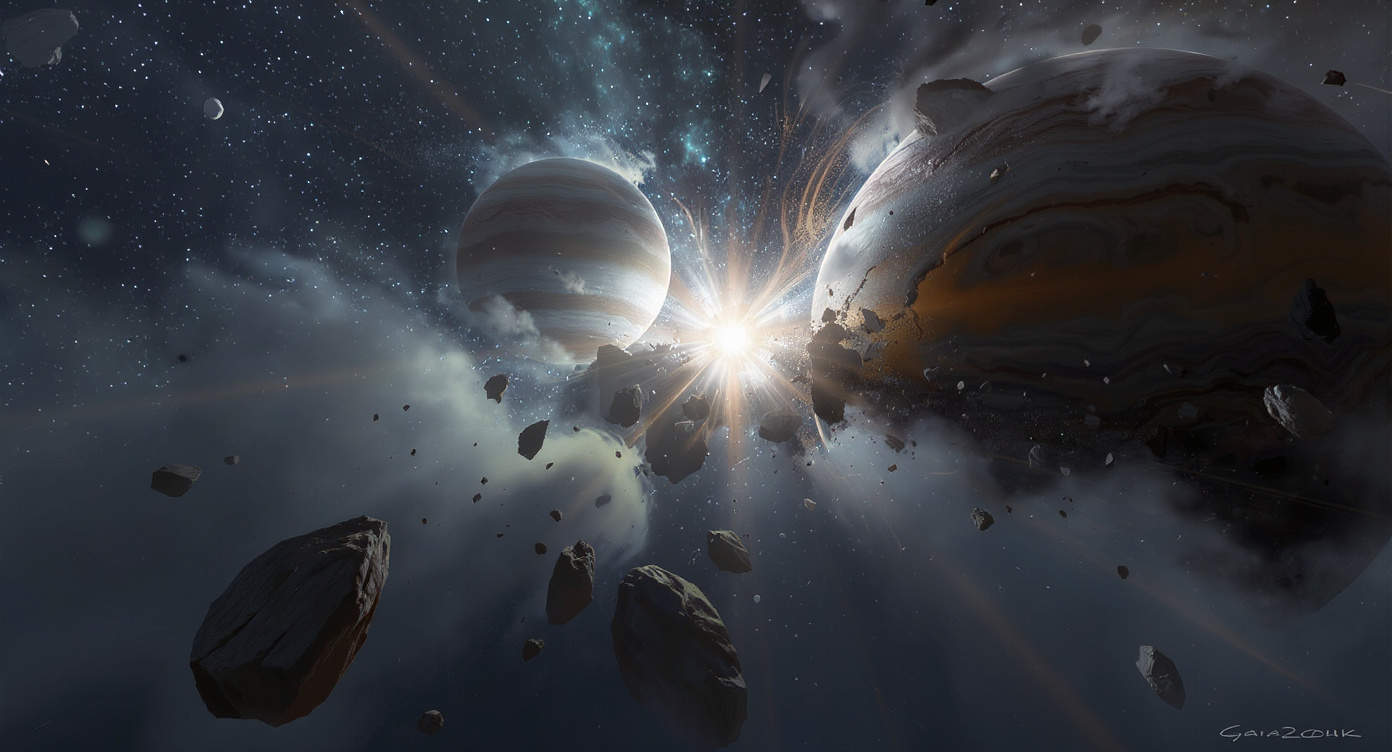
Astronomers have recorded a collision between two exoplanets in a system located 11,000 light-years from Earth. This discovery provides deeper insight into the processes of formation and evolution of planetary systems in the universe.
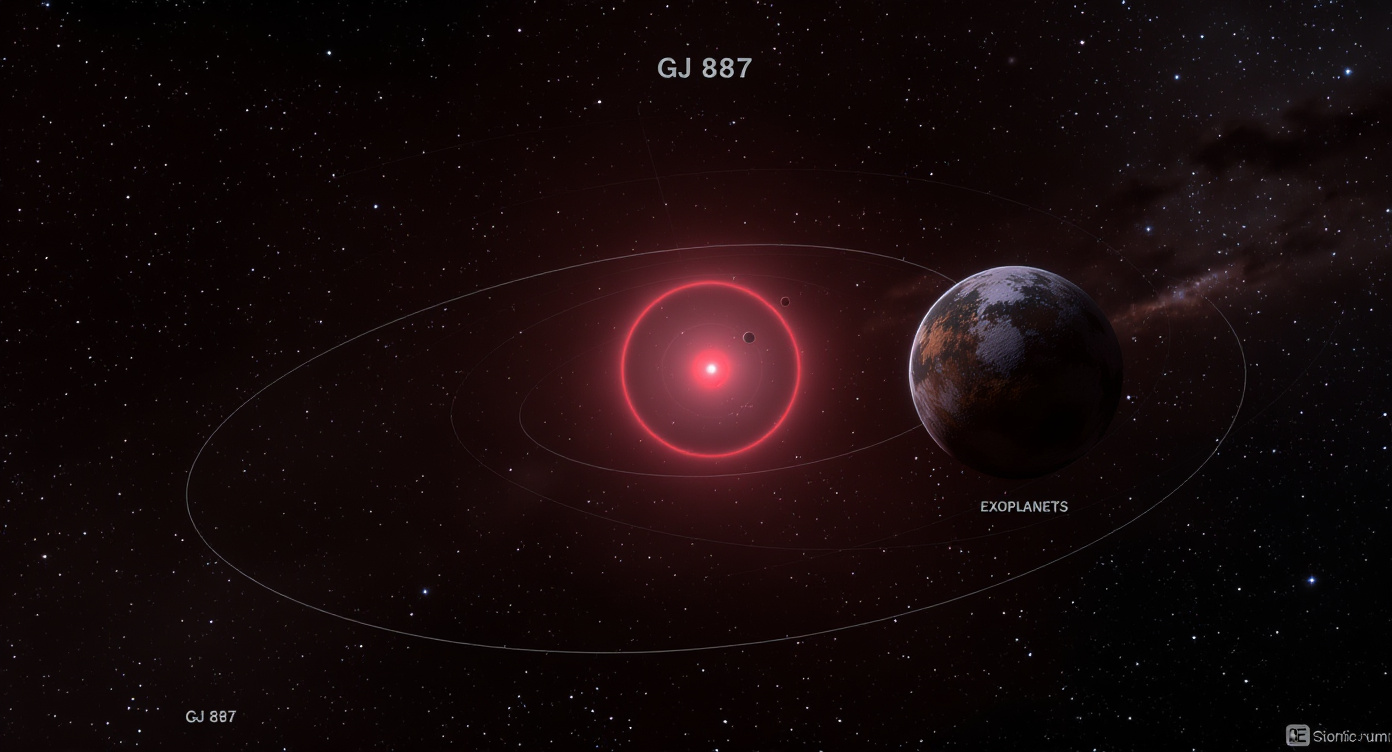
Astronomers have confirmed the existence of two new exoplanets orbiting the red dwarf GJ 887, one of which lies within the habitable zone and may have conditions suitable for liquid water. Further research will help scientists learn more about the potential for life in this system.
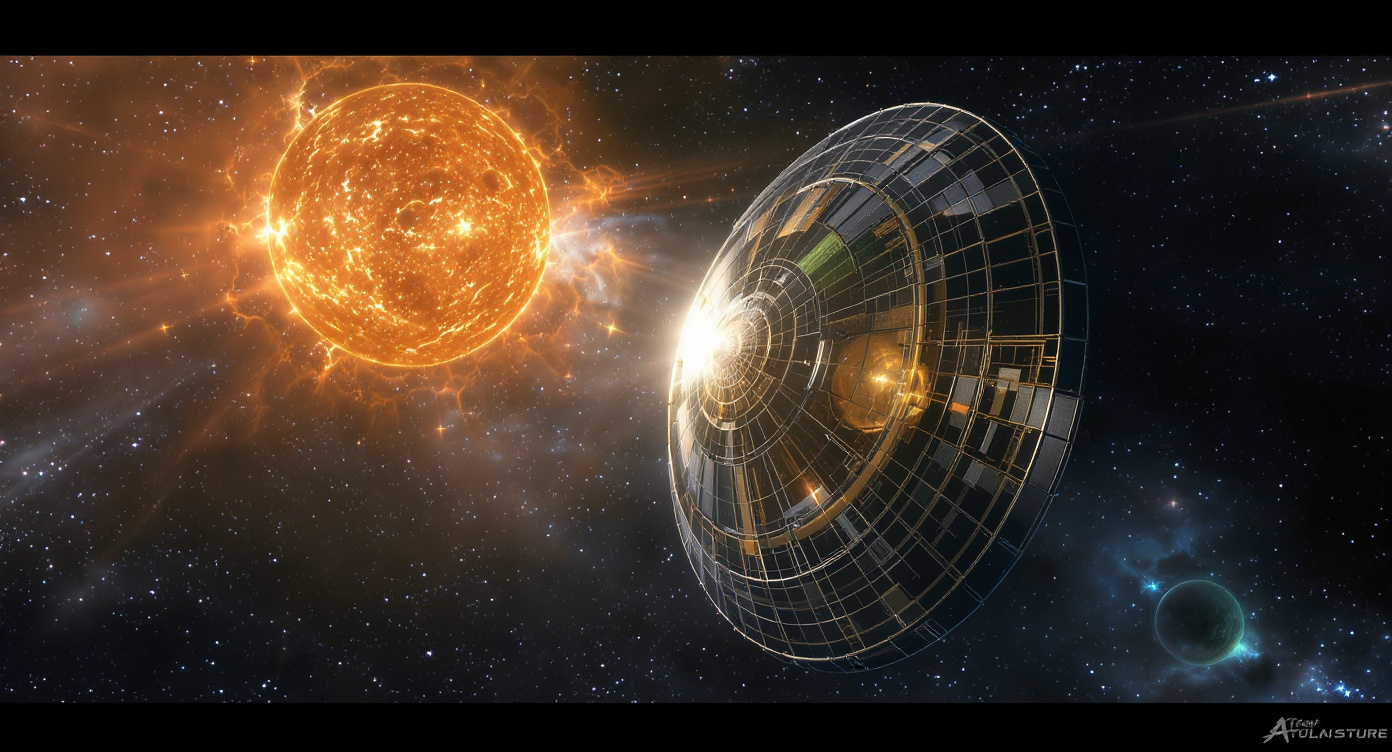
Astrophysicists have proposed searching for signs of extraterrestrial civilizations by looking for gigantic protective screens that could shield planets from overheating. Such artificial structures might be detectable by future space telescopes.
Scientists have estimated how many planets in our galaxy could potentially support intelligent life, and found that the nearest possible civilization might be located tens of thousands of light-years away from us. The key conditions for the emergence of intelligence are considered to be an atmosphere rich in nitrogen and oxygen, as well as geological activity.
A new study has shown that hycean worlds—water-rich exoplanets with vast oceans—are much rarer than previously believed, due to water loss from chemical processes. This finding casts doubt on the existence of worlds where oceans make up a significant portion of their mass.

 Cursus