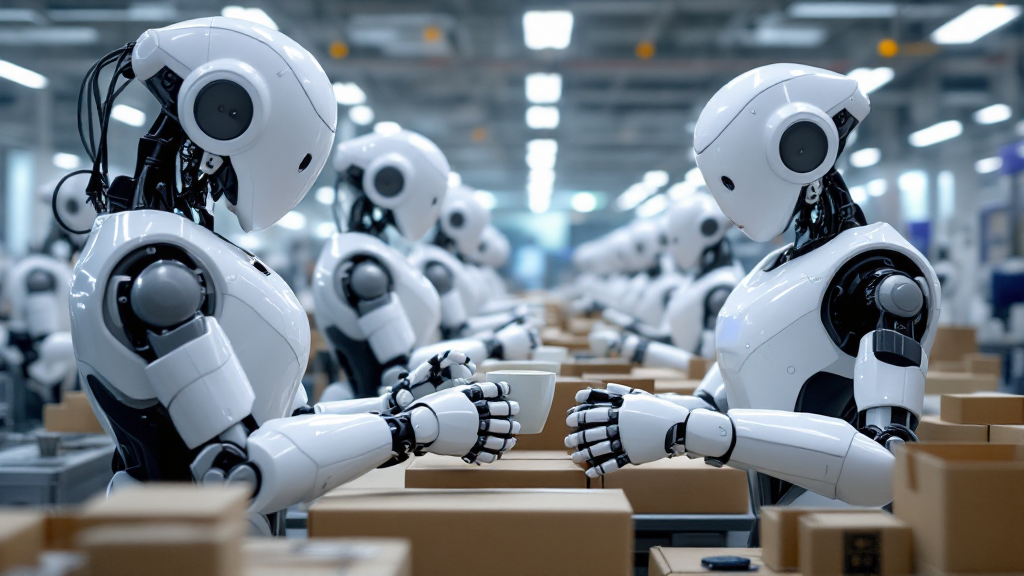
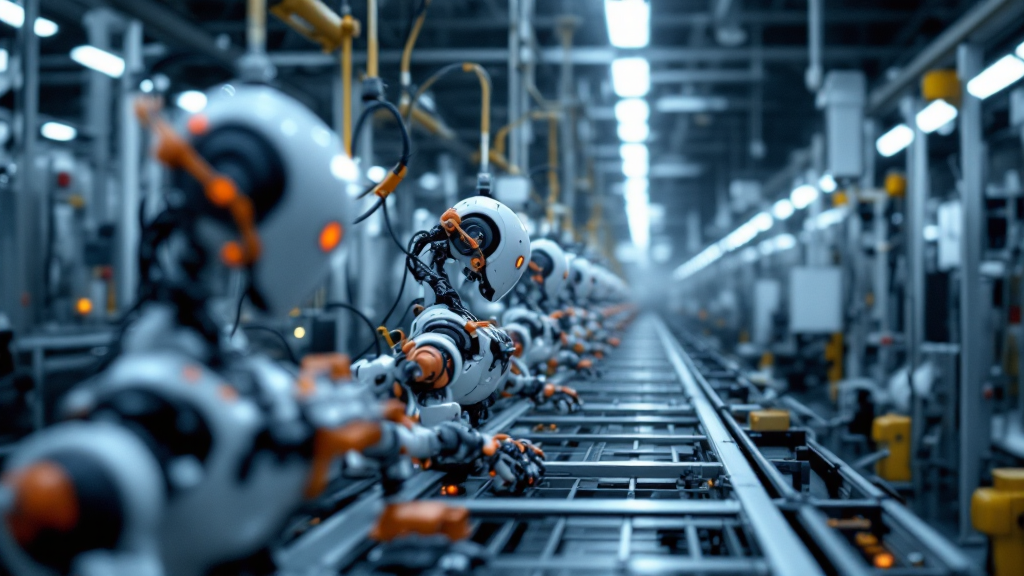
In 2025, a record number of industrial robots—600,000 units—were installed worldwide, which is 11% more than the previous year. The main driver of this growth was China, and the global market continues to expand thanks to technological advancements and a shortage of skilled labor.
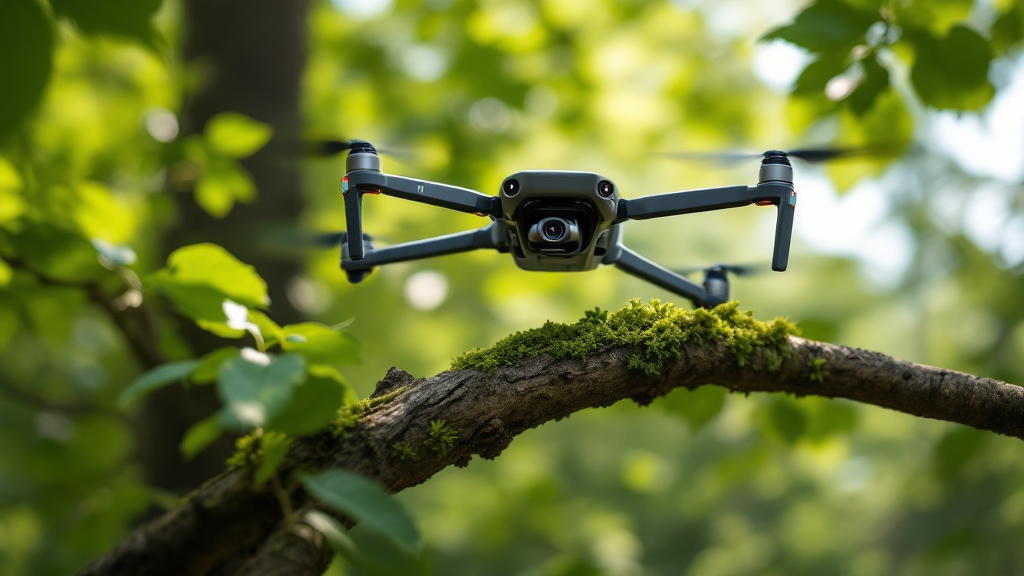
Researchers from Delft University of Technology have developed a drone equipped with tactile sensors that can safely land on tree branches even in low-visibility conditions. This new approach complements visual systems and opens up opportunities for observing nature without unnecessary noise or excessive energy consumption.
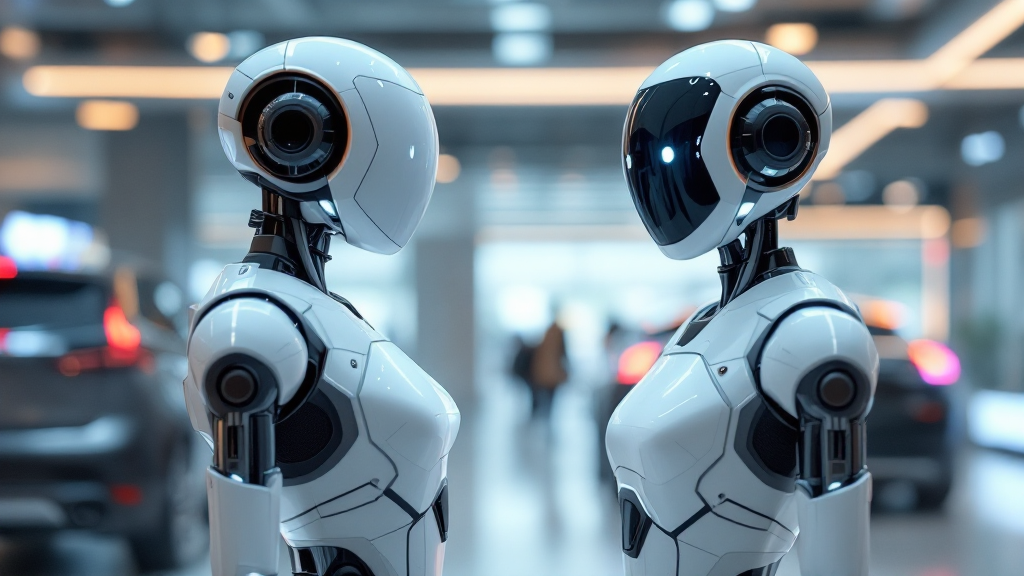
China is actively investing in the development of humanoid robots, but their current technology is not yet advanced enough to replace humans in most jobs. Despite impressive demonstrations, these robots still lag behind industrial counterparts in terms of speed and versatility. Achieving a real breakthrough will require further advancements in artificial intelligence.
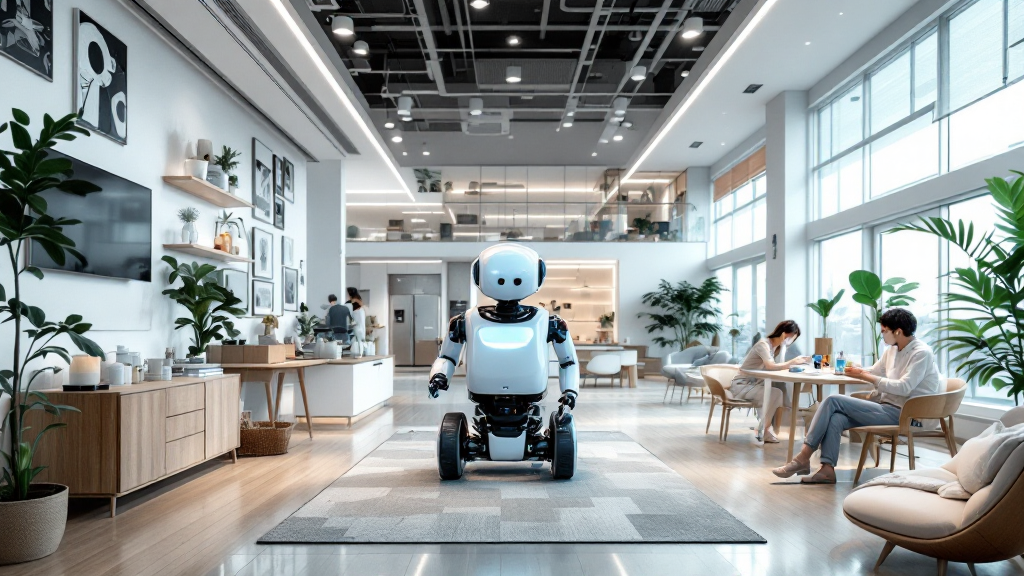
LG and Nvidia are expanding their collaboration in robotics by creating a new data center to train home robots using both real and synthetic data. The project aims to accelerate the adoption of smart robots in everyday life, but the widespread appearance of fully autonomous home assistants is not yet guaranteed.
Chinese engineers propose using robot dogs at lunar bases to handle dangerous and routine tasks, as well as to provide emotional support for the crew. These machines could patrol the area, collect samples, maintain infrastructure, and help people cope with isolation.
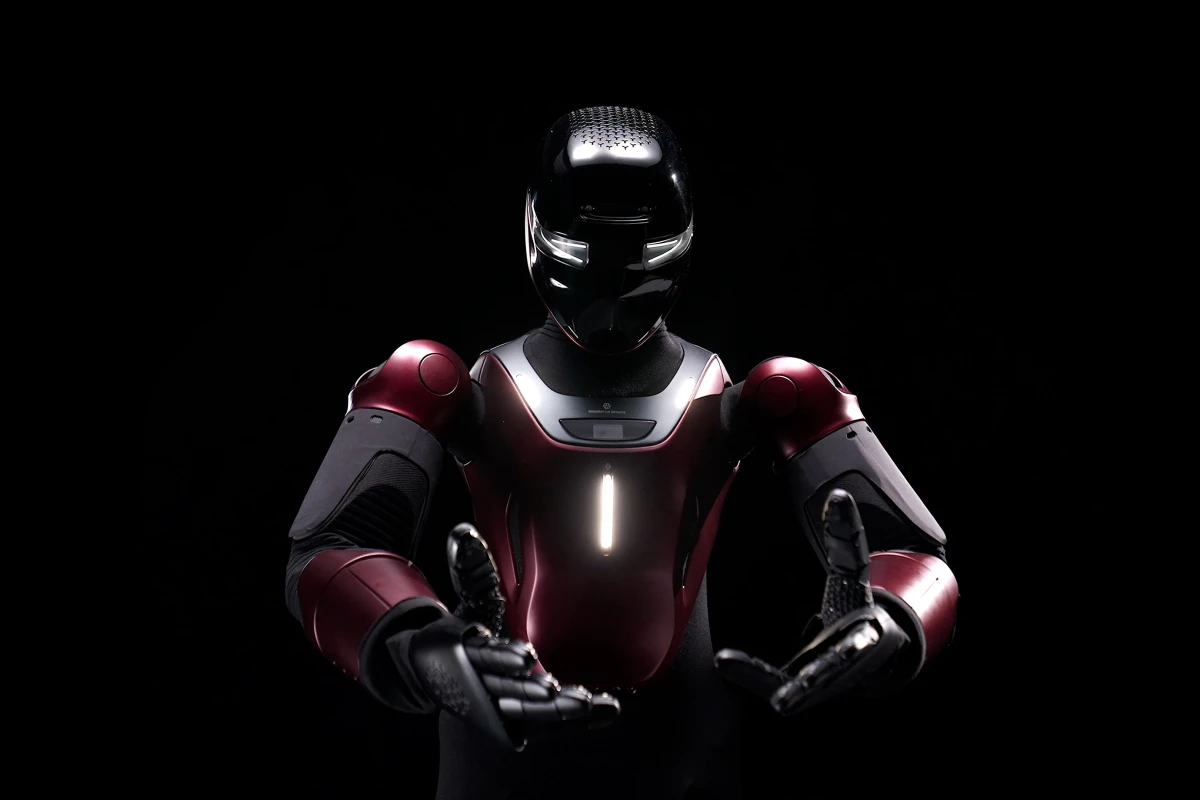
The Italian startup Generative Bionics has unveiled a humanoid robot called Gene.01, equipped with sensitive "smart skin" capable of detecting when a person approaches and adjusting its movements to enhance safety. The robot learns new tasks through physical interaction, and its design allows it to flexibly adapt to various fields of application.
BYD has joined the race to develop humanoid AI robots, unveiling the Xiao Di project with advanced recognition and interaction capabilities. The prototype is expected to be showcased as early as August.
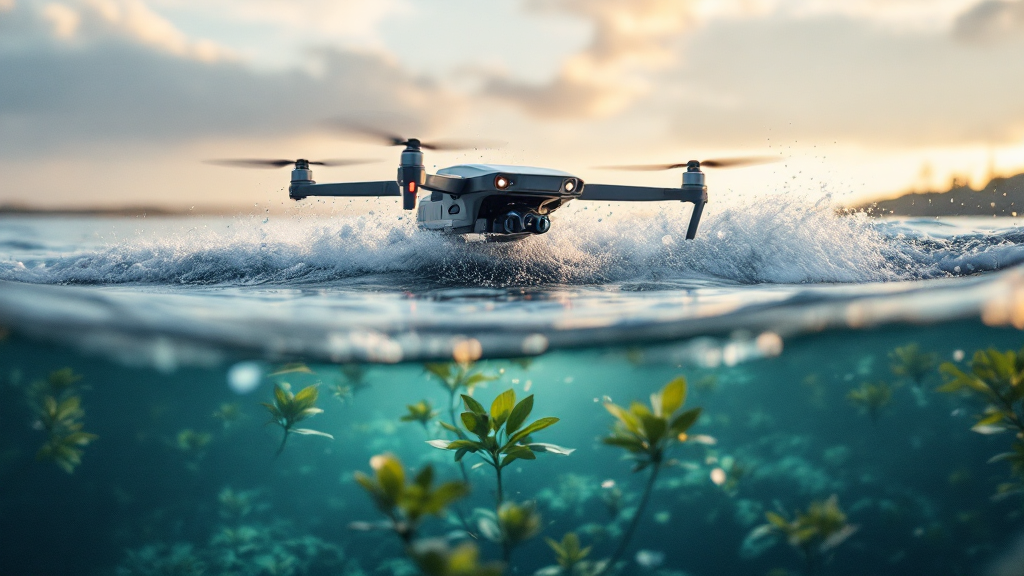
The review provides a detailed look at the capabilities of the HoverAir Aqua drone for water sports, highlighting its ease of use and new features, including underwater filming. The device demonstrated stable performance, but caution is advised when operating it in crowded water areas.
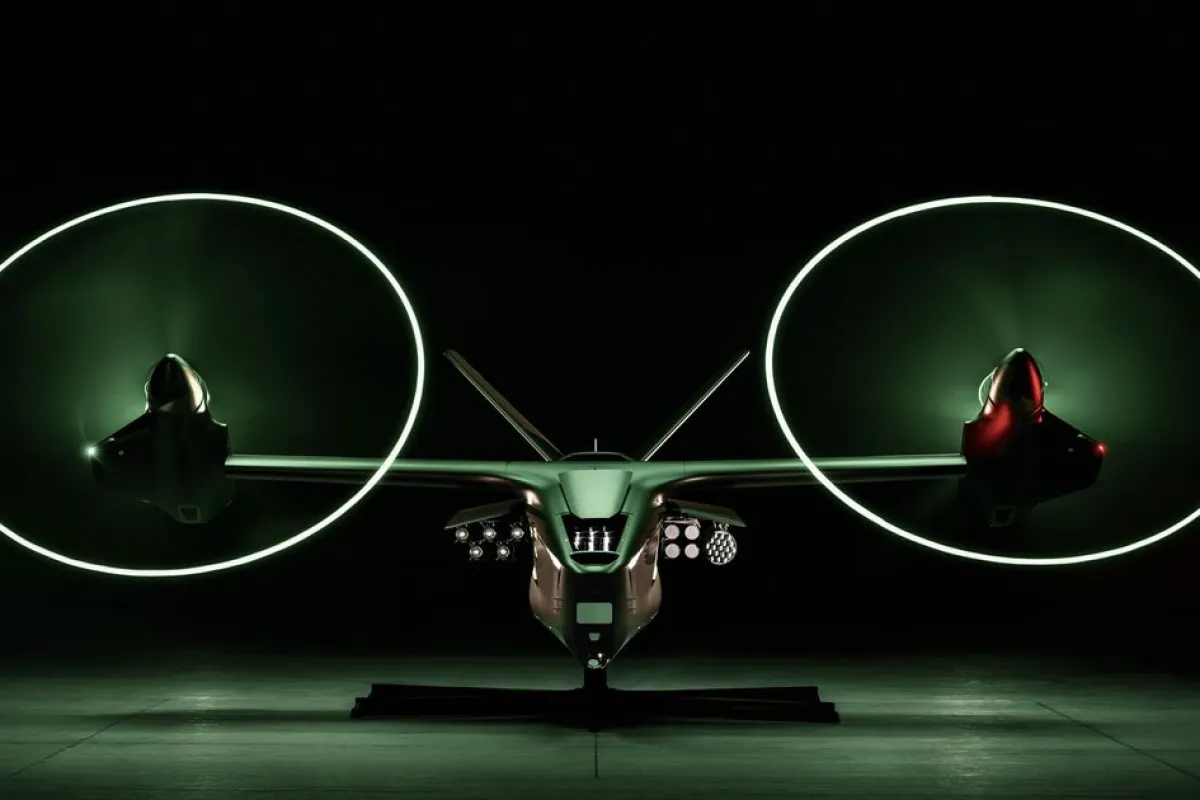
At the Farnborough Airshow, a new autonomous attack tiltrotor, the Thunder, was unveiled. Designed to support combat helicopters and reduce risks for their crews, the aircraft combines compact size, powerful weaponry, and high maneuverability. A fully operational prototype is expected next year.
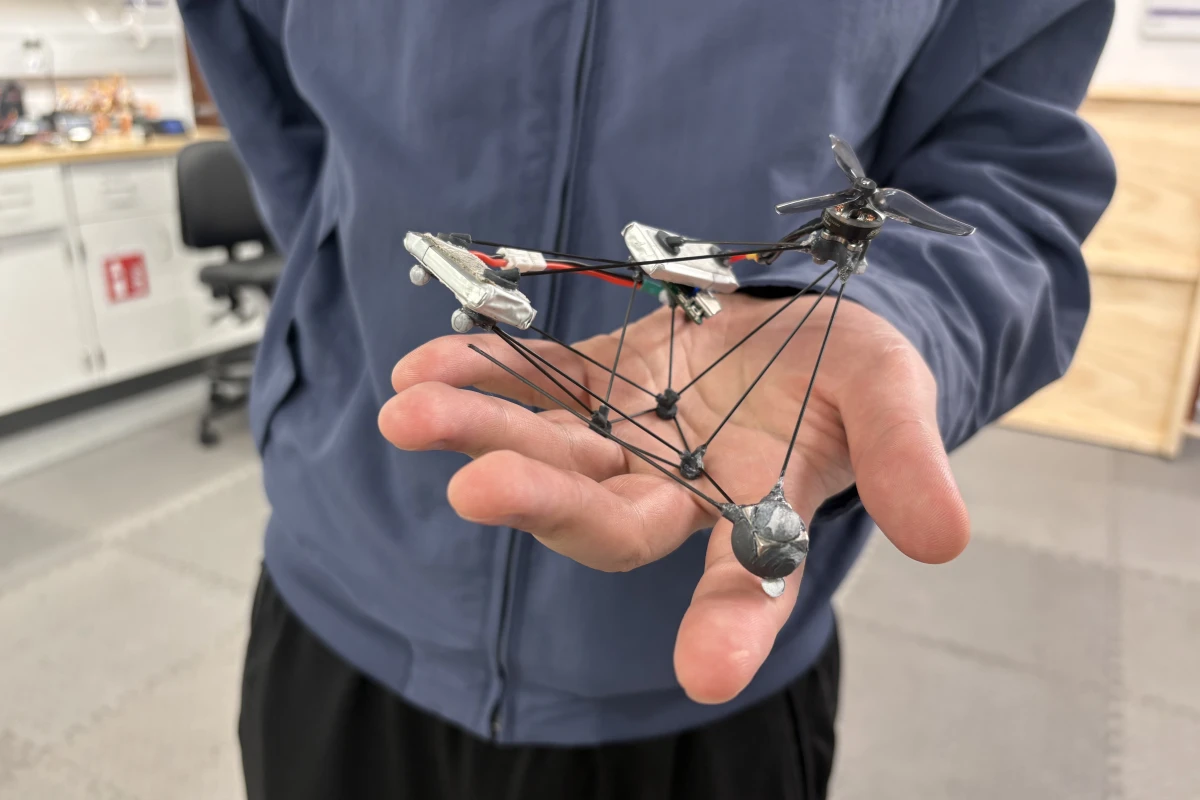
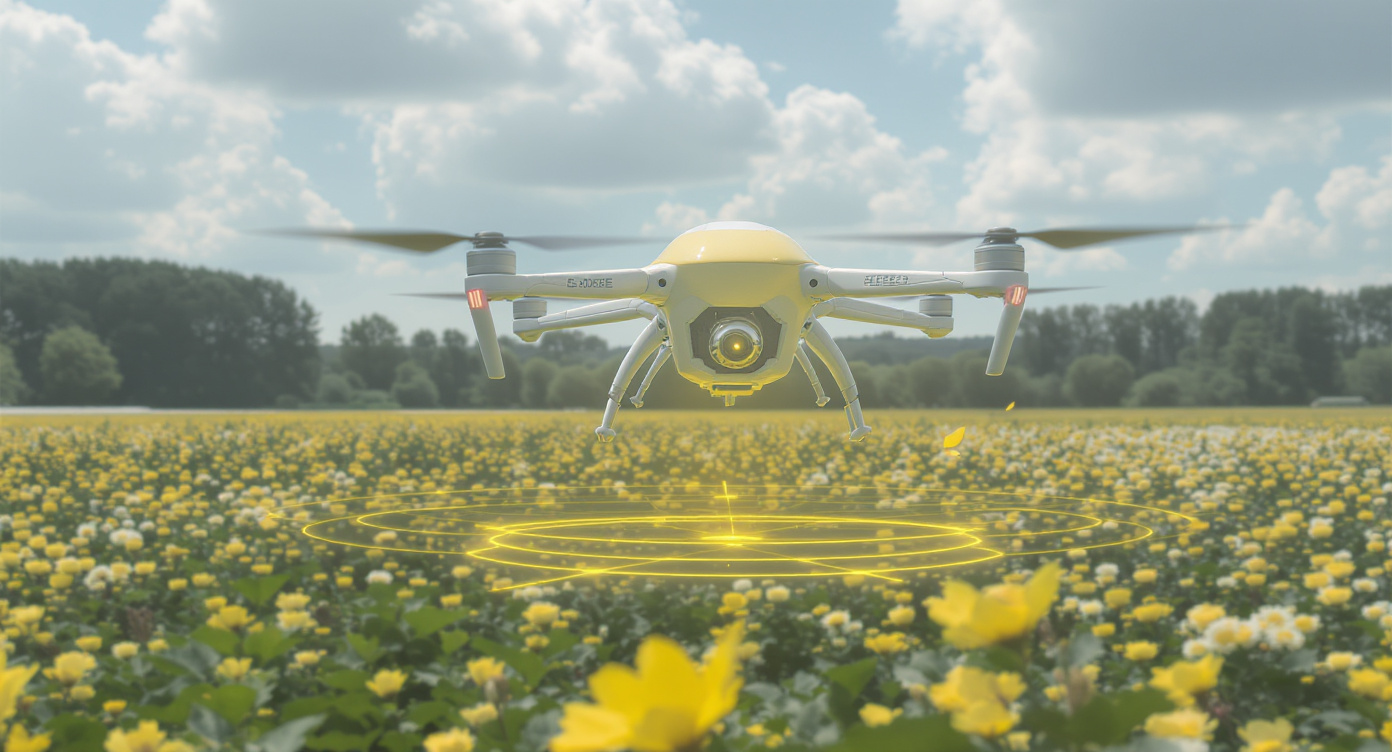
Engineers at Northwestern University have developed the Phantom Twist drone, which becomes nearly invisible to the human eye thanks to its high-speed rotation. This design allows the device to blend seamlessly into its surroundings and reduces its impact on both animals and people during observation.
Министерство обороны Великобритании отказалось от строительства новых эсминцев в пользу универсальных боевых кораблей CCV, которые будут координировать действия беспилотных и роботизированных систем. Эта стратегия отражает переход к более гибкой и технологичной структуре флота.
Inspired by the way honeybees navigate, researchers have created a lightweight drone system that can find its way home without relying on GPS, using only minimal memory and visual landmarks. This breakthrough holds promise for applications in agriculture, industry, and robotics research.
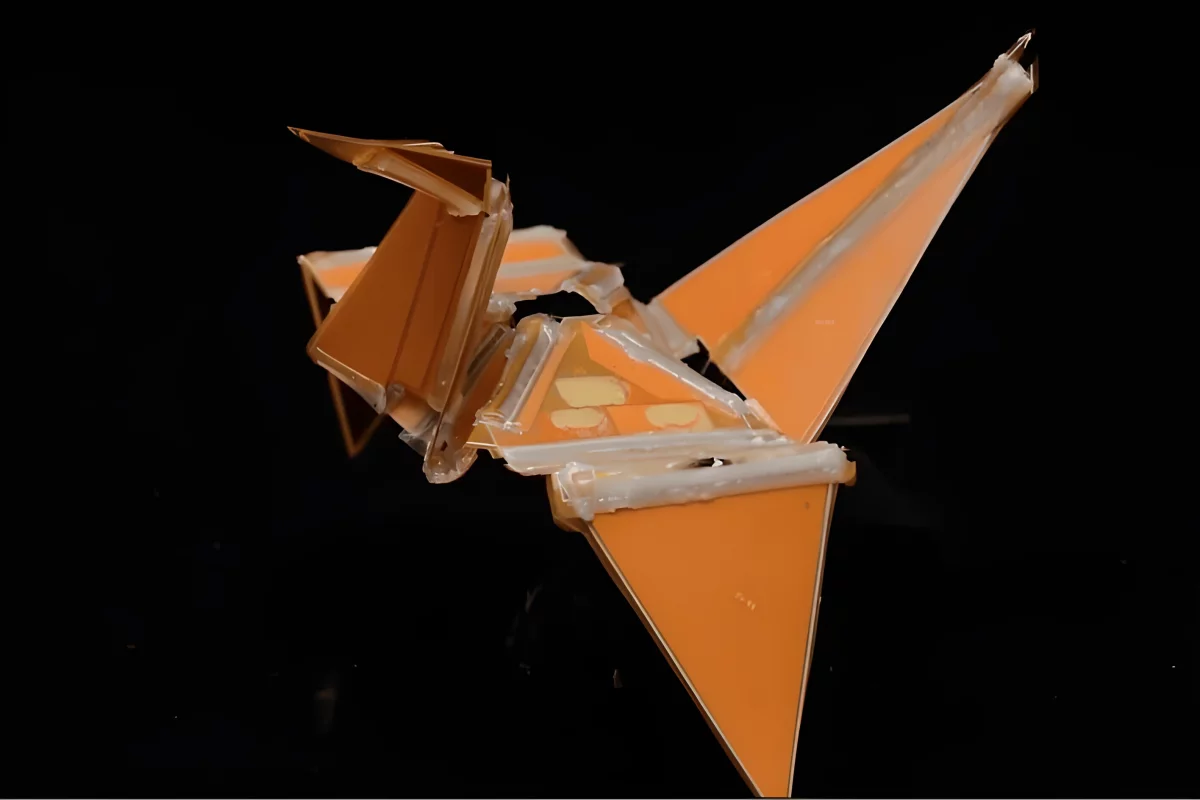
Engineers at Princeton University have developed a soft robot that moves without motors or gears, using heat and origami-inspired principles. This new technology opens up possibilities for flexible and compact robotic systems.
British inventor Colin Furze has created the Magboard—a skateboard with a magnetic levitating deck that offers a smoother ride and innovative control. The project explores new possibilities for application.
Researchers have developed a modular robot that, using artificial intelligence, can independently evolve and adapt to new conditions within minutes, showcasing a new approach to robotics.

 Ingenium