

HoverAir Aqua: testing a drone for aquatic adventures
The review provides a detailed look at the capabilities of the HoverAir Aqua drone for water sports, highlighting its ease of use and new features, including underwater filming. The device demonstrated stable performance, but caution is advised when operating it in crowded water areas.
Ingenium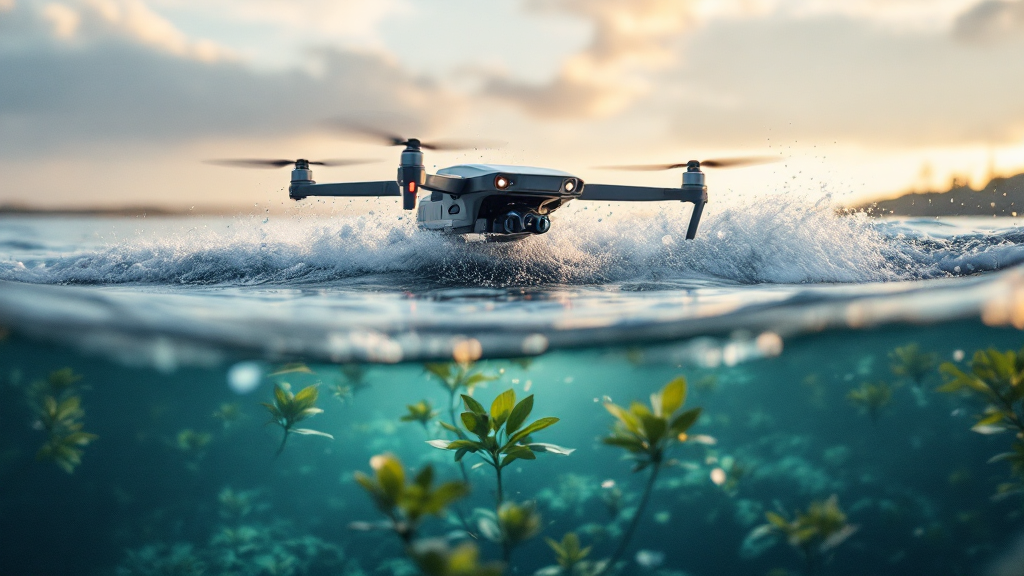
During an in-depth test of the HoverAir Aqua, the drone was evaluated as a specialized device notable for its ease of use and unique features. To assess its capabilities, a practical test was conducted in water sports conditions, specifically during foilboarding sessions. The trials took place in moderate weather, allowing for an evaluation of the drone’s performance rather than its resistance to extreme conditions. For a comprehensive understanding of the device’s operation, it is recommended to watch the accompanying video material.
Practical Use
Throughout the testing, the HoverAir Aqua operated reliably, requiring minimal manual control. It autonomously avoided collisions with other participants on the water and maintained its set position. In some instances, the device temporarily lost track of its target but was able to reacquire it, which occasionally caused the subject to move out of frame, especially during jumps. The orbit function was not used during foilboarding, but it worked correctly when tested on a SUP board. Overall, the drone demonstrated high efficiency; however, when there are many athletes on the water, users should be mindful of potential collision risks, as operating at greater distances increases the likelihood of such incidents.
New Features and Highlights
With the latest firmware update, HoverAir Aqua gained the ability to move across the water in RC boat mode and capture underwater footage. During testing, underwater plants were filmed, as a trip to southern seas was not planned. Despite the usefulness of this new feature, the drone’s square body shape makes it vulnerable to waves, which complicates maintaining a stable position on the water. Even with image stabilization, strong surface movement is not always fully compensated. The image quality in test conditions was good, but significant improvement is expected when filming in clearer waters, such as near rocky Mediterranean beaches. The built-in video also demonstrates manual control at high speeds and shooting during evening hours.