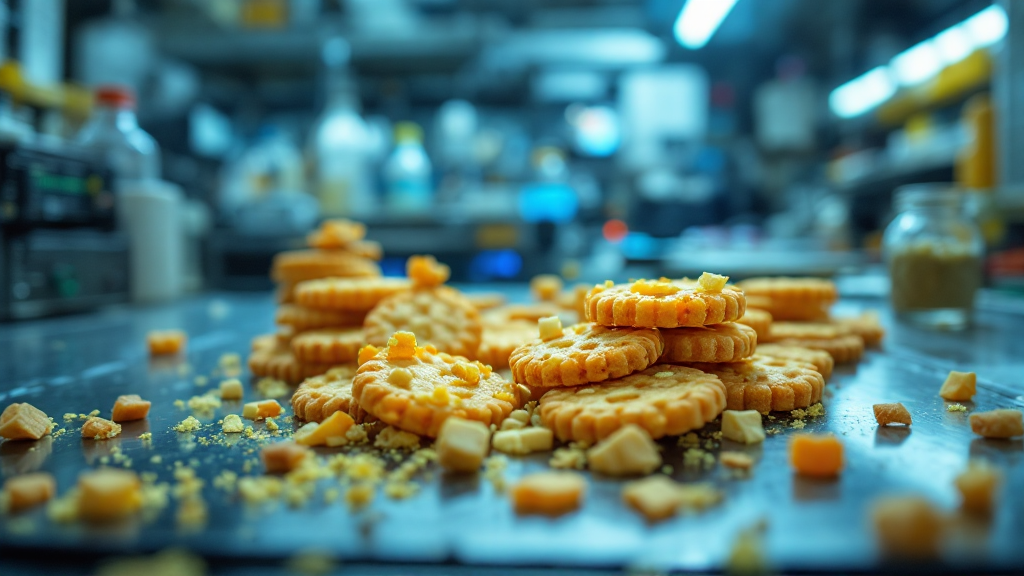
At Southern Illinois University, researchers have developed a method to convert plastic and plant waste into a protein-rich food product using genetically modified yeast. The project is currently at the proof-of-concept stage and requires further research to assess its safety and practical applications.
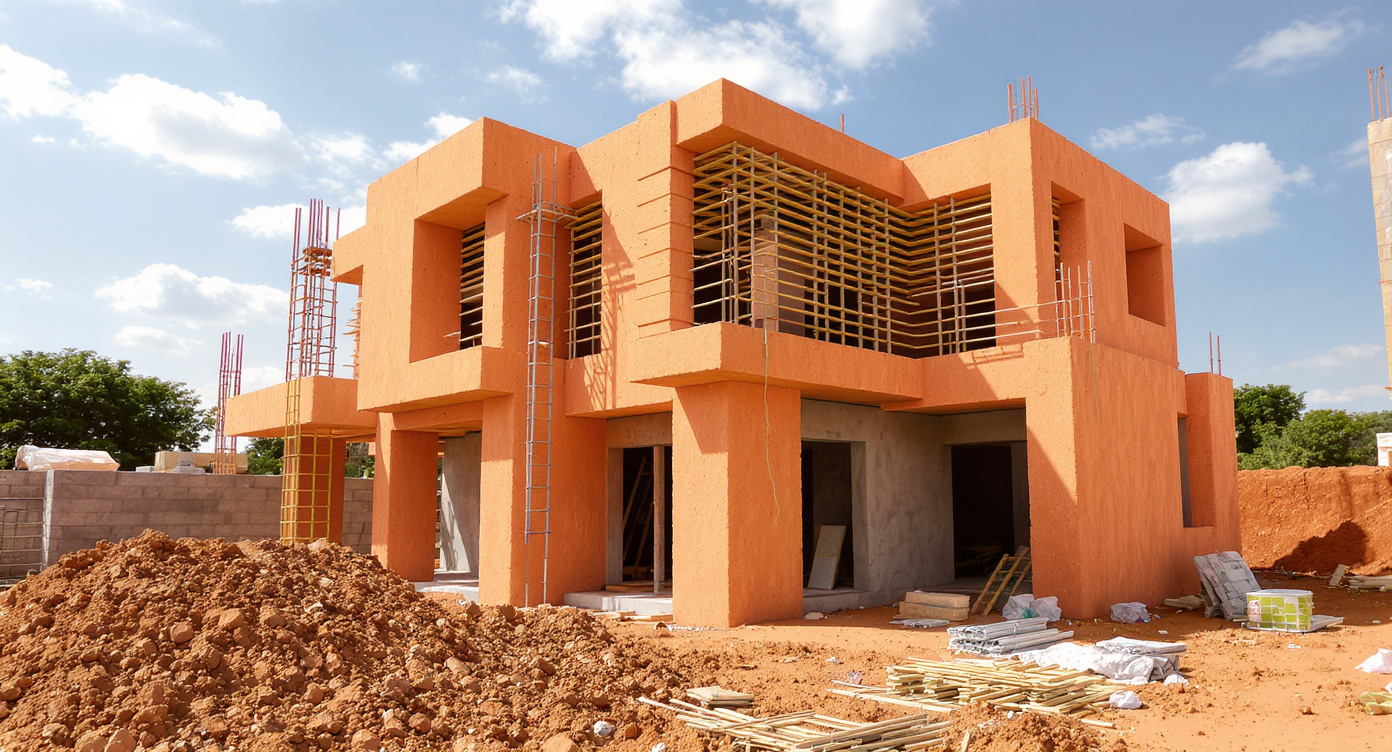
Construction of the largest residential complex in Europe built using 3D printing has been completed in Denmark. The project features 36 independent student apartments and demonstrates the potential for widespread adoption of 3D technologies in construction.
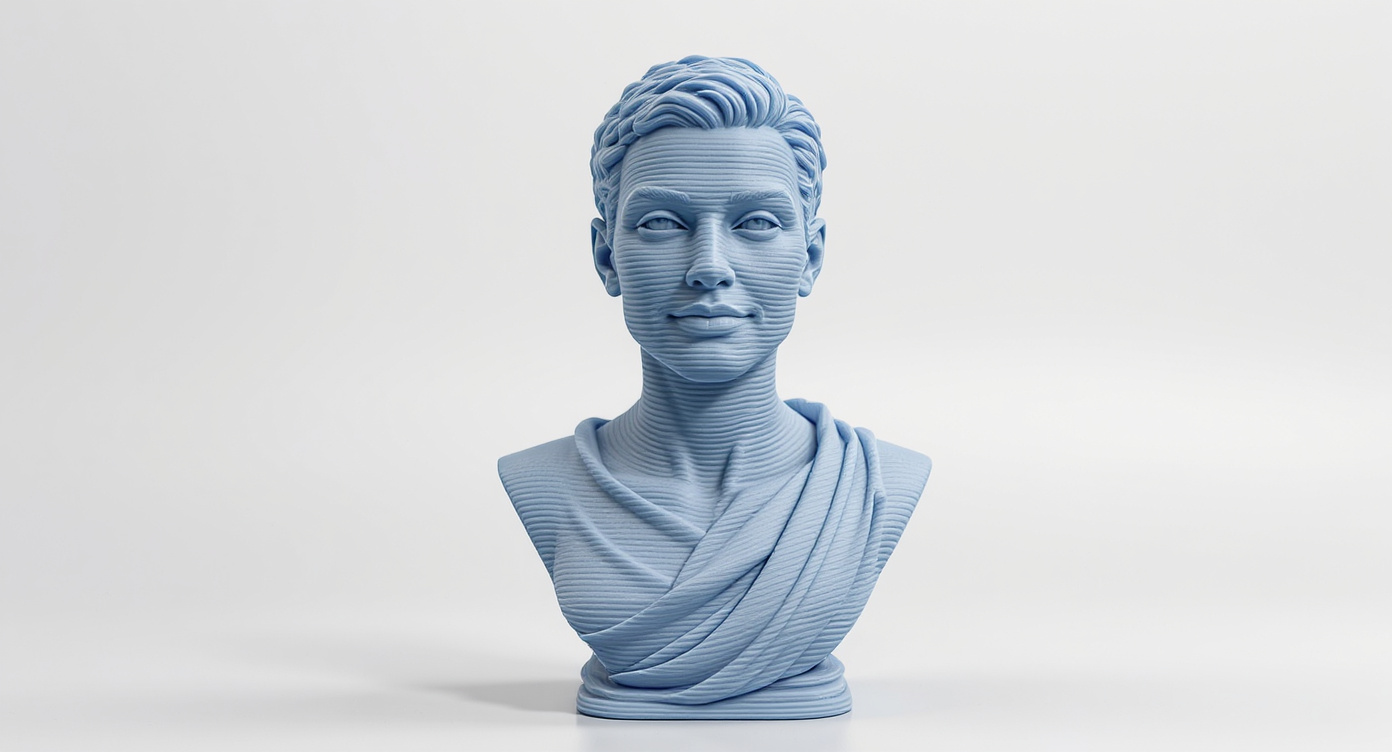
EPFL researchers have developed a new 3D-printable elastomer called DNGE, which combines high strength with excellent wear resistance. This material has the potential to significantly extend the lifespan of products used in wearable electronics, soft robotics, and medical applications.
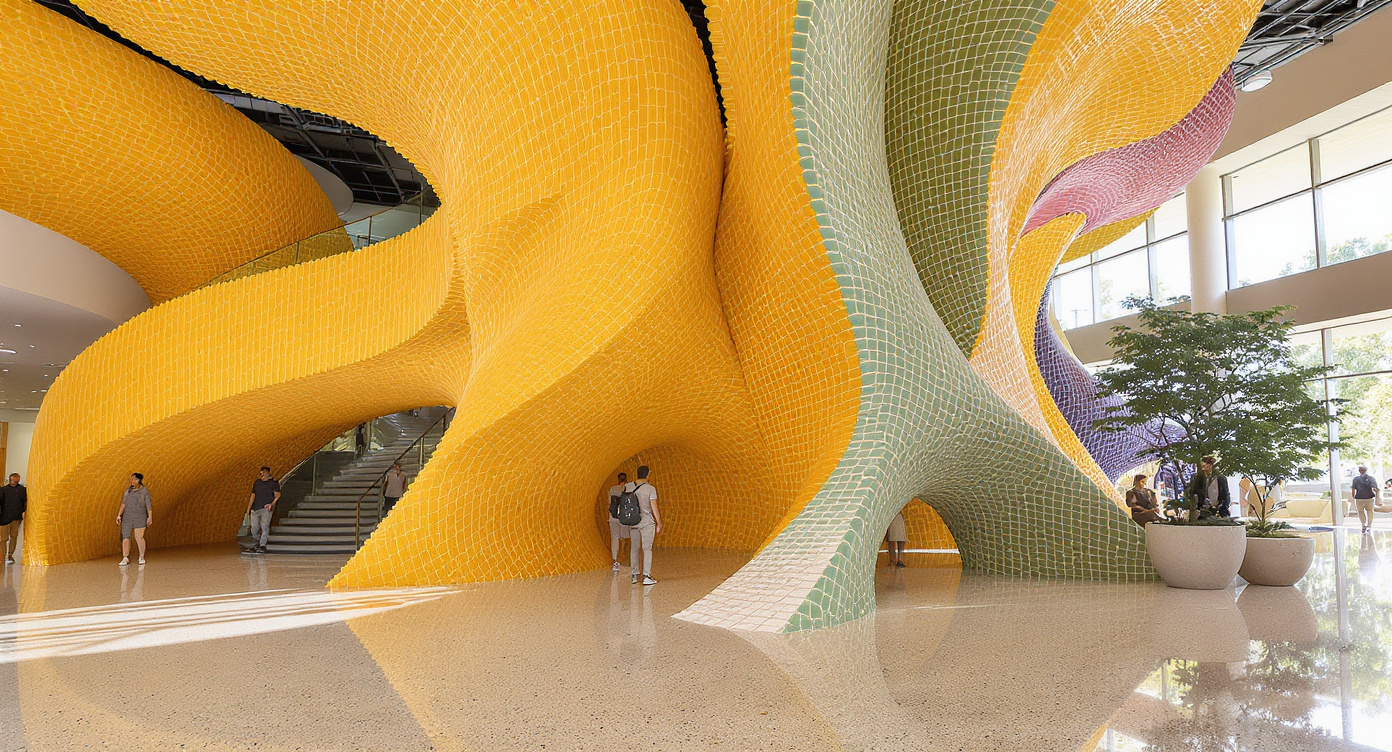
Researchers from Sweden have developed a fully biodegradable material based on yeast for 3D printing architectural and interior components. This new material produces no waste, can be easily customized in terms of color and texture, and completely decomposes in the environment after use.
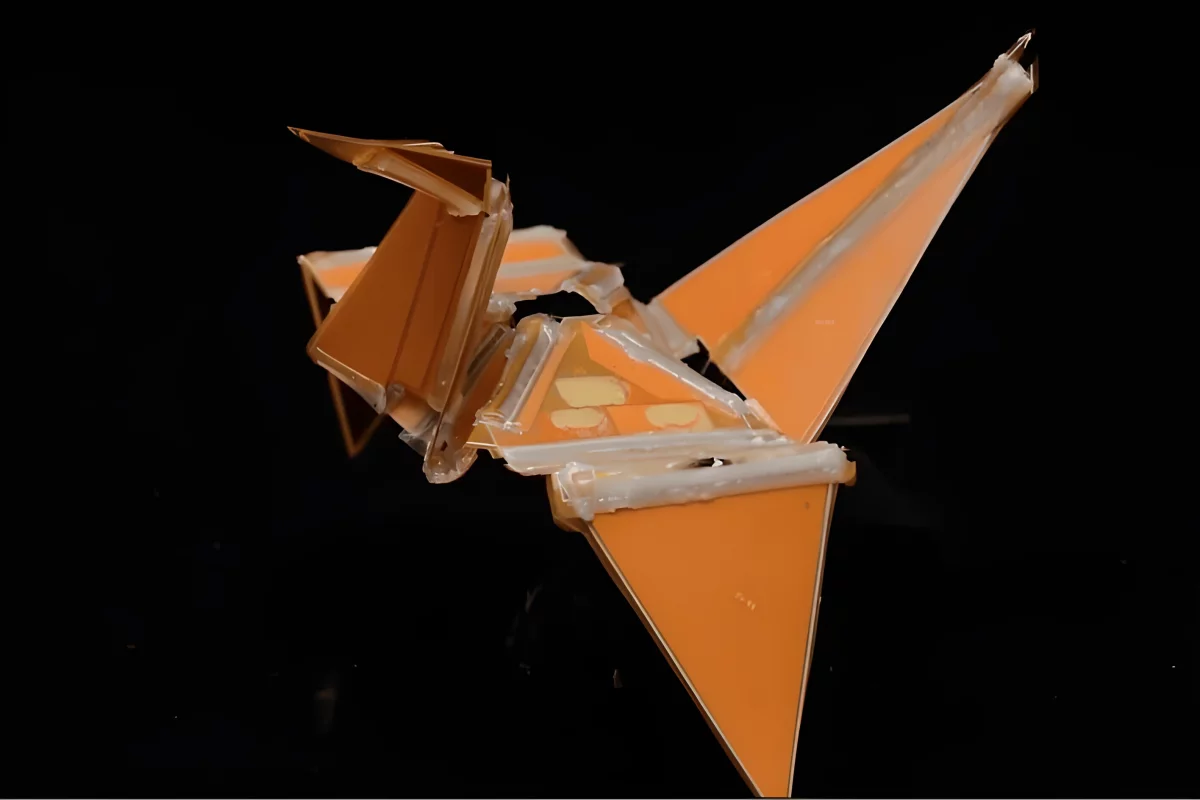
Engineers at Princeton University have developed a soft robot that moves without motors or gears, using heat and origami-inspired principles. This new technology opens up possibilities for flexible and compact robotic systems.
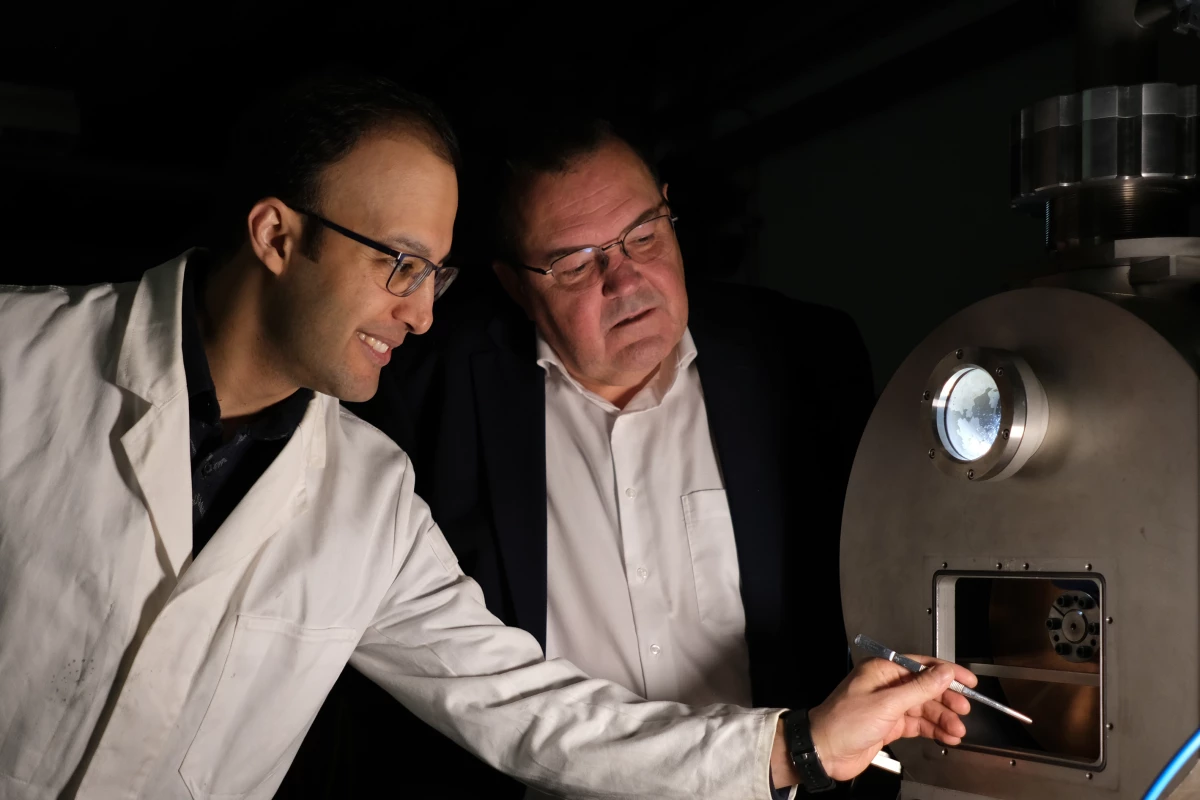
Researchers from Germany have developed a metallic glass for electric motors, which significantly reduces energy losses and increases device efficiency. This new material paves the way for creating more durable and energy-efficient engines for transportation and industry.
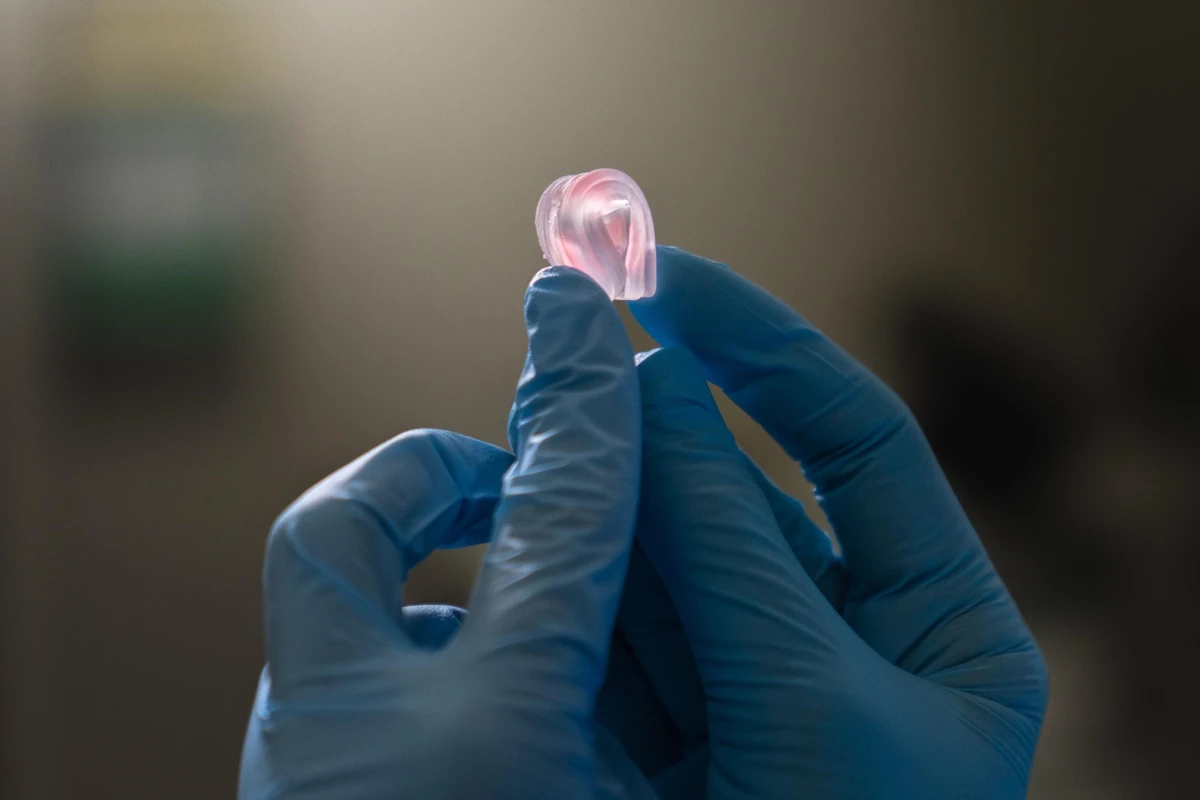
The DISH technology is making a breakthrough in 3D printing, enabling the creation of complex objects with high precision in just fractions of a second. It opens up new possibilities for mass production of photonic devices, microrobots, and biomodels.
Scientists from Concordia University have introduced the PSP acoustic 3D printing technology, which delivers ten times greater precision compared to previous methods. This innovation opens up new possibilities for creating medical sensors and soft robotics.
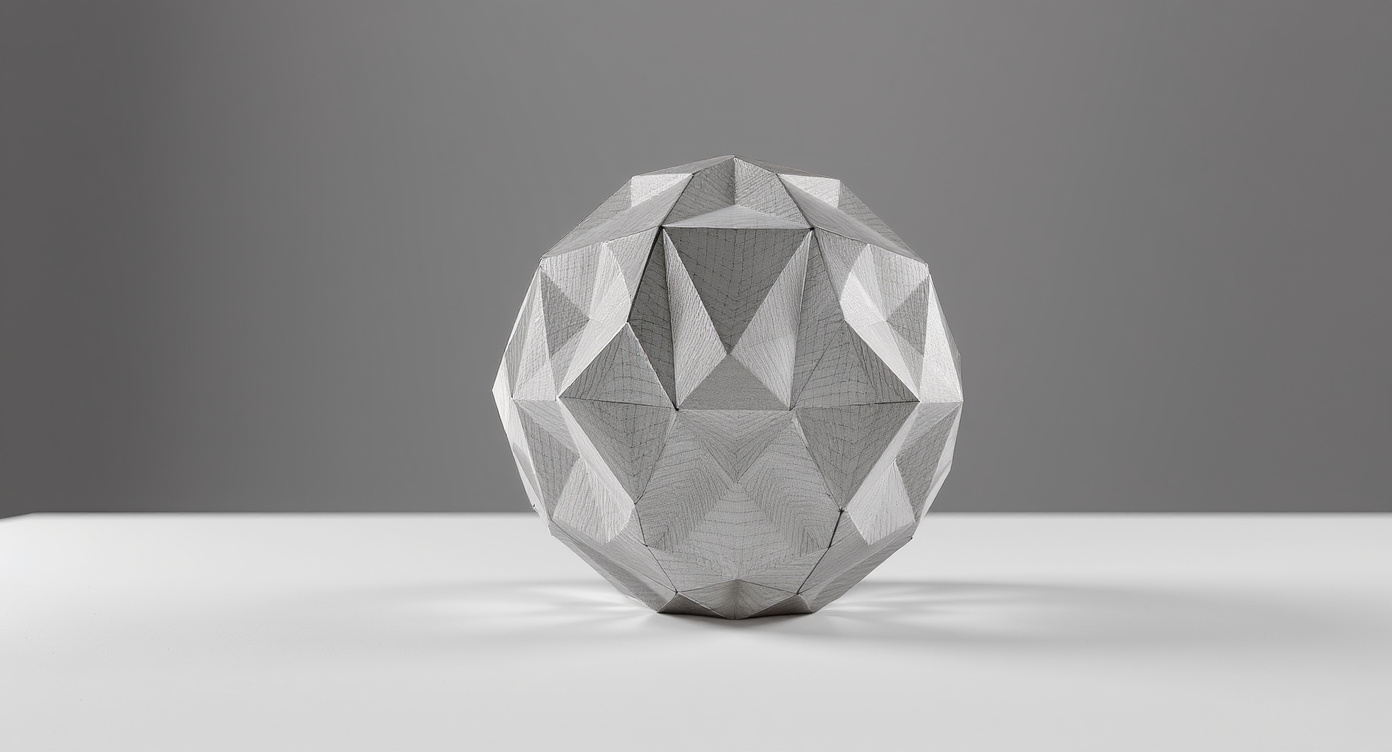
Researchers have created an innovative 3D printing method for cemented carbides that lowers waste and costs while preserving outstanding hardness, potentially transforming the manufacturing of industrial tools.
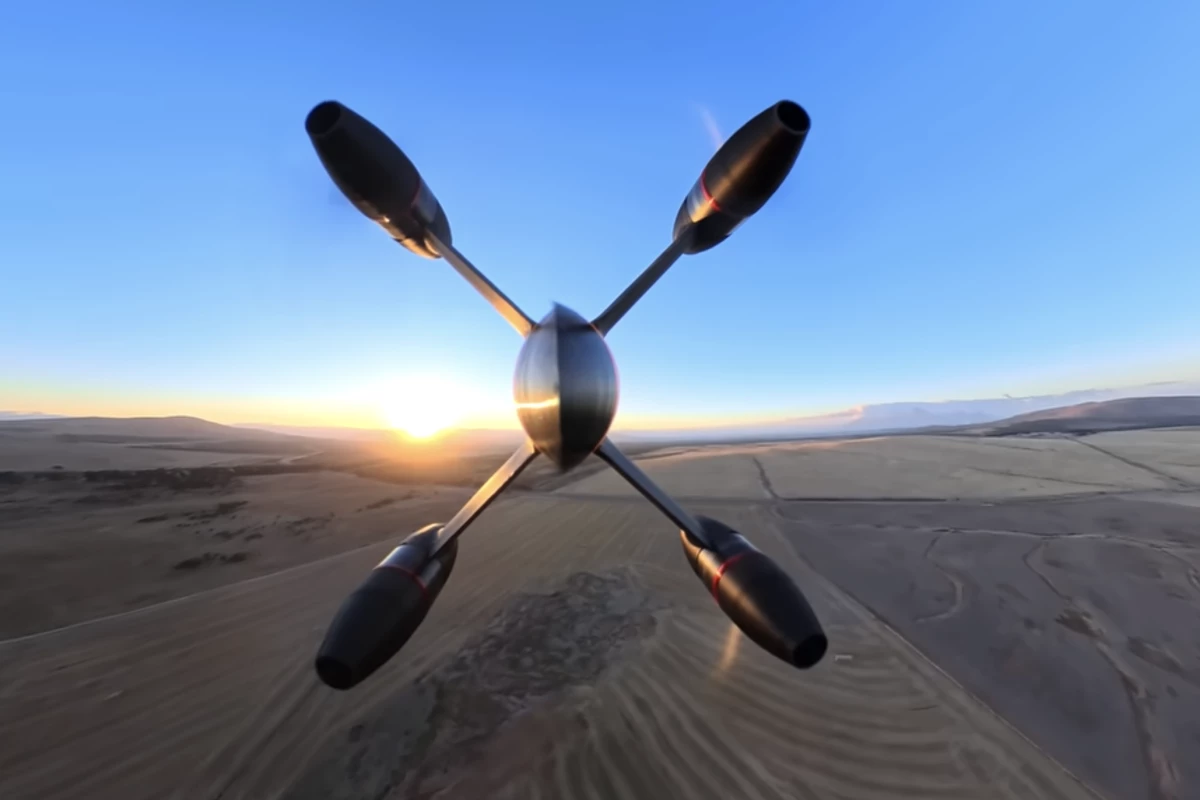
A father and son from South Africa have once again set a new world speed record for quadcopters: their Peregreen V4 drone, created with the help of 3D printing, reached an impressive speed of 657.59 km/h. The new model stands out for its innovative engineering solutions and is the result of two years of dedicated development.
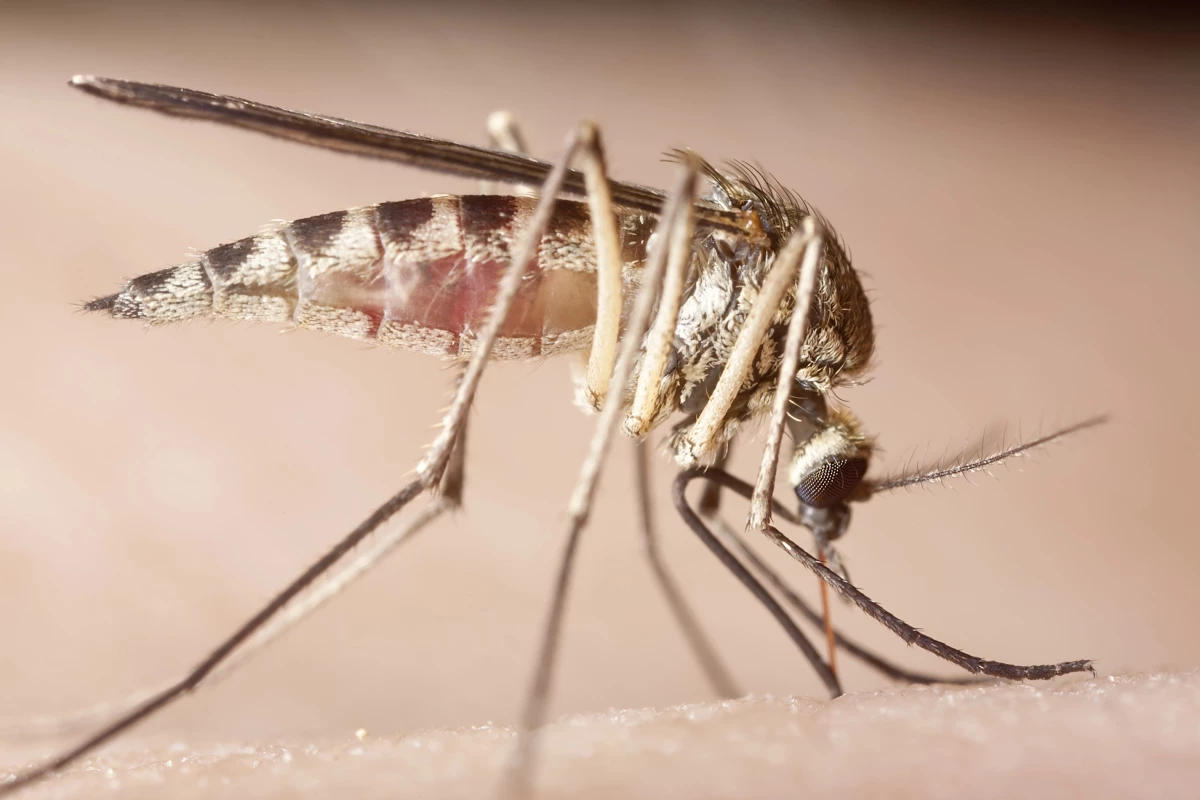
Researchers have proposed using mosquito proboscises as ultra-fine nozzles for 3D printing, enabling the creation of more intricate and miniature objects in an eco-friendly and affordable way. This biomaterial can be reused multiple times, and after disposal, it naturally decomposes in the environment.
For the first time in Israel, doctors have successfully transplanted a cornea printed on a 3D printer, restoring a patient's vision. This technology has the potential to solve the shortage of donor tissues and revolutionize the treatment of blindness.
Scientists have developed an eco-friendly material for 3D-printed houses that reaches construction-grade strength in just three days, compared to the usual 28 days required for conventional concrete. This innovation speeds up building processes and reduces CO₂ emissions.

 Cursus