

Mosquito proboscises have inspired ultra-thin nozzles for 3D printing
Researchers have proposed using mosquito proboscises as ultra-fine nozzles for 3D printing, enabling the creation of more intricate and miniature objects in an eco-friendly and affordable way. This biomaterial can be reused multiple times, and after disposal, it naturally decomposes in the environment.
Ingenium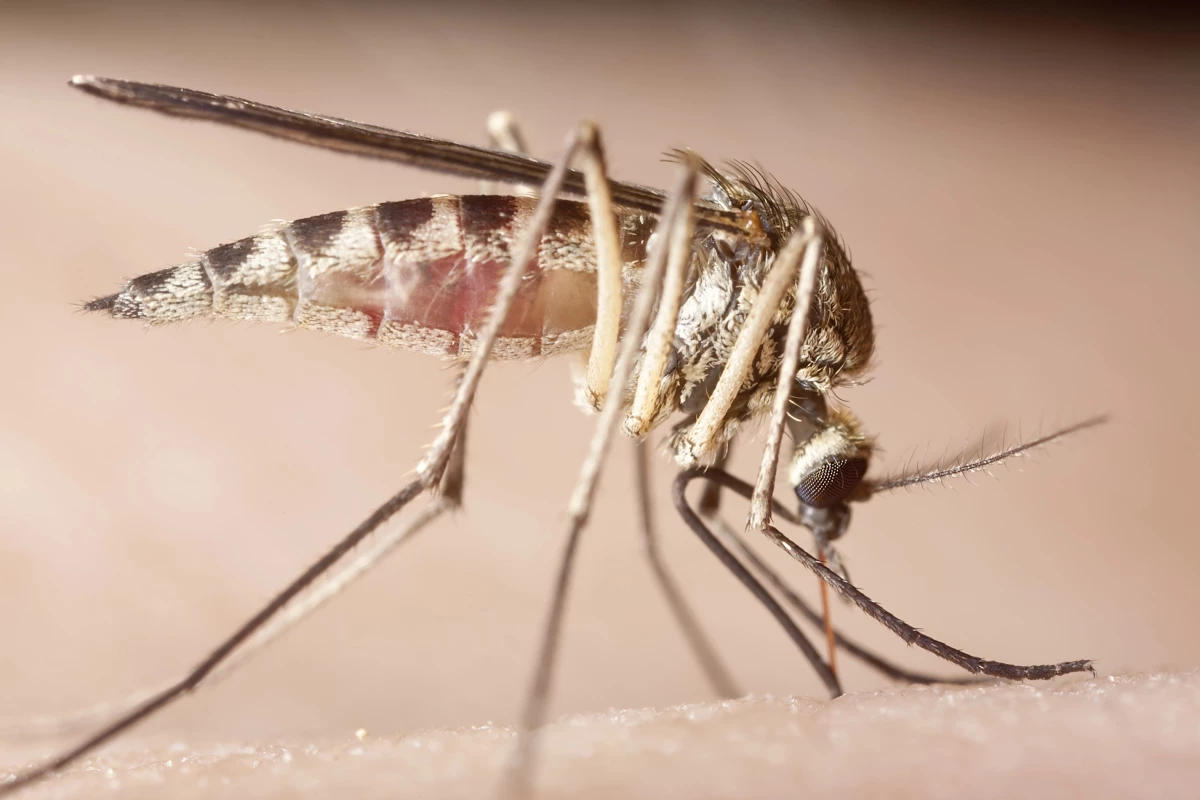
To create truly complex objects with a 3D printer, it is necessary to use an extremely fine nozzle. Researchers have discovered that instead of the labor-intensive and costly process of manufacturing such nozzles, a ready-made natural solution can be used—the bloodsucking proboscis of a mosquito.
Why the mosquito proboscis is suitable for 3D printing
Mosquitoes use their proboscises to penetrate between skin cells and reach blood vessels. As a result, their proboscises are exceptionally thin, hollow, rigid, and straight. Moreover, female mosquitoes are an inexpensive and readily available source, making their proboscises an attractive material for such experiments.
Research and technology
Scientists from McGill University (Montreal) and Drexel University (Philadelphia) set out to turn mosquito proboscises into nozzles for 3D printing. Although ultra-fine nozzles already exist, they are typically made from expensive specialty metals or glass, which complicates and increases the cost of production.
In the experiment, laboratory-raised female Aedes aegypti mosquitoes were used. After euthanizing them, the mosquitoes were stored in a freezer and then sterilized in an 80% ethanol solution. The soft protective sheath of the proboscis was removed, leaving only the rigid inner part. This was coated with ultraviolet resin, which was then cured using UV light. Afterward, the proboscis was carefully separated from the mosquito’s body, resulting in a strong, thin tube.
Application in 3D printing
The resulting nozzle was attached to a standard plastic dispensing tip, which was used to feed printing material into a direct ink writing (DIW) 3D printer. This setup allowed for printing layers as thin as 20 microns—about half the thickness achievable by modern commercial 3D printers. Among the miniature, intricate structures printed were honeycombs, a maple leaf, and biomatrices containing cancer cells and red blood cells inside.

Eco-friendliness and reusability
It is important to note that each such nozzle can be reused multiple times before replacement, and after disposal, it naturally decomposes in the environment.
Biological materials in engineering
The authors of the study called this approach "3D necroprinting," referencing other works where, for example, spider corpses and lobster tails have been used as mechanical grippers. Interestingly, the mosquito proboscis has previously inspired engineers to create painless hypodermic needles.
“By introducing biological materials as a viable alternative to complex engineering components, this work paves the way for sustainable and innovative solutions in advanced manufacturing and microengineering,” notes McGill University Associate Professor Qianyu Li.
The results of the study were recently published in the journal Science Advances.