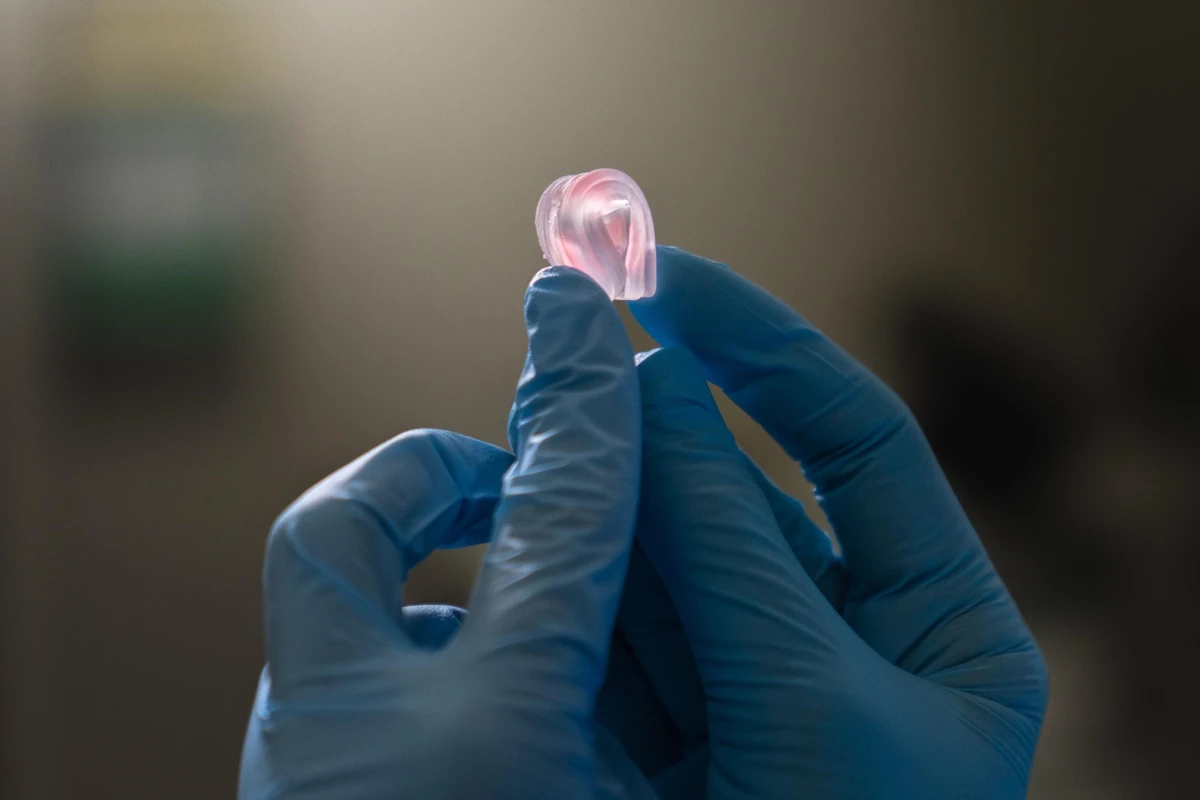
EPFL researchers have developed a new 3D-printable elastomer called DNGE, which combines high strength with excellent wear resistance. This material has the potential to significantly extend the lifespan of products used in wearable electronics, soft robotics, and medical applications.
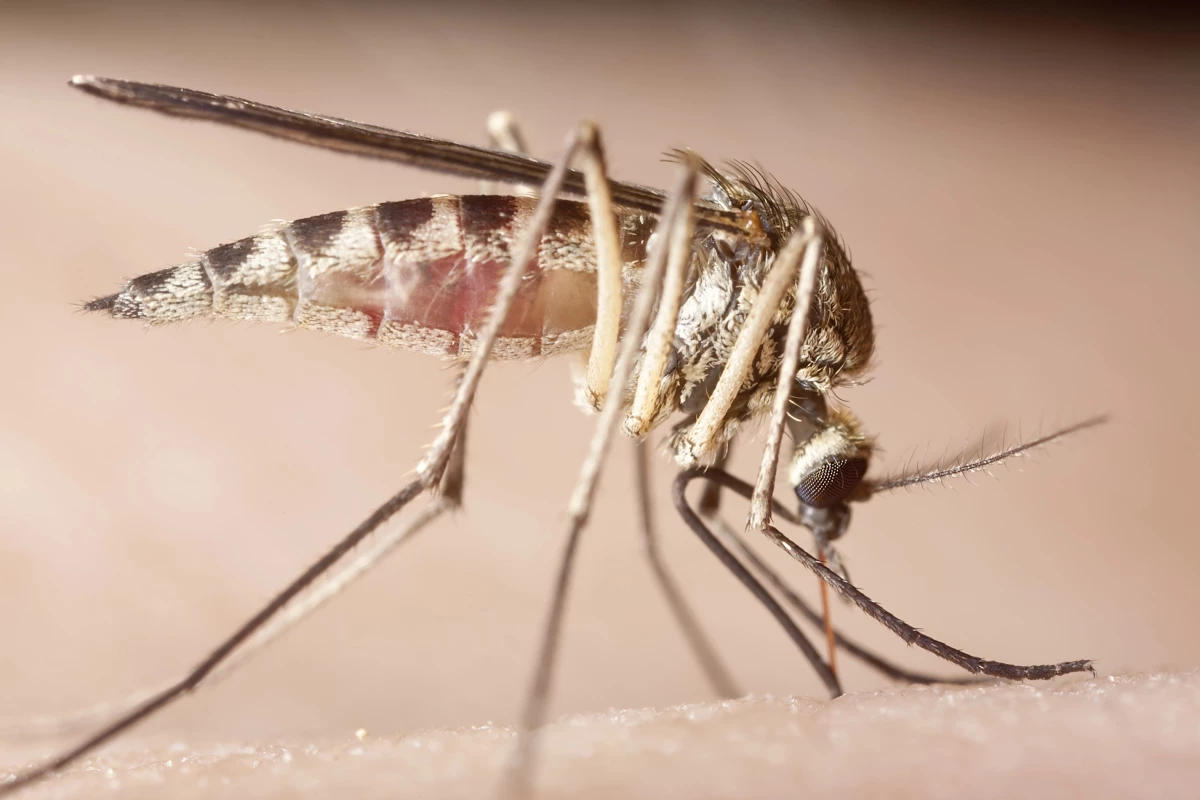
Researchers have proposed using mosquito proboscises as ultra-fine nozzles for 3D printing, enabling the creation of more intricate and miniature objects in an eco-friendly and affordable way. This biomaterial can be reused multiple times, and after disposal, it naturally decomposes in the environment.
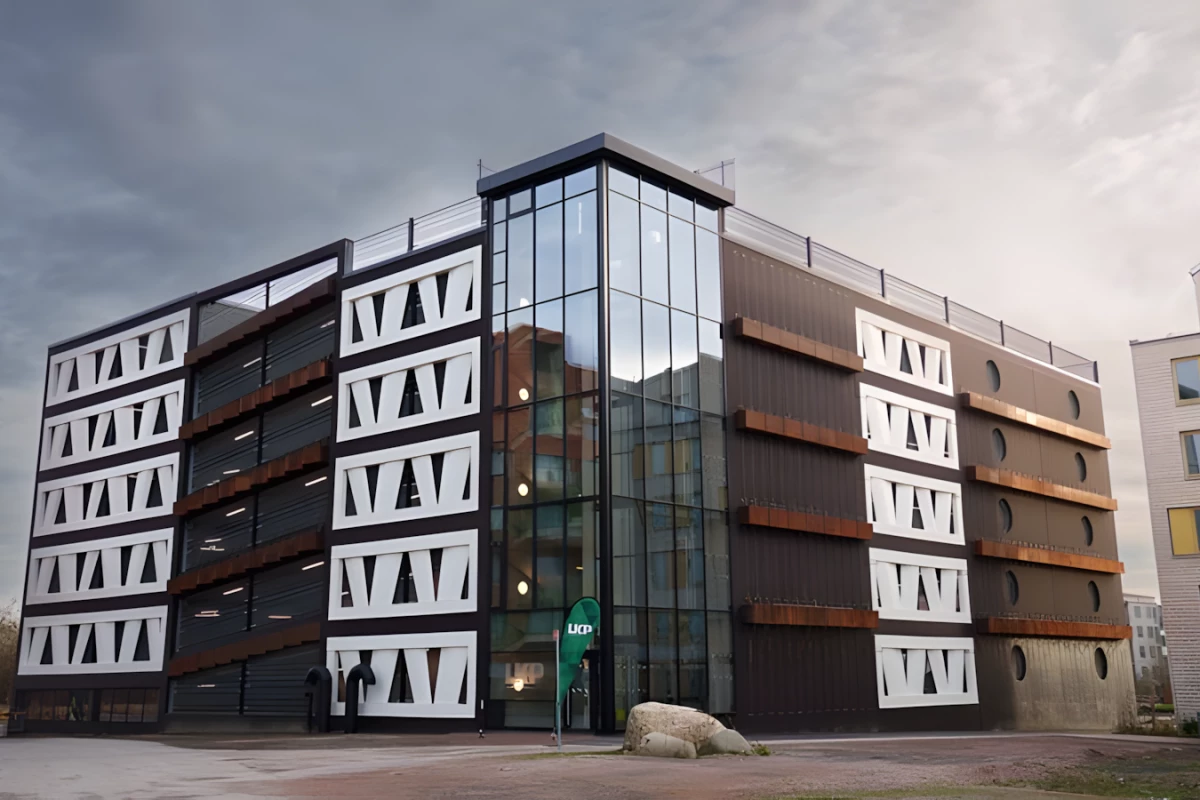
In Sweden, former wind turbine blades have been repurposed to create the facade of a parking garage, offering an eco-friendly solution to waste disposal and inspiring innovative approaches in architecture.
Scientists have developed a faster and more environmentally friendly method for detecting hazardous chemicals in food products, which increases the accuracy and efficiency of food safety monitoring. This new approach could improve the quality and safety of food production.

 Ingenium