 Cursus
Research and development · BiotechnologyTechnologies and engineering · NanotechnologyResearch and development · Materials Science
Bacteria will help concrete heal its own cracks
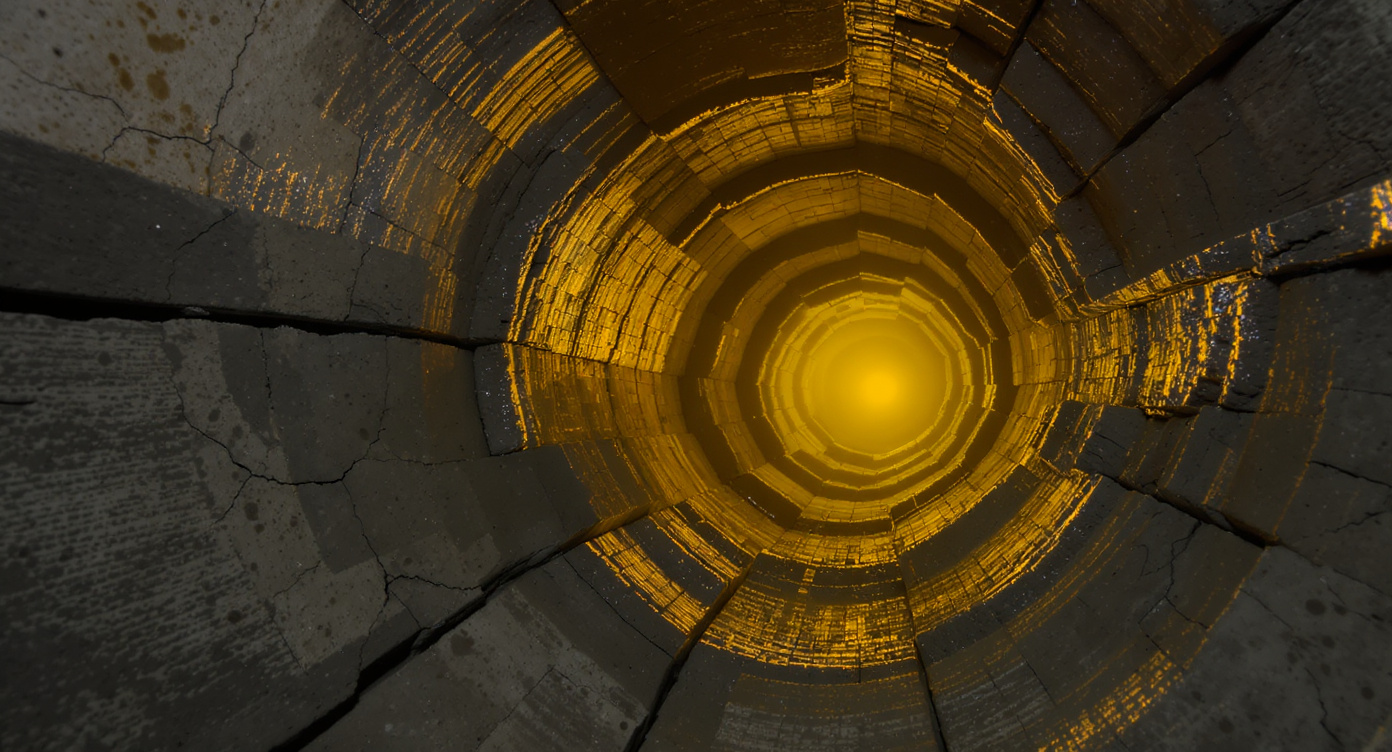
Alkali-resistant bacteria are capable of repairing cracks in concrete, which could enhance the reliability of underground nuclear waste storage facilities. Experiments have shown that the effectiveness of this "self-healing" process depends on the presence of organic matter, and the technology requires further research before it can be put into practical use.
0 —