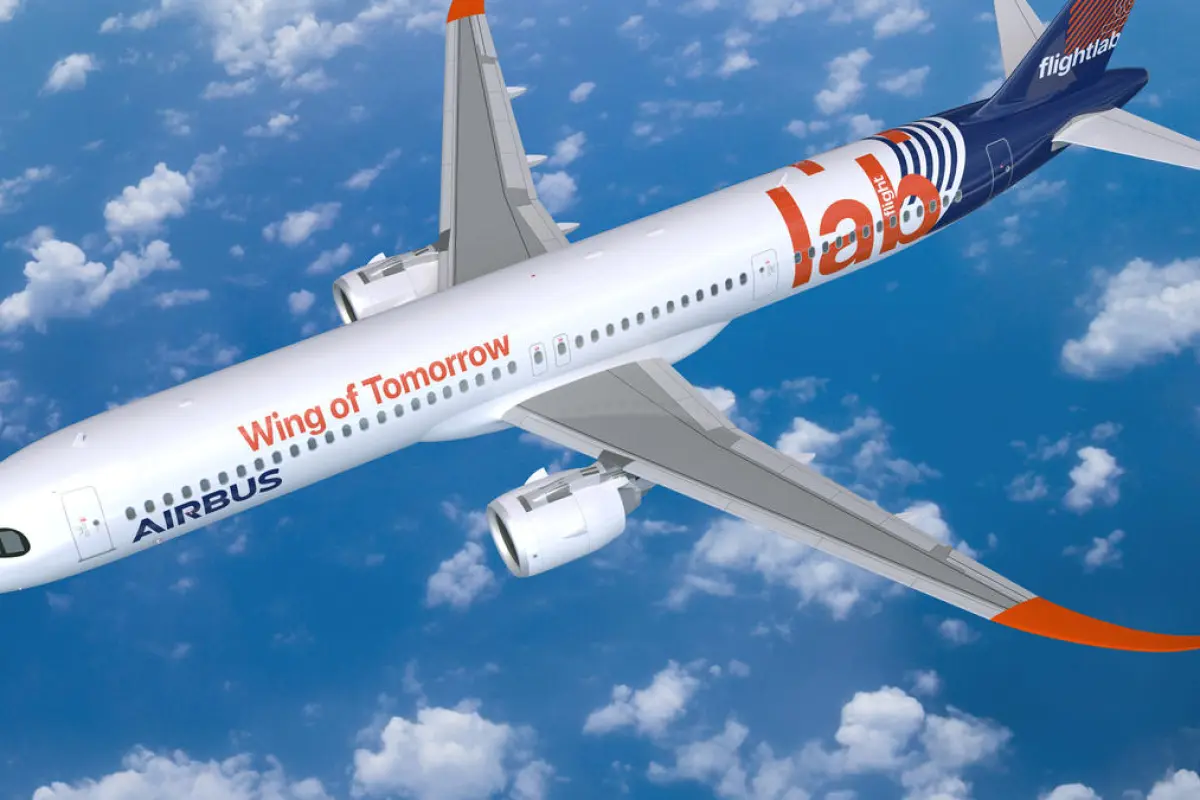
Airbus is moving into the flight-testing stage of its Wing of Tomorrow program, which aims to create longer, folding wings for next-generation aircraft. This initiative is designed to improve efficiency, reduce emissions, and accommodate airport limitations.
The government of Western Australia has granted the Browse gas project the status of national significance, which will expedite its review and development. The project faces environmental disputes and legal proceedings, and is also awaiting changes in its ownership structure.
Chinese scientists have developed an innovative cooling technology based on the soluble barocaloric effect, which can deliver high energy efficiency and zero carbon emissions. This solution has the potential to become a promising alternative for cooling data centers and residential buildings.
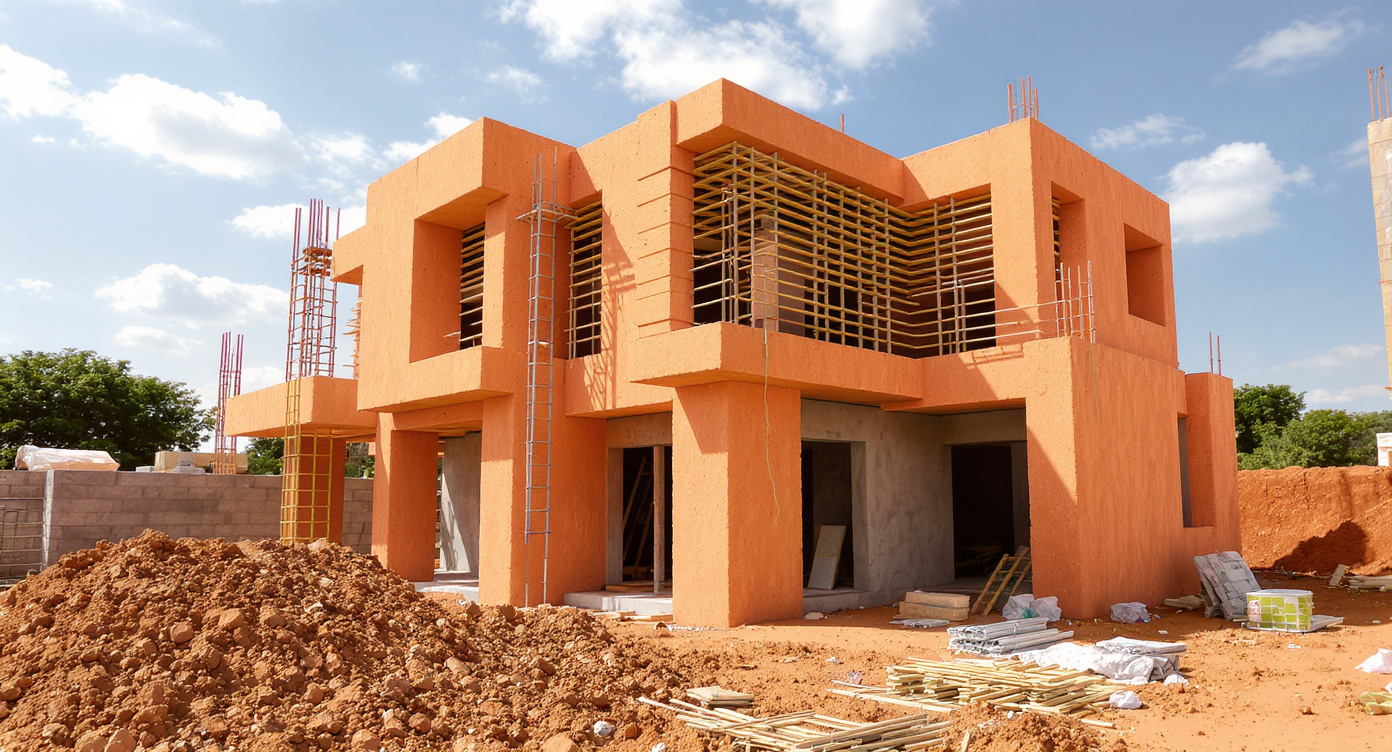
Scientists have developed an eco-friendly material for 3D-printed houses that reaches construction-grade strength in just three days, compared to the usual 28 days required for conventional concrete. This innovation speeds up building processes and reduces CO₂ emissions.

 Forma
Forma