Scientists from Norway and Japan have developed a method to turn desert sand and organic polymers into an eco-friendly building material, reducing the strain on natural resources. This innovation is particularly promising for arid regions.
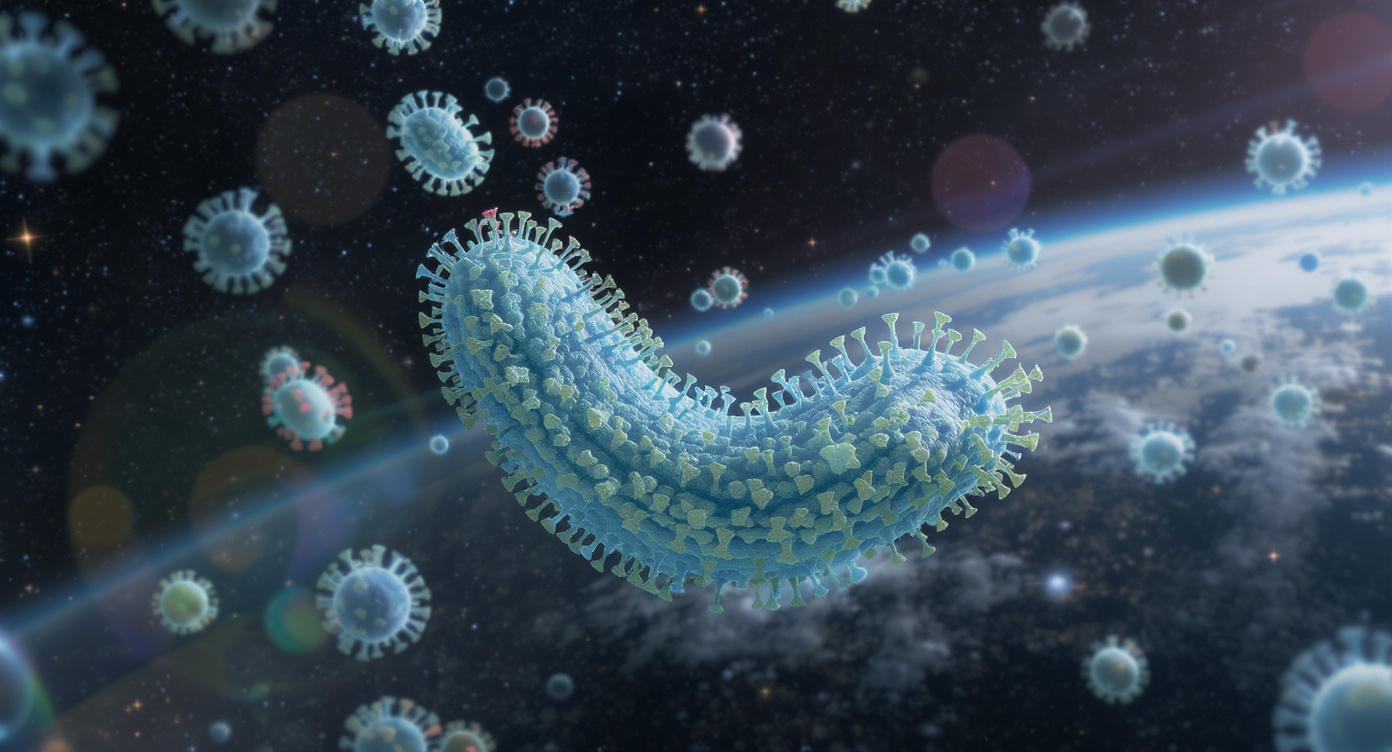
American scientists have discovered that the microgravity conditions on the ISS help bacteriophage viruses acquire mutations that allow them to effectively destroy bacteria resistant to antibiotics. These experiments open up new possibilities for developing drugs against superbugs.
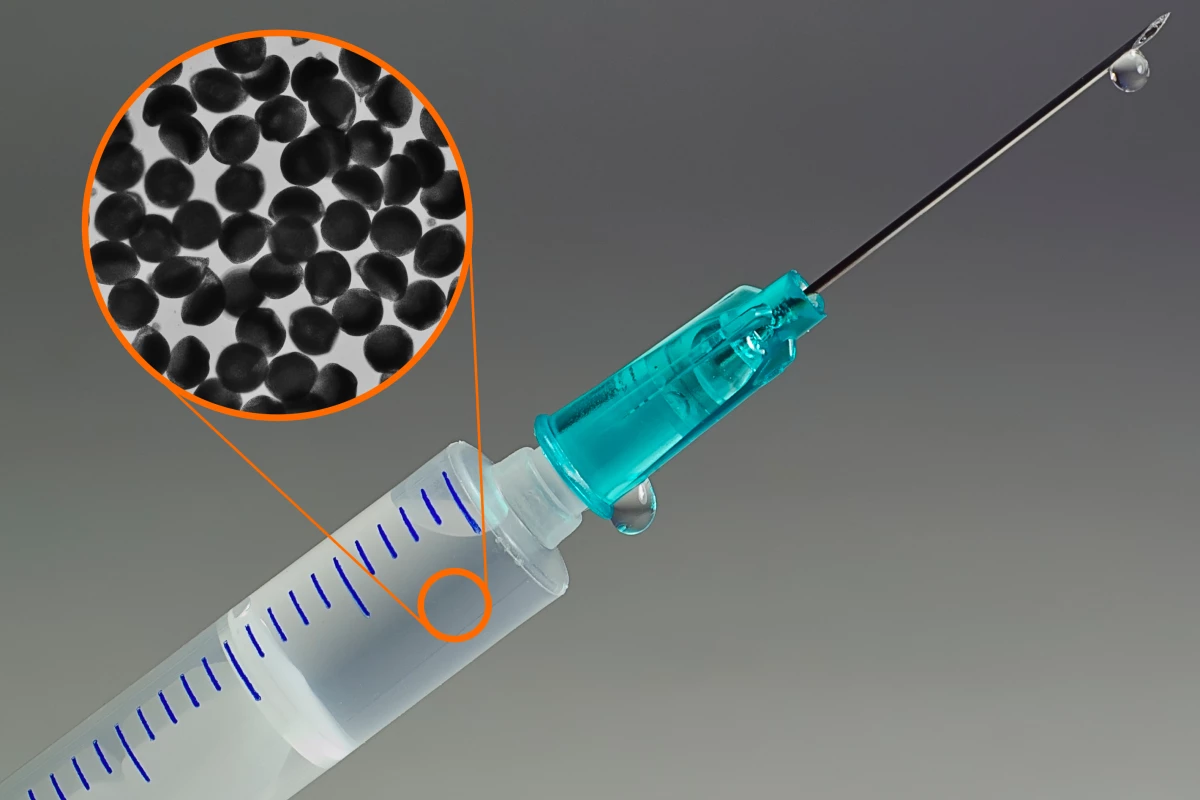
MIT engineers have developed a method to deliver highly concentrated antibody drugs with a single injection instead of lengthy IV infusions, making treatment simpler, faster, and more accessible for patients.
South Korea plans to establish a new sovereign wealth fund that will have broad investment flexibility and focus on strategic and commercial investments in promising industries.
Alkali-resistant bacteria are capable of repairing cracks in concrete, which could enhance the reliability of underground nuclear waste storage facilities. Experiments have shown that the effectiveness of this "self-healing" process depends on the presence of organic matter, and the technology requires further research before it can be put into practical use.
Scientists have discovered how spiders of the Clubiona genus produce unique antifreeze proteins that allow them to remain active during the winter. These proteins prevent bodily fluids from freezing and could have applications in biotechnology, agriculture, and medicine.
Scientists have developed a step-by-step plan to create an oxygen-rich, breathable atmosphere on Mars by utilizing local resources and photosynthesis. Implementing this plan on a planetary scale could take thousands of years.


 Ingenium